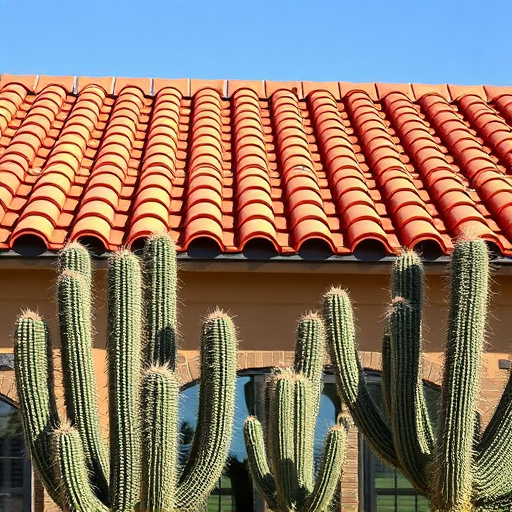
The tile roof, a cornerstone of traditional Spanish and Santa Fe style homes in the desert climate, requires specialized care and design. With the region's extreme heat, high winds, and unpredictable weather, choosing the right tile profile and color becomes crucial for both aesthetics and longevity. This guide examines the intricate world of tile roofing, offering insights into the best profiles for desert conditions and the factors that affect tile color fading. We'll explore the vital role of tile roof underlayment lifespan, two-layer systems, and effective maintenance practices to ensure these historic homes remain protected for generations.
- Choosing the Right Tile Profile for Your Home
- Understanding Spanish and Santa Fe Style Aesthetics
- Selecting Complementary Tile Colors and Patterns
- Ensuring Optimal Performance: Tile Roof Underlayment Lifespan
Choosing the Right Tile Profile for Your Home
When selecting the right tile profile for your Spanish or Santa Fe style home, understanding the unique challenges of the local climate and architectural aesthetics is crucial. In regions like Oro Valley, where desert heat and varying weather patterns are the norm, choosing the appropriate tile profile can significantly impact both the longevity of your roof and its visual appeal.
Clay tiles have long been a favorite among homeowners seeking a traditional, rustic look. These tiles are renowned for their durability and ability to withstand extreme temperatures. However, in the desert heat, clay tiles may expand and contract more than their concrete counterparts, potentially leading to issues over time. A local roofing company serving Oro Valley often advises clients to consider a dry ridge system when installing clay tiles to minimize the risk of damage from foot traffic and debris accumulation. This system, which replaces traditional mortar with a rubberized membrane, offers better protection against efflorescence, a common problem in concrete tiles, and can extend the overall tile roof underlayment lifespan.
Santa Fe style homes, with their emphasis on intricate details and natural materials, often call for a specific tile profile that complements the architectural design. In these cases, flat tile profiles, known for their simplicity and versatility, can be an excellent choice. Flat tiles require less nailing and provide a clean, uncluttered look that is characteristic of the Santa Fe style. To ensure a successful installation, homeowners should consider a two-layer underlayment system, which offers added protection against leaks and provides a solid base for the tiles, especially when dealing with the weight of the tiles and potential wind damage. This approach, combined with proper tile nailing patterns and edge metal, can contribute to a tile roof that not only looks stunning but also performs well under challenging desert conditions.
Understanding Spanish and Santa Fe Style Aesthetics
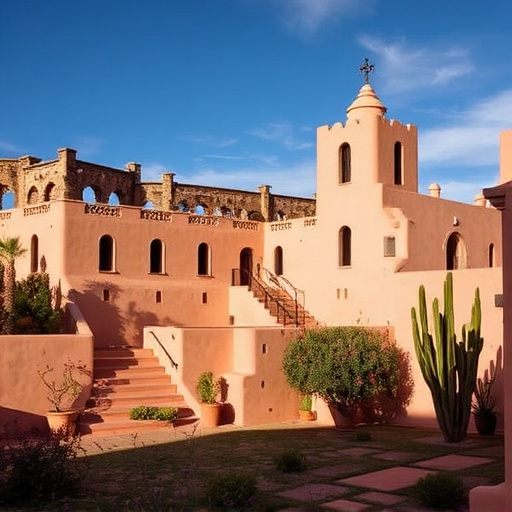
The aesthetic appeal of Spanish and Santa Fe style homes lies in their distinct roofline and tile choices. These architectural styles, deeply rooted in the region's history, often feature unique tile profiles and vibrant color palettes. When considering a roof replacement or restoration, understanding these stylistic elements is crucial. The traditional Spanish Colonial Revival architecture, popular in Oro Valley, typically employs flat tile profiles, such as the iconic barrel tile, which offers both visual appeal and practical benefits in the local climate.
Tile profiles, the shape and size of individual tiles, play a significant role in the overall design. Flat tile profiles, like those found in Spanish and Santa Fe styles, are well-suited for the desert heat as they allow for better airflow and reduce heat absorption. This is particularly important in Oro Valley's climate, where temperatures can soar during the summer months. When selecting tiles, homeowners should consider the profile's impact on water run-off and drainage, especially in areas prone to heavy rainfall. The choice of clay or concrete tiles also factors into this decision. Clay tiles, known for their traditional charm, can be susceptible to efflorescence-a white powdery substance-when exposed to harsh conditions, while concrete tiles, more durable, offer a more modern aesthetic.
The underlayment, a crucial component often overlooked, is a key element in ensuring the longevity of these tile roofs. A two-layer underlayment system, for instance, provides enhanced protection against foot traffic damage, a common issue in high-traffic areas. Proper installation and maintenance of the underlayment can significantly extend the lifespan of the tile roof, a valuable consideration for homeowners. DC Roofing of Arizona, a local and licensed roofer, emphasizes the importance of a quality underlayment, which not only protects the roof but also acts as a barrier against attic heat transfer, contributing to energy efficiency. Battens, the wooden or metal strips that support the tiles, and ridge mortar, the material used to secure tiles at the ridge, are additional components that require careful attention during installation to prevent rot and ensure a watertight seal.
Selecting Complementary Tile Colors and Patterns
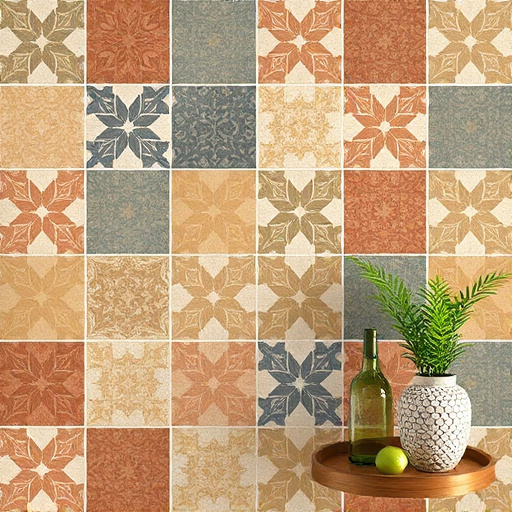
Selecting complementary tile colors and patterns for a Spanish or Santa Fe style home involves a thoughtful blend of aesthetics and functionality. When choosing tiles for these architectural styles, consider the rich, earthy tones that define the region. Concrete tile, a durable and low-maintenance option, pairs beautifully with neutral shades of beige, gray, and deep brown. Think of the warm, sun-kissed landscapes that inspire these design aesthetics; tile colors should reflect the natural hues of the desert while adding a touch of sophistication.
A Santa Fe-inspired home might feature concrete tile in a warm, rustic gray with subtle veining, reminiscent of the region's natural stone. Complement this with a subtle, light beige headlap that provides contrast without overpowering the design. The key is to create a harmonious palette that flows from roof to gutter and beyond, reflecting the seamless blend of indoor and outdoor spaces characteristic of these styles.
Proper tile installation, including the use of ridge mortar, plays a crucial role in extending the lifespan of your tile roof. A skilled roofing contractor, like DC Roofing of Arizona, will ensure that each tile is securely fastened, minimizing the risk of damage from foot traffic or debris accumulation in the valleys. Regular tile roof underlayment lifespan maintenance, such as cleaning and inspecting for efflorescence or signs of wear, further ensures the longevity of your investment. Remember, the right tile choice and installation techniques are essential to achieving the beauty and durability that define Spanish and Santa Fe style homes.
Ensuring Optimal Performance: Tile Roof Underlayment Lifespan
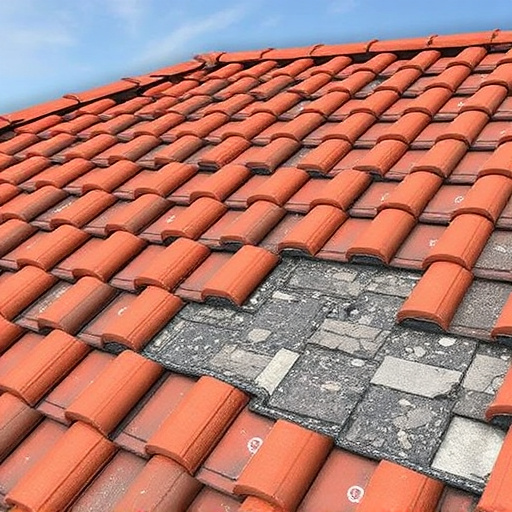
Ensuring Optimal Performance: Tile Roof Underlayment Lifespan
The longevity of your tile roof is heavily influenced by the underlayment-a crucial barrier that protects your roof from moisture intrusion and provides a solid base for tile installation. Understanding the factors that affect underlayment lifespan is essential for homeowners in Oro Valley's desert climate. Unlike flat tile profiles, which are more common in other regions, Spanish and Santa Fe style homes often feature unique tile designs and architectural details that require specific underlayment considerations.
When selecting an underlayment, consider both synthetic and clay tile options. Synthetic underlayments offer a lightweight, flexible alternative that's easy to install and can withstand the extreme heat and foot traffic common in our desert environment. Clay tile, on the other hand, requires a more robust underlayment to manage its weight and the potential for movement. DC Roofing of Arizona, a local roofing contractor with extensive experience in Oro Valley, recommends using a two-layer underlayment system for clay tile roofs to enhance durability and protect against efflorescence, a common issue with concrete tile in desert heat.
Proper installation is key to maximizing underlayment lifespan. Adequate ventilation and drainage are critical components. Ensure that your underlayment is protected from direct sunlight, as this can cause premature aging and degradation. Consider incorporating bird stops to prevent feathered visitors from creating holes and allowing water penetration. Regular inspections by a professional, such as those offered by local roofing contractors, can help identify potential issues early, ensuring your tile roof remains in top condition for years to come.
Frequently Asked Questions About a guide to tile profiles and colors on Spanish and Santa Fe style homes
What are Spanish and Santa Fe style homes known for in terms of tiling?
Spanish and Santa Fe style homes often feature flat tile profiles, characterized by low-slung roofs with wide, flat tiles that create a distinctively flat plane. These tiles are typically made of clay or terracotta, offering a rustic, natural aesthetic. The colors are earth-toned, with shades of red, orange, and brown predominating to reflect the local desert landscapes. This style emphasizes functionality, durability, and a seamless blend with the surrounding environment.
How do I choose the right tile profile for my home?
Selecting the right tile profile depends on your home's architecture, local climate, and personal aesthetic preferences. Flat tile profiles are ideal for Spanish and Santa Fe styles, complementing the low-pitched roofs and traditional aesthetics. Consider factors like water resistance, freeze-thaw durability, and slip resistance, especially in high-traffic areas. It's beneficial to consult with a local roofing contractor or tile specialist who can guide you based on your specific needs and local conditions.
What are some popular color options for these styles?
Popular tile colors for Spanish and Santa Fe homes typically lean into earthy, natural tones. Reds, ranging from burnt orange to deep brick, are common, reflecting the region's sun-baked terrain. Terra cotta and beige hues are also popular, offering warmth and visual interest. Some homeowners opt for a more muted palette, incorporating shades of gray and taupe, which can create a more contemporary look. Local tile suppliers can be a valuable resource for exploring color options that align with your design vision.
Can I mix and match tile profiles and colors?
Absolutely. Mixing and matching profiles and colors can add visual interest and depth to your space. You could use a flat tile for your roofing while incorporating a more textured tile for accent walls or features like a backsplash. Color combinations can range from complementary (opposites on the color wheel) to analogous (adjacent colors), offering a range of aesthetic possibilities.
How do I maintain tiles on my Spanish or Santa Fe style home?
Regular cleaning and sealing are essential to maintain the beauty and integrity of your tiles. Remove dirt, dust, and algae growth with a soft brush or garden hose. Seal your tiles at least once a year to protect against water damage and stains. In regions with harsh winters, consider additional protection, such as snow guards on rooftops, to prevent ice build-up and potential tile damage.
For enhancing the beauty and durability of your home, especially in the Oro Valley climate, choosing the right tile profile and colors is crucial. This guide has illuminated the importance of understanding the Spanish and Santa Fe architectural aesthetics and how they influence tile selection. By selecting complementary colors and patterns, you can achieve a harmonious and authentic look. The article has underscored the significance of the tile roof underlayment lifespan, emphasizing the need for a robust two-layer system to ensure optimal performance and protect against foot traffic damage, efflorescence, and debris accumulation. Knowing how to properly maintain your tile roof, including safe cleaning practices and the use of suitable sealers, will extend its lifespan. With these insights, homeowners can make informed decisions, ensuring their tile roofs not only withstand the desert heat but also contribute to the overall allure of their Spanish mission or Santa Fe-style homes.
Tile Roof Selection and Lifespan: A Guide for Spanish and Santa Fe Style Homes
Choosing the right tile profile and colors for these architectural styles involves understanding local climate challenges and aesthetic preferences. Clay tiles, though durable, may expand and contract in desert heat, necessitating a dry ridge system to protect against damage. Flat tile profiles, common in Santa Fe styles, require a two-layer underlayment for improved water run-off and protection against foot traffic.
Selecting tile colors and patterns should reflect the region's earthy tones, using neutral shades like beige and gray for concrete tiles. Proper installation, including ridge mortar and regular underlayment maintenance, extends the tile roof's lifespan. A local roofing contractor like DC Roofing of Arizona can ensure optimal performance by selecting appropriate underlayments and performing regular inspections.