In the harsh desert climate of flat tile profiles, choosing the right roofing material is crucial for both aesthetic appeal and structural integrity. Homeowners and builders often find themselves debating between concrete and clay tile roofs, each with unique benefits and drawbacks. As temperatures soar, the impact on these materials becomes increasingly significant, affecting not just their visual appeal but also their performance. This article examines the intricacies of concrete versus clay tile roofs, specifically addressing their behavior in desert heat, energy efficiency considerations, such as tile roof and attic heat, and the practical aspects of installation, maintenance, and longevity. By the end, readers will have a comprehensive understanding of how to make an informed decision.
- Choosing Between Concrete and Clay Tile: Desert Heat Considerations
- Understanding Tile Roof Performance in High-Temperature Environments
- The Impact of Attic Heat on Tile Roof Durability and Maintenance
- Longevity and Cost: A Comparative Analysis of Concrete vs. Clay Tile
Choosing Between Concrete and Clay Tile: Desert Heat Considerations
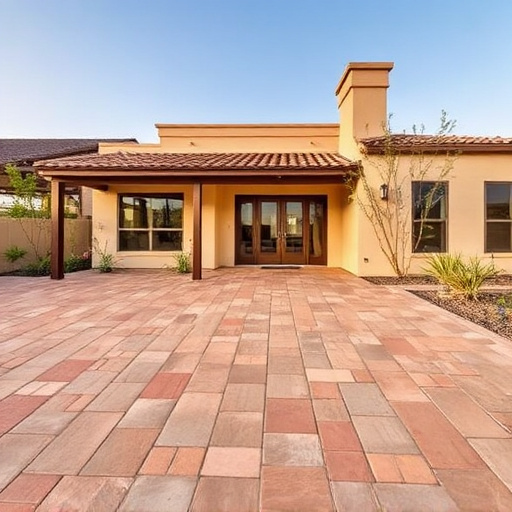
Choosing between concrete and clay tile for your roof in Oro Valley's desert climate involves careful consideration of several factors, especially the impact of intense heat on the material. For tile roof and attic heat, concrete tile has a distinct advantage. Its dense, solid structure is better at resisting the sun's radiant heat, which can significantly increase interior temperatures in the summer months. Clay tile, while aesthetically pleasing and a popular choice for its traditional look, absorbs heat more readily, potentially leading to higher attic temperatures and increased cooling costs.
A roofing contractor serving Oro Valley and Marana will often recommend concrete tile for its durability and performance in challenging conditions. To its heat resistance, concrete tile is known for its longevity. With proper installation and maintenance, concrete tile roofs can last 50 years or more, making them a smart investment for homeowners. Clay tile, while also durable, typically has a lifespan of 25 to 40 years, leaving concrete tile as the more long-lasting option in the desert heat. Another benefit of concrete tile is its resistance to efflorescence, a white powdery substance that can appear on clay tile surfaces due to salt buildup. This makes concrete tile a low-maintenance choice for desert environments.
When selecting a tile profile, homeowners in Oro Valley should consider the local climate. S tile profiles, with their larger surface area, can be more susceptible to heat absorption, whereas a flat tile profile's smaller, smooth surface reflects heat better. Many Santa Fe style homes, known for their distinct architecture, utilize flat tile profiles precisely because of their ability to mitigate desert heat. A local roofing company might recommend a specific flat tile design that not only complements the neighborhood's aesthetic but also offers superior performance in the heat. Proper ridge mortar installation and a two-layer underlayment system can further enhance the durability and heat resistance of a concrete tile roof, ensuring it stands up to the rigors of the Oro Valley climate for years to come.
Understanding Tile Roof Performance in High-Temperature Environments
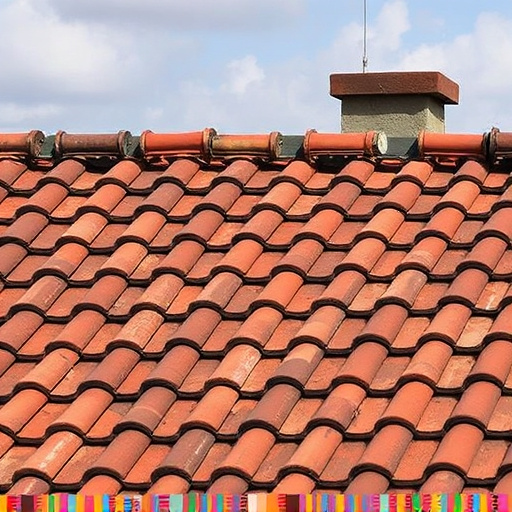
In hot, dry climates like Oro Valley, understanding how tile roofs perform in high-temperature environments is crucial. Tile roofing is a popular choice in these areas, offering both aesthetic appeal and durability. However, for concrete versus clay tiles, there are distinct considerations, especially when exposed to intense UV radiation and fluctuating desert heat. The choice between these materials can impact not just the roof's longevity but also its energy efficiency, maintenance needs, and overall performance.
Concrete tile roofs have long been admired for their strength and durability. They can withstand extreme temperatures and are less susceptible to the damaging effects of UV exposure compared to clay tiles. One notable advantage is the dry ridge system, which eliminates the need for mortar, reducing potential efflorescence issues. This system, where tiles are stacked and secured with special clips, also minimizes water penetration, preventing long-term damage to the underlayment and framing. However, concrete tiles tend to be heavier, which may require additional structural support during installation, especially on older homes.
In contrast, clay tiles, often associated with traditional Spanish Colonial Revival architecture, offer a distinct aesthetic that many homeowners appreciate. They are lightweight, making installation easier and less costly. However, clay tiles are more susceptible to UV damage, which can cause tiles to fade and crack over time. The mortar set used in traditional installations can also be susceptible to efflorescence, a white powdery substance that can discolor the tiles and the roof's overall appearance. An experienced Oro Valley roof specialist recommends regular cleaning and sealing to mitigate these issues. Clay tiles also tend to be more delicate, requiring more careful handling during installation and making repairs more complex.
For tile roof and attic heat, concrete tiles hold an edge due to their superior heat resistance. They absorb and retain heat less than clay tiles, which can help keep attics cooler and reduce energy costs for cooling. This is a significant advantage in desert climates where summers can be scorching. Concrete tiles offer better noise insulation, providing a quieter environment within the home. Conversely, clay tiles can be more susceptible to heat-related expansion and contraction, potentially leading to issues like warping or loose tiles.
The choice between concrete and clay tile roofs in desert heat depends on various factors. Homeowners should consider the roof's aesthetic appeal, structural integrity, maintenance requirements, and long-term performance. An informed decision, guided by a local roofing contractor, can ensure a durable and energy-efficient tile roof that performs well under the harshest conditions.
The Impact of Attic Heat on Tile Roof Durability and Maintenance
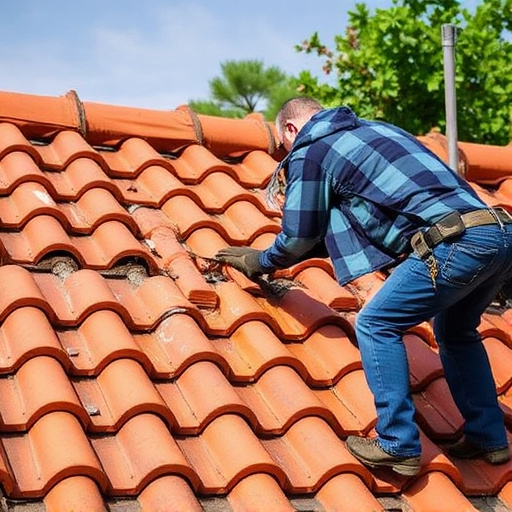
Tile roofing, while a popular choice for homes in desert climates like Oro Valley, presents unique challenges due to the intense heat and UV exposure. When considering concrete versus clay tiles, understanding the impact of attic heat on roof durability and maintenance is crucial. The interior of an attic, often inaccessible and poorly ventilated, can reach extreme temperatures, significantly affecting the performance and longevity of the roof.
Concrete tiles, known for their durability and weight, are a preferred choice for desert regions. However, the heat can cause the concrete to expand and contract, leading to potential cracks and damage over time. A two-layer underlayment system, often recommended for concrete tile roofs, provides an extra barrier against moisture and heat transfer. This is particularly important in attics, where heat build-up can cause warping and damage to the roofing materials. DC Roofing of Arizona, a licensed Oro Valley area roofing contractor, emphasizes the importance of a quality underlayment to protect against the extreme desert heat.
Clay tiles, on the other hand, offer a more aesthetically pleasing option but are more susceptible to UV degradation. Prolonged exposure to the sun's rays can cause the clay to fade and crack, leading to unsightly roofs and potential leaks. Flat tile profiles, common in the region, are even more vulnerable to UV damage. To mitigate this, proper sealing and regular cleaning are essential. Homeowners should consider using tile roof sealers, which offer protection against UV rays and help maintain the tile's color. This is a practical step, especially for Spanish Colonial Revival architecture experts looking to preserve the historic charm of their properties.
Tile roofs, regardless of material, require regular care to combat attic heat-related issues. This includes ensuring proper ventilation in the attic space and maintaining a safe, clean environment for tile maintenance. Local utility companies may issue warnings during heatwaves, advising homeowners to take precautions when working on their roofs to prevent heat-related injuries. Neighborhood watch groups and local landscaping services can also play a role in monitoring tile roofs for any signs of damage, especially in areas prone to high winds and debris accumulation.
Longevity and Cost: A Comparative Analysis of Concrete vs. Clay Tile
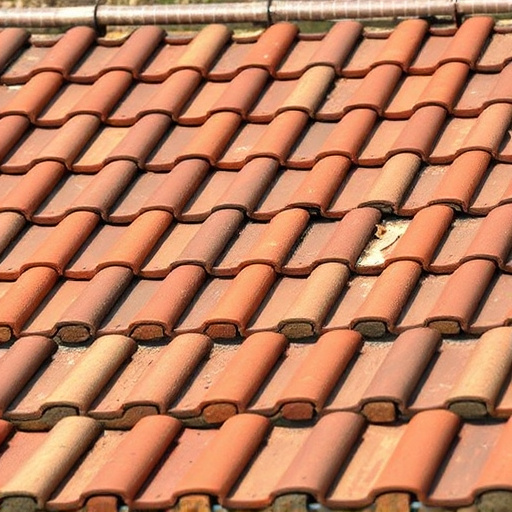
In the harsh desert climate, choosing the right roofing material is crucial not only for aesthetics but also for longevity and cost-effectiveness. When comparing concrete and clay tile, a licensed Oro Valley area roofing contractor often faces a common dilemma. Both materials have their unique advantages, but how do they stack up in terms of durability and long-term investment? This section examines the intricacies of a concrete vs. Clay tile roof's lifespan, shedding light on the factors that influence their longevity and the associated costs.
Concrete tile, known for its robust structure, offers exceptional resistance to extreme temperatures and high wind, making it a top choice for desert regions. Its dense composition naturally inhibits efflorescence, a common issue with clay tiles, where minerals leach to the surface, creating unsightly stains. Concrete tiles are less prone to foot traffic damage, a frequent concern in high-traffic areas or around skylights. However, installation costs for concrete tile can be significantly higher due to their weight and the specialized nailing patterns required, such as the use of tile clips in high wind areas.
On the other hand, clay tile, a classic choice with a distinctive aesthetic, is relatively lighter and easier to install, especially for traditional Spanish Colonial Revival or Spanish mission tile homes. Clay tiles are often preferred for their natural beauty and ability to absorb heat, contributing to energy efficiency in the attic. However, they are more susceptible to damage from power outages and require regular cleaning to prevent sun faded colors and pest entry points. The ridge mortar, for instance, must be meticulously applied to ensure a dry ridge system, preventing water penetration.
When considering a long-term investment, concrete tile often proves more cost-effective. While the initial setup might be pricier, its durability and reduced maintenance needs over time can save homeowners money. A two-layer underlayment system, a common practice with concrete tile, offers superior protection against extreme weather, extending the lifespan of the roof. Conversely, clay tile may require more frequent repairs and replacements, impacting the overall cost of ownership, especially in areas prone to power outages or high winds. Thus, when selecting a roofing material, homeowners should weigh the initial cost against the expected longevity and maintenance demands of each option.
Frequently Asked Questions About a comparison of concrete and clay tile in desert heat
What is the main advantage of concrete tile over clay tile in hot climates?
Concrete tiles offer superior heat resistance in desert environments. They are less prone to heat absorption, which can cause clay tiles to crack and warp under intense sunlight. This makes concrete a more durable choice for areas with high temperatures and intense UV radiation.
How does desert heat affect clay tile roofs, and what are the potential issues?
Prolonged exposure to desert heat can lead to several problems with clay tiles. The primary issue is thermal expansion and contraction, which can cause cracks and loose tiles. The heat can weaken the glue that holds the tiles in place, leading to delamination and potential leaks. Over time, these factors can significantly reduce the lifespan of a clay tile roof.
Are there any specific installation considerations when using concrete tile in hot regions?
While concrete tiles are generally more robust, proper installation is crucial in hot climates. This includes adequate ventilation beneath the roof to prevent heat buildup, which can affect the performance of the tiles. Using the appropriate fasteners designed for concrete tiles and ensuring proper spacing are essential to maintain the integrity of the roof.
Can concrete tile roofs handle high winds, common in desert storms?
Yes, concrete tiles are known for their wind resistance. Their solid structure and heavy weight make them capable of withstanding high winds, including those in desert storms. However, proper installation with adequate anchoring is vital to ensure the roof remains secure during extreme weather conditions.
Are there any long-term cost savings with concrete tile roofs in desert areas?
Despite their initial cost, concrete tiles often provide long-term cost savings. Their durability means they require less frequent replacement, reducing the need for ongoing roof repairs and maintenance. Their resistance to heat and UV damage can contribute to lower energy bills by minimizing heat transfer into the home.
How do concrete tiles fare in terms of noise reduction compared to clay tiles?
Concrete tiles are generally quieter than clay tiles due to their dense composition. In desert regions, where noise reduction is essential to maintain a peaceful living environment, concrete tiles can be a preferred choice. They absorb sound better, making them ideal for areas with busy streets or neighboring properties.
Choosing between concrete and clay tile roofs in desert climates involves understanding how each performs under intense heat and how these choices impact long-term durability. While clay tiles offer a classic aesthetic, their absorption of heat can lead to increased attic temperatures, necessitating more energy-intensive cooling and potentially compromising the roof's performance over time. Conversely, concrete tiles, though more expensive, offer superior heat resistance, helping to mitigate attic heat transfer and contributing to a more energy-efficient home.
This article highlights the critical interplay between tile roofs and attic heat, emphasizing the need for informed decision-making. Homeowners should weigh the initial cost of concrete tiles against their superior heat resistance and potential long-term savings in energy costs. Consulting with a licensed Oro Valley area roofing contractor, like DC Roofing of Arizona, experienced in desert climates, can help guide these crucial choices, ensuring a durable and efficient roof for any home.
In Oro Valley's desert climate, concrete tile roofs outperform clay tiles in heat resistance, longevity, and low maintenance. Concrete tiles, with their dense structure, mitigate attic heat, reduce efflorescence, and last 50+ years. Clay tiles, though aesthetically pleasing, absorb heat, are prone to efflorescence, and have a lifespan of 25-40 years. A local roofing contractor recommends concrete tile for its durability, especially with proper ridge mortar and two-layer underlayment. Consider the roof's performance in extreme heat, maintenance needs, and long-term costs when making a choice.