Tile roofs are a popular choice in flat tile profiles, particularly in arid climates, for their durability and aesthetic appeal. However, these same conditions-desert heat and sunlight-can contribute to breakage when not properly maintained. Walking on tile roofs, whether for repairs or inspections, is a common necessity, but it can also accelerate damage. This article examines the science behind tile roof breakage, focusing on how foot traffic, material properties, and environmental factors interact. We'll explore proven methods for cleaning tile roofs safely and offer guidance on maintaining these structures to ensure longevity, safety, and curb appeal for homeowners in flat tile profiles.
- Understanding Tile Roof Structure and Vulnerability
- Why Walking on Tiles Can Lead to Breakage
- Safe Practices for Minimal Damage and Maintenance
- Natural Cleaning Techniques for Longevity and Safety
Understanding Tile Roof Structure and Vulnerability
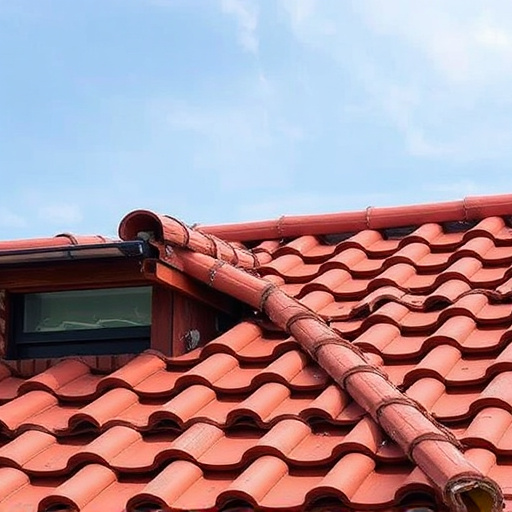
Walking on tile roofs, especially in the hot, dry climate of the Catalina Foothills, presents unique challenges. Tile roofing, while beautiful, is a delicate structure designed to withstand the elements, not heavy foot traffic. Understanding the vulnerability of tile roofs is crucial for both homeowners and professional roofer with an Arizona ROC license.
A tile roof consists of several critical components, including the tiles themselves, underlayment, and flashing. The two-layer underlayment system, a key element, provides an additional barrier against moisture and weather damage. However, it offers no real support for foot traffic. This is where the potential for breakage comes in. Walking on a tile roof, particularly when wet or in the heat of the day, can exert significant pressure on the tiles, leading to cracks or dislodging. Even a roofer, experienced in the local conditions, must take precautions, like using specialized tile clips in high wind or heavy traffic areas.
The dry ridge system, a common method for sealing the edges of tiles, adds another layer of protection against water penetration. However, it too is susceptible to damage from excessive weight. Over time, this stress can cause the ridge to fail, leading to leaks and further roof damage. Regular cleaning and inspection, especially before winter when freeze-thaw cycles can accelerate wear, are crucial. When cleaning tile roofs safely, homeowners and professionals alike should avoid using harsh chemicals or high-pressure washers, which can damage the tiles and underlayment. Instead, opt for soft brushes and mild cleaning solutions.
In areas prone to heavy winds, such as the Catalina Foothills, understanding the potential for tile batten rot and pest entry points becomes paramount. The battens, which hold the tiles in place, can rot over time, weakening the roof structure. Gaps around the edges can provide entry points for rodents and insects. A comprehensive tile roof care checklist, tailored to the local climate and conditions, should be implemented to mitigate these risks. Remember, a well-maintained tile roof, with regular attention and professional care, can last for decades, protecting your home and adding to its value.
Why Walking on Tiles Can Lead to Breakage

Walking on tile roofs is a common practice that, while seemingly innocuous, can lead to significant damage, particularly to clay and concrete tiles. The intense UV exposure in our desert climate exacerbates the issue, making tile roofs more susceptible to breakage when walked on. The heat from the sun can cause tiles to expand and contract, weakening their structure over time. When combined with the weight of a person, especially on soft or curved surfaces, it creates a stress point that can lead to cracks or even complete tile failure.
Concrete tiles, while known for their durability, are not invulnerable. The weight of a person can leave noticeable impressions, causing the concrete to crack or break under continuous stress. Clay tiles, though traditionally considered more delicate, are also vulnerable. Their inherent fragility, combined with the natural tendency of clay to expand and contract with temperature changes, makes them prone to breakage if walked upon. This is particularly true if the tiles are old, improperly installed, or not properly sealed.
To prevent damage, it's crucial to understand the limitations of tile roofs. Always avoid walking on tiles unless absolutely necessary, and use caution even then. Consider using protective gear, like soft-soled shoes or booties designed for roof work. For routine inspections and maintenance, a roofer with an Arizona ROC license can safely climb and examine the roof, ensuring any issues are identified early. A proper tile roof care routine that includes regular cleaning and sealing can help protect against UV damage and prolong the lifespan of the tiles, making them less susceptible to breakage, even with occasional foot traffic. Remember, cleaning tile roofs safely involves using approved methods and materials to avoid damaging the tiles or the roof's structure.
Safe Practices for Minimal Damage and Maintenance
Walking on tile roofs is a common necessity, from minor repairs to regular inspections. However, this practice can cause significant damage if not done safely. Tile roofs, especially those made of clay or concrete, are designed to withstand the harsh desert heat and heavy loads, but foot traffic can compromise their integrity if proper precautions aren't taken.
Safe Walking Practices begin with understanding the roof's structure. Clay and concrete tiles, when properly installed, offer excellent durability. Yet, repeated foot traffic, especially in concentrated areas, can lead to cracks or breakage. To minimize damage, limit walking to designated areas and use protective gear like knee and elbow pads. Always avoid walking on loose tiles or areas where the underlayment is exposed. A roofing contractor serving Oro Valley and Marana recommends inspecting the roof before walking to identify weak spots and ensure the safety of the structure.
Bird stops and barrel tiles are essential components that help prevent debris from accumulating on the roof and reduce the risk of breakage. These elements, along with well-maintained battens, play a crucial role in keeping the tiles securely in place. Regular cleaning, especially after heavy storms, is crucial. However, be mindful of using safe cleaning methods; harsh chemicals can damage the tiles. Opting for natural cleaning solutions and avoiding pressure washers, which can dislodge tiles, is a practical approach to maintaining your tile roof.
Proper maintenance includes checking for efflorescence on concrete tiles, which can indicate moisture issues, and addressing it promptly. Inspecting for pest entry points, such as ants or birds, is vital to prevent infestations that might compromise the roof's stability. By combining these practices with regular inspections, you can ensure your tile roof remains in top condition, enhancing its lifespan and preserving the aesthetic appeal of your Spanish Colonial Revival architecture or any other style.
Natural Cleaning Techniques for Longevity and Safety

Walking on tile roofs, especially during the monsoon season in the Catalina Foothills, can lead to damage, including broken tiles. While some repairs are inevitable over time, certain practices can significantly extend their lifespan and prevent common issues. One crucial aspect often overlooked is how to walk on tile roofs safely, minimizing the risk of breakage and ensuring longevity.
The way a roofer moves across a tile roof can impact its integrity. Heavy steps or sudden movements can cause tiles to shift, leading to cracks or even dislodging them entirely. Therefore, it's essential to adopt a careful, methodical approach. A licensed Arizona roofer recommends treating each step as if it were a delicate dance, distributing your weight evenly and avoiding sudden jerks. Using tile clips, designed to secure tiles during installation, can also help prevent movement and breakage during walk-throughs.
Natural cleaning techniques play a dual role in roof care. Regular cleaning removes dirt, dust, and debris that can contribute to tile deterioration, especially when exposed to intense desert sunlight. Using environmentally friendly, non-toxic cleaning solutions and soft brushes minimizes the risk of damaging the tiles' surface. These methods help extend the lifespan of the roof underlayment, a crucial layer that protects the structure from moisture and temperature extremes. During monsoon winds, which can be particularly strong in the Foothills, a well-maintained underlayment acts as a crucial barrier, preventing water intrusion and reducing the risk of rot, especially around tiles and flashings.
Frequently Asked Questions About an Explainer on Walking on Tile Roofs and Why Breakage Happens
What are the risks of walking on a tile roof?
Walking on a tile roof poses several risks, including slipping and falling, which can result in serious injuries. Tile roofs are often slippery when wet, and the tiles themselves can become loose or unstable over time, increasing the chance of a fall. The weight of a person on a tile roof can cause damage, particularly if the roof is not properly supported or if the tiles are not installed correctly.
Why do tile roofs break?
Tile roofs break due to a combination of environmental factors and improper installation. Extreme heat and UV exposure in Tucson can cause tiles to expand and contract, leading to cracks and breaks. Over time, wind, rain, and snow can also take a toll, especially if the roof is not properly sealed or maintained. Improper installation, such as using the wrong type of tile for the local climate or failing to follow manufacturer guidelines, can significantly shorten the lifespan of a tile roof.
How can I tell if a tile is damaged?
Damaged tiles often exhibit visible signs, such as cracks, chips, or missing pieces. Inspect for loose tiles, which may be curled, broken, or discolored. Look for signs of water damage, like stains or mold growth, which can indicate a leak or poor drainage. During a roof inspection, a licensed Tucson roofing contractor will use their expertise to identify even subtle signs of damage that could compromise the roof's integrity.
When should I replace a tile roof?
A tile roof should be replaced when it reaches the end of its lifespan, typically 20-40 years, depending on the quality of installation and local conditions. Signs of widespread damage, poor drainage, or significant leaks warrant immediate attention. A professional roof inspection can help determine the condition of your tile roof and advise on the best course of action.
Can I repair a damaged tile roof?
Yes, many damaged tiles can be repaired, saving you the cost of a full replacement. Repairs typically involve replacing individual tiles, re-nailing loose tiles, or sealing cracks. However, if the damage is extensive or the roof structure is compromised, replacement may be necessary. A local Tucson roofing company can assess the damage and provide tailored repair or replacement solutions.
Understanding the delicate balance of a tile roof's structure is crucial to preventing breakage under foot traffic. Walking on tiles can lead to significant damage, especially in regions with high footfall like entryways or pool areas. By adhering to safe practices, such as wearing appropriate footwear and limiting traffic, homeowners and contractors can minimize the risk of tile breakage. Employing natural cleaning techniques not only extends the lifespan of the roof but also ensures the safety of those walking on it. Regular, gentle cleaning with mild, pH-neutral detergents and soft brushes prevents the buildup of efflorescence and debris, which can weaken the tile's hold.
The article highlights the importance of maintaining tile roofs, focusing on key areas like underlayment lifespan, proper nailing patterns, and edge metal care. By integrating these practices into routine roof care, homeowners can expect longer-lasting, more aesthetically pleasing tile roofs. The next step for both homeowners and contractors is to implement these strategies, ensuring the longevity and safety of tile roofs in the demanding desert climate. Remember, a well-cared-for tile roof not only protects against the elements but also adds value to any Oro Valley home or building.
Walking on tile roofs in Tucson's desert climate requires caution to prevent damage. Clay and concrete tiles are durable but vulnerable to breakage from foot traffic, especially in hot, dry conditions. Safe walking practices include using protective gear, avoiding soft or curved surfaces, and limiting traffic to essential areas. Regular cleaning with mild solutions and soft brushes, along with maintaining underlayment and sealing, protects against UV damage and extends tile lifespan. Proper roof care, including inspections, addresses issues like efflorescence, pest entry, and batten rot, ensuring a well-maintained, long-lasting tile roof.