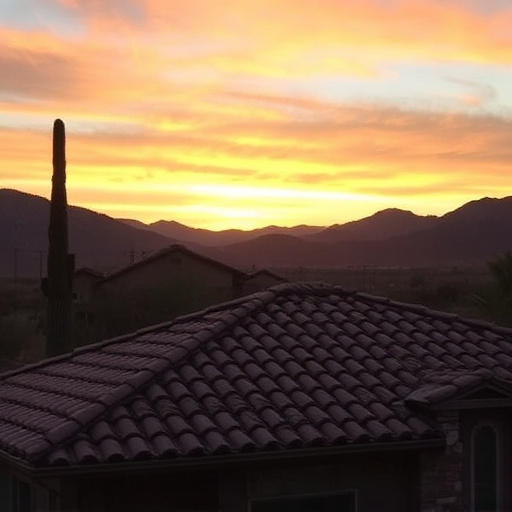
Tile roofing is a defining feature of many Spanish and Santa Fe style homes, offering both aesthetic appeal and enduring protection. However, choosing the right tile profile and color can be overwhelming. In these arid climates, factors like sun exposure, desert heat, and foot traffic can impact tile longevity and appearance, from sun-faded colors to efflorescence on concrete tiles.
This guide is your comprehensive resource for navigating the complexities of tile roofing in flat tile profiles. We'll examine best practices for tile headlap and coverage, underlayment systems, maintenance, and more, ensuring your Spanish or Santa Fe style home retains its beauty and structural integrity for years to come. By the end, you'll be equipped to make informed decisions, ensuring your tile roof performs as expected under even the most challenging conditions.
- Understanding Spanish & Santa Fe Tile Styles
- Choosing the Right Tile Profile for Your Home
- Color Selection: Santa Fe Meets Modern Taste
- Tile Installation: Techniques and Efficient Headlap
Understanding Spanish & Santa Fe Tile Styles
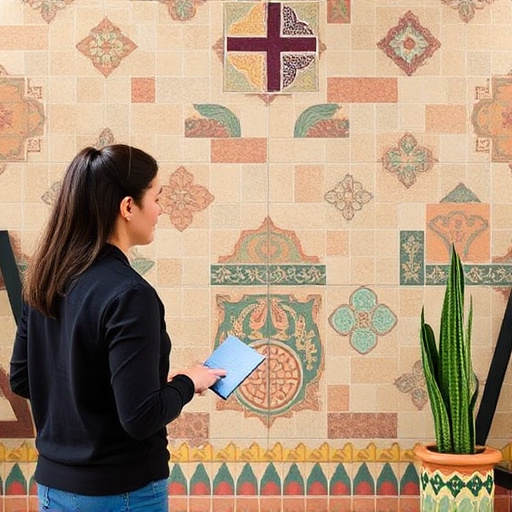
Understanding Spanish and Santa Fe Tile Styles
Spanish and Santa Fe architectural styles offer a unique blend of historical charm and modern aesthetics, and tile roofs play a pivotal role in defining this distinctive look. When selecting or maintaining tile roofs in Oro Valley's desert climate, understanding the specific tile profiles and colors is crucial. The traditional Spanish Colonial Revival homes often feature flat tile profiles, which are well-suited to withstand the region's intense sun and high winds. These flat tiles are lightweight, allowing for easier installation and less strain on framing, yet they remain durable enough to resist foot traffic and debris accumulation in narrow valleys.
For color, Spanish and Santa Fe styles often lean towards earthy tones that complement the surrounding landscape. Warm shades of red, terra cotta, and even subtle gray-blues are popular choices. However, sun faded tile colors can be a concern in desert regions, where intense UV exposure can cause discoloration. To mitigate this, local roofing companies serving Oro Valley, like DC Roofing of Arizona, often recommend using concrete tiles with a protective finish that absorbs less light, thereby minimizing efflorescence-the white or gray residue left behind by the leaching of minerals from the concrete.
Tile headlap and coverage are essential considerations in these styles. Proper headlap ensures that the upper edge of each tile is covered by the tile below, providing a watertight seal and preventing debris from infiltrating. Coverage refers to the number of tiles needed to cover a specific area, which can impact both cost and installation time. A tile roof on a larger addition might require a different nailing pattern and more tiles per square foot than a smaller replacement project, emphasizing the importance of detailed planning and professional guidance. Tile clips are crucial in high-wind areas like Oro Valley, as they secure the tiles and prevent them from blowing off, even during intense desert storms.
Choosing the Right Tile Profile for Your Home
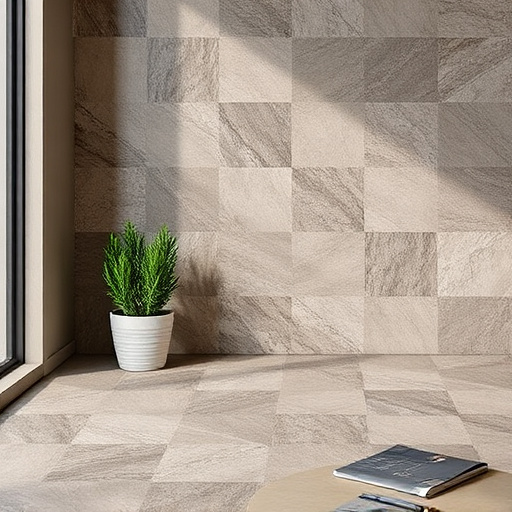
When selecting the right tile profile for your Oro Valley home, especially if you're aiming for a Spanish or Santa Fe aesthetic, understanding tile headlap and coverage is crucial. These elements play a significant role in the overall look and functionality of your roof. In the Rancho Vistoso area, where many homes showcase these architectural styles, tile profiles like barrel tile are popular choices. Barrel tiles, with their curved shape, offer both aesthetic appeal and practical benefits. The headlap, or the overlap between tiles, ensures a watertight seal, crucial in our desert climate.
The choice between S-tile (also known as barrel tile) and flat tile profiles depends on your design preferences and structural considerations. S-tiles, with their unique shape, provide excellent coverage and hide nail heads, contributing to a seamless, elegant look. Flat tiles, on the other hand, are more straightforward and can be more cost-effective. However, they may require more meticulous nailing patterns and could expose nail heads, which might be less desirable from an aesthetic standpoint. A licensed Arizona roofer can guide you in selecting the best option based on your home's specific needs.
Tile clips, a practical addition for high-wind areas like Oro Valley, offer another layer of protection. These clips secure tiles in place, preventing them from lifting due to wind or other environmental factors. When considering tile around skylights or in areas prone to foot traffic, it's essential to factor in the weight of the tiles and choose a suitable underlayment system. Two-layer underlayments, for instance, provide enhanced protection and longevity, ensuring your tile roof withstands the test of time, even in extreme desert heat.
Color Selection: Santa Fe Meets Modern Taste
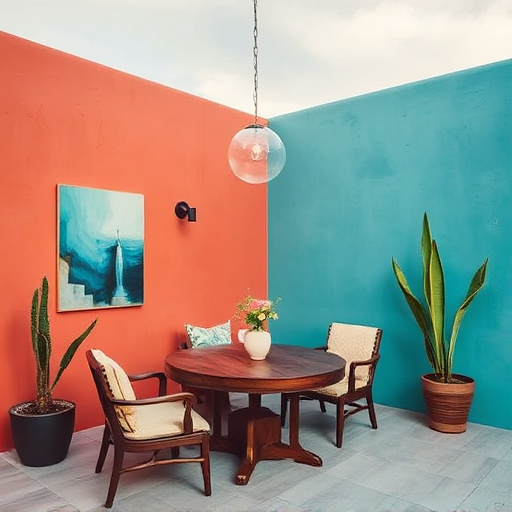
When selecting tile colors for a Spanish or Santa Fe-style home, homeowners often seek to blend timeless aesthetics with modern taste. This blend is particularly evident in the choice of tile profiles and hues, which can transform a residence into a captivating, culturally-rich space. In Oro Valley's Rancho Vistoso neighborhood, where many homes embrace Spanish Colonial Revival architecture, tile selection plays a crucial role in preserving the area's historic character while catering to contemporary lifestyles.
Santa Fe style, characterized by its earthy, neutral palette and intricate patterns, influences color choices in these regions. Homeowners often opt for tile colors that mimic the natural landscape, incorporating shades of terracotta, rust, and desert beige. These hues not only complement the surrounding environment but also create a harmonious interior-exterior flow, a key design principle in Santa Fe style. A local roofing company serving Oro Valley can guide homeowners in selecting tile headlap and coverage that not only meet aesthetic goals but also ensure proper protection against the desert's intense sunlight and varying climates.
In terms of profile, flat tile profiles are a popular choice for their ease of installation and low maintenance. However, when considering a more historic Spanish Colonial look, homeowners might opt for curved or S-shaped profiles, which add texture and visual interest. The decision between clay and concrete tiles also comes into play here. Clay tiles, though traditionally used, may be more susceptible to efflorescence in the desert heat, while concrete tiles offer a durable, long-lasting option. Homeowners in these regions should also be mindful of potential foot traffic damage and consider the use of tile clips in high wind situations, ensuring the roof remains secure.
The tile nailing pattern matters in both functionality and aesthetics. Proper nailing patterns, along with a two-layer underlayment system, can extend the lifespan of the roof. When planning a tile roof for a new build or addition, these considerations are crucial. Homeowners should be aware of potential pest entry points, as tile valleys and flashing around side walls require careful installation to prevent water intrusion and subsequent damage.
Tile Installation: Techniques and Efficient Headlap
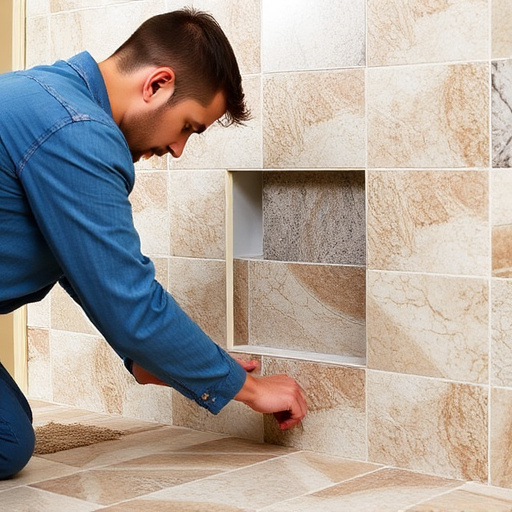
In the vibrant landscape of the Catalina Foothills, where many homes embrace the elegant aesthetics of Spanish and Santa Fe styles, the choice of tile profiles and colors is a crucial aspect of roofing that deserves careful consideration. For tile installation, techniques like efficient headlap and coverage can significantly impact the long-term durability and visual appeal of your roof.
The traditional Spanish mission tile homes often feature a distinct headlap pattern, where the overlap between tiles creates a visually appealing and functional barrier. This technique not only ensures a secure fit but also allows for some movement, crucial in the desert climate where UV exposure can be intense. When selecting tile profiles, understanding the difference between clay and concrete tiles is essential. Clay tiles, common in the region, offer excellent heat resistance but may be more susceptible to breakage from foot traffic and heavy debris. Concrete tiles, on the other hand, are known for their durability and strength, making them a preferred choice for high-traffic areas.
A licensed Arizona roofer recommends using a 30-lb felt underlayment for optimal protection, especially in areas prone to heavy winds and debris. Proper headlap and coverage are critical during installation. Typically, a 1/4-inch to 1/2-inch headlap is recommended for most tile roofs, ensuring adequate protection against leaks. Using two layers of underlayment can extend the lifespan of your roof, providing extra insulation and safeguarding against potential pest entry points.
For color and maintenance, the local climate plays a significant role. UV exposure can cause sun-faded tile colors, so choosing hues that offer better resistance to fading is wise. Regular cleaning, especially after monsoon season, is crucial to prevent efflorescence on concrete tiles. The Oro Valley Building Department emphasizes the importance of proper maintenance, suggesting that a well-maintained tile roof can last 20 to 30 years or more, depending on the installation and the quality of materials used.
Frequently Asked Questions About a guide to tile profiles and colors on Spanish and Santa Fe style homes
What are the defining characteristics of Spanish and Santa Fe tile styles? Spanish and Santa Fe style homes often feature tile work with a distinct, organic feel, reflecting the region's cultural influences. These styles typically incorporate earthy tones, intricate patterns, and unique shapes. The tile profiles are often flat or slightly raised, with textures mimicking cobblestones, terracotta, or hand-potted designs. Colors range from warm neutrals like beige and brown to vibrant hues of red, orange, and blue, often inspired by local clay types and traditional ceramic arts.
How do I choose the right tile profile for my home's architecture? Consider the architectural style of your home. A more modern Santa Fe home might pair well with rectangular or hexagonal tiles in a neutral color palette. Traditional Spanish homes often look best with rounded or curved tiles that echo the organic shapes found in their architecture. Also, think about the functionality: tiles with deeper profiles can be better for high-traffic areas as they provide more traction.
What color tiles complement a Santa Fe aesthetic? Santa Fe style often leans into a palette inspired by the desert landscape. Warm earth tones like burnt orange, deep red-browns, and golden yellows are popular choices. Natural materials such as wood or stone accents can also enhance the Santa Fe look. For a more vibrant approach, consider bold colors like a deep turquoise or rich burgundy, which can add energy to a space while still fitting the regional theme.
Can I mix and match tile profiles and colors within a project? Absolutely. Mixing profiles and colors can create visual interest and add depth to your design. You might use a flat tile for a floor and a textured tile for a backsplash or accent wall, creating contrast. When mixing colors, try to maintain a cohesive theme by using complementary or analogous shades. This approach ensures a harmonious result while allowing for diversity in tile choices.
How do I know if my chosen tiles are suitable for outdoor use? Always check a tile's suitability for outdoor applications. Look for tiles labeled as "frit" or "glass" that are designed to withstand freezing and thawing cycles. These types of tiles are less likely to crack or break when exposed to outdoor elements. Consider the slip resistance, especially for areas like walkways or patios, to ensure safety.
As you've explored the intricacies of tile profiles and colors for Spanish and Santa Fe style homes, several key insights emerge. First, understanding the unique aesthetic and structural considerations of these styles guides your selection of the right tile profile, ensuring both functionality and beauty. Choosing between flat tile and more intricate profiles depends on your home's design, climate, and intended visual effect. Color selection, particularly when blending Santa Fe's rich earth tones with modern preferences, offers a creative opportunity to express your personal style while preserving the architectural integrity of these historic homes.
Tile installation techniques, such as efficient headlap and coverage, play a crucial role in both aesthetics and longevity. Proper nailing patterns and adequate underlayment systems, as discussed, are essential for preventing damage from foot traffic, weather, and pests. Consider the specific needs of your home, from the weight of the tiles on the framing to the management of valleys and debris, to ensure a durable and attractive roof.
Practical next steps include consulting with a local roofing contractor experienced in these styles, such as DC Roofing of Arizona, to discuss your options. Reviewing local building department guidelines and working with your Homeowners' Association (HOA) can also ensure compliance and preserve your investment. Remember, the right tile profile and colors can transform your home's exterior, reflecting both its historical roots and your unique taste.
When inspecting or installing a tile roof in Tucson's desert climate, consider:
- Spanish/Santa Fe Styles: Flat or S-shaped tile profiles for aesthetic appeal and durability. Earthy tones complement the landscape.
- Tile Headlap & Coverage: Proper headlap (1/4-1/2 inch) ensures watertightness. Coverage affects cost and installation time.
- Tile Clips: Essential in high-wind areas (Oro Valley) to secure tiles and prevent lifting.
- Underlayment: Two-layer systems offer enhanced protection and longevity.
- Color & Maintenance: Choose fade-resistant colors. Regularly clean concrete tiles to prevent efflorescence.
Practical Takeaways:
- Proper tile selection and installation can extend roof lifespan.
- Consider local climate, architectural style, and foot traffic when choosing tile profiles and colors.
- Regular maintenance, including post-monsoon cleaning, is crucial for desert tile roofs.