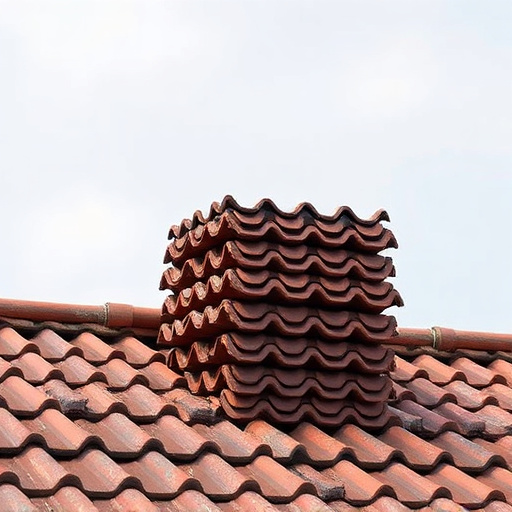
The tile roof, a defining feature of many Spanish and Santa Fe style homes, requires careful consideration for optimal performance and aesthetic appeal, especially in the arid climate of flat tile profiles like Oro Valley. This guide addresses a critical issue: navigating the choices between different tile profiles and colors, while also tackling the challenges posed by tile roof valleys and debris in our desert heat. We'll explore the best practices for installation, maintenance, and design, ensuring your tile roof not only endures but enhances your home's beauty and value. From understanding clay and concrete tile options to mastering underlayment systems and safe cleaning techniques, we provide the expertise you need to make informed decisions.
- Understanding Spanish & Santa Fe Tile Styles
- Choosing the Right Tile Profile for Your Roof
- Color Selection: Blending with Local Aesthetics
- Tile Roof Valleys & Debris Management: Best Practices
Understanding Spanish & Santa Fe Tile Styles
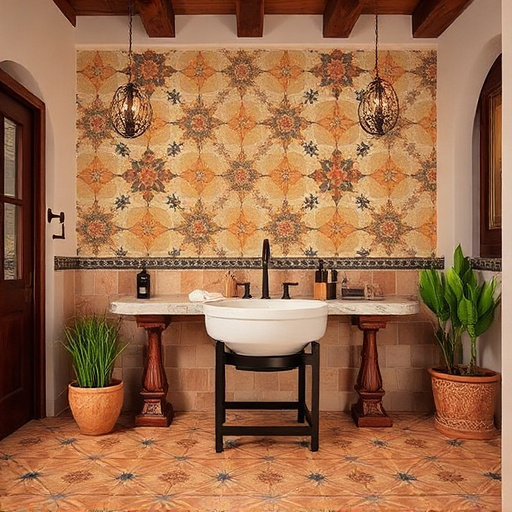
Understanding Spanish and Santa Fe Tile Styles
The distinctive architectural styles of Spanish and Santa Fe homes demand specific considerations for roofing, especially when selecting tile profiles and colors. In the arid climate of Oro Valley, these choices are crucial for both aesthetic appeal and functional integrity. While clay tiles have long been a staple in these regions, their performance in extreme heat and monsoon winds necessitates thoughtful consideration. A licensed Oro Valley area roofing contractor advises that clay tiles, when properly installed with adequate underlayment and flashing, can withstand the harsh conditions, but they may require more maintenance to prevent cracks and sun fading.
In Spanish Colonial Revival architecture, flat tile profiles are often chosen for their ability to reflect sunlight and reduce heat absorption. These tiles, typically made from concrete, offer durability and low maintenance, making them ideal for the desert environment. However, it's crucial to manage tile roof valleys and debris effectively during monsoon seasons to prevent water damage. Battens, the wooden strips that support the tiles, also play a vital role in securing the roof and should be inspected regularly for rot, especially in areas prone to high winds.
Santa Fe style interior design, influenced by Native American and Spanish traditions, often incorporates earthy tones and textures. This translates into tile choices that complement the natural landscape. Local tile distributors in Oro Valley offer a range of clay and concrete tiles in various colors and finishes, allowing homeowners to create a roof that enhances their home's unique character. When designing or repairing a Spanish or Santa Fe style home, it's essential to consult with roofing experts who understand the historical and aesthetic considerations, ensuring the tile profiles and colors not only meet functional requirements but also preserve the home's distinctive charm.
Choosing the Right Tile Profile for Your Roof
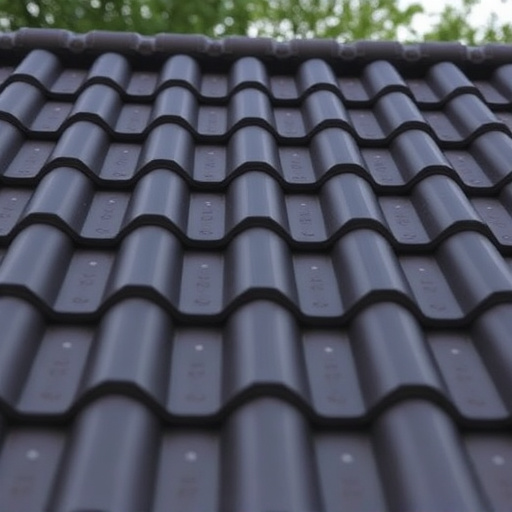
When selecting a tile profile for your Oro Valley home, especially when embracing the Spanish or Santa Fe architectural styles, understanding the fit for your roof's unique characteristics is crucial. The shape and slope of your roof play a significant role in determining the most suitable tile profile, directly impacting the overall aesthetics and durability of your roofing system. Homes in the Catalina Foothills, known for their diverse architectural styles, often require tile profiles that can handle varying levels of wind and debris exposure, especially when situated on slopes.
Flat tile profiles are a popular choice for many homes in the region due to their versatility and ability to manage debris, including the occasional large rocks or branches that might land on rooftops during storms. These tiles are designed to lay flat, offering a seamless appearance while also providing good protection against water penetration. However, in areas prone to high winds, it's essential to consider the tile's nailing pattern and the use of appropriate clips to secure them, preventing uplift. An experienced Oro Valley roof specialist recommends evaluating your roof's exposure to wind and debris when selecting tile profiles to ensure a robust and long-lasting installation.
Concrete tile, a durable option known for its fire resistance and efflorescence resistance, is another preferred choice for these styles. Unlike clay tiles, concrete tiles are less prone to breakage and are less affected by the intense desert heat, making them suitable for the demanding conditions of the Oro Valley climate. When selecting a concrete tile, consider the profile's headlap-the portion of the tile that overlaps the adjacent tile-and coverage to ensure proper water shedding and a uniform look. This is particularly important when dealing with tile roof valleys, which must be meticulously flashed and sealed to prevent water intrusion. Proper underlayment and a two-layer system, recommended by the Arizona Solar and Roofing Association, can further enhance the durability of your tile roof, protecting against damage from foot traffic and pest entry points.
Color Selection: Blending with Local Aesthetics

Choosing the right color for your tile roof is a crucial step in preserving the aesthetic appeal and overall look of your Spanish or Santa Fe style home. When blending with local aesthetics, consider the surrounding environment and the architectural style of these iconic homes. Oro Valley's unique climate and natural surroundings offer a vibrant palette for your roof, from earthy tones to rich, vibrant shades.
Santa Fe style homes, known for their distinct architectural character, often feature tile roofs in earthy tones like terracotta, rust, and warm browns. These colors seamlessly blend with the surrounding desert landscape, creating a harmonious and authentic aesthetic. For a modern twist, consider adding pops of color with accent tiles, allowing the main roof to maintain a more traditional look. Conversely, Spanish Colonial Revival homes, with their historic charm, typically sport tile roofs in more muted tones, such as gray, slate, or a deep, rich brown, reflecting the region's historical architecture.
When selecting colors, keep in mind the impact of sunlight and how it can affect the appearance of your roof over time. Dark colors absorb heat, which can be beneficial in the winter but may cause the roof to expand and contract with changing temperatures. This movement can lead to cracks in the tiles or underlayment, especially in the tile roof valleys and debris-prone areas. A licensed Oro Valley area roofing contractor recommends considering a two-layer underlayment system for added protection against these issues. Think about the overall maintenance and cleaning of your roof, as lighter colors may be easier to keep clean, especially when dealing with bird droppings and other debris.
Remember, the key is to select colors that complement your home's architecture and the local environment, ensuring your tile roof becomes an integral part of the overall design, much like a well-placed bird stop on a sloped roof, enhancing both functionality and aesthetics.
Tile Roof Valleys & Debris Management: Best Practices

For the aesthetics and longevity of a Spanish or Santa Fe-style home, proper tile roof valleys and debris management is often overlooked but crucial. These intricate systems not only direct water flow away from the structure but also play a significant role in maintaining the overall appearance and integrity of the tile roof. Let's examine best practices, focusing on techniques that ensure optimal performance and curb appeal.
Tile roof valleys, or channels, are essential for channeling water off the roof and preventing water damage. Effective management involves a thoughtful design and installation of these valleys, ensuring they are properly sloped and sealed. A common method is the dry ridge system, which utilizes a series of interlocking tiles to create a watertight barrier. This system minimizes the risk of leaks and efflorescence, a mineral deposit that can stain tile surfaces, by preventing water from pooling on the roof. Proper headlap, the overlap of tiles, further reinforces the valley's protection against water intrusion and debris accumulation.
Regular cleaning and maintenance are vital to keep tile roof valleys and debris under control. Homeowners should employ safe cleaning practices, such as using a soft-bristled brush and a mild detergent, to avoid damaging the tiles or the underlying structure. Understanding where debris accumulates-from fallen leaves to bird nests-helps with preventative measures. Installing a debris filter or guard can significantly reduce the buildup of material in the valleys, minimizing the need for frequent cleaning and potential damage from heavy debris.
DC Roofing of Arizona, a local roofing contractor specializing in these styles, emphasizes the importance of a well-designed and maintained tile roof system. By addressing tile roof valleys and debris management proactively, homeowners can ensure their roofs remain in top condition for years to come, preserving the historic charm of their Spanish or Santa Fe-style abode.
Frequently Asked Questions About a Guide to Tile Profiles and Colors on Spanish and Santa Fe Style Homes
What are the most popular tile profiles for these styles?
Spanish and Santa Fe homes often feature flat or low-profile tiles, such as 4"x4" or 6"x6" squares. These tiles offer a clean, uncluttered look that complements the architectural elements of these styles. For a more authentic Santa Fe feel, consider flat-edge or rounded-edge tiles, which can create a unique texture and visual interest while still maintaining a harmonious design.
How do I choose colors that work with these styles?
Stick to earthy, neutral tones like terra cotta, burnt orange, sage green, and soft gray. These colors evoke the desert landscape and create a cohesive, inviting space. Incorporate accent colors like rich blues or deep reds for a pop of contrast, but use them sparingly to avoid overwhelming the design.
Are there any specific installation considerations for these types of tiles?
Due to their flat profile, these tiles typically require a thin-set mortar for proper adhesion. Ensure the subfloor is level and clean before installation. Grout lines should be consistent in width, typically 1/8" to 1/4", to maintain a sleek appearance. Most installations take one to two days, depending on the size of the project.
What are some unique design elements I can incorporate?
Consider using different tile sizes for various areas, such as larger tiles on floors and smaller tiles on walls for visual interest. Create intricate patterns or geometric designs with tile layouts. Incorporate mosaic tiles or handmade clay tiles for a truly one-of-a-kind look.
How do I maintain tiles in these styles?
Regular cleaning with a soft brush or mop is sufficient. For stubborn stains, use a mild detergent. Seal the grout lines regularly to prevent moisture damage and mold growth. Avoid using harsh chemicals or abrasive cleaners, as they can damage the finish and color of the tiles.
Selecting the appropriate tile profile and colors for a Spanish or Santa Fe-style home involves a blend of architectural aesthetics, practical considerations, and careful planning. By understanding the unique characteristics of each tile type, from the flat profiles preferred in flat tile profiles like Oro Valley to the historical appeal of Spanish mission tile homes, homeowners can make informed decisions. Key takeaways include the importance of managing tile roof valleys and debris to prevent water damage and ensure longevity, as well as the need for proper underlayment systems and nailing patterns. Color selection should complement local aesthetics, while also considering the potential for sun fading and efflorescence on concrete tiles. Effective tile roof care, including regular cleaning and sealing, is crucial for maintaining curb appeal and structural integrity. Moving forward, homeowners should consult with local roofing contractors and design experts to implement these best practices, ensuring their tile roofs meet both functional and aesthetic standards while respecting the historical context of their properties.
Tile Profiles and Colors for Spanish, Santa Fe Style Homes:
- Roof Shape & Slope: Consider the roof's unique characteristics when selecting tile profiles. Flat tile profiles are versatile and ideal for managing debris, suitable for varied slopes.
- Tile Materials: Concrete tiles are durable, fire-resistant, and less affected by desert heat. Clay tiles, while traditional, require more maintenance to prevent cracks and fading.
- Color Selection: Blend roof colors with local aesthetics. Santa Fe styles favor earthy tones, while Spanish Colonial Revival homes often use muted grays and browns. Avoid dark colors to prevent heat absorption and potential cracks.
- Tile Roof Valleys & Debris: Proper management is crucial. Use dry ridge systems for watertight valleys, ensure proper headlap, and regularly clean debris to prevent water damage and efflorescence. Install debris filters for added protection.