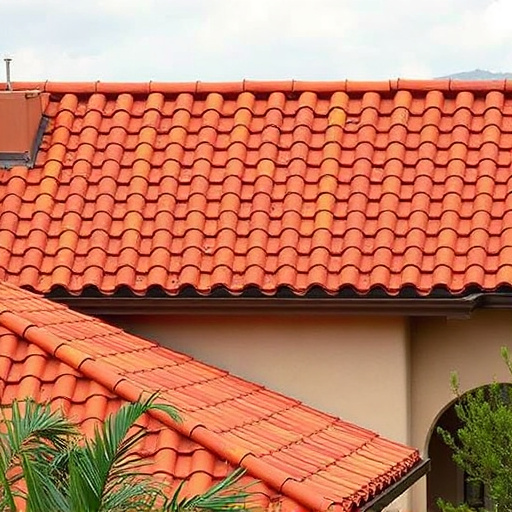
In the arid climate of Oro Valley, Arizona, tile roofs are a staple of residential architecture, offering both aesthetic appeal and enduring protection. However, maintaining their optimal condition presents a unique set of challenges, from the damaging effects of intense sunlight and weather patterns to the intricate nature of tile installation and repair. This article provides a comprehensive, practical guide to navigating the complexities of tile roofing in this region, focusing on a crucial aspect: tile roof sealers, their pros and cons. We examine the best practices for installation, maintenance, and repair, ensuring your tile roof serves as a reliable shield for your home, while offering expert insights to help you make informed decisions about sealing your tile.
- Understanding Flat Tile Profiles for Oro Valley Homes
- Installation: Step-by-Step Guide and Tile Roof Sealers
- Maintenance: Best Practices & Sealer Pros & Cons
- Repairs & Replacement: When to Call a Local Roofer
Understanding Flat Tile Profiles for Oro Valley Homes
Choosing the right tile profile is crucial when installing a tile roof in Oro Valley's unique desert climate. Flat tile profiles, a popular choice for their aesthetic appeal and ease of installation, present specific considerations. Unlike curved or rounded profiles, flat tiles offer a seamless, modern look, especially in Spanish Colonial Revival architecture, a common architectural style in Rancho Vistoso. However, their flat nature exposes them to different challenges, such as efflorescence on concrete tiles from prolonged sun exposure, and potential foot traffic damage.
When selecting a flat tile profile, homeowners should consider synthetic underlayments, which provide an extra layer of protection against hail, a common concern in Oro Valley. These underlayments, unlike traditional paper ones, don't require re-nailing during repairs, offering a more durable solution. A roofing contractor serving Oro Valley and Marana recommends using a two-layer underlayment system for added strength and longevity, especially on tile roofs over 20 years old.
Tile roof sealers play a vital role in maintaining the roof's integrity and aesthetic. When choosing between sealers, homeowners should consider their pros and cons. Silicone-based sealers, for instance, offer excellent flexibility and resistance to extreme temperatures, ideal for desert climates. However, they may be more expensive and less suitable for historical homes. On the other hand, acrylic-based sealers are more budget-friendly and easy to apply, but they provide lesser protection against UV rays. Proper cleaning and regular inspections, aided by tile roof sealers, ensure that Oro Valley homes maintain their stunning tile roofs for years.
Installation: Step-by-Step Guide and Tile Roof Sealers
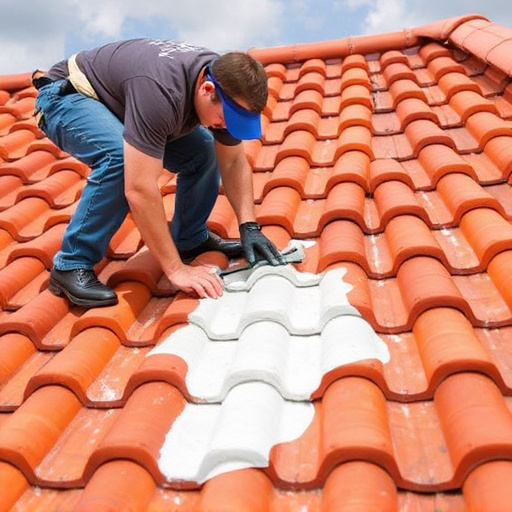
When installing or sealing a tile roof in Oro Valley, an experienced local specialist understands the unique challenges posed by the desert climate and local architectural styles. Let's examine the step-by-step process of tile roof installation, with a focus on choosing the right sealer and understanding its pros and cons.
When selecting between S tile and concrete tile, consider the local environment. Concrete tiles are robust and fire-resistant, ideal for desert heat, while S tile offers a more traditional, aesthetically pleasing Spanish Colonial look. Once the tiles are in place, the next critical step is applying the appropriate underlayment. A two-layer system provides superior protection against leaks and foot traffic damage, crucial for the long-term integrity of your roof. This includes a primary layer for water protection and a secondary layer for added strength.
Tile roof sealers play a vital role in preserving the beauty and longevity of your roof. They protect against efflorescence, a common issue with concrete tiles, where minerals in the concrete leach to the surface, creating a white, powdery residue. High-quality sealers also prevent sun faded tile colors, ensuring your roof retains its vibrant hues. When choosing a sealer, weigh the pros and cons: some sealers offer superior water resistance but may be more prone to peeling, while others provide better protection against extreme heat and UV exposure but require more frequent reapplication.
A practical example of tile roof sealers in action can be seen in Spanish mission tile homes, where the unique S tile style is commonly used. Proper sealing is key to maintaining these historic roofs, ensuring they withstand the desert's harsh conditions while preserving the architectural integrity of these beloved structures. To regular sealing, consider tile roof gutters and valleys, which can accumulate debris, leading to leaks and damage. Regular cleaning and maintenance are essential to keep these areas functioning optimally.
Maintenance: Best Practices & Sealer Pros & Cons
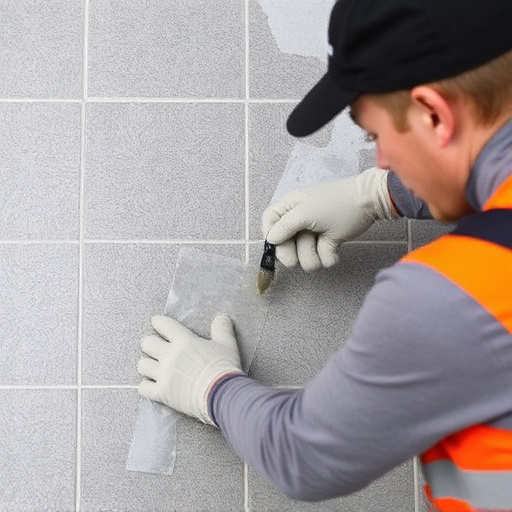
Maintaining a tile roof in Oro Valley's desert climate requires a thoughtful approach, especially when considering the unique challenges posed by monsoon winds and intense sunlight. One critical aspect is the selection and application of appropriate roof sealers, which offer both protection and aesthetic benefits. When choosing between tile roof sealers pros and cons, homeowners and local roofing companies serving Oro Valley, like Eddies Garage Door Service, should consider the long-term impact on durability, appearance, and maintenance costs.
Silicone-based sealers are popular for their flexibility and ability to withstand high temperatures, making them suitable for desert environments. However, they may not provide the same level of protection against UV damage as urethane-based sealers, which offer superior resistance to sun-faded tile colors and efflorescence on concrete tiles. The decision should balance the need for protection against extreme conditions with the desire to preserve the roof's original aesthetic. Understanding the headlap-the overlap of the tiles-is essential. S tile profiles with adequate headlap ensure better protection against wind damage and debris, especially during the intense monsoon winds that frequently sweep through Oro Valley.
Regular cleaning and maintenance are other critical components. While tile roofs are renowned for their fire resistance and longevity, they require careful attention to prevent damage from foot traffic, pests, and poor weather. Homeowners should invest in safe cleaning techniques, avoiding harsh chemicals that could damage the tile or its sealant. A well-maintained tile roof can serve as a protective barrier for decades, providing a sound investment for any Oro Valley homeowner. Understanding the pros and cons of various sealers and implementing robust maintenance routines will contribute to a tile roof's overall health and curb appeal.
Repairs & Replacement: When to Call a Local Roofer
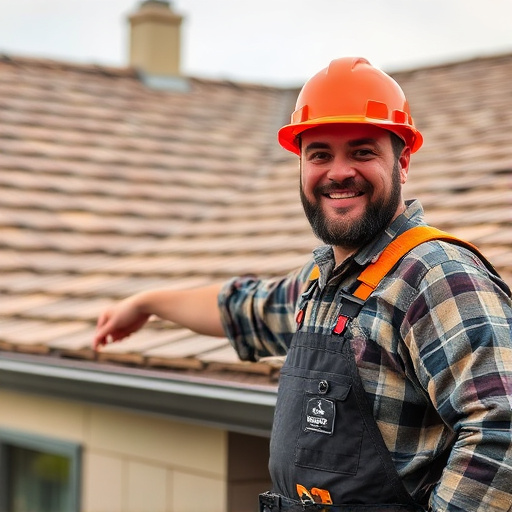
Tile roofs are a common sight in Oro Valley, with their elegant design and longevity. However, like any structure, they require regular maintenance and repairs. This is where a local roofing company comes in-a trusted partner to assess, repair, and replace your tile roof when needed. Let's examine the signs that indicate it's time to call in the experts and explore the pros and cons of tile roof sealers as part of your maintenance strategy.
One of the most common issues homeowners in Rancho Vistoso and Oro Valley face is efflorescence on concrete tiles. This white, powdery substance can build up over time, leading to unsightly discoloration. If left unattended, efflorescence can weaken the tiles, making them more susceptible to damage from foot traffic and wind. A local roofing company can address this issue by thoroughly cleaning the tiles and applying a suitable sealer. Tile roof sealers are an essential tool in protecting your roof from the harsh desert climate. They create a protective barrier, shielding the tiles from moisture, UV rays, and extreme temperatures, all of which can cause damage and lead to costly replacements.
When considering tile roof sealers, it's crucial to understand their pros and cons. On the positive side, sealers extend the lifespan of your tile roof, enhancing its fire resistance and preventing pest entry. They also make cleaning easier, as they repel dirt and debris, reducing the need for frequent and strenuous roof washing. However, not all sealers are created equal. Some may claim to offer a lifetime guarantee, but these products often fall short, requiring reapplication every few years. A reputable local roofing company serving Oro Valley can advise you on the best sealer for your specific tile type and climate, ensuring long-lasting protection.
Regular inspections are key to catching potential problems early. During these checks, a local roofing specialist can assess the condition of your tile roof, underlayment, and flashing. They can also identify any damage caused by valley debris, weak nailing patterns, or rot in the battens. By addressing these issues promptly, you can avoid costly repairs and ensure your tile roof remains a beautiful and functional part of your Oro Valley home.
Frequently Asked Questions About a Practical Guide to Tile Roofs on Oro Valley Homes
What are the advantages of tile roofs in Oro Valley?
Tile roofs offer a number of benefits for Oro Valley homes. They are known for their durability, with proper maintenance, they can last 30-50 years or more. Tile roofs are also highly weather-resistant, making them an excellent choice for areas prone to harsh storms and strong winds. Their non-porous surface resists mold and mildew growth, and they don't require as much maintenance as other roofing materials. Tile roofs come in a wide variety of colors and styles, allowing for significant design flexibility.
How do I know if a tile roof is right for my Oro Valley home?
Several factors determine if a tile roof is suitable for your Oro Valley home. Consider the local climate and weather patterns. If you experience high winds, heavy rain, or extreme temperatures, a tile roof's durability and weather resistance make it a good choice. Assess your home's design and architectural style; tile roofs complement both traditional and modern aesthetics. Your budget is also crucial; while tile roofs may have a higher upfront cost, they offer long-term savings due to their longevity. Consult a licensed Oro Valley roofing contractor for a personalized assessment.
How much does a tile roof cost to install in Oro Valley?
The cost of installing a tile roof in Oro Valley varies depending on several factors. The type of tile, the size of your roof, labor costs, and the complexity of the installation all play a role. On average, tile roof installations in Oro Valley range from $10,000 to $15,000, but this can be higher for larger homes or more intricate designs. It's essential to get quotes from several licensed contractors to get a more accurate estimate tailored to your specific situation.
What are the maintenance requirements for a tile roof?
Tile roofs require minimal maintenance compared to other roofing materials. Regular cleaning to remove dirt and debris is recommended, especially in areas prone to dust or leaf buildup. Inspect your roof for loose or damaged tiles once a year, and address any issues promptly. Repainting or sealing the roof's underlayment may be necessary every few years to maintain its water-resistance. A professional roof cleaning and inspection service can help ensure your tile roof remains in top condition.
Can a tile roof be repaired, and how long does it take?
Yes, tile roofs can be repaired. Common issues include cracked or broken tiles, loose tiles, and damaged underlayment. Repairs can range from replacing individual tiles to extensive underlayment work. Most repairs can be completed within a day or two by a skilled Oro Valley roofing technician. However, the time can vary depending on the extent of the damage and the availability of replacement parts. It's best to contact a local roofing expert for an accurate estimate.
Are there local codes or restrictions I should be aware of when installing a tile roof?
Oro Valley, like many cities, has building codes and regulations that govern roofing installations. These codes ensure safety and quality. Before installing a tile roof, check with the local building department to understand the specific requirements for tile roofs, including pitch, underlayment, and flashing regulations. Compliance with these codes is essential to avoid permit issues and ensure your home's protection. A licensed contractor will be familiar with these regulations and can help you navigate the process.
As you've explored the practical guide to tile roofs in Oro Valley, several key insights emerge. First, understanding the nuances of flat tile profiles is crucial for both aesthetic appeal and structural integrity, aligning with local building codes like those from the Oro Valley Building Department. Installation, though detailed, requires meticulous attention to detail, especially when selecting the right underlayment systems, like two-layer options, to manage weight and protect against damage from foot traffic, debris, and wind-a critical consideration given the region's weather patterns.
Maintenance is equally vital. Proper cleaning techniques and the strategic use of tile roof sealers offer substantial benefits. Sealers, for instance, protect against efflorescence on concrete tiles, sun-faded colors, and pest entry points, balancing water resistance with breathability. The pros and cons of tile roof sealers, as discussed, offer homeowners a balanced approach to longevity and aesthetics.
Repairs and replacements, when needed, underscore the importance of local expertise. Engaging a licensed Tucson garage door service (such as Eddies Garage Door Service) ensures repairs are handled by seasoned professionals familiar with Oro Valley's unique roofing challenges.
A well-maintained tile roof can stand the test of time and extreme desert heat, enhancing the curb appeal and structural soundness of your Oro Valley home. By following these guidelines, you'll ensure your tile roof performs as expected, safeguarding your investment and providing a safe, comfortable living environment.
In Oro Valley's desert climate, installing and maintaining a tile roof requires careful consideration. Choosing the right tile profile, such as concrete or S tile, and applying synthetic underlayments provide extra protection. Tile roof sealers, either silicone- or urethane-based, protect against efflorescence, UV damage, and extreme temperatures, but have varying levels of durability and cost. Regular cleaning, inspections, and maintenance, including addressing gutters and valleys, ensure the roof's longevity. Homeowners should consult with local, experienced roofing specialists for the best sealer choices and repairs.