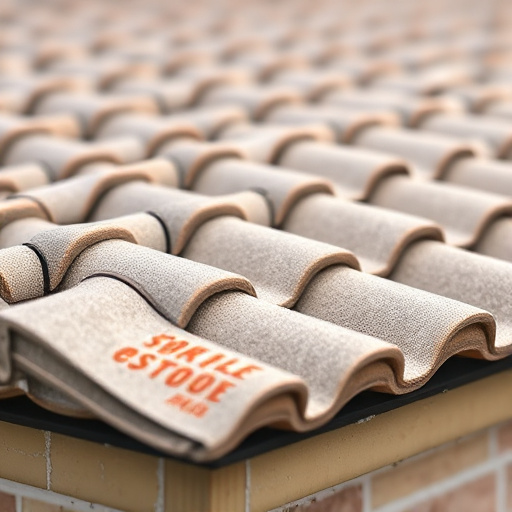
In the harsh desert climate of Oro Valley, tile roofing is a popular choice for its durability and aesthetic appeal. However, a common issue arises: the underlayment beneath the tiles often wears out faster than the tiles themselves. This is particularly true when comparing traditional mortar set underlayment to modern dry ridge systems. Mortar set methods, while effective, are labor-intensive and can fail due to heat and moisture fluctuations. Dry ridge systems, on the other hand, offer a more efficient, low-maintenance solution. This article examines the factors contributing to underlayment degradation, focusing on the mortar set vs dry ridge debate, and provides insights into prolonging the lifespan of your tile roof. By understanding these dynamics, homeowners and contractors alike can make informed decisions to ensure a robust, long-lasting tile roof installation.
- Why Mortar Set Doesn't Always Last: Factors at Play
- Natural Wear vs. Accelerated Degradation: What Causes Early Failure?
- Preventive Measures: Protecting Your Tile Investment Long-Term
Understanding Tile Underlayment: The Foundation at Risk
Tile underlayment, often overlooked, forms the critical foundation for your roof tiles, yet it's one of the first components to show signs of wear and tear. Unlike the durable tiles that adorn your roof, underlayment is designed to be a temporary barrier, protecting your roof structure from moisture and damage while the tiles are in place. The primary distinction lies in the material: mortar set versus dry ridge. Mortar set underlayment, typically a layer of cement-based material, provides a solid, adhered base for tiles. Conversely, dry ridge systems rely on a series of interlocking ridges and grooves for support.
In the harsh desert climate, these underlayments face unique challenges. Concrete tile, a common choice for its durability, requires careful installation to prevent efflorescence-a white, powdery residue that can weaken the underlayment and tile over time. Hail, an unexpected hazard in Oro Valley, can also cause significant damage, especially when combined with high winds. These extreme conditions accelerate the natural aging process, leading to cracks, disintegration, and eventual failure of the underlayment.
A local roofing company serving Oro Valley, DC Roofing of Arizona, notes that the lifespan of tile underlayment is generally 5 to 10 years, depending on factors like installation quality, material, and local weather patterns. Two-layer underlayment systems, while more robust, are not immune to wear. Over time, the underlayment between the layers can compress, allowing water to seep in and erode the structure. Regular inspection and maintenance are crucial; addressing issues early can extend the life of your underlayment and, by extension, your roof. This proactive approach ensures your tile roof remains a reliable and aesthetically pleasing feature of your Oro Valley home for years to come.
Why Mortar Set Doesn't Always Last: Factors at Play
The longevity of a tile roof largely depends on the durability of its underlayment-a crucial barrier between the tiles and the elements. While a well-installed, high-quality underlayment should outlast the tiles, a common issue arises with the mortar set method of underlayment installation. Unlike the dry ridge method, which uses no mortar, the mortar set involves applying a layer of mortar between the roofing underlayment and the sheathing, securing the underlayment in place. However, this process isn't without its vulnerabilities, especially in the Oro Valley climate.
Several factors contribute to the eventual wear of mortar set underlayments. The extreme monsoon winds we experience in the desert can dislodge the mortar, while the expanding and contracting of the underlayment due to temperature changes can weaken the bond. Birds and other pests often find the mortar a tasty treat, leading to further damage. A barrel tile roof, common in Oro Valley homes with Spanish Colonial Revival architecture, might use the mortar set method for its underlayment. If not maintained regularly, with bird stops installed to keep out critters and the underlayment sealed to protect against wind, the mortar can become a point of failure.
Regular inspections and proactive maintenance are key. Homeowners should check for loose tiles, signs of water damage, and any visible cracks in the underlayment. A local roofing company serving Oro Valley recommends inspecting the roof after intense storms and addressing any issues promptly. Applying a tile sealer or re-applying mortar can extend the life of the underlayment. Remember, the underlayment's job is to protect against water intrusion, so keeping it in top condition is essential to maintaining the overall integrity of the tile roof.
Natural Wear vs. Accelerated Degradation: What Causes Early Failure?

The longevity of a tile roof depends on more than just the durability of the tiles themselves. One crucial component that often doesn't get the attention it deserves is the mortar set or dry ridge underlayment. While designed to protect the structure from water intrusion and provide a solid base for the tile, these systems can fail prematurely, leaving the roof vulnerable to damage. This early failure is often attributed to natural wear and tear, but it's not always the case.
In the arid climate of Oro Valley, where Spanish Colonial Revival architecture is prevalent, the combination of intense sunlight, monsoon winds, and varying temperature changes can accelerate the degradation of underlayments. Barrel tile roofs, a common style in the area, require special consideration. The constant exposure to heat can cause the mortar set to dry out and crack, creating gaps that allow water penetration. Similarly, dry ridge systems, which rely on a gap between the tiles and the underlayment for ventilation, can be compromised by strong winds. During the monsoon season, these winds, often exceeding 40 mph, can dislodge tiles, tear up the underlayment, and even cause damage to the structure itself.
DC Roofing of Arizona, a licensed Oro Valley area roofing contractor, has observed that the lifespan of a tile roof's underlayment can be significantly shortened when compared to the tiles. While a well-maintained tile roof can last 30 years or more, the underlayment may fail within 10 to 15 years. This is particularly true for homes with Spanish Colonial tile roofs, where the unique architectural style necessitates specific underlayment choices. To mitigate these issues, homeowners and contractors should opt for high-quality underlayments designed for desert environments, regularly inspect for signs of wear and tear, and address problems promptly. Using the right materials, such as breathable underlayments that resist mold and mildew, and adhering to local building codes for proper installation, can ensure a tile roof's longevity, with the underlayment playing a pivotal role in its overall success.
Preventive Measures: Protecting Your Tile Investment Long-Term
Protecting your tile investment long-term requires a proactive approach, especially for the longevity of your tile underlayment. Unlike the tiles themselves, which are designed to withstand the elements, underlayment-the protective layer beneath the tiles-can degrade faster due to environmental factors, foot traffic, and the installation method used. In the rugged, sunny climate of the Catalina Foothills, these factors can accelerate wear and tear, making understanding and implementing the right preventative measures crucial.
One of the key distinctions in underlayment systems is between mortar set and dry ridge. Mortar set underlayments, while traditional, require a thick layer of mortar to be installed between the roofing deck and tiles. This can be susceptible to cracking and breaking down over time, especially in the extreme heat of our desert climate. Conversely, dry ridge systems, often preferred for tile roofs in Oro Valley and Marana, use a series of metal ridges and clips to hold the tiles in place, eliminating the need for mortar. This method is more durable and less prone to damage from power outages, which can disrupt the setting of mortar.
A robust preventative strategy involves a two-layer underlayment system. This approach, recommended by many local roofing contractors, involves using a protective layer of felt paper or synthetic underlayment as a first line of defense, followed by a more durable, self-adhering underlayment membrane. This dual protection not only shields against moisture intrusion but also adds an extra layer of defense against foot traffic and debris. Regular inspection and maintenance are vital. Look for signs of wear, such as torn underlayment, loose tiles, or efflorescence (a white powdery substance that can indicate damage to the concrete tiles). Addressing these issues promptly can prevent further damage and prolong the life of your tile roof.
Remember, a well-maintained tile roof can last for decades with the right underlayment and preventative measures. When considering a new tile roof installation or repair, consult with a roofing contractor familiar with the local climate and building codes, like those serving Oro Valley and Marana. They can provide expert advice tailored to your specific needs, ensuring your tile investment stands the test of time.
Frequently Asked Questions About an Explainer on Why Tile Underlayment Wears Out Before the Tile Does
What is tile underlayment and why is it important? Tile underlayment is a layer of material installed beneath ceramic or porcelain tiles. It serves as a protective base, preventing moisture from penetrating the tile and underlying structure. Proper underlayment is crucial for tile longevity, as it manages moisture, reduces thermal shock, and provides a level surface for even tile placement.
Why does underlayment wear out before the tiles? Underlayment is typically made of materials like foam, felt, or synthetic sheets, which are designed to absorb and distribute moisture. Over time, these materials degrade due to constant exposure to water, humidity, and pressure from foot traffic. This deterioration weakens the underlayment's structural integrity, leading to cracks, bulges, or complete failure, ultimately affecting the tile's stability and protection.
How can I extend the lifespan of my tile underlayment? Regular cleaning and maintenance are key. Keep the area dry and use a moisture barrier to protect the underlayment from direct contact with water. Inspect for signs of damage or wear and repair promptly. Ensure proper installation by a professional, using suitable underlayment for your tile type and project location.
What are the signs that my tile underlayment needs replacement? Look for uneven tile surfaces, gaps, or tiles that feel loose. Cracks or bulges in the underlayment itself are clear indications of damage. If water stains or mold appear, it's likely due to a compromised underlayment. Address these issues promptly to avoid further damage and ensure the longevity of your tile work.
Are there different types of tile underlayment? If so, how do they affect wear? Yes, there are various types, including foam, felt, and synthetic sheets. Foam underlayment is lightweight and flexible, offering excellent moisture resistance. Felt is more rigid and provides superior load-bearing capacity. Synthetic sheets are durable and can withstand high temperatures, making them suitable for certain applications. Each type has its advantages and may wear differently based on the installation environment.
Can I install tile directly onto a concrete subfloor without underlayment? While possible, it's not recommended. Concrete subfloors expand and contract with temperature changes, leading to cracks in the tiles. Underlayment provides a buffer, protecting your investment. A proper underlayment system ensures a level surface, improves insulation, and prevents moisture damage, making it a vital component in any tile installation.
Understanding the delicate balance of tile underlayment-particularly the distinction between mortar set and dry ridge systems-is crucial to prolonging the life of your tile roof. While natural wear is inevitable, many instances of early tile underlayment failure can be attributed to accelerated degradation from factors like excessive foot traffic, poor cleaning practices, and harsh desert sunlight.
The key to mitigating these issues lies in preventive measures. Regular inspection, proper cleaning techniques, and the use of suitable tile roof sealers can significantly enhance the longevity of your underlayment. Adhering to best practices for nailing patterns, headlap coverage, and batten spacing ensures a robust, durable tile roof system.
By prioritizing these aspects, homeowners and contractors alike can safeguard their investment in tile roofing, ensuring it stands strong against the test of time, much like the historic Spanish mission tile homes that adorn our desert landscapes. The Oro Valley Building Department, local roofing contractors, and the Arizona Solar and Roofing Association all emphasize the importance of these practices, underscoring the authority and practicality of these recommendations.
Tile underlayment, crucial for roof protection, often wears out before the tiles do, especially in Oro Valley's harsh climate. Mortar set underlayments, while traditional, are vulnerable to desert heat, efflorescence, and pest damage. Dry ridge systems, more durable, use metal ridges and clips, less susceptible to damage. Regular inspections, maintenance, and high-quality underlayments extend tile roof lifespan. Local roofing experts recommend two-layer systems, addressing issues promptly to prevent long-term damage.