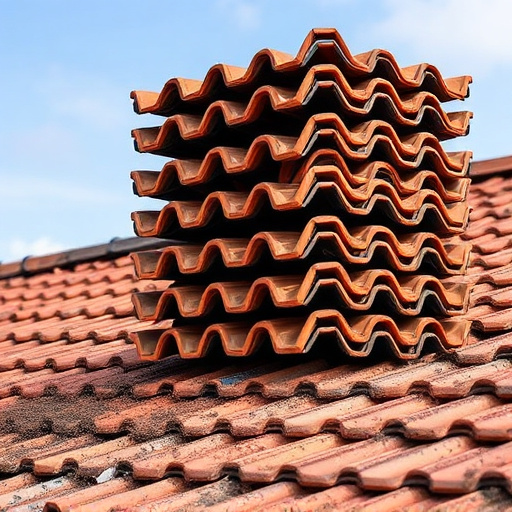
Walking on tile roofs, whether for maintenance or emergency repairs, is a common necessity that many homeowners face. However, this seemingly simple task can lead to serious damage, particularly breakage, if not done properly. In flat tile profiles, the delicate balance between weight, pressure, and the inherent fragility of clay or concrete tiles makes foot traffic a critical consideration. This article examines the science behind tile roof damage from footfall, exploring why breakage occurs and offering practical solutions to prevent it. We'll discuss the role of tile batten rot, proper nailing patterns, and underlayment systems, providing homeowners with a practical guide to maintaining their tile roofs safely and effectively.
- Understanding Tile Roof Structure and Vulnerability
- Common Causes of Tile Roof Breakage
- The Role of Tile Batten Rot in Roof Failure
- Preventative Measures and Maintenance Tips for Tile Roofs
Understanding Tile Roof Structure and Vulnerability
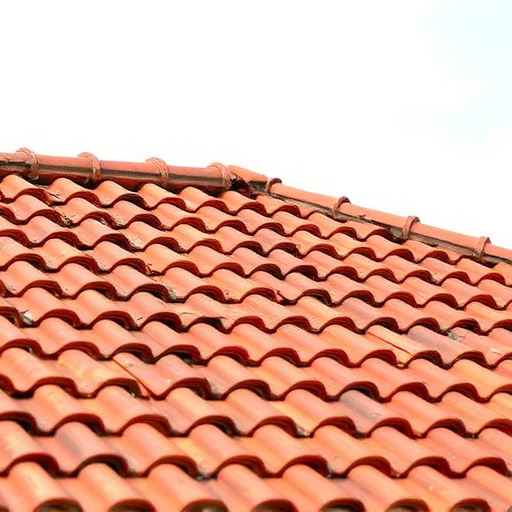
Walking on tile roofs, especially in the arid climate of Oro Valley, presents unique challenges. Understanding the intricate structure of a tile roof and its vulnerabilities is crucial for both homeowners and professional contractors. A typical tile roof consists of several components, each playing a vital role in protecting your home from the elements. Beneath the visible clay or concrete tiles lies a system of underlayment, battens, and flashing, all working together to keep water out and maintain the roof's structural integrity.
Clay and concrete tiles, though durable, are susceptible to damage from foot traffic, especially in areas with high pedestrian activity or frequent gatherings. The weight of people walking on the roof can cause tiles to become dislodged or cracked, particularly if the underlayment is inadequate or aging. Synthetic underlayments, while offering some protection, aren't a universal solution. They can become damaged or trapped between expanding tiles during hot desert summers, leading to issues like efflorescence, a white powdery substance that appears on concrete tiles when moisture is absorbed and then evaporates, leaving behind mineral deposits.
Tile batten rot is a specific concern in this region. Battens, the wooden strips that support the tiles, are particularly vulnerable to the dry, hot climate. Over time, the sun and fluctuating temperatures can cause wood to dry out and rot, compromising the roof's stability. A roofer with an Arizona ROC license emphasizes the importance of regular inspections to identify and address batten rot early. Regular maintenance, including re-fastening tiles, inspecting underlayment, and replacing damaged battens, is key to preventing costly repairs and ensuring the longevity of your tile roof.
Common Causes of Tile Roof Breakage
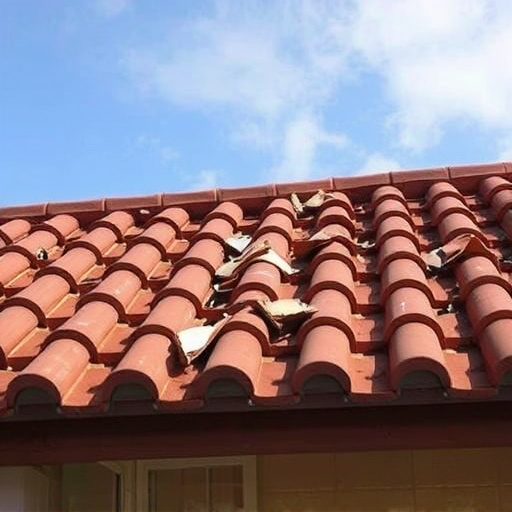
Walking on tile roofs, especially in the challenging conditions of the Catalina Foothills, can lead to tile breakage if not done carefully. Clay and concrete tiles, both popular choices for local roofing, have distinct characteristics that influence their longevity when subjected to foot traffic. A roofer with an Arizona ROC license points out that tile batten rot, a common issue in this region, is often exacerbated by heavy foot traffic, particularly on sloped roofs.
One of the primary causes of tile breakage is excessive weight and pressure. In residential areas, this often stems from individuals walking on roofs during emergencies, inspections, or even while working on adjacent areas. A homeowner climbing onto their roof to access a satellite dish or a contractor walking across tiles to reach a downspout can cause significant stress. Clay tiles, known for their delicate nature, are particularly susceptible to breakage under heavy loads. Concrete tiles, though more durable, can still crack if subjected to sudden impacts or prolonged pressure.
Another critical factor is the presence of tile batten rot, a decay that weakens the structural integrity of the roof. In the humid desert climate, moisture seepage can lead to the deterioration of wooden battens, which hold the tiles in place. As these battens rot and become unstable, the tiles above them become loose and vulnerable to breakage. This issue is more prevalent in older homes with original clay tile installations, where the underlying structure may have been compromised over time. Regular inspections by a local roofing contractor can help identify and address these problems before they result in costly tile replacements.
To minimize the risk of tile breakage, it's essential to maintain a safe distance from the edge of the roof and avoid walking on tiles unless absolutely necessary. Homeowners and contractors alike should be aware of the potential risks and prioritize safety measures. Regular maintenance, including checking for tile headlap and proper nailing patterns, and addressing any signs of rot or damage, can significantly extend the lifespan of a tile roof. Proper underlayment systems and weight distribution also play vital roles in preventing tile breakage, ensuring the longevity of your roof in the challenging desert environment.
The Role of Tile Batten Rot in Roof Failure
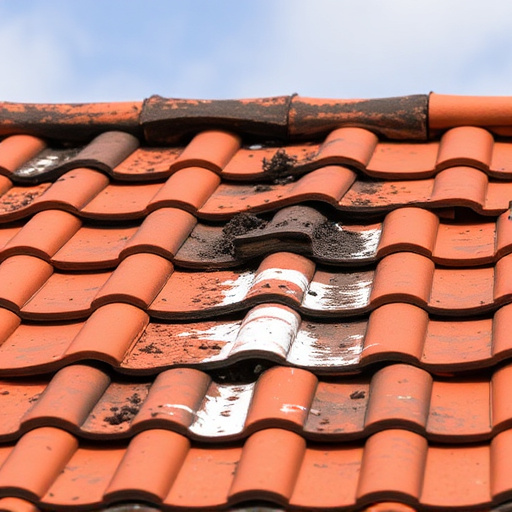
Tile roofs, with their aesthetic appeal and longevity, are a popular choice for homes in Oro Valley's desert climate. However, these structures are not invincible, and one of the primary culprits behind tile roof failure is a silent menace: tile batten rot. This deterioration of the wooden battens-the strips that support the tiles-can lead to serious damage, including tile breakage, leaks, and costly repairs. Understanding the role of tile batten rot and implementing preventive measures is crucial for homeowners and property managers.
The problem arises when moisture, often from power outages or heavy rainfall, finds its way into the tile roof system. In the desert heat, this moisture can quickly dry out, leaving behind a salt crust, known as efflorescence. This process weakens the wood, making it susceptible to fungal growth and decay. Over time, the battens can become so severely rotted that they snap, leading to tile displacement and potential breakage. This is particularly concerning in areas like Rancho Vistoso, where tile roofs are common. Homeowners should be vigilant for signs of rot, such as warped or loose battens, and address them promptly.
Regular maintenance, including inspecting for efflorescence and ensuring proper ventilation, can significantly extend the lifespan of your tile roof. Using synthetic underlayment, which acts as an extra layer of protection against moisture, is another effective strategy. A local roofing company serving Oro Valley recommends using tile clips in high-wind areas to secure the tiles and prevent them from being blown off, further protecting against damage from debris and foot traffic. By staying proactive and implementing these measures, you can help ensure your tile roof remains strong and beautiful for years to come.
Preventative Measures and Maintenance Tips for Tile Roofs
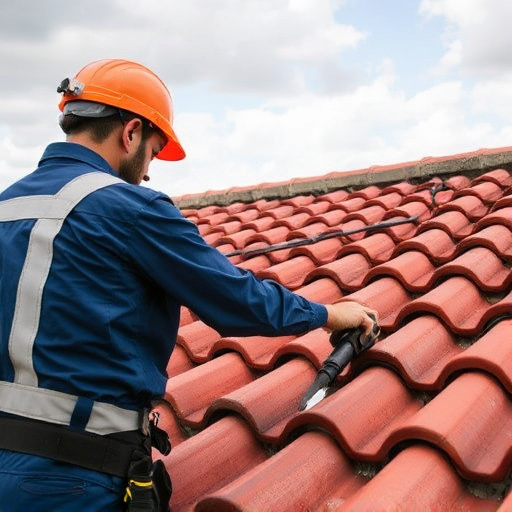
Walking on tile roofs, especially in the harsh desert climate, can lead to breakage if not done carefully. This isn't just about personal safety; it's a critical aspect of maintaining your roof's longevity and integrity. Preventative measures and regular maintenance can significantly extend the life of your tile roof.
One of the most common issues arising from foot traffic is damage to the tile battens, the wooden strips that support the tiles. S tile profiles, with their larger surface area, bear more weight and are more susceptible to breakage if battens are not properly secured. Ridge mortar, crucial for holding battens in place, needs to be both strong and flexible. A roofer with an Arizona ROC license recommends inspecting ridge mortar regularly, as it can dry out and crack, compromising the roof's stability. To prevent tile batten rot, ensure battens are sealed properly with a water-resistant coating and checked for signs of deterioration, especially in areas exposed to direct sunlight.
Regular maintenance includes cleaning, sealing, and inspecting the roof. When cleaning, use soft-bristled brushes and avoid power washing, which can dislodge tiles. Always check for efflorescence-a white powdery substance indicating salt buildup-on concrete tiles and address it promptly. Sealers protect against water damage and UV rays, but remember, they don't stop all types of damage. Heavy foot traffic can still cause tiles to break, so consider using tile clips in high wind zones to secure tiles more firmly. Maintaining proper tile headlap and nailing patterns ensures a solid, secure roof.
A well-maintained tile roof not only enhances the curb appeal of your home but also provides excellent protection against the elements. This includes advice on underlayment systems, gutters, flashing, and fire resistance, all crucial aspects of tile roof care. Remember, preventative measures are key to avoiding costly repairs; a little care can go a long way in preserving your roof's integrity.
Frequently Asked Questions About an Explainer on Walking on Tile Roofs and Why Breakage Happens
What is the best way to walk on a tile roof without damaging it?
Walking on a tile roof requires caution. Always wear appropriate footwear with good grip to minimize slipping. Avoid heavy steps or sudden movements that might dislocate tiles. When necessary, use a safety harness and rope for added protection, especially on steep roofs. For temporary access, consider using a safe, designated walk area or a platform to reduce direct contact with the tiles. Regular maintenance and inspection by a licensed roofer can also prevent damage by identifying loose or damaged tiles before they break.
Why do tile roofs break when walked on?
Tile roofs are designed to withstand heavy loads, including people. However, repeated or heavy foot traffic, especially on loose or fragile tiles, can lead to breakage. Older or low-quality tiles might be more susceptible to damage. Even the weight of a single person can cause stress points to weaken over time, leading to cracks or complete tile failure. Improper installation or inadequate underlayment can also contribute to tile roof breakage.
Can all types of tile roofs be walked on safely?
The safety of walking on a tile roof depends on several factors, including the tile type, installation quality, and underlayment. Flat tile profiles, when properly installed with a suitable underlayment, are generally safer for walking. However, specialized roofing materials and configurations designed for high-traffic areas offer better protection against breakage. Always consult a licensed roofer to assess the safety of your specific tile roof.
How can I minimize the risk of breaking tiles when walking on a roof?
To minimize tile damage, limit the time spent walking on the roof. If possible, use a safe, designated path or platform. Avoid direct contact with the tiles and maintain a slow, steady pace. Regularly inspect your roof for loose tiles or damage, addressing these issues promptly. For heavy-traffic areas, consider a more durable tile type or roofing system designed for safety.
What should I do if I accidentally break a tile on my roof?
If you break a tile, assess the damage and the safety of the roof. If the breakage is minor and doesn't compromise the roof's integrity, you might be able to replace the individual tile. However, extensive damage or loose tiles require immediate professional attention. A licensed roofer can evaluate the situation, repair or replace damaged areas, and ensure the safety of your roof.
Understanding the structure and vulnerabilities of tile roofs is crucial for homeowners and roofing professionals alike. By recognizing common causes of breakage, such as poor installation, extreme heat stress, and tile batten rot, we can proactively prevent roof failures. The article highlights the importance of regular maintenance, including thorough cleaning, re-sealing, and inspecting for damage, especially in the desert climate. Understanding the role of tile batten rot in roof deterioration offers valuable insights into the longevity of these structures.
Practical next steps include implementing the suggested preventative measures, such as using appropriate underlayments, sealing joints, and ensuring proper ventilation. Regular checks for signs of rot, particularly in hidden areas, and prompt replacement of damaged tiles or battens are essential. By adopting these strategies, homeowners can extend the life of their tile roofs and ensure their homes remain protected against the elements. This knowledge equips readers to make informed decisions, choose the right contractors, and maintain their tile roofs effectively, contributing to the longevity and beauty of their properties.
Tile Roof Care in Oro Valley: Batten Rot, Foot Traffic, and Maintenance
Walking on tile roofs in Oro Valley requires caution due to the climate and roof structure. Clay and concrete tiles are susceptible to breakage from foot traffic, especially on sloped roofs. Tile batten rot is a significant issue, exacerbated by heavy foot traffic and high temperatures, leading to tile loosehood and potential breakage. Regular inspections and maintenance, including checking underlayment, battens, and tile headlap, are crucial. Using proper underlayment, sealing, and tile clips can extend tile roof lifespan. Homeowners should consult local roofing experts for tailored advice on maintenance and prevention of costly repairs.