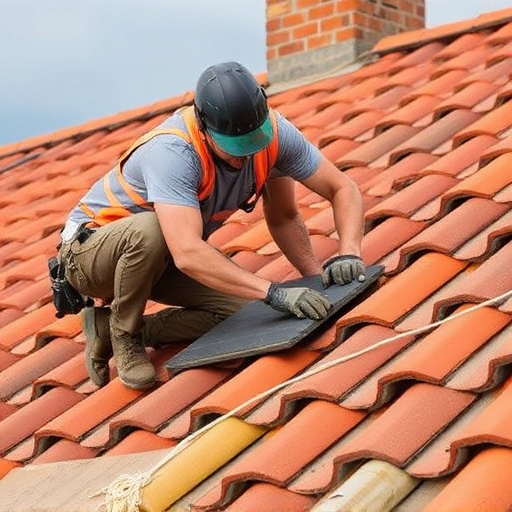
In the arid climate of Oro Valley, tile roofs are not just a design choice but a necessity. They offer superior protection against intense sun and wind, crucial factors in a region prone to extreme weather. However, selecting the right tile profile and color for these challenging conditions can be daunting. From the classic Spanish Colonial Revival to the modern Santa Fe aesthetic, understanding the nuances of tile profiles-flat vs. S-shaped-and the impact of desert heat on clay and concrete tiles is essential. This guide navigates the complexities, examining everything from efflorescence on concrete tiles and tile roof noise and wind, to underlayment lifespans and the best practices for cleaning and maintaining these durable structures. By the end, homeowners and contractors alike will be equipped to make informed decisions, ensuring these historic tile roofs stand the test of time and withstand the elements.
- Choosing Spanish & Santa Fe Tile Profiles
- Color Options for Authentic Appeal
- Managing Tile Roof Noise & Wind Resistance
- Installation Tips for Longevity & Style
Choosing Spanish & Santa Fe Tile Profiles
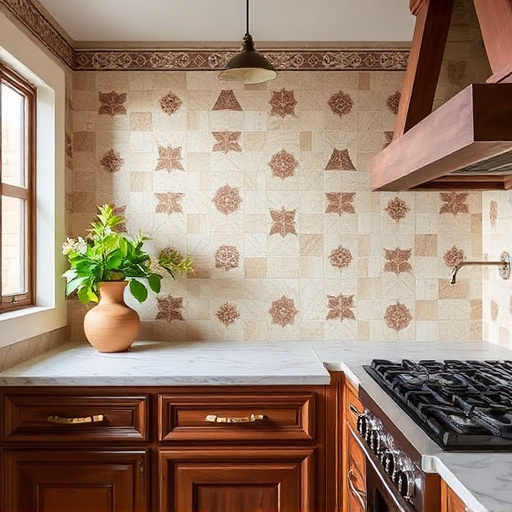
Choosing the appropriate tile profile for a Spanish or Santa Fe-style home involves balancing aesthetics with structural considerations, especially in Oro Valley's unique desert climate. While a low-profile tile may emulate the traditional Spanish mission aesthetic, higher profiles can better handle intense sunlight and wind, reducing the risk of sun faded tile colors and tile roof noise.
The two primary tile profile options are S-tile (or low-profile) and flat tile. S-tiles have a smaller, curved profile that offers less resistance to wind, making them popular in regions with stronger breezes. However, they can be more susceptible to foot traffic damage and efflorescence on concrete tiles due to their lower profile. On the other hand, flat tiles provide better protection against high winds and offer a longer lifespan for the tile roof underlayment, which is crucial in protecting against leaks and damage. Flat tiles are also easier to clean and maintain, a key consideration for homeowners.
When selecting a profile, it's essential to think about the building's design and structural integrity. For new builds or additions, a local roofing company serving Oro Valley might recommend a flat tile profile due to its durability. Battens, which are the wooden strips that support the tiles, should be secured with 30 lb felt and ridge mortar for a sturdy, leak-resistant installation. This is especially important in areas prone to high winds, where tile clips can also be used to reinforce the roof's edge metal and prevent batten rot. Remember, proper nailing patterns and headlap coverage ensure the longevity of the tile roof, protecting against debris and valley water runoff.
Color Options for Authentic Appeal

When selecting tile colors for a Spanish or Santa Fe style home, the goal is to achieve an authentic, timeless look that resonates with the region's rich history. The right shades can transform a roof into a defining feature, blending seamlessly with the surrounding architecture and landscape. Warm earth tones like terracotta, rust, and sage green are popular choices, reflecting the natural colors of the desert environment and paying homage to the region's Spanish Colonial Revival roots. These hues not only add visual appeal but also help a home stand the test of time, blending well with traditional Spanish mission tile homes.
Consider the impact of sunlight on your chosen colors. The intense desert sun can cause lighter tiles to fade, so opting for darker shades can be a prudent choice. The heat can affect the overall aesthetics of your roof, as extreme temperatures can cause tiles to expand and contract, potentially leading to noise and wind damage if not properly installed. Choosing a high-quality tile that can withstand these conditions, such as concrete tiles, is crucial. They are more resistant to heat and UV exposure compared to clay tiles, ensuring your roof maintains its beauty and integrity over time.
The underlayment matters in protecting your roof from the elements, and its selection is critical when considering color. A 30-lb felt underlayment provides an excellent barrier against water penetration, while also allowing for some movement and flexibility, reducing the risk of damage from hail-a common concern in this region. This dual-layer protection system is essential for maintaining the structural integrity of your roof, especially as extreme weather events become more frequent. A roofing contractor serving Oro Valley and Marana can guide you in choosing the right underlayment and install it properly, ensuring your tile roof is durable and long-lasting.
Proper maintenance, including regular cleaning and sealing, is also key to preserving the color and condition of your tile roof. Using safe cleaning methods and approved sealers can prevent efflorescence, a white crusting that can appear on concrete tiles, and protect against mold and mildew growth, ensuring your roof remains in top condition for years to come.
Managing Tile Roof Noise & Wind Resistance
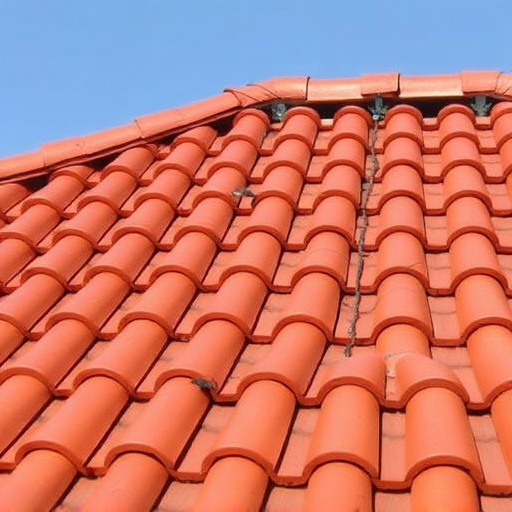
Managing tile roof noise and wind resistance is crucial for any Spanish or Santa Fe style home. In these architectural styles, tile roofs-often featuring barrel tile designs-are both visually striking and common. However, they also present unique challenges, particularly for their interaction with the harsh desert climate and environmental factors like wind and noise.
Tile roofs, especially those made from natural clay, can be susceptible to efflorescence, a white powdery substance that forms when moisture reacts with minerals in the tile. This not only affects the aesthetic appeal but can also lead to weaker tile bonds. To mitigate this, synthetic underlayments have become a popular choice among roofing contractors in the Oro Valley area, such as DC Roofing of Arizona. These underlayments provide an extra layer of protection against moisture and extreme temperatures, enhancing the tile's longevity and reducing the risk of efflorescence.
Wind resistance is another critical factor. High winds common in the region can cause damage, particularly when dealing with the heavier clay tiles. To combat this, roofing professionals employ various techniques, such as using tile clips and ensuring proper nailing patterns. A double-layer underlayment system can significantly improve wind resistance by adding an extra barrier against airborne debris. Proper flashing at side walls and valleys is essential to prevent water intrusion, which can weaken the roof structure and lead to further damage. Regular cleaning and inspection, particularly after severe storms, can help maintain the roof's integrity and ensure it stands up against the region's challenging weather conditions.
Installation Tips for Longevity & Style
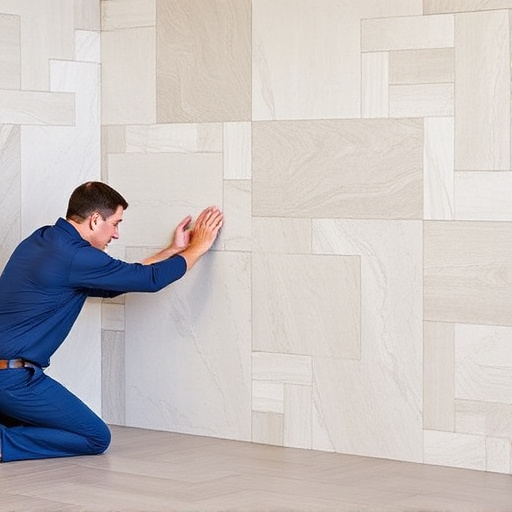
Installing a tile roof on a Spanish or Santa Fe style home requires careful consideration to ensure longevity and maintain the distinctive aesthetic appeal. When selecting materials, one crucial factor that often gets overlooked is the roof's ability to withstand the unique challenges posed by the Oro Valley climate, such as high winds and extreme temperature fluctuations. The desert heat can cause clay tiles to shrink and expand, leading to potential cracks and efflorescence-a white powdery substance that can accumulate on the tile surface. Concrete tiles, on the other hand, offer better stability due to their higher density, but they must be chosen with care to avoid excessive weight on the framing.
A robust installation strategy begins with a solid underlayment system. A two-layer approach, featuring 30 lb felt as the primary barrier against moisture and damage, provides enhanced protection. This is particularly important for mitigating the risks associated with tile roof noise and wind. Proper nailing patterns, along with the use of appropriate clips, are essential to secure tiles firmly, preventing them from shifting during high winds. Careful consideration of the roof's slope and the chosen tile profile ensures proper drainage, reducing the chances of water damage and moss growth.
For maintenance, regular inspections are key. Look for signs of efflorescence, which can be treated with specialized sealers, and address any issues with tile battens or flashing promptly. An experienced Oro Valley roof specialist recommends a thorough cleaning of the roof at least once a year, focusing on removing debris and any built-up grime that could affect the tiles' performance. By combining the right materials, meticulous installation, and regular upkeep, homeowners can ensure their Spanish or Santa Fe style home boasts a tile roof that stands the test of time while enhancing its timeless beauty.
Frequently Asked Questions About a guide to tile profiles and colors on Spanish and Santa Fe style homes
What are the defining characteristics of Spanish and Santa Fe style tile profiles? Spanish and Santa Fe style homes often feature flat tile profiles, which are known for their simplicity and elegant, low-maintenance aesthetic. These tiles are typically rectangular or square in shape and have a uniform thickness, giving them a streamlined, modern look. The flat profile allows for a seamless installation, creating a clean, continuous line across rooftops or exterior walls.
How do I choose the right tile color for my home's style? The choice of tile color should complement the overall aesthetic of your Spanish or Santa Fe style home. Earthy tones like terra cotta, burnt orange, and deep browns are popular, reflecting the region's natural landscape. Neutral colors such as gray and beige offer versatility and timelessness. Consider the home's surroundings, including the color of the walls, doors, and nearby plants, to create a cohesive and visually appealing design.
Are there any specific tile patterns recommended for these styles? While Spanish and Santa Fe styles tend to favor simplicity, subtle patterns can add visual interest. You might consider rectangular or diagonal patterns, or even a more modern geometric design. The key is to keep the patterns complementary to the home's overall style, ensuring they don't overpower the architectural details. A local roofing contractor or tile specialist can offer tailored advice based on your home's unique features.
What are the benefits of flat tile profiles for these homes? Flat tile profiles offer several advantages for Spanish and Santa Fe style homes. They are easy to install and maintain, making them a practical choice. The flat surface also helps in water runoff, reducing the risk of water damage. Their sleek design enhances the home's curb appeal, showcasing the architectural beauty of the style.
Can I use outdoor tiles indoors in these styles? Absolutely. Many Spanish and Santa Fe style homes feature tile work both indoors and outdoors. Outdoor tiles, designed to withstand various weather conditions, can be used for interior flooring, backsplashes, or even as a decorative accent wall. Look for tiles with suitable ratings for indoor use, ensuring they match the home's overall aesthetic and provide the desired functionality.
Choosing the right tile profile and colors for a Spanish or Santa Fe-style home involves balancing aesthetics with functionality, especially when considering the unique challenges of the local climate and landscape. By understanding the differences between S-tile and flat tile profiles, and the advantages of concrete over clay in desert heat, homeowners can make informed decisions. Authentic appeal comes from a thoughtful palette of colors that resist sun fading, and proper installation techniques to mitigate issues like efflorescence on concrete tiles and foot traffic damage.
Installation best practices, including mortar set versus dry ridge methods and two-layer underlayment systems, ensure longevity and protect against tile roof noise and wind resistance. Understanding the weight of the roof on framing, managing tile roof valleys and debris, and proper guttering are crucial for maintaining a healthy structure.
Practical next steps include consulting local experts, like those at DC Roofing of Arizona, to tailor these principles to specific needs. Regular tile roof care checklists, including safe cleaning methods and considering tile roof sealers, can extend the lifespan of these beautiful yet durable roofing systems, enhancing the home's value and ensuring its resilience against the elements, including tile roof noise and wind.
Tile Profiles and Colors for Spanish/Santa Fe Homes:
Choose flat tiles for better wind resistance, longer underlayment life, and easier maintenance in Oro Valley's desert climate. S-tiles, while aesthetically pleasing, are more susceptible to damage and efflorescence.
Tile Roof Color Selection:
- Opt for warm earth tones like terracotta, rust, or sage green for a timeless, Spanish Colonial Revival look.
- Lighter tiles may fade, so consider darker shades for long-lasting color.
- Concrete tiles are durable and resistant to heat and UV exposure.
Protection Against Wind and Noise:
- Use 30 lb felt underlayment for better water resistance and wind protection.
- Implement a double-layer underlayment for added wind resistance.
- Proper nailing patterns and tile clips reinforce the roof edge and prevent batten rot.
- Regular cleaning and sealing prevent efflorescence and mold growth.