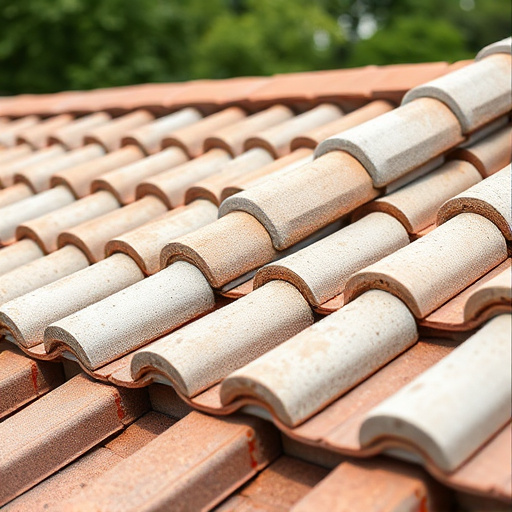
Tile roofs are a popular choice for homes in flat tile profiles, like those in the Oro Valley area, due to their durability and aesthetic appeal. However, one significant challenge with tile roofs is damage caused by foot traffic, a problem often overlooked by homeowners. Walking on tile roofs can lead to broken tiles, cracks, and other structural issues, creating a safety hazard and potentially costly repairs. This article examines the mechanics of tile roof foot traffic damage, exploring why it happens, how to prevent it, and the best practices for maintaining these valuable roofs. By understanding these factors, homeowners and local roofing contractors can work together to ensure the longevity of these structures.
- Understanding Tile Roof Structure & Weak Points
- Causes of Damage: Foot Traffic & Beyond
- Recognizing Signs of Tile Roof Wear & Tear
- Preventative Measures & Safe Walking Practices
Understanding Tile Roof Structure & Weak Points
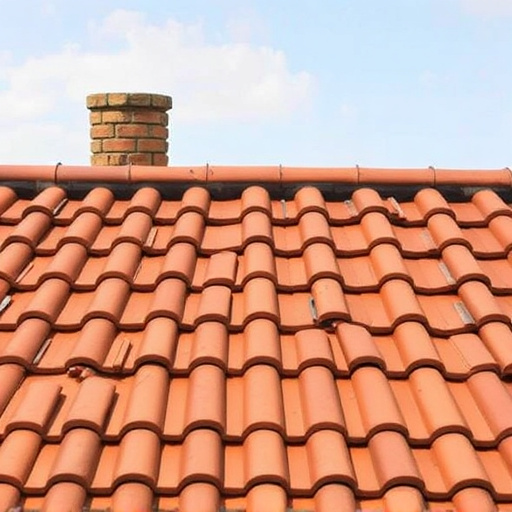
Understanding the structure of a tile roof is crucial when considering its longevity and vulnerability to damage, particularly from foot traffic. A typical tile roof consists of several key components, each playing a vital role in its overall performance. Clay tiles, for instance, are the visible, decorative element, offering aesthetic appeal and protection from the elements. Underneath, a system of battens (wooden or metal strips) is fastened to the roof deck, providing a solid base for the tiles. These battens are crucial, as they support the weight of the tiles and underlayment, distributing the load evenly.
However, the foot traffic on a tile roof can be a significant source of damage, especially in areas with heavy use, such as around chimneys or on rooftops with access points. Unlike a paved surface, tile roofs offer no give or cushioning, so even moderate foot traffic can cause stress points. This is particularly true for Spanish Colonial Revival homes, known for their distinctive tile roofs. Over time, heavy foot traffic can lead to broken or loose tiles, exposing the underlayment and battens to the elements, which can accelerate rot and compromise the roof's structural integrity.
Regular maintenance, including inspections and repairs, can prevent or mitigate tile roof foot traffic damage. This includes ensuring proper nailing patterns for tiles, adequate headlap (the overlapping portion of tiles), and the use of suitable underlayment. Two-layer underlayment systems, for example, provide extra protection against water intrusion and offer a secondary layer of protection against foot traffic. An experienced Oro Valley roof specialist recommends regular cleaning to remove dirt and debris that can contribute to tile and batten wear and tear.
Causes of Damage: Foot Traffic & Beyond

Walking on tile roofs is a common issue, especially in areas like Oro Valley where tile roofs are prevalent. While tile roofs offer excellent durability and aesthetic appeal, they are not designed to withstand constant heavy foot traffic, particularly when not properly maintained. This can lead to a significant type of damage known as tile roof foot traffic damage.
Clay and concrete tile roofs, both popular in the region, are susceptible to breakage from excessive weight and pressure. Walking on a tile roof without proper safety measures or equipment can cause tiles to shift, leading to cracks or even complete dislodgement. Tile clips, designed to secure tiles and battens, play a crucial role in preventing such damage. In high-wind conditions, these clips become even more vital, as they help to keep tiles in place, resisting the force of wind and debris.
Regular maintenance, including inspecting for loose tiles and ensuring proper nailing patterns and headlap coverage, is essential. A roofing contractor serving Oro Valley and Marana recommends checking for signs of efflorescence on concrete tiles, which can indicate underlying issues like poor mortar set or water penetration. Understanding the weight load a roof can bear, considering both the tiles and underlayment, is key to preventing structural damage. Proper underlayment systems, often a two-layer system, provide an extra layer of protection against foot traffic and environmental elements.
Preventative measures, such as clear communication with homeowners' associations (HOAs) and local building departments about safe access and maintenance protocols, can significantly reduce the risk of tile roof foot traffic damage. Regular cleaning, sealing, and repainting, especially around skylights and valleys, further protect the roof's integrity. By following these guidelines, homeowners and property managers can ensure their tile roofs remain in top condition, avoiding costly repairs and preserving the historic charm of Spanish Colonial Revival and Spanish mission tile homes.
Recognizing Signs of Tile Roof Wear & Tear
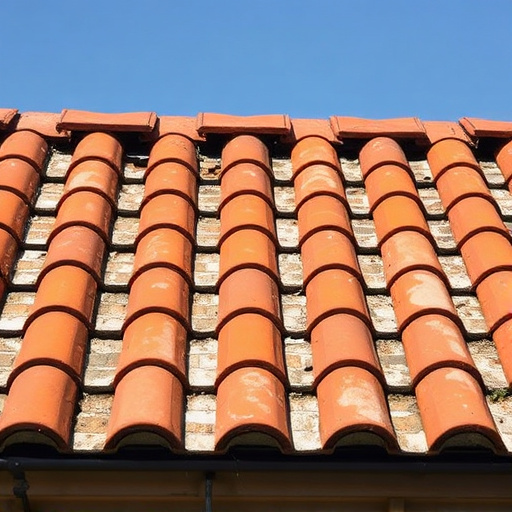
Walking on tile roofs, especially in the harsh conditions of a desert climate, can lead to noticeable wear and tear over time, including damage from foot traffic. Recognizing these signs is crucial for maintaining the integrity and longevity of your roof. One of the most common issues is tile breakage, which can be caused by several factors, including heavy foot traffic, especially in areas with high pedestrian activity or frequent use, such as entryways or balconies. Even a single broken tile can weaken the overall structure, leading to further damage and potential safety hazards.
Regular inspection is key to catching these issues early. Look for loose tiles, cracks, or chips in the tile surface. In the Oro Valley area, where monsoon winds can be fierce, these elements can accelerate tile wear. Barrel tile, a popular choice for its aesthetic appeal, is more susceptible to breakage when exposed to intense winds and varying temperature changes. A roofer with an Arizona ROC license recommends checking for signs of efflorescence on concrete tiles, which can indicate moisture issues and, ultimately, structural compromise. The underlayment, a crucial layer between the tiles and the roof deck, should be examined for any signs of damage or degradation, as it matters in protecting against water intrusion and tile movement.
To mitigate tile roof foot traffic damage, consider implementing the following measures: using a 30 lb felt underlayment, which provides extra protection against wear and tear; ensuring proper nailing patterns and headlap coverage to minimize tile movement; and for added security, employing tile clips in areas prone to high winds. Maintaining regular cleaning routines and applying approved tile sealers can significantly enhance the roof's resistance to fading, pest entry, and other environmental factors. By addressing these issues proactively, homeowners can extend the lifespan of their tile roofs and avoid costly repairs.
Preventative Measures & Safe Walking Practices

Walking on tile roofs, especially in the harsh desert climate, presents unique challenges that can lead to damage, particularly for tile roof foot traffic damage. While tile roofs are renowned for their durability and aesthetic appeal, they are sensitive to heavy foot traffic, especially if not properly maintained. This is particularly true for older roofs or those with weak underlayments.
Preventative measures are crucial for preserving the integrity of a tile roof. Homeowners and contractors should consider the type of tile used. Barrel tile, a popular choice for its traditional Santa Fe style homes, requires careful handling. Walking on these tiles without proper precautions can lead to breakage, particularly at the edges. Using tile clips to secure the tiles can mitigate this risk, especially during construction or maintenance. Ensuring a robust underlayment system, such as a two-layer system, provides an extra layer of protection against foot traffic and weight distribution.
Regular maintenance matters in preventing tile roof foot traffic damage. Inspecting the roof for loose tiles, efflorescence (a white powdery substance that can weaken the tile), and signs of pest activity is essential. Addressing these issues promptly can save significant costs down the line. Cleaning the roof safely, using appropriate methods and materials, is also crucial. A roofer with an Arizona ROC license might recommend specific cleaning solutions and techniques to avoid damaging the tile and underlayment.
Another effective strategy is to minimize foot traffic on the roof as much as possible. Installing bird stops along the edges and valleys can help restrict access to certain areas, reducing the impact of footfall. For properties with frequent visitors or construction sites, considering temporary or modular access solutions can significantly lower the risk of tile roof foot traffic damage. Remember, proper care and respect for the roof's structure are paramount to ensuring its longevity, especially in challenging desert conditions.
Frequently Asked Questions About an explainer on walking on tile roofs and why breakage happens
What is the best way to walk on a tile roof to avoid breakage?
While it may seem counterintuitive, the best way to walk on a tile roof is to avoid stepping directly on the tiles. Instead, use designated walkways or metal grating, if available. If direct contact is necessary, spread your weight evenly, wear appropriate footwear with good traction, and avoid sudden movements that could dislodge or break the tiles. Regular maintenance, including cleaning and inspecting the roof for weak or damaged tiles, can also prevent breakage.
Why do tile roofs break under pressure?
Tile roofs, especially flat tile profiles, are designed to withstand significant weight, but excessive pressure or improper weight distribution can lead to breakage. This includes the weight of people walking on them, heavy rain or snow, or even strong winds. Factors like age, material quality, installation errors, and lack of proper maintenance can also contribute to tile fragility and breakage.
What types of footwear are best for walking on tile roofs?
For safety, wear sturdy, flat-soled shoes with good grip. Avoid high heels, flip flops, or shoes with smooth soles, as these can cause slipping and damage to the tiles. Work boots designed for outdoor construction work are ideal, providing both stability and traction.
How often should tile roofs be inspected for damage?
Tile roofs should be inspected at least twice a year, especially in areas prone to extreme weather conditions. Regular inspections can identify weak or loose tiles before they break, preventing potential safety hazards and costly repairs.
Can tile roofs be repaired if they break?
Yes, broken tiles can usually be repaired. The extent of the repair depends on the severity of the damage. Small cracks or chips can be repaired with tile cement, while larger breaks may require replacing the entire tile. A licensed Oro Valley area roofing contractor, like DC Roofing of Arizona, can assess and perform the necessary repairs.
What are some signs that a tile roof needs replacement?
Beyond broken tiles, other signs of roof wear and tear include missing tiles, excessive moss or algae growth, rusted flashing, or evidence of water damage. If you notice any of these issues, consult a roofing specialist for an evaluation.
As we've explored the intricacies of tile roof care and construction, it's clear that understanding both the structure and potential weak points is crucial for preservation and safety. We've seen that tile roofs, while durable, are susceptible to damage from foot traffic, especially in areas with high pedestrian activity or heavy equipment use. Recognizing signs of wear and tear, such as cracked or loose tiles, efflorescence buildup, and mold growth, is key to early intervention.
Preventative measures are the cornerstone of tile roof longevity. Regular inspections, proper maintenance practices, and safe walking protocols can significantly reduce the risk of tile roof foot traffic damage. Utilizing two-layer underlayment systems, ensuring adequate headlap and coverage, and securing tiles with the right nailing patterns are proven strategies. Storing spare tiles, addressing pest entry points, and maintaining clear gutters are essential for maintaining the roof's integrity.
For homeowners and professionals alike, these insights translate into practical, cost-effective, and safe tile roof care. By adopting these strategies, you're not just prolonging the life of the roof, but also ensuring the safety of those who walk upon it, as well as the overall aesthetic appeal of your Oro Valley property. The local building department, roofing contractors, and home owners' associations (HOAs) all emphasize the importance of proper tile roof care, making this a critical component of any property maintenance plan.
Walking on tile roofs can cause damage, especially in areas with heavy foot traffic. Key components include clay tiles for aesthetics and battens for support. Regular maintenance, like inspecting for loose tiles and proper nailing patterns, prevents issues. Two-layer underlayment systems offer extra protection. Preventative measures like tile clips and minimizing foot traffic reduce tile roof foot traffic damage. Regular cleaning and sealing protect against environmental factors. Proper care ensures tile roofs' longevity in harsh climates.