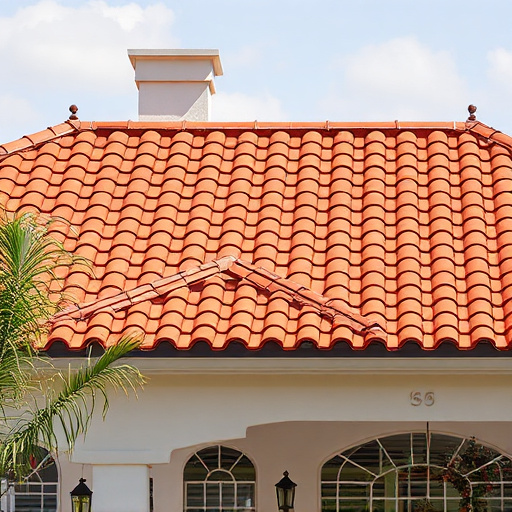
In the arid climate of flat tile profiles, the longevity of your roof is not just measured in the durability of the tiles themselves, but also in the performance of their crucial underpinnings-the underlayment. A common dilemma arises when tile underlayment shows signs of wear before the tiles do, leading to costly repairs and potential damage. This is particularly evident in areas around skylights, where underlayment is exposed to intense sunlight and varying temperature fluctuations. Understanding why this happens is the first step towards addressing the issue. This article examines the factors contributing to underlayment degradation and offers insights into best practices for maintaining a robust, long-lasting roof system.
- Understanding Tile Underlayment: Its Role and Limitations
- Common Causes of Precoce Underlayment Failure
- Factors Accelerating Wear Around Skylights
- Longevity: Comparing Tile and Underlayment Lifespans
Understanding Tile Underlayment: Its Role and Limitations
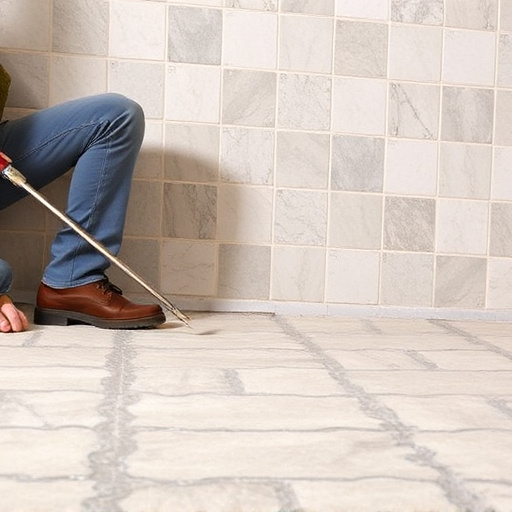
Tile roofs, particularly in the arid climate of Oro Valley, are renowned for their longevity and aesthetic appeal. Yet, beneath the surface lies a crucial component often overlooked: tile underlayment. This layer, installed between the roof tiles and the decking, serves as a protective barrier, safeguarding against moisture, pests, and extreme weather. However, understanding its role and limitations is essential for homeowners. Over time, tile underlayment may degrade, necessitating replacement even as the tiles remain intact-a scenario not uncommon in the Catalina Foothills' challenging environment.
The primary function of underlayment is to provide a secondary defense against water intrusion, preventing water from seeping through gaps between tiles and into the decking. While synthetic underlayments offer flexibility and ease of installation, they are not indestructible. In Oro Valley, where intense sunlight and fluctuating temperatures are the norm, synthetic underlayments can weaken over time, losing their flexibility and effectiveness. This is especially problematic in areas around skylights, where underlayment is often more exposed to the elements.
A roofing contractor serving Oro Valley and Marana often encounters underlayment failure, with common issues including torn or crumbled underlayment, mold growth, and pest infestation. Tile clips, used to secure underlayment, can become loose due to extreme temperatures, allowing underlayment to shift and tear. To mitigate these problems, homeowners should choose a high-quality synthetic underlayment and ensure proper installation. Regular maintenance, including inspecting underlayment for damage or signs of wear, is also crucial. Replacing tile underlayment before it fails is key to preserving the integrity of a tile roof, ensuring its longevity and protecting the investment.
Common Causes of Precoce Underlayment Failure
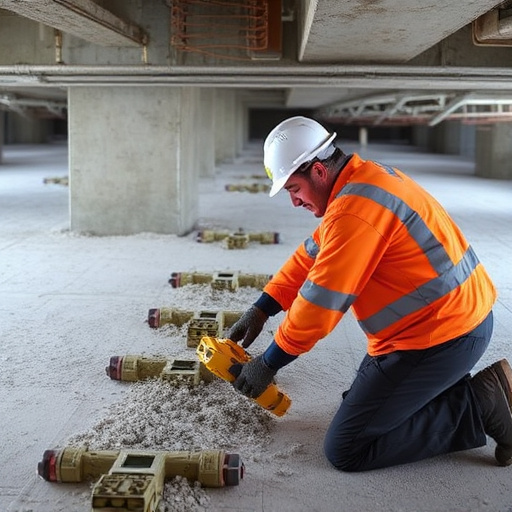
Tile underlayment-the protective barrier between your roof deck and the tiles-can often outlast the tiles themselves. However, several factors can contribute to its premature failure. Understanding these causes is crucial for homeowners, especially those in Oro Valley with Spanish Colonial Revival architecture featuring clay or flat tile roofs, including those with tile around skylights.
One of the primary culprits is water intrusion. Despite proper installation, seams and joints can develop cracks or open up over time, allowing moisture to seep through. This is particularly problematic in desert environments like ours, where extreme heat can accelerate the deterioration of materials. Clay tile, for instance, is susceptible to sun fading and efflorescence-a white powdery substance that can appear on the surface of concrete tiles and weaken their structure. Once water gets behind the tiles, it can saturate the underlayment, leading to mold, mildew, and rot, especially in areas with high foot traffic or debris buildup in valleys.
Another common issue is improper installation or materials. Using an inadequate mortar mix or failing to follow manufacturer guidelines for nailing patterns can compromise the underlayment's integrity. Two-layer underlayment systems, while offering enhanced protection, require precise installation to prevent blisters and bubbles that can trap moisture. An experienced Oro Valley roof specialist will understand these nuances and ensure the underlayment is installed correctly, using the appropriate materials for the local climate and conditions, including around skylights.
Lastly, environmental factors such as wind, pests, and temperature fluctuations can take a toll. High winds can dislodge tile clips, while pests like squirrels or birds can chew on the underlayment or tiles, creating entry points for water. Extreme temperature changes, common in desert climates, can cause the underlayment to expand and contract, leading to peeling or cracking. Regular inspections and maintenance, including cleaning tile roofs safely and sealing them properly, can mitigate these issues. Storing spare roof tiles and ensuring proper nailing patterns can also extend the lifespan of your tile underlayment, ensuring your Spanish Colonial home's roof remains robust and secure.
Factors Accelerating Wear Around Skylights
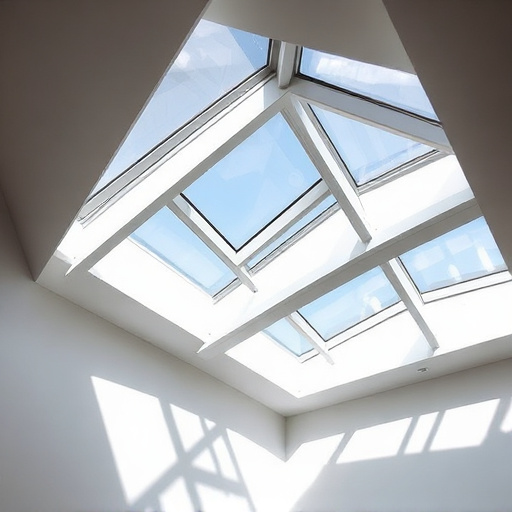
Tile roofs, while renowned for their durability, are not invincible. Even the most meticulously installed tile roof will experience wear and tear over time, and one of the most common areas of concern is around skylights. This isn't due to a failure in the tile itself, but rather the underlayment-the protective layer beneath the tiles that helps prevent water damage and provides a stable base.
Skylights pose unique challenges for tile roofs. The area around them is often exposed to more intense sunlight and varying temperature fluctuations. These extreme conditions can accelerate the natural aging process of the underlayment. Skylights are more susceptible to damage from foot traffic and debris, as they're typically located at the peak of the roof. Unlike traditional flat areas, the peak is a high-wear zone, especially when navigating up and down to access the skylight.
Two-layer underlayment systems can offer enhanced protection in these areas. By providing an extra layer of defense, they can extend the lifespan of the underlayment and, by extension, the roof. However, it's not just about the number of layers. Proper installation is paramount. Flat tile profiles, for instance, require specific nailing patterns and tile clips to ensure a secure fit, preventing movement that can cause the underlayment to tear. A roofer with an Arizona ROC license can provide expert guidance on the best underlayment options and installation techniques for your Oro Valley home, taking into account factors like climate, roof pitch, and local building codes.
Over time, the underlayment around skylights may show signs of wear, such as cracks, tears, or discoloration. These issues can lead to water intrusion and other problems. Regular inspection is crucial. Homeowners should look for any signs of damage or moisture buildup and address them promptly. Cleaning tile roofs safely, using the right tools and techniques, can also help prolong the life of the underlayment by preventing debris buildup and allowing for better air circulation. By staying vigilant and implementing the right strategies, homeowners can ensure their tile roofs around skylights remain in top condition for years to come.
Longevity: Comparing Tile and Underlayment Lifespans
The longevity of a tile roof isn't just measured by the lifespan of the clay or concrete tiles-it's also heavily influenced by the durability of its underlayment. While tiles are designed to withstand harsh desert conditions and even occasional hail, the underlayment, which is the protective layer beneath the tiles, is subject to different challenges. Consider this: while a well-maintained tile roof can easily last 50 years or more, its underlayment may require replacement after 20 years, especially in areas prone to heavy foot traffic or extreme weather like hailstorms.
The primary culprit behind this disparity is moisture. Despite the protective barrier of tile, water can still infiltrate and cause damage. Especially in areas around skylights, where there's often less coverage, water can pool and seep through, leading to efflorescence on the concrete tiles and even mold growth beneath the roof. Synthetic underlayment, while cheaper than traditional 30 lb felt, isn't as effective at repelling water, making it more susceptible to damage. A roofer with an Arizona ROC license will often recommend a two-layer underlayment system for increased protection, especially in areas subject to high winds and potential pest entry points.
Regular inspection and maintenance are crucial. Homeowners should check for signs of damage like missing or torn underlayment, exposed nails, or excessive foot traffic wear. Repairs, such as replacing missing underlayment or re-nailing loose tiles, can extend the life of the entire roof. A local roofing contractor in Oro Valley has reported that proper maintenance and timely repairs can add 10-15 years to the life of a tile roof, significantly reducing the need for costly replacements. Using high-quality tile clips in areas prone to high winds and storing spare roof tiles in a dry, protected location can further safeguard the underlayment and tiles.
Frequently Asked Questions About an explainer on why tile underlayment wears out before the tile does
What is tile underlayment, and why is it important?
Tile underlayment is a layer of material, often made of foam, rubber, or synthetic fibers, placed between the tile and the substrate (the surface it's being installed on). Its primary function is to provide insulation, moisture protection, and a level surface for the tile, ensuring the tile's longevity. However, despite its protective role, the underlayment often shows signs of wear before the tile itself does. This is due to several factors, including its exposure to constant moisture, foot traffic, and the natural aging process.
Why does the underlayment wear out faster than the tile?
The primary reason is the underlayment's material composition. While designed to be waterproof, these materials aren't indestructible. Prolonged exposure to moisture, especially in humid climates like Oro Valley's, can lead to mold, mildew, and degradation. Foot traffic, especially heavy use, can also accelerate wear, as the constant pressure increases friction and tear-like actions on the underlayment.
Can I just replace the tile if the underlayment is damaged?
Replacing only the tile might not be a sustainable solution. If the underlayment is damaged, it weakens the entire tile setup, making the tile more susceptible to breakage and uneven wear. A better approach is to remove the tile and underlayment, address the underlying issues (like moisture problems or structural weaknesses), and then reinstall both to ensure a solid, long-lasting foundation.
Are there signs I should replace the underlayment?
Absolutely. Keep an eye out for these indicators: visible cracks or bulges in the underlayment, mold or mildew growth, or uneven tile surfaces. If you notice any of these, it's likely time to replace the underlayment. Remember, a solid underlayment is crucial for the overall health and appearance of your tiled surfaces.
How long should a tile underlayment last?
With proper installation and maintenance, a tile underlayment can last 10-20 years, though this can vary based on factors like material quality, installation, and environmental conditions. Regular inspection and upkeep, including sealing and protecting the underlayment from moisture, can extend its lifespan.
Who should I contact for underlayment replacement or tile work?
For professional and reliable service, contact a licensed Oro Valley area roofing contractor like DC Roofing of Arizona. They have the expertise and experience to handle tile underlayment issues, ensuring your home's investment is protected.
Understanding the role and limitations of tile underlayment is crucial for prolonging the lifespan of your roof. The article has explain several key insights: tile underlayment, despite its protective function, often wears out before the tiles themselves due to various factors. Common causes include poor installation, extreme weather conditions, and accelerated wear around skylights. By recognizing these issues, homeowners and contractors can take proactive measures. Regular inspections, high-quality underlayment materials, and proper installation techniques are essential. When replacing underlayment, consider the unique challenges posed by skylights, as these areas tend to be more susceptible to damage. Understanding the longevity of tile compared to underlayment can guide long-term maintenance plans. By prioritizing these factors, you can ensure your tile roof remains in top condition for years to come, protecting your Oro Valley home from the elements and enhancing its aesthetic appeal.
Tile Underlayment: Protecting Oro Valley Homes' Roofs
Tile underlayment, crucial for tile roofs' longevity, requires attention. In Oro Valley's arid climate, it may degrade faster, needing replacement even when tiles remain intact. Common issues include torn underlayment, mold, and pest damage, especially around skylights. High-quality synthetic underlayment, proper installation, and regular maintenance are key. Replacing underlayment before failure ensures the tile roof's integrity, protecting investments.