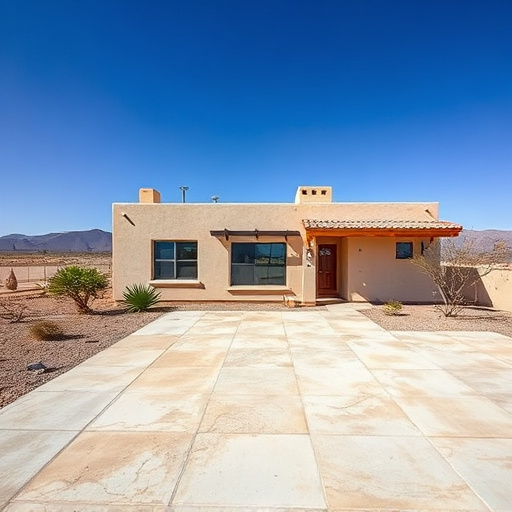
Tile roofs are a popular choice for homeowners in flat tile profiles like our region, offering durability and aesthetic appeal. However, as with any roofing system, they require regular care and maintenance. This comprehensive checklist equips homeowners to spot potential tile roof problems from the ground, especially when dealing with tile roofs on additions. By understanding common issues like sun-faded tile colors, efflorescence on concrete tiles, and damage from foot traffic, you can take proactive measures. This article guides you through the essential aspects of tile roof care, from installation to maintenance, ensuring your roof remains a reliable and attractive part of your home.
- Inspecting Key Areas for Tile Roof Issues
- Common Signs of Wear and Tear on Tile Roofs
- Tile Roof Problems: From Gutter Clogs to Structure Damage
- When to Call a Professional for Tile Roof Repairs
Inspecting Key Areas for Tile Roof Issues
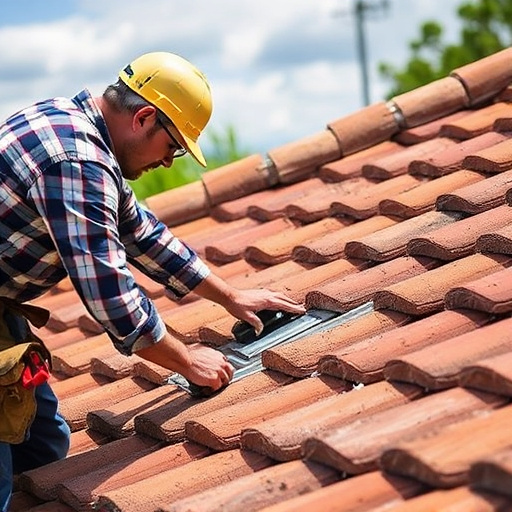
When inspecting your tile roof from the ground, focus on key areas that often signal problems. In the Catalina Foothills, where many homes feature clay tile roofs, such as those on additions, visual cues can indicate underlying issues. Start by examining the headlap, the portion of each tile that overlaps the one below it. Look for uneven or missing headlap, which could be a sign of wind damage or poor installation. High winds in Oro Valley can cause tile clips to fail, exposing the headlap and increasing the risk of leaks.
Next, check for discoloration in the tile. Sun faded colors or efflorescence (a white, powdery substance) on concrete tiles can point to age or water damage. Both issues are common in the intense desert heat. If you notice these, consult a local roofing contractor serving Oro Valley for a professional assessment, as they may recommend sealing or replacing affected tiles. Also, look for cracks or chips in the tile itself, which can be signs of physical damage or wear and tear.
Pay close attention to the valleys and ridge lines of your roof. Debris buildup in valleys can cause water retention and leaks, while poor ridge line installation can lead to problems with the underlayment. The underlayment is crucial for protecting the roof from moisture and providing a secondary barrier against leaks. Inspect for signs of aging, tearing, or curling, and ensure mortar sets correctly at ridge lines. A local roofing company serving Oro Valley can provide guidance on the lifespan of underlayment and when it might need replacing.
Common Signs of Wear and Tear on Tile Roofs
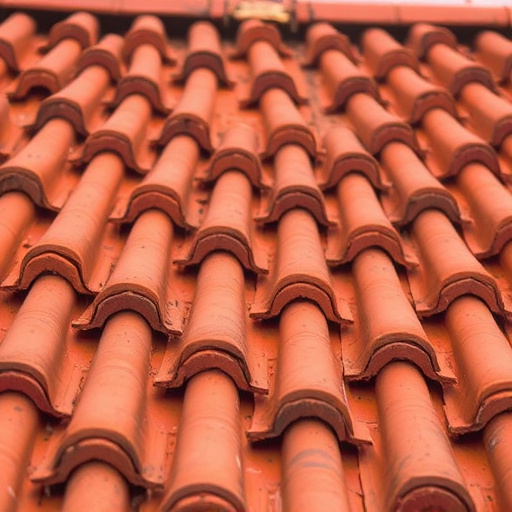
As a homeowner, keeping an eye on your tile roof from the ground can help you spot potential problems early on. This is especially crucial when you have a tile roof on an addition, as these structures often face unique challenges. Here are some common signs of wear and tear that indicate your tile roof may need attention:
One of the most visible issues is efflorescence, a white, powdery substance that can appear on the surface of concrete tiles. This is typically caused by a buildup of lime and other minerals, often accelerated by moisture and heat. While efflorescence is generally harmless, it can weaken the tile's surface over time. Regular inspections can help you address this issue early, possibly by cleaning or re-grouting. Another problem to look out for is damage from foot traffic. Tile roofs on additions may bear more weight and experience more foot traffic, leading to cracks or chips in the tiles. If you notice uneven or loose tiles, it's best to consult a roofer with an Arizona ROC license for a thorough assessment.
Two-layer underlayment systems, a common feature in tile roof installations, can also degrade over time. The underlayment acts as a secondary barrier against moisture, and its lifespan directly impacts the overall durability of your roof. As the underlayment ages, it may become vulnerable to tears or separation from the sheathing, creating entry points for water and pests. Regular checks for signs of damage or degradation can help extend the lifespan of your underlayment.
Barrel tile roofs, with their unique shape and style, require extra attention. The curved nature of the tiles can trap debris and cause valleys to form, leading to potential water damage. Inspecting the roof for blockages and ensuring proper cleaning and maintenance is crucial. Keep an eye out for signs of rot in the tile battens, which can compromise the structural integrity of your roof. Regular maintenance, including re-nailing and replacement, will help maintain the integrity of your barrel tile roof.
Tile Roof Problems: From Gutter Clogs to Structure Damage
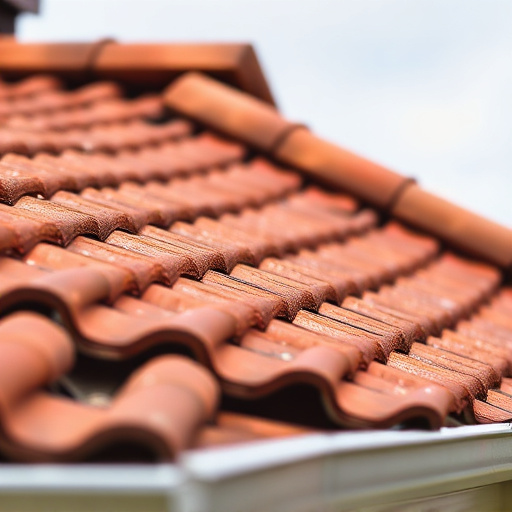
Homeowners often overlook potential issues with their tile roofs until significant damage occurs. Regular inspections from the ground can help catch problems early, preventing costly repairs and ensuring your roof's longevity, especially when considering tile roofs on additions. Keep an eye out for these common tile roof problems that may require professional attention from a local roofing company serving Oro Valley:
Gutter clogs are a frequent issue, often caused by fallen tree branches or bird nests. Clogged gutters can lead to water damage, as rainwater overflows and seeps into the roof structure. Regularly inspect your gutters for debris and ensure proper cleaning to prevent this. Another visible concern is UV exposure, which can cause tile discoloration and brittleness over time. Notice any sun-faded tiles or areas with darker, more weathered appearances. While some UV-resistant tiles are designed to mitigate this, regular cleaning and sealing can also help maintain the roof's aesthetic appeal.
The dry ridge system, a critical component of tile roofs, should be checked for any signs of damage or wear. This system prevents moisture from entering the roof cavity, and its integrity is vital for the roof's overall health. Look for missing or loose ridge caps, which can allow water intrusion. Inspect for bird stops, small pieces of metal or plastic that prevent birds from nesting in the ridge line. Over time, these can become damaged or dislodged, creating entry points for pests and water.
One potential but often overlooked problem is structural damage caused by foot traffic or debris accumulation on the roof. Regularly assess the condition of your roof's underlayment and look for any signs of wear or tears. A two-layer underlayment system, for instance, should be checked to ensure both layers remain intact. Tile batten rot, a result of prolonged moisture exposure, can weaken the roof structure. Keeping an eye out for these issues can help ensure your tile roof's durability, especially when considering the challenges posed by desert heat and varying weather conditions.
When to Call a Professional for Tile Roof Repairs

As a homeowner, it's crucial to know when to call in the professionals for your tile roof. While regular inspections and maintenance can help catch minor issues early, some problems require the expertise of a seasoned roofing contractor, especially when dealing with tile roofs on additions or older homes in the Catalina Foothills. Here's a guide to help you identify when professional tile roof repairs are necessary, ensuring your home stays protected.
One of the first signs that suggest professional intervention is the presence of damaged or rotten battens. Battens, the wooden strips that support the tiles, can deteriorate over time due to exposure to the elements and age. If you notice any warping, splitting, or significant rot, it's time to consult a local roofing company serving Oro Valley. Similarly, tile clips, which secure the tiles to the battens, can become loose or rusted, leading to tiles that are no longer properly fastened. This can result in tile roof foot traffic damage, especially in high-traffic areas, and could pose a safety hazard.
Another critical aspect to watch for is efflorescence on concrete tiles. This white, powdery substance can appear on concrete tile surfaces when moisture is present, causing an unsightly and potentially structural issue. If the efflorescence is extensive or accompanied by mold or mildew, it's a strong indicator that professional cleaning or even replacement may be necessary. If your tile roof is showing signs of age, such as missing or cracked tiles, or if you notice water pooling or leaks during heavy rains, these are clear signals that a professional assessment is in order. A tile roof over a newly added structure might require a two-layer underlayment system to ensure proper protection and weight distribution, a detail that an experienced Oro Valley roof specialist can help you navigate.
In cases where your tile roof is not draining properly, leading to water damage and potential roof rot, a professional can inspect for issues like blocked valleys and debris buildup. They can also recommend the best tile roof sealers, taking into account the unique challenges of desert heat and sun faded tile colors, to ensure your roof is protected. Remember, regular maintenance is key, and keeping an eye out for these issues can help extend the lifespan of your tile roof, saving you time and money in the long run.
Frequently Asked Questions About a Homeowner Checklist for Spotting Tile Roof Problems from the Ground
What should I look for when inspecting my tile roof from the ground?
When examining your tile roof from the ground, look for loose, missing, or curled tiles. Check for damaged or corroded flashing, particularly around chimneys and vents. Also, observe any signs of water stains, mold, or growth on the roof's surface. Keep an eye out for cracks or gaps in the tile grout, as these could indicate underlying structural issues. Finally, take note of any unusual noises during your inspection, which might suggest weak or loose components.
How often should I perform a visual tile roof inspection?
It's recommended to conduct a visual inspection of your tile roof at least once a year, preferably during the spring or fall. Regular checks allow you to identify minor issues early on, preventing them from escalating and causing more extensive and costly damage. This seasonal examination is crucial for maintaining the roof's integrity and ensuring its longevity.
Can I identify major tile roof problems without professional help?
While a basic visual inspection is within the capabilities of most homeowners, complex issues often require professional expertise. Major problems like structural damage, significant tile damage, or faulty underlayment issues are best left to licensed roofers. They possess the training and tools to accurately diagnose and safely resolve these issues, ensuring your home's protection.
What tools do I need to inspect my tile roof safely?
For a ground-level inspection, you'll need a pair of binoculars or a ladder (if you feel comfortable using one). These tools enhance your visibility, allowing you to examine the roof's condition closely. A camera with a telephoto lens can also be useful for capturing detailed images of problem areas, which you can later share with a roofing professional for a more thorough assessment.
Should I contact a roofer if I notice minor cracks in the tile grout?
Minor cracks in the grout are generally normal and not a cause for immediate concern. However, if the cracks are wide, appear to be spreading, or are accompanied by loose tiles, it's advisable to consult a licensed roofer. They can assess the situation and determine whether repair or replacement is necessary to maintain the roof's water-tightness and structural integrity.
What should I do if I suspect a leak in my tile roof?
If you suspect a leak, don't delay. Contact a roofing contractor immediately to schedule an inspection. They can pinpoint the source of the leak, which could be caused by various factors, including damaged tiles, flashing issues, or a faulty drain system. Prompt attention to leaks prevents water damage to your home's interior and ensures the longevity of your roof.
Can I maintain my tile roof myself to save costs?
While DIY tile roof maintenance, such as cleaning and minor repairs, is possible, complex tasks should be left to professionals. Replacing tiles, repairing structural damage, or working with heavy equipment requires specialized knowledge and skills. Attempting such tasks without proper training can lead to injuries and further damage. Investing in professional services ensures the job is done right and safely.
As homeowners, keeping an eye on the health of our tile roofs is crucial, especially in the unique conditions of flat tile profiles like ours. This checklist has equipped you with a comprehensive understanding of common tile roof issues, from visual signs of wear and tear to structural problems like gutter clogs and damaged underlayment.
By inspecting key areas like valleys, edges, and the roof's footprint, you can identify potential issues early. Remember, a professional, such as a licensed Oro Valley area roofing contractor, is your best ally. They can assess problems like mortar set versus dry ridge, tile batten rot, or efflorescence, and provide expert advice tailored to your tile roof on additions or existing structures.
The knowledge gained here is invaluable for maintaining your home's most critical protective layer. Regular checks and proactive measures will ensure your tile roof continues to safeguard your home, providing a safe haven for years to come, even in our desert heat.
Tile Roof Inspection Checklist:
- Headlap: Check for uneven or missing headlap, indicating wind damage or poor installation.
- Discoloration: Look for sun faded tiles or efflorescence, signs of age or water damage, especially in the desert climate.
- Valleys & Ridge Lines: Inspect for debris buildup in valleys and proper ridge line installation. Check underlayment for aging, tearing, or curling.
- Additional Concerns:
- Tile Roofs on Additions: Foot traffic damage, batten rot, and improper underlayment systems are common issues.
- Professional Intervention: Consult a local roofer when noticing damaged battens, loose tile clips, extensive efflorescence, water leaks, or signs of age.
- Regular Maintenance: Keep gutters clean, seal tiles, and ensure proper drainage to prolong your tile roof's lifespan.