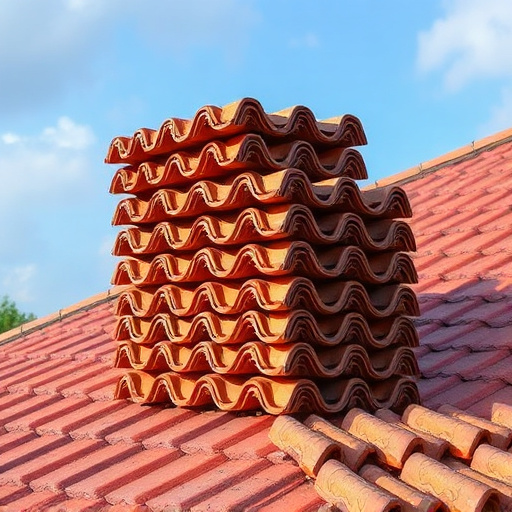
Tile roofing is a popular choice for homeowners in flat tile profiles like our region, offering durability and aesthetic appeal. When considering tile roofs on additions or new builds, understanding the underlayment is crucial. While tile itself is designed to withstand harsh desert conditions, the underlayment-the protective layer beneath the tiles-often fails before the tile does, leading to leaks and costly repairs. This article examines the reasons behind this common problem, from the effects of sun exposure and foot traffic to the importance of proper installation techniques. By the end, you'll grasp the secrets to extending the lifespan of your tile roof and ensuring its longevity.
- Understanding Tile Underlayment: Its Role and Limitations
- Factors Accelerating Underlayment Degradation
- When to Replace Underlayment vs. Tile
- Best Practices for Longevity: Tile Roofs on Additions
Understanding Tile Underlayment: Its Role and Limitations
Tile underlayment, a crucial component in any tile roofing system, serves as the protective barrier between the tile and the decking below. Its primary role is to prevent moisture damage and provide a stable surface for the tile to be installed upon. However, despite its importance, tile underlayment is often overlooked and can wear out faster than the tiles themselves. Understanding the limitations of tile underlayment is essential for homeowners and contractors alike, especially when considering tile roofs on additions or new builds.
In hot, arid climates like ours, tile underlayment faces unique challenges. The intense sun and fluctuating desert temperatures can accelerate the aging process, leading to issues like sun faded tile colors and efflorescence on concrete tiles. Heavy foot traffic, especially in high-traffic areas like entrances and exit points, can cause damage to the underlayment over time. This is where the use of properly rated battens and tile clips becomes crucial. 30 lb felt underlayment is a common standard, but heavier loads and higher wind conditions may require additional reinforcement.
A roofer with an Arizona ROC license will often recommend a two-layer underlayment system for enhanced durability, especially in areas prone to high winds or pest activity. This involves using a primary layer for water protection and a secondary layer for added strength and stability. Regular inspection and maintenance, such as re-nailing loose tiles and replacing worn-out battens, are also vital to prolong the life of the underlayment. By understanding the role and limitations of tile underlayment, homeowners can ensure their tile roofs remain in top condition for years to come.
Factors Accelerating Underlayment Degradation
In the rugged, sun-drenched landscapes of Oro Valley and the Catalina Foothills, tile roofs have long been a preferred choice for both historic and new builds. However, one of the least discussed yet critical aspects of tile roof maintenance is the lifespan of its underlayment-the protective layer between the tile and the roof structure designed to prevent water intrusion and provide added support. Contrary to popular belief, tile underlayment doesn't typically last as long as the tiles themselves, often wearing out before the tiles show significant signs of aging. This phenomenon is particularly evident in areas like Rancho Vistoso, where the unique climate and increased foot traffic can accelerate underlayment degradation.
Several factors contribute to this premature aging. First, the extreme desert heat can cause the underlayment material, commonly either paper or synthetic, to dry out and crack over time. This problem is exacerbated by the region's high wind and intense sunlight, which can strip away protective layers and expose the underlayment to the elements. The weight of the tile, especially on older or poorly supported roofs, can lead to increased stress on the underlayment, causing it to tear or delaminate. Even more insidious is the impact of foot traffic, especially in areas with high pedestrian activity, as constant movement can wear away the underlayment, leading to localised damage and eventual leaks.
To combat these issues, many roofing contractors in the Oro Valley area recommend a two-layer underlayment system, with an additional layer of protection beneath the primary layer. This extra barrier can help shield against wind-driven debris, sun fading, and batten rot, a common problem where the wooden battens that support the tile start to decay. Regular inspections, especially after severe storms or high winds, are crucial. Homeowners should look for signs of tearing, delamination, or water damage and address issues promptly. A licensed Oro Valley area roofing contractor can provide expert advice and ensure proper underlayment installation and maintenance, extending the life of the tile roof and preventing costly repairs.
When to Replace Underlayment vs. Tile
Tile underlayment, a crucial component of any tile roof, is designed to protect against moisture intrusion and provide a stable surface for the tiles. However, it's not uncommon for the underlayment to wear out before the tiles themselves. Understanding when to replace underlayment versus tiles is essential for maintaining a tile roof on an addition or any structure in the Oro Valley area, given the unique challenges posed by UV exposure and desert climate.
The primary factor driving underlayment failure is prolonged UV exposure. Solar radiation breaks down the protective layers of the underlayment, leading to cracking, fraying, and eventual loss of integrity. In our region, where barrel tile is a common choice, the impact of UV rays is heightened. These large, curved tiles, while aesthetically pleasing, require a robust underlayment to bear the weight and withstand the elements. Over time, the underlayment beneath these tiles may become susceptible to damage from foot traffic, debris accumulation in valleys, and even pest entry points.
An experienced Oro Valley roof specialist recommends inspecting your tile roof regularly, especially if it's on an addition or older structure. Look for signs of damage, such as exposed or frayed underlayment, mold or mildew growth, and cracks or gaps. Replacing the underlayment is often necessary when it shows significant wear, before any damage becomes visible on the tiles. A two-layer underlayment system, common in our climate, may need to be replaced after 10-15 years, depending on the quality of the original installation and local environmental factors. Unlike tile roofs for new builds, which often come with warranties that cover underlayment, an addition may require separate consideration for underlayment replacement.
In contrast, tile itself usually outlasts the underlayment. High-quality tiles, properly installed with adequate headlap and nailing patterns, can withstand extreme weather and foot traffic. However, once the underlayment fails, the tiles become vulnerable to damage. Efflorescence, a white powdery substance caused by mineral deposits, may become more pronounced if the underlayment is no longer effectively protecting the tiles. In such cases, replacing the underlayment is often the best solution, ensuring the longevity of both the underlayment and the tiles.
Best Practices for Longevity: Tile Roofs on Additions
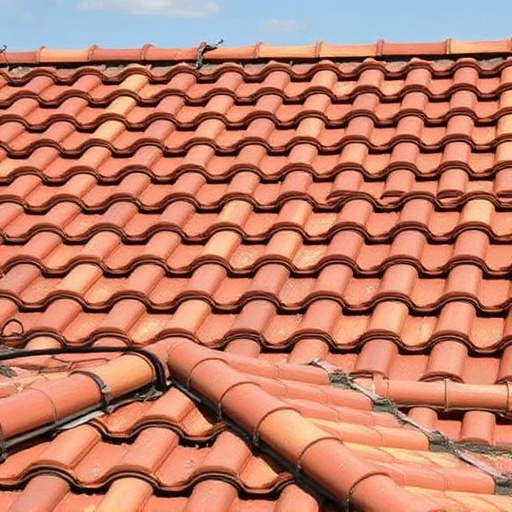
When considering a new tile roof or replacing an existing one on an addition, understanding the longevity of the underlayment is crucial. Unlike the durable clay or concrete tiles themselves, the underlayment-the protective layer installed beneath the tiles-is often the first line of defense against the harsh desert environment and the forces that act upon your roof.
Tile roofs on additions face unique challenges. The additional weight of the tiles, increased foot traffic, and exposure to extreme heat can accelerate wear and tear on the underlayment. A common issue is the degradation of ridge mortar, which holds the tiles in place and is particularly vulnerable to heat and debris. To mitigate these issues, a two-layer underlayment system is highly recommended. This involves using a primary layer of synthetic underlayment for initial protection and a secondary layer of more robust, self-adhering underlayment for added strength and water resistance. An experienced Oro Valley roof specialist might suggest a combination of a synthetic underlayment like C-PET and a self-adhering underlayment like DPM for maximum protection.
Consider the installation of bird stops along the roof's edge. These devices prevent birds from nesting and leaving droppings, a common cause of damage to tile roofs. By employing these best practices, you can extend the lifespan of your tile roof on your addition, ensuring it withstands the test of time and the demanding conditions of the Oro Valley climate. Remember, the key to a long-lasting tile roof is not just in the tiles themselves but in the robust underlayment that protects them.
Frequently Asked Questions About an Explainer on Why Tile Underlayment Wears Out Before the Tile Does
Why does tile underlayment fail before the tiles themselves?
Tile underlayment, while designed to protect and stabilize the tile, is subject to several wear-and-tear factors. Heavy foot traffic, especially in high-use areas like kitchens and bathrooms, can cause the underlayment to compress and degrade over time. Temperature fluctuations-common in climates with significant seasonal changes-can expand and contract the underlayment, leading to cracks and unevenness. Moisture, a key reason for tile installation, also plays a role. Excessive moisture can break down the underlayment's bonding agent, causing it to separate from the tile and subfloor. DC Roofing of Arizona often stresses the importance of high-quality, thick underlayments and proper installation to mitigate these issues.
How long should tile underlayment last?
Under ideal conditions, tile underlayment can last 10 to 20 years. However, this lifespan is highly variable and depends on several factors, including foot traffic, climate, moisture levels, and the quality of the underlayment and installation. Regular inspections and maintenance, like repairing leaks and addressing water damage promptly, can extend the underlayment's life significantly.
What are the signs that tile underlayment is failing?
Early signs of underlayment failure include cracks, gaps between tiles, and lopsided or loose tiles. As failure progresses, you may notice water stains, mold growth, or a musky smell, indicating a potential leak. If you observe any of these issues, it's crucial to consult a professional roofing contractor, like DC Roofing of Arizona, to assess and address the problem before further damage occurs.
Can tile be repaired if the underlayment is damaged?
While it's possible to repair or replace individual tiles, repairing the underlayment itself is often more complex. If the damage is localized, removing the affected tiles and replacing the underlayment in that area may be feasible. However, if the damage is widespread, removing and replacing the entire underlayment layer might be the best option to ensure a stable and secure foundation for your tiles.
How can I prevent tile underlayment from wearing out prematurely?
Preventative measures are key. Ensure proper installation by hiring a licensed roofer, like DC Roofing of Arizona, who understands the local climate and building codes. Maintain the underlayment by keeping it dry and free from debris. Regularly inspect it for signs of damage or wear, addressing issues promptly. Choosing a high-quality underlayment designed for your specific climate and application can significantly extend its lifespan.
Understanding the role and limitations of tile underlayment is crucial for maintaining the longevity of your tile roof, especially when considering tile roofs on additions. The article has highlighted several key insights: first, while underlayment protects against moisture intrusion, it degrades faster than the tiles themselves, particularly in harsh desert environments. Factors like foot traffic, debris accumulation in valleys, and solar radiation can accelerate this wear. Knowing when to replace the underlayment versus the tiles is essential-replacement is usually necessary if the underlayment shows signs of damage or has reached the end of its manufacturer-recommended lifespan.
Best practices for longevity include regular cleaning, proper nailing patterns, and using suitable sealers. For tile roofs on additions, careful planning is vital. Ensuring adequate ventilation, choosing the right underlayment for the specific tile type, and considering the design's aesthetic and structural integrity will contribute to a robust and long-lasting roof.
By integrating these insights, homeowners and contractors alike can make informed decisions, ensuring their tile roofs, especially those on additions, remain protected and in top condition for years to come.
Summary:
Tile underlayment, vital for protecting tile roofs in Oro Valley's arid climate, often wears out faster than the tiles themselves. Key factors include UV exposure, heavy foot traffic, and weather extremes. A two-layer underlayment system, with a primary water protection layer and a secondary strength layer, enhances durability. Regular inspections are crucial to identify damage, with replacement typically needed when underlayment shows significant wear. Tile roofs on additions require special consideration, as underlayment may need to be replaced independently of the tiles. Best practices include using a robust two-layer system, installing bird stops, and maintaining regular inspections for maximum lifespan.