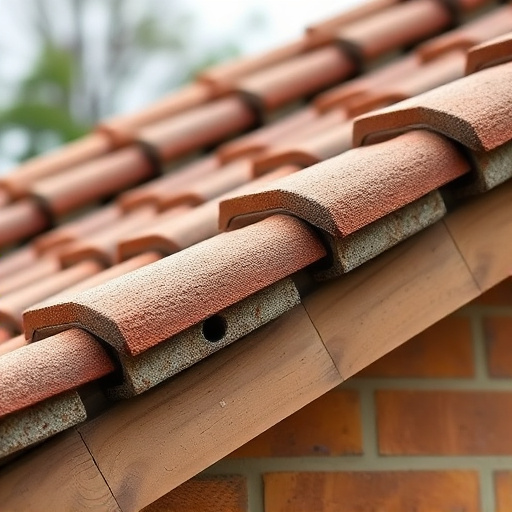
As flat tile profiles are a popular roofing choice in our region, homeowners need to be vigilant in spotting potential issues from the ground. A well-maintained tile roof is essential for both aesthetic appeal and structural integrity, especially in our desert climate. However, problems like sun-faded tile colors, efflorescence on concrete tiles, or damage from foot traffic can go unnoticed until they escalate. This checklist equips homeowners with the knowledge to identify common tile roof problems, from mortar set versus dry ridge methods to the pros and cons of various tile roof sealers. By regularly inspecting these key areas, you can ensure the longevity of your investment and avoid costly repairs.
- Inspecting Your Tile Roof from Ground Level
- Common Tile Roof Problems to Look For
- Understanding Tile Roof Sealers: Benefits and Drawbacks
- When to Call a Professional for Tile Roof Repairs
Inspecting Your Tile Roof from Ground Level
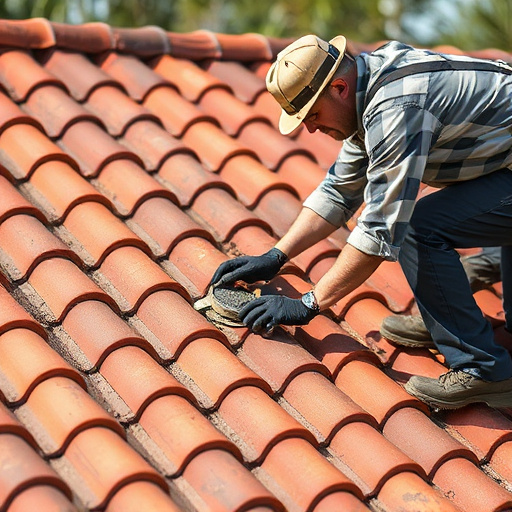
When inspecting your tile roof from ground level, pay close attention to several key areas that can reveal potential problems. Look for signs of damage caused by foot traffic, such as cracked or loose tiles, which can be a result of heavy footfall or poor installation. The underlayment, often a two-layer system, is crucial for protecting your roof against moisture and should be checked for any signs of wear, especially along the edges and in areas with more exposure. Keep an eye out for efflorescence on concrete tiles, a white powdery substance that can indicate poor drainage or a buildup of minerals.
Another important aspect is the roof's edge metal and battens. These components play a vital role in securing the tiles and preventing debris from collecting in the valleys. Check for any signs of rot or damage to the battens, as well as proper placement and integrity of the bird stop, which prevents birds from nesting in the roof's edge. Look for cracks or gaps where the tiles meet, a sign that could point to poor nailing patterns or a lack of proper headlap coverage.
Regularly inspecting your tile roof from ground level can help you catch potential issues early on. If you notice any problems with the tile roof's integrity, a licensed Arizona ROC contractor can provide expert advice on repairs or replacements. When considering tile roof sealers, weigh the pros and cons, such as enhanced durability against added cost. Remember, a well-maintained tile roof can significantly contribute to your home's overall value and longevity.
Common Tile Roof Problems to Look For
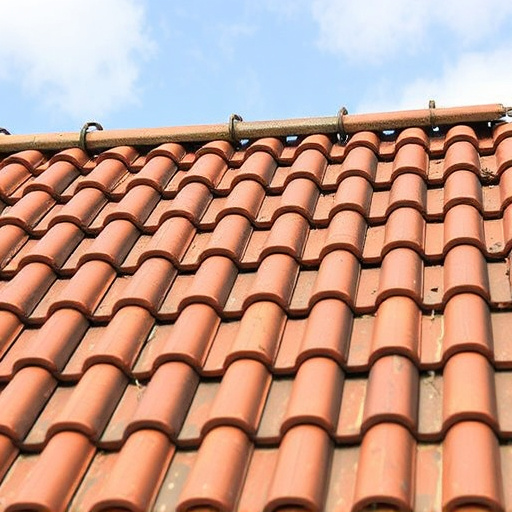
As a homeowner, keeping an eye on your tile roof from the ground can help you catch potential problems early. While a qualified eye can spot many issues, there are some common tile roof problems that even the observant homeowner can identify. Knowing what to look for can guide you in hiring the right professionals, like an experienced Oro Valley roof specialist, for repairs or maintenance.
One of the first things to notice is the condition of your tile. Over time, clay or concrete tiles can become faded from sun exposure, especially in our desert climate. This sun fading is not just an aesthetic issue; it can indicate a deeper problem. Efflorescence, a white powdery substance, may appear on concrete tiles, which is a sign of moisture absorption and potential damage. Similarly, cracks in tiles, especially at the edges or where they meet the underlayment, should be addressed promptly. These cracks can be caused by thermal expansion and contraction due to extreme temperatures, or they might signal structural issues.
Another critical aspect to inspect is the underlayment, which is a layer of protective material beneath the tiles. For tile roofs in Rancho Vistoso, a 30 lb felt underlayment is common. Look for signs of damage, rot, or separation from the sheathing. The underlayment matters in protecting against moisture intrusion, so any issues here could lead to serious structural problems. Water seepage through a damaged underlayment can cause rot in the roof's trusses, leading to costly repairs. Ensure that the tiles are properly secured with the correct nailing patterns; loose tiles are a potential safety hazard and can accelerate damage from high winds, even requiring the use of tile clips in severe cases. Lastly, check for pest entry points, as rodents and insects can find their way into attics through small gaps, leading to further damage and costly repairs.
Understanding Tile Roof Sealers: Benefits and Drawbacks
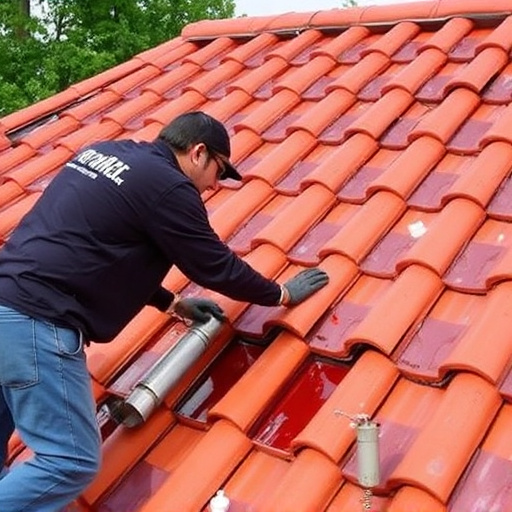
Homeowners can often spot significant tile roof problems from the ground, leading to faster repairs and reduced costs. When assessing your roof, understanding tile roof sealers is crucial. Sealers are a protective layer applied to tile roofs to safeguard against water intrusion, UV damage, and extreme weather conditions like the scorching desert heat that characterizes our region. A licensed Arizona roofer often recommends sealers as part of a comprehensive tile roof care plan, especially for homes in the Oro Valley area with Spanish Colonial Revival or Santa Fe style architecture.
The primary benefit of tile roof sealers is their ability to extend the lifespan of your roof. By sealing the individual tiles, sealers prevent moisture from penetrating, reducing the risk of mold, mildew, and rot. They also safeguard against efflorescence, a white powdery substance that can appear on concrete tiles and detract from the aesthetic appeal of your home. Sealers offer protection against pest entry points, a common concern for homeowners in the area. However, not all sealers are created equal. There are two main types: synthetic and natural. While synthetic sealers are durable and cost-effective, they may not be suitable for historical or traditional home styles, where a more natural, translucent sealer might be preferred.
Understanding the pros and cons of tile roof sealers involves considering factors like your home's design, climate exposure, and budget. A synthetic underlayment, often used with sealers, provides an extra layer of protection against foot traffic damage and wind-driven debris, common concerns during severe weather events. However, some sealers can be noisy during application and may require more frequent reapplication than others. Consulting with a local roofing contractor or a roofer with an Arizona ROC license can help you make an informed decision that aligns with your home's specific needs and your maintenance expectations.
When to Call a Professional for Tile Roof Repairs
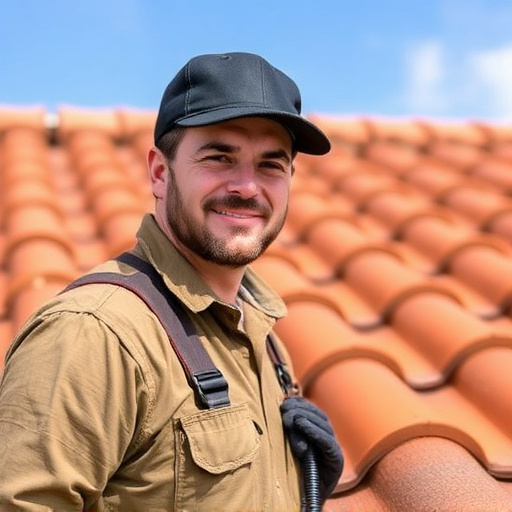
As a homeowner, keeping an eye on your tile roof from the ground can help you spot potential issues early on. While regular maintenance is crucial, there are certain signs that may indicate the need for professional intervention. This is especially true for problems that require specialized knowledge or tools to fix, such as those involving tile roof sealers.
One of the first signs to watch for is missing or loose tiles. This is particularly concerning if they are located along the edge of the roof or in areas that experience heavy foot traffic. Flat tile profiles, while popular for their low maintenance and durability, are more susceptible to damage in these areas. Concrete tile, on the other hand, offers superior resistance to chipping and breaking but can still be affected by heavy wear and tear. In both cases, if you notice any loose tiles, it's best to contact an experienced Oro Valley roof specialist for an assessment.
Another issue to look out for is efflorescence on concrete tiles, a white powdery substance that can build up and affect the aesthetics of your roof. This is a natural byproduct of the cement in the tiles reacting with moisture and minerals in the water. While it doesn't necessarily indicate a problem with the roof, excessive efflorescence may signal underlying issues with the mortar set or synthetic underlayment. In such cases, a professional can inspect the roof to determine the best course of action, which might include cleaning the tiles or replacing the underlayment.
For tile roof repairs, knowing when to call a professional is key. While some minor issues can be addressed by homeowners, complex problems often require specialized knowledge and tools. Tile roof sealers, while valuable for protecting against water damage and improving energy efficiency, come with their own set of pros and cons. A professional can help you choose the right sealer for your specific roof type and ensure it is applied correctly, maximizing its effectiveness and longevity. By regularly inspecting your tile roof from the ground and understanding when to involve a specialist, you can maintain a safe, reliable, and aesthetically pleasing roof for years to come.
Frequently Asked Questions About a Homeowner Checklist for Spotting Tile Roof Problems from the Ground
What are the most common signs of a problem with my tile roof that I can spot from the ground? From the safety of the ground, look for loose or missing tiles, visible damage to the underlayment, and water stains on the roof's surface. Cracked or curled tiles are also a clear indication of distress, as are blisters or bubbles in the roofing material. Regular inspection can help catch these issues early, preventing more serious-and costly-damages.
How often should I inspect my tile roof for damage? It's recommended to conduct a thorough roof inspection at least twice a year, especially after extreme weather events like storms or high winds. However, daily or weekly walks around your property can help you spot potential problems, such as branches impeding drainage or early signs of wear and tear.
Can I identify a potential leak in my tile roof without climbing on it? Absolutely. Leaks often manifest as water stains or discolored areas on the roof. You might also notice mold or mildew growing along the gutters or downspouts. While these are clear indications of a leak, avoid attempting to diagnose or repair the problem yourself. A professional should always assess and fix roof leaks to prevent further damage.
What should I do if I notice a small crack in my tile roof? Small cracks are usually normal and may not require immediate attention. However, if the crack is wider than a few millimeters or appears to be spreading, contact a professional roofer. They can determine if the crack is a sign of a more significant structural issue or if it can be easily repaired.
How do I know if my tile roof needs replacement? Tile roofs typically last 25-50 years, depending on the material and installation quality. If you notice widespread damage, missing tiles, or signs of deterioration, replacement may be necessary. A professional roofer can assess your roof's condition and provide a detailed estimate for replacement costs.
What should I look for when comparing estimates from different roofers? When comparing estimates, ensure the roofers are licensed and insured. Ask for references and check their work history. Compare the scope of work, materials used, and labor rates. A detailed estimate should include a timeline for the project and post-completion support. Choose a roofer with a proven track record and a commitment to quality workmanship.
Can I save money by repairing my tile roof instead of replacing it? While repairs can be less expensive in the short term, a thorough assessment is crucial. In some cases, repairs might only provide temporary solutions, leading to more costly replacements in the future. A professional can advise on the best course of action based on your roof's condition and long-term sustainability.
As homeowners, understanding our tile roof's condition is crucial, especially when considering the significant investment it represents. This checklist equips us to identify common problems like cracked or missing tiles, efflorescence on concrete tiles, and foot traffic damage, all visible from the ground. By learning to recognize these issues, we can take proactive measures, such as understanding the pros and cons of tile roof sealers, which can extend the lifespan of our roofs.
This knowledge allows us to make informed decisions about when to call a professional, whether for repairs or to address tile roof valleys and debris buildup. Considering the cost of tile roof underlayment replacement, regular maintenance, and the potential for tile roof pest entry, a proactive approach saves both time and money in the long run.
This checklist empowers us to maintain our tile roofs effectively, ensuring their beauty, functionality, and fire resistance for years to come. Remember, for Spanish mission tile homes or new builds, a well-maintained roof is key to protecting our investments and keeping our homes safe.
Tile Roof Inspection & Sealers: Key Takeaways
- Regular Ground-Level Inspection: Look for cracked or loose tiles, wear along edges, efflorescence (white powder), and damaged battens.
- Tile Condition: Check for sun fading, cracks at edges or underlayment, and proper headlap coverage.
- Underlayment & Edges: Inspect underlayment for damage, proper placement of bird stop, and secure tile-to-edge attachment to prevent debris buildup.
- Tile Roof Sealers: Understand the pros (moisture protection, extended lifespan) and cons (cost, application noise, style compatibility) for informed decisions.
- When to Call a Pro: Contact a licensed specialist for missing tiles, excessive efflorescence, or complex repairs involving sealers.