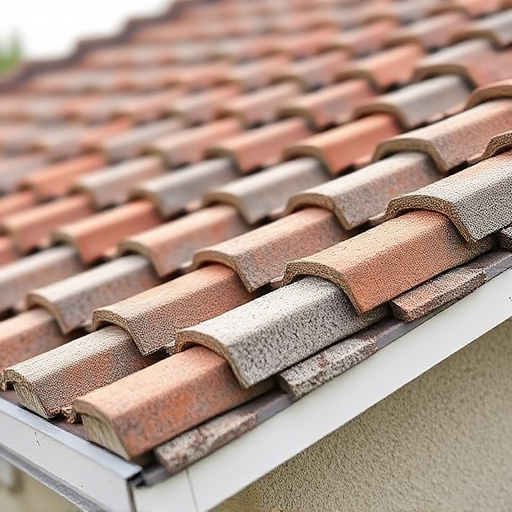
Walking on tile roofs is a common concern for homeowners, especially in areas like Oro Valley where Spanish Colonial Revival architecture is prevalent. These beautiful roofs, often featuring sun-faded tile colors and intricate designs, are not just aesthetically pleasing but also provide excellent protection against the harsh desert heat. However, they are not indestructible. Breakage of tile and underlayment can occur due to several factors, including foot traffic, extreme weather, and aging. Understanding these issues is crucial for maintaining the integrity and longevity of your roof. In this article, we'll examine the causes of tile roof damage, explore different tile profiles, and offer practical advice on safe maintenance and repair.
- Understanding Tile Roof Structure and Vulnerabilities
- Environmental Factors: Sun Faded Tile Colors Naturally
- Safe Walking Practices for Tile Roofs
- Preventing Breakage: Maintenance and Repair Tips
Understanding Tile Roof Structure and Vulnerabilities
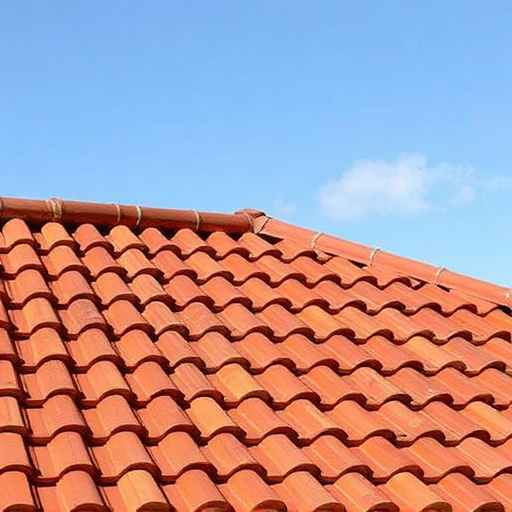
Understanding the structure and vulnerabilities of a tile roof is crucial for homeowners in the Oro Valley area, where intense desert heat, foot traffic, and weather conditions can all contribute to damage. Tile roofs, whether made of clay or concrete, each have distinct characteristics that affect their longevity and maintenance. Clay tiles, for instance, are known for their aesthetic appeal, but they are also more fragile and susceptible to breakage, especially when exposed to rapid temperature changes. Concrete tiles, while more durable, can suffer from efflorescence, a white powdery substance that appears when moisture reacts with the lime in the concrete.
One of the key components of a tile roof structure is the underlayment, which serves as a protective layer between the tiles and the framing. A two-layer underlayment system is often recommended for better protection against moisture, pests, and extreme temperatures. However, even with proper installation, tile roofs are not immune to damage. Foot traffic, especially on a regular basis, can lead to broken tiles or chips, particularly in areas with heavy use like entryways. Improper nailing patterns or the use of inadequate fasteners can cause tiles to become loose or shift, creating gaps that allow water penetration.
To prevent sun faded tile colors and other issues, homeowners should consider the roof's design and the surrounding environment. Bird stops, for example, can help keep birds from nesting in the tile valleys, which can cause debris buildup and water damage. Regular cleaning and inspection are also crucial, as they allow for the early detection of problems like efflorescence or pest infestation. An experienced Oro Valley roof specialist recommends inspecting your tile roof at least once a year, especially after severe weather events. By addressing issues promptly, homeowners can extend the lifespan of their tile roofs and avoid costly repairs.
Tile clips, a modern solution for securing tiles, offer an additional layer of protection against high winds and extreme weather. They are designed to prevent tiles from blowing off, a common problem in areas prone to strong winds. Proper flashing at side walls and around skylights is essential to prevent water intrusion and ensure the fire resistance of the roof, which is a critical consideration for all Oro Valley homeowners. Regular storage of spare tiles and proper maintenance practices, such as using suitable sealers, will further contribute to the overall health and durability of your tile roof.
Environmental Factors: Sun Faded Tile Colors Naturally
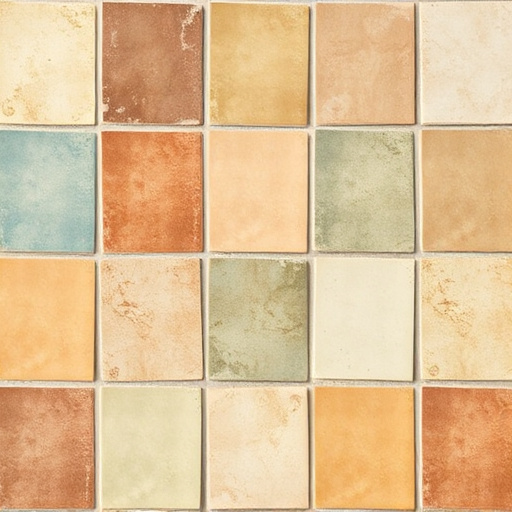
Walking on tile roofs is a common practice for homeowners and professionals alike, but it's a delicate dance. The weight of a person, especially on a concrete tile roof, can cause stress at the points of contact, leading to breakage over time. One often overlooked factor in this equation is the environment, and more specifically, sun faded tile colors naturally.
Concrete tile, known for its durability, can fade over time due to prolonged exposure to UV rays. This natural process, while not an immediate concern for structural integrity, can weaken the aesthetic appeal of the roof. Battens, the wooden or metal strips used to secure tiles, can also suffer from sun damage, leading to warping and rot. A two-layer underlayment system, while designed to protect against moisture, offers an additional barrier against environmental elements, including the sun's harmful rays. By investing in a high-quality underlayment and regular inspection, homeowners can mitigate the effects of sun faded tile colors naturally and prolong the life of their tile roofs.
A roofer with an Arizona ROC license recommends inspecting your roof annually, paying special attention to any signs of discoloration or damage. Regular cleaning, using safe methods and products, can also help maintain the roof's integrity. A mild soap and water solution is effective for removing surface dirt and grime without causing harm. Re-nailing or replacing damaged tiles and battens is crucial. These measures ensure that your tile roof not only looks its best but also remains structurally sound, even under the intense desert heat.
Over time, sun faded tile colors naturally become more pronounced, and the cumulative effect of environmental stress can lead to more significant issues. By understanding these factors and taking proactive steps, homeowners can ensure their tile roofs remain a reliable and visually appealing feature of their homes for years to come.
Safe Walking Practices for Tile Roofs
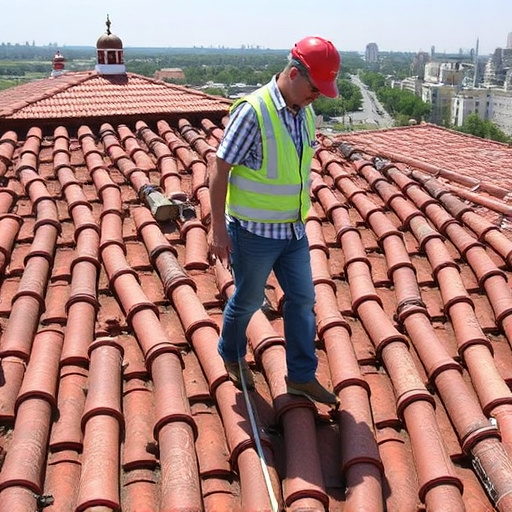
Walking on tile roofs is a necessary evil for many homeowners, but it's a task that demands extreme caution. While tile roofs are designed to withstand the elements, foot traffic can cause damage, especially in areas with heavy use. This is particularly true in desert climates where, over time, the sun can fade tile colors and the heat can accelerate the deterioration of certain materials.
One of the primary concerns is the impact of repeated steps and pressure. Tile roofs, especially those with barrel tile patterns, can be delicate. A 30-pound felt underlayment, while essential for water protection, adds extra weight and can lead to batten rot if not properly secured. To prevent breakage, avoid walking on the tiles directly unless absolutely necessary. Instead, opt for a sturdy platform or ladder, and always wear appropriate safety gear, like thick-soled boots, to minimize impact. Remember, even a light step on a thin tile can cause it to crack, especially if it's older or made of a softer material.
Efflorescence, a natural mineral deposit, can also contribute to tile damage. It often appears as white or gray powdery residue on concrete tile surfaces. While it's not a sign of structural issue, it can weaken the tile over time. Regular cleaning, using safe methods and materials, can help mitigate this. A soft-bristled brush and a mild detergent solution are effective for removing efflorescence. A roofing contractor serving Oro Valley and Marana may also recommend sealing the tiles to protect against both efflorescence and sun faded tile colors, which can result from prolonged exposure to UV radiation.
Consider the age and condition of your roof. Older tile roofs, especially those with dry ridge or mortar set installations, might be more susceptible to damage. Regular inspection and maintenance can help identify weak spots before they become serious issues. Checking for loose tiles, proper headlap and coverage, and secure nailing patterns can all contribute to a longer-lasting roof. By understanding these practices and incorporating them into your routine, you'll not only protect your tile roof but also ensure its aesthetic appeal for years to come.
Preventing Breakage: Maintenance and Repair Tips
Walking on tile roofs, especially in the Arizona desert climate, presents unique challenges. The combination of intense sunlight, extreme temperatures, and occasional monsoon winds can take a toll on these durable but delicate surfaces. Over time, tile roofs can show signs of stress, leading to cracks, chips, or even complete breakage. This section examines the science behind these failures and offers expert insights into preventing them.
One of the most visible signs of aging on tile roofs is sun faded tile colors. The intense UV radiation in our desert environment can dull and discolor tiles over time. This discoloration often starts as faint lines or spots, eventually becoming more pronounced. While it doesn't necessarily weaken the roof, it's an indication of wear and tear. To mitigate this, regular cleaning and sealing can help restore the tiles' original vibrancy. Professional roofers, like those with an Arizona ROC license, recommend using safe, non-abrasive cleaning methods and applying a high-quality tile sealer.
Another critical factor in preventing tile breakage is understanding the impact of wind and efflorescence. Monsoon winds can blow debris and dust onto the roof, causing excessive wear, particularly on flat tile profiles. Efflorescence, a white powdery substance that can appear on concrete tile surfaces, is the result of water and salt penetration. While it's usually harmless, heavy buildup can contribute to structural damage. Maintaining proper drainage and using protective coatings can help guard against both issues. Regular inspections, especially after monsoon seasons, are key to catching potential problems early.
Frequently Asked Questions About an Explainer on Walking on Tile Roofs and Why Breakage Happens
What are the risks involved with walking on tile roofs?
Walking on tile roofs poses several risks, including slipping and falling due to the smooth, slippery surface. Even experienced roofers can fall victim, especially when the tiles are wet or the roof is steep. Stepping on individual tiles can cause them to crack or break, leading to costly repairs. The weight of a person can also deform or dislodge tiles, particularly if the roof structure is not adequately reinforced.
How do tile roofs become damaged from foot traffic?
Tile roofs can be susceptible to damage from foot traffic due to several factors. The primary cause is the concentrated weight of a person standing on a single tile, which can exert significant pressure, especially on older or weaker tiles. Repeated foot traffic in the same areas can further weaken tiles, leading to cracks or complete breakage. The movement and shifting of tiles due to foot traffic, especially on steep roofs, can cause the underlayment and structure to deteriorate over time.
What conditions make tile roofs more prone to breakage?
Tile roofs are more prone to breakage in certain conditions. Extreme temperature changes cause tiles to expand and contract, increasing the risk of cracks and breakage. Wet conditions, such as heavy rainfall or snow, can make tiles slippery and more susceptible to damage, as the weight of a person can easily dislodge them. Poorly installed or maintained roofs are more vulnerable to foot traffic damage due to weak underlayments and improper tile placement.
Can tile roofs be repaired after damage from walking on them?
Yes, tile roofs can often be repaired after damage from walking on them, but the extent of the repair depends on the severity of the damage. Minor cracks or broken tiles can be replaced, while more significant damage may require re-nailing or even replacing entire sections of the roof. Regular maintenance, including inspecting for loose or damaged tiles, can help prevent minor issues from becoming major problems that require costly repairs.
How can I minimize the risk of breaking tiles on my tile roof?
To minimize the risk of breaking tiles on your tile roof, take care when walking on it. Avoid stepping on individual tiles, if possible, and always wear proper safety equipment, such as a harness, when working at heights. Keep roofs clean and free of debris to reduce the risk of slipping. Regularly inspect your roof for loose or damaged tiles and address them promptly. For heavy daily use, consider reinforcing the roof structure to support increased weight load.
When should I consider replacing my tile roof?
You should consider replacing your tile roof if it shows signs of extensive damage, such as widespread cracks, broken tiles, or leaking. If your roof is older and its structural integrity is compromised, replacement may be necessary for safety and to prevent further damage. If the cost of repairs exceeds the value of the roof, it may be more economical to replace it entirely. A licensed Tucson garage door service, like Eddies Garage Door Service, can provide expert advice on roof condition and replacement needs.
Understanding the intricate structure and vulnerabilities of tile roofs, as well as the environmental factors that affect their longevity, is crucial for homeowners and professionals alike. The article has highlighted the unique challenges posed by sun faded tile colors naturally, emphasizing the importance of safe walking practices to prevent breakage. By implementing the maintenance and repair tips discussed, you can extend the lifespan of your tile roof. Regular inspection, proper cleaning techniques, and timely repairs are key to mitigating damage from foot traffic and other elements. Recognizing the signs of efflorescence on concrete tiles and addressing them promptly can preserve the aesthetics and performance of your roof. These practices, combined with a deep understanding of tile nailing patterns and the use of appropriate underlayments, will ensure your tile roof remains a reliable and beautiful feature for years to come.
Tile Roof Care in Oro Valley: Preventing Damage and Prolonging Lifespan
- Delicate Structure: Clay and concrete tiles, while aesthetically pleasing, are susceptible to breakage from temperature changes and foot traffic.
- Two-Layer Underlayment: Essential for moisture, pest, and temperature protection. Improper nailing patterns can cause tile shifts, leading to water penetration.
- Environmental Concerns: Sun faded tile colors naturally occur over time, and bird stops prevent debris buildup in valleys.
- Regular Maintenance: Annual inspections, cleaning with safe methods, and sealing protect against efflorescence and sun damage.
- Proactive Measures: Tile clips, proper flashing, and storage of spare tiles enhance durability.