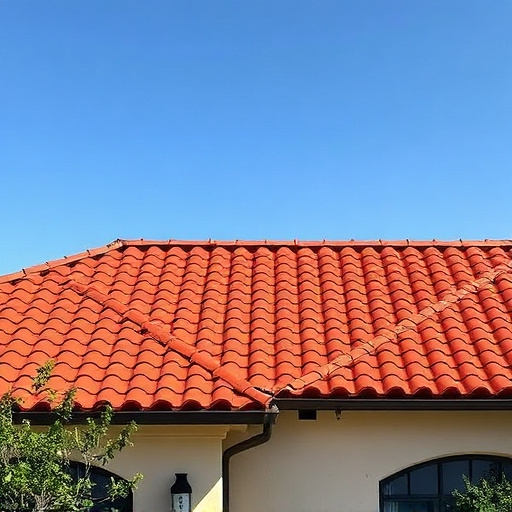
Tile roofs are a popular choice for homes in the Oro Valley area, thanks to their durability and aesthetic appeal. However, the desert climate presents unique challenges, especially during the monsoon season. Heavy rainfall, strong winds, and intense sun exposure can take a toll on your tile roof, leading to issues like foot traffic damage, efflorescence, and even pest entry points. This article provides essential advice on maintaining your tile roof before and after monsoon season, including strategies for cleaning, sealing, and repairing to ensure its longevity. We'll also discuss the role of tile clips in high wind and offer a comprehensive tile roof care checklist, drawing on expertise from local roofing contractors and the Arizona Solar and Roofing Association.
- Preparing Your Tile Roof for Monsoon Season
- Tile Clips: Securing Shingles in High Winds
- Post-Monsoon: Inspecting and Maintaining Your Roof
- Long-Term Care Strategies for Tile Roofs
Preparing Your Tile Roof for Monsoon Season

Preparing your tile roof for monsoon season is crucial for maintaining its integrity and aesthetic appeal. In Oro Valley, with its distinct climate and often intense monsoon winds, specific considerations come into play. Flat tile profiles, popular in the area's Spanish Colonial Revival architecture, require extra attention to withstand high winds.
The first step is to ensure your roof is securely fastened. Tile clips are essential for holding tiles in place during strong winds. A roofing contractor serving Oro Valley and Marana recommends inspecting and, if necessary, reinforcing the clip system. This is particularly vital for older homes, where tiles might have become loose over time. Check for any signs of damage from previous storms, such as cracked tiles or missing clips, which could compromise the roof's strength.
Regular maintenance is key to preventing long-term issues. After the monsoon season, examine your roof for any debris accumulated in the valleys and gutters. This not only improves water drainage but also reduces the risk of pest entry points. Consider the protective coating on your concrete tiles. Monsoon-related efflorescence can discolor them, so applying a suitable sealer can extend their lifespan. Remember, a well-maintained tile roof not only protects your home but also retains its historical charm, like the Spanish Colonial homes for which the area is known.
Tile Clips: Securing Shingles in High Winds

Tile roofs, with their durable concrete construction, are well-suited for the harsh conditions of the Oro Valley desert climate. However, even the sturdiest tile roof requires careful consideration during the monsoon season. One critical aspect to focus on is securing shingles, especially in areas prone to high winds. This is where tile clips come into play.
Tile clips are small, metal fasteners used to hold tiles firmly in place, providing extra stability against strong winds. In Oro Valley and Marana, where powerful summer breezes are common, proper installation of tile clips becomes even more crucial. These clips are particularly important for concrete tile roofs, as UV exposure can lead to the shrinkage and cracking of the tiles over time, making them more susceptible to loose nailing. By securing the tiles with clips, a roofing contractor (such as DC Roofing of Arizona) can ensure the tile roof remains intact during intense weather conditions.
During high wind events, tile clips prevent tiles from lifting or shifting, which could lead to damage or even dislodging entirely. A tile that is only secured by nails can be blown off, creating a potential hazard and allowing water to penetrate the roof. Tile clips, on the other hand, offer a secondary layer of protection, making it easier to maintain the roof's integrity. Homeowners should ensure that their tile roofs are installed with tile clips, especially in areas prone to high winds, to safeguard their property from potential damage.
Regular inspection and maintenance by a local roofing contractor are also essential for identifying any loose tiles or clips. With proper care and attention, tile roofs can withstand the monsoon season and provide many years of reliable protection for Oro Valley homes.
Post-Monsoon: Inspecting and Maintaining Your Roof

After monsoon season, a thorough inspection and maintenance of your tile roof is crucial to ensure its longevity, especially in the face of heightened wind and water exposure. High winds, common during monsoon storms, can test the strength of your roof, making it vital to check for any loose tiles or damage to the underlayment. A local roofing company serving Oro Valley, like DC Roofing of Arizona, recommends examining the roof's edges for signs of wear, as these areas are particularly susceptible to wind damage. Look for any missing or curled tiles, and remember that tile clips are essential to securing tiles during high winds.
Spanish Colonial Revival architecture, popular in the Oro Valley area, often features tile roofs, and proper care is critical to preserving their aesthetic appeal. When inspecting for damage, also pay close attention to the headlap-the overlap of the tiles-as this area is vulnerable to water penetration and efflorescence (a white powdery substance) buildup. Regular cleaning and sealing of the tile surface can prevent sun-faded colors and help maintain the roof's original appearance, especially in the Santa Fe style homes that are also common in the region.
Post-monsoon, it's also important to check the roof's valleys and debris buildup. Valleys, or the curved channels between roof peaks, are prone to collecting leaves, branches, and other storm debris. Regular clearing prevents water damming, which can lead to leaky roofs and damage to the underlayment. Two-layer underlayment systems, a standard practice in our climate, offer extra protection against moisture, but they still require periodic inspection.
A homeowner's association (HOA) might have specific guidelines for tile roof maintenance, so stay informed about any community-wide inspections or care requirements. Local utility companies and the Oro Valley Fire Department often offer resources and advice on safe tile roof care practices, particularly during power outages or extreme weather events. Remember, timely inspection and maintenance can save you from costly repairs down the line.
Long-Term Care Strategies for Tile Roofs

As Tucson's monsoon season approaches, preparing your tile roof for the changing weather patterns is crucial for its long-term health and your peace of mind. Beyond the usual checks for damage, there are several strategic considerations to ensure your roof can withstand the forces of nature, from intense sun and heat to strong winds and occasional hail.
One critical aspect often overlooked is the role of tile clips in high wind. These clips secure the tiles to the underlayment, preventing them from becoming airborne during severe weather events. In areas prone to high winds, such as Oro Valley, using specialized tile clips designed to withstand these conditions is essential. DC Roofing of Arizona, a local roofing contractor, recommends using clips with a strong holding power and testing them regularly to ensure they remain secure. A two-layer underlayment system, a best practice in many regions, provides an extra layer of protection against wind damage by increasing the total attachment area for the tiles.
Regular care before and after monsoon season matters in extending the lifespan of your tile roof. This includes cleaning your roof to prevent debris buildup, which can cause damage during strong winds and heavy rain. Be sure to use safe cleaning methods and materials, as some products can discolor or damage the tiles. Inspecting for and repairing any efflorescence on concrete tiles, which can indicate a deeper problem with moisture intrusion, is crucial. The Santa Fe style homes common in the area often feature tile roofs, and proper care ensures these historic designs remain intact for years to come.
Finally, consider the impact of temperature fluctuations and sun exposure. Clay and concrete tile roofs, while durable, can be sensitive to extreme heat and cold. Monitoring and maintaining optimal temperatures during installation and regular inspections can help prevent long-term issues. A well-maintained underlayment, like a dry ridge system, is crucial for managing water flow and reducing the risk of rot or damage from foot traffic. A regular care checklist, tailored to Tucson's unique climate, can ensure your tile roof not only withstands the monsoon season but remains in top condition for years to come.
Frequently Asked Questions About advice on tile roof care before and after monsoon season
What is the best way to prepare my tile roof for monsoon season?
Before monsoon season, thorough cleaning and inspection are essential. Start by removing any debris, leaves, or branches from the roof and gutters. Then, use a soft-bristled brush or a pressure washer (at a safe setting) to clean the tiles, removing algae, mold, or lichen growth. Inspect for any damaged or missing tiles, and repair or replace as needed. Apply a suitable sealant to the tile surfaces to enhance protection against water damage and UV exposure, a critical step that can prevent premature aging or degradation of the roof.
How often should I have my tile roof inspected?
It's recommended to have a professional, licensed roofer inspect your tile roof at least once a year, especially in regions prone to intense monsoon seasons. Regular inspections ensure early detection of any issues, from loose or missing tiles to signs of water intrusion or mold growth, which can be more costly to repair if left unattended.
Can I clean my tile roof myself, or do I need a professional?
While some basic cleaning and maintenance tasks can be performed by homeowners, it's generally advisable to hire a professional roofer for thorough inspections and extensive cleaning, especially after monsoon season. Professional roofing contractors have access to specialized equipment like pressure washers and have the expertise to address more complex issues, ensuring your roof is in its best condition.
What damage should I look for on my tile roof after monsoon season?
After monsoon season, inspect your roof for signs of water damage, such as stains, peeling paint, or warped siding. Check for loose or missing tiles, and look for evidence of mold or mildew growth, especially in dark, damp areas. Also, be mindful of potential UV damage, which can cause tiles to become brittle and crack, a common issue in regions with intense sunlight.
How can I extend the lifespan of my tile roof?
Regular maintenance and inspections are key. Keep the roof clean and free from debris to prevent clogging gutters and water buildup. Repair any damage promptly and consider re-sealing the tiles after monsoon season to protect against UV exposure. Stay informed about local building codes and regulations, ensuring your roof meets current safety standards, which can contribute to its longevity.
As monsoon season wanes, the insights gained from preparing, maintaining, and inspecting your tile roof are invaluable. Key takeaways include the strategic use of tile clips in high wind to secure shingles, crucial for withstanding the powerful gusts that can occur during these storms. Understanding the long-term care of your roof, such as managing efflorescence, checking for damage from foot traffic and debris, and the proper application of tile sealers, ensures its longevity.
The article has empowered homeowners and property managers with the knowledge to inspect their roofs, identify potential issues, and take proactive measures. Remember, regular care, including a thorough cleaning and inspection after monsoon season, can extend the lifespan of your tile roof. By implementing these practices and staying attuned to the unique demands of a desert climate, you can safeguard your investment and preserve the aesthetic appeal of your Spanish mission-style home or any structure adorned with tile roofing.
Tile Roof Preparedness for Tucson's Monsoon Season
To protect your tile roof in Tucson's monsoon conditions, focus on:
- Securing Tiles with Tile Clips: Crucial for high-wind areas like Oro Valley. Clips prevent tile lift and damage.
- Regular Inspection & Maintenance: Check for loose tiles, damaged clips, and efflorescence.
- Debris Management: Clear valleys of debris to prevent water damming and roof damage.
- Climate-Aware Care: Address temperature fluctuations and sun exposure to avoid long-term issues.
- Community & Expert Advice: Stay informed about local guidelines and consult roofing professionals.