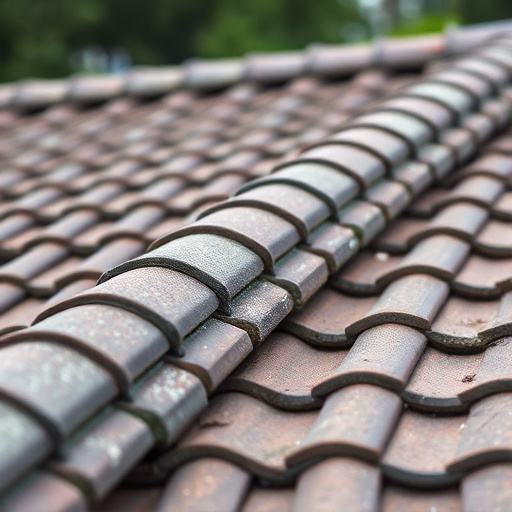
Tile roofing is a popular choice for homes in Oro Valley, offering a durable, aesthetically pleasing finish that blends with the region's Spanish Colonial Revival architecture. However, selecting the right tile profile-such as the classic S tile versus the modern flat tile-is crucial for withstanding the desert heat, preventing sun faded colors, and managing efflorescence on concrete tiles. This guide aims to equip homeowners and local roofing contractors with the knowledge to navigate these challenges, from understanding tile weight on framing to choosing the right underlayment systems for long-term protection. We'll examine tile nailing patterns, edge metal, and even the best practices for cleaning and maintaining these vibrant roofs, ensuring their longevity and beauty for years to come.
- Understanding Tile Roofs: Materials & Advantages
- Choosing the Right Tile Profile for Oro Valley
- Installation: S Tile vs Flat Tile Profiles Step-by-Step
- Maintenance & Longevity: Caring for Your Tile Roof
Understanding Tile Roofs: Materials & Advantages
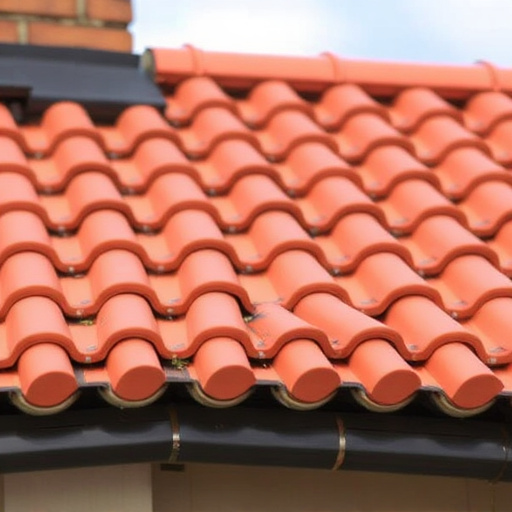
When selecting a roofing material, homeowners in Oro Valley often turn to tile roofs for their durability, aesthetics, and ability to withstand the harsh desert climate. Among the various tile types, understanding the differences between S tile (stuck or flat tile) and flat tile profiles is crucial. S tiles, known for their traditional hand-crafted look, are installed by nailing them directly onto the roof deck. Conversely, flat tiles are designed to be more modern and low-maintenance, featuring a smooth, uniform surface that sits on top of the roof structure.
Both flat tile and S tile profiles have their advantages. Concrete tiles, a popular choice for flat tile roofs, offer excellent resistance to heat and efflorescence (a white powdery substance that can appear on concrete due to mineral content), making them ideal for the area's sunny conditions. The flat surface of concrete tiles also makes cleaning relatively straightforward. S tiles, while more labor-intensive to install, provide a diverse range of colors and textures, allowing for a more customized aesthetic. They are known for their longevity, with some well-maintained S tile roofs lasting over 100 years.
When considering a new tile roof or replacing an old one, a roofing contractor serving Oro Valley and Marana can provide expert guidance. They can help determine the best material based on a home's design, budget, and structural integrity. A Spanish mission tile home might suit an S tile roof due to its traditional charm, while a modern home could benefit from the clean lines and ease of maintenance associated with flat tile profiles. Regular inspection and maintenance, including clearing debris from valleys and checking for pest entry points, are essential to ensure these durable roofs perform optimally for years to come.
Choosing the Right Tile Profile for Oro Valley
Choosing the appropriate tile profile for your Oro Valley home is a crucial decision, as it significantly impacts the roof's durability, aesthetics, and long-term performance. For S tile vs flat tile profiles, each has its advantages and considerations, especially in the unique climate and architectural styles of Oro Valley.
These tiles are designed to withstand the intense heat and sun exposure, offering superior resistance to thermal shock. A key advantage is their ability to stay cool, reducing the risk of excess heat transfer into your home. Flat tiles are more resistant to efflorescence, a white powdery substance that can accumulate on concrete tiles and require frequent cleaning. By choosing flat tiles, homeowners can minimize maintenance and ensure a longer lifespan for their roofs.
On the other hand, S tile profiles, while aesthetically appealing, have distinct drawbacks in this region. These curved tiles can be more susceptible to damage from foot traffic and heavy debris, as the curved shape provides less resistance to impact. S tiles are heavier, which may require additional structural support and increase the overall weight on your framing. Local building codes and experienced roofers, such as a licensed Arizona roofer, will often recommend flat profiles for their practicality and durability. A 30-lb felt underlayment, secured with tile clips, can provide added protection against leaks and damage, a critical consideration when protecting your home's interior.
Installation: S Tile vs Flat Tile Profiles Step-by-Step
Choosing the right tile profile for your Oro Valley home is crucial, especially when considering the area's unique climate and design styles. For S tile versus flat tile profiles, understanding the differences is essential for a successful installation. S tiles, known for their curved shape, offer a classic aesthetic often associated with Spanish Colonial Revival architecture. On the other hand, flat tiles provide a more modern look, popular in contemporary designs.
Let's examine the installation process and explore the advantages of each. S tiles are typically laid with a dry ridge system, which involves placing tiles edge-to-edge with a gap between them, creating a self-draining channel. This method is advantageous in regions prone to heavy monsoon winds, as it allows for better airflow and reduces the risk of wind damage. Conversely, flat tiles often require a mortar set method, where a bed of mortar is used to attach the tiles, providing excellent stability and a smooth surface.
When deciding between these profiles, consider your home's design and maintenance preferences. S tiles can add a charming, historic touch, but they may require more meticulous cleaning to prevent efflorescence, a white powdery substance that can form on the tiles' surface. Flat tiles, with their sleek, uniform appearance, are often easier to maintain and can be a smart choice for modern, low-maintenance homes. DC Roofing of Arizona, a licensed Oro Valley contractor, emphasizes the importance of professional installation for any tile roof, ensuring longevity and aesthetic appeal, regardless of the chosen profile.
Maintenance & Longevity: Caring for Your Tile Roof
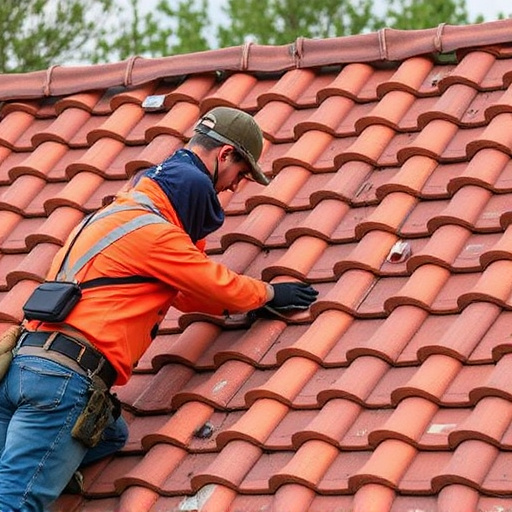
Caring for your tile roof in Oro Valley involves a combination of understanding the local climate, choosing the right materials, and implementing proper maintenance practices. In this arid environment, the choice between S tile and flat tile profiles is crucial. Clay and concrete tile roofs both have their merits, with concrete being more resistant to the intense heat and UV exposure common in our region. However, S tile profiles often offer better protection against efflorescence, a white powdery residue that can accumulate on concrete tiles when exposed to moisture. This is a significant concern in areas with frequent power outages, as local utility companies may leave irrigation systems running during outages, exacerbating the problem.
Regular maintenance is key to preserving the longevity of your tile roof. A well-maintained roof not only enhances the curb appeal of your Spanish Colonial Revival or Santa Fe-style home but also prevents costly repairs. Start with a thorough inspection at least twice a year, looking for signs of foot traffic damage, loose tiles, or debris buildup in the valleys. Keep an eye out for mold or mildew, which can flourish in the dark, damp corners that may form around skylights or around the edges of the roof. A roofer with an Arizona ROC license can provide expert advice on the best cleaning methods, which typically involve safe, non-abrasive cleaners and soft-bristle brushes. Avoid using high-pressure washers, which can damage the tiles and underlayment.
Two-layer underlayment systems are recommended for all tile roofs to provide an extra layer of protection against moisture intrusion. This is especially important in Oro Valley, where snow and ice can accumulate on rooftops during winter, causing significant weight and potential structural damage. Proper flashing at side walls and around chimneys and skylights is essential to prevent water from seeping into the building envelope. Regular checks for pest entry points, such as birds or squirrels, are also crucial, as these intruders can cause damage to the roof and compromise its fire resistance-a critical factor in a region prone to wildfires.
To ensure your tile roof continues to protect your home effectively, consider a maintenance checklist that includes inspecting for loose tiles, checking the underlayment for damage or moisture, and sealing any cracks or gaps. Repainting concrete tiles every few years can also help to maintain their aesthetic appeal and protect against UV degradation. For repairs, consult with a local roofing contractor familiar with the unique challenges of tile roofs in Oro Valley. They can advise on the best nailing patterns, headlap coverage, and edge metal for your specific roof design, whether it's a traditional barrel tile or a more modern Spanish mission tile style.
Frequently Asked Questions About a Practical Guide to Tile Roofs on Oro Valley Homes
What are the benefits of tile roofs for Oro Valley homes?
Tile roofs offer several advantages for homes in Oro Valley. They are renowned for their durability and long lifespan, with proper maintenance, they can last 50 years or more. Tiles are also highly resistant to fire, making them a safe choice for this region. Their natural insulation properties help maintain indoor temperatures, leading to energy efficiency and reduced cooling costs. The aesthetic appeal of tile roofs, with their wide range of colors and styles, allows homeowners to enhance their property's curb appeal and create a distinctive look.
How do I know if a tile roof is right for my Oro Valley home?
Several factors determine if a tile roof is suitable for your Oro Valley home. Local climate is crucial; as the sun is intense in this desert environment, a tile roof's reflective properties can help mitigate heat transfer, reducing cooling costs. The structure of your home and its existing roof system also play a role. Tile roofs require adequate drainage and a solid deck, so an inspection by a licensed Oro Valley roofing contractor is essential to assess the feasibility.
What are the maintenance requirements for a tile roof?
Tile roofs require regular cleaning to maintain their performance and appearance. Algae and mold can accumulate, especially in regions with high humidity, so periodic cleaning is vital. Repairs are typically minor, focusing on replacing individual tiles as needed. Since tiles are not susceptible to damage from pests or rot, maintenance is relatively straightforward compared to other roofing materials.
How does the heat and UV exposure in Tucson impact tile roofs?
Tucson's intense sun and heat can affect tile roofs in two ways. First, the heat can cause the underlayment to expand, potentially leading to minor cracks or gaps. Regular inspections can catch these early. Second, UV exposure can fade or discolor tiles over time, though high-quality tiles with UV protection are available. A qualified Tucson roofer can recommend solutions for maximum protection.
Can tile roofs handle extreme weather conditions?
Absolutely. Tile roofs are remarkably resilient and can withstand extreme weather, including heavy rainfall and strong winds, common in Tucson and Oro Valley. Their ability to handle high winds is particularly notable, and they offer excellent protection against hail damage, a common concern in this region.
What should I do if I suspect a tile roof leak?
If you suspect a tile roof leak, contact a local Tucson roofing contractor immediately. A professional inspector can pinpoint the source, often discovering minor issues that, left unattended, could cause extensive damage. Prompt action ensures repairs are minimal and cost-effective.
For roofing in Oro Valley, understanding the nuances of tile profiles is crucial. The article has outlined the key differences between S tile and flat tile profiles, highlighting how each material performs in the unique desert heat. By choosing the right tile profile, homeowners can ensure their roofs offer both aesthetic appeal and structural integrity, with S tiles providing better resistance to foot traffic and debris, while flat tiles may be more cost-effective for new builds. Proper maintenance, including regular cleaning and addressing efflorescence on concrete tiles, is essential for longevity. Implementing a two-layer underlayment system and checking for tile batten rot are critical steps in roof care. Considering the climate, the local building department, and neighborhood watch groups can help maintain a safe and code-compliant roof. For homeowners looking to invest in their property, these insights provide a solid foundation for making informed decisions regarding tile roof installation and care.
In Oro Valley, homeowners choose tile roofs for durability and aesthetics. S tiles (hand-crafted, stuck on) vs. Flat tiles (modern, smooth) each have advantages: S tiles offer a diverse range of colors and textures, lasting over 100 years; flat tiles are more resistant to heat, efflorescence, and maintenance, ideal for contemporary designs. A local roofing contractor guides selection based on home design, budget, and structural integrity. Regular inspection and maintenance, including clearing debris and pest prevention, ensure optimal performance for years.