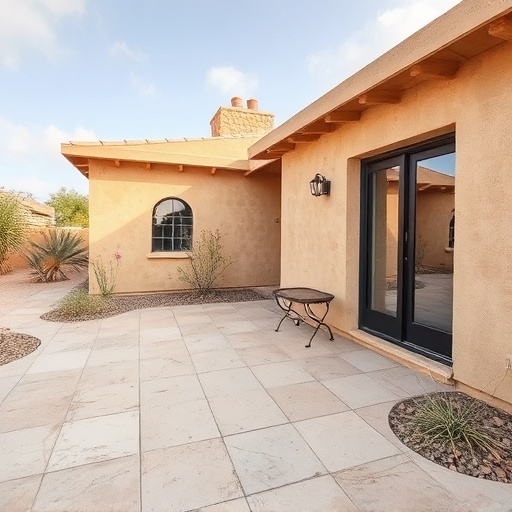
Tile roofs are a popular choice for homeowners in flat tile profiles like ours, offering durability and aesthetic appeal. However, as a homeowner, it's crucial to know how to spot potential issues from the ground up. Ignored, these problems can escalate, leading to costly repairs or even the need for a complete tile roof replacement on your addition. This comprehensive checklist guides you through the key signs of trouble, empowering you to maintain your tile roof effectively. We'll explore everything from identifying efflorescence on concrete tiles to understanding the importance of proper underlayment and edge metal, ensuring you're equipped to keep your roof in top condition.
- Inspecting Your Tile Roof: A Homeowner's Guide
- Common Tile Roof Issues Visible From Ground Level
- Tile Roof Problems: When to Call a Professional
- Tile Roof Repairs & Maintenance: Proactive Homeowners
Inspecting Your Tile Roof: A Homeowner's Guide

When monitoring your home's exterior, a thorough inspection of your tile roof is essential, especially when considering that tile roofs on additions often face unique challenges. This guide will help you spot potential problems from the ground, allowing you to address issues early and maintain the longevity of your roof.
One of the most visible signs of trouble is the impact of UV exposure. Over time, intense desert sunlight can fade tile colors, weaken the structure, and even cause efflorescence on concrete tiles. To mitigate this, ensure your tiles are properly sealed and consider using UV-resistant products, a smart investment for any homeowner in Oro Valley's climate. Regular cleaning is also crucial; however, be mindful of using safe techniques to avoid damaging the tiles or underlayment. Avoid high-pressure washers, which can erode the tile surface or dislodge mortar.
Two-layer underlayment systems are highly recommended, especially in areas prone to hail, which can cause significant damage to tile roofs. This additional layer provides extra protection against water intrusion and adds a buffer against extreme weather events. As a licensed Oro Valley area roofing contractor like DC Roofing of Arizona, we've seen the benefits firsthand, with many clients noting improved roof longevity and reduced repair costs.
Be vigilant about checking for signs of foot traffic damage, especially around heavily used areas or additions. Heavy use can cause tiles to loosen or crack, leading to leaks and other structural issues. Regularly inspect the edges and valleys of your roof, as these areas are particularly vulnerable to debris buildup and wind damage. Also, look out for signs of pest entry, as rodents and insects can cause problems with the roof's integrity, particularly in older homes with Spanish mission tile styles.
Common Tile Roof Issues Visible From Ground Level
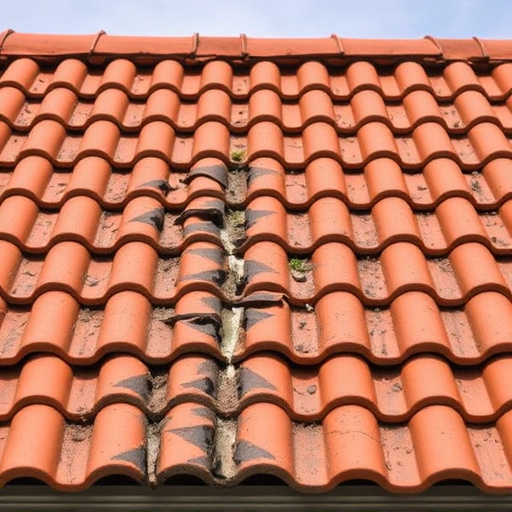
Homeowners in Oro Valley often wonder what signs to look for when inspecting their tile roofs from the ground. While a comprehensive assessment requires climbing up, there are several common issues visible from below that can signal problems. Look for missing or damaged tiles, which can expose the underlayment to the elements. Hail, for instance, can leave noticeable dents and breaks, especially in older roofs. Keep an eye out for loose tiles, which may indicate poor nailing or batten rot, a common issue in areas prone to monsoon winds.
Two-layer underlayment systems, crucial for protecting against water intrusion, can also be inspected from ground level. Ensure the underlayment is intact and not torn or curled at the edges. During summer, you might notice discolored tiles, often a result of sun-fading or efflorescence, a white powdery substance that can accumulate on concrete tiles. While some discoloration is normal, excessive or rapid changes may signal a deeper problem.
Another potential issue visible from ground level is water damage, evident through warped or discolored shingles, or mold growth near the roof's edge. These signs can indicate problems with tile headlap-the overlap between tiles-or improper flashing at side walls. In case of power outages, check for signs of mold or moisture inside the attic, which could point to a compromised roof. For homeowners considering tile roofs on additions, it's essential to assess the existing structure's capacity to support the additional weight. A roofer with an Arizona ROC license can provide expert advice on these matters, ensuring your Oro Valley home's tile roof remains a reliable, durable shield.
Tile Roof Problems: When to Call a Professional
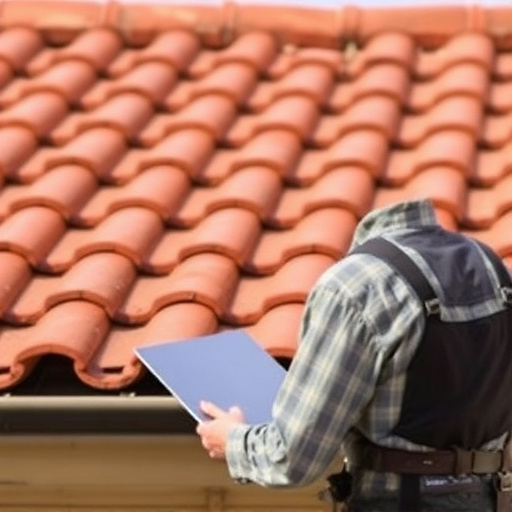
When observing your home from the ground, it might be challenging to spot potential issues with your tile roof. However, being vigilant can help you identify problems early, allowing for timely repairs and preventing more significant, costly damage. This is especially crucial when considering that tile roofs on additions or older homes in flat tile profiles, like those found in the Oro Valley area, have unique challenges.
One common sign to look out for is S tile or concrete tile degradation, which can appear as sun-faded colors or efflorescence (a white powdery substance) on the surface. These issues often indicate exposure to harsh desert conditions and may require professional attention. A local roofing company serving Oro Valley can help you determine if replacing or sealing the tiles is the best course of action. Check for mortar set or dry ridge issues, which can lead to poor drainage and further damage.
Another problem to watch for is foot traffic damage, especially in areas with heavy use, such as near entrances or on rooftops with added structures like skylights. Inspect for missing or loose tiles, as well as tile batten rot, which can compromise the roof's integrity. Bird stops, a common addition to Santa Fe style homes in Oro Valley, can also be an entry point for pests. Regularly check these areas to ensure they are secure and sealed properly. Remember, a well-maintained tile roof should have adequate tile headlap and coverage to protect against such problems. If you notice any of these issues, contacting a professional roofing contractor, like DC Roofing of Arizona, is recommended for an accurate assessment and repair.

As a homeowner, keeping an eye on your tile roof from the ground can help you spot potential issues early on. This proactive approach is especially crucial when you have a roof that's part of an addition, as these installations often require meticulous care to ensure a secure, long-lasting connection with the existing structure. Let's examine a checklist of tile roof repairs and maintenance practices that can help you maintain your roof's health and longevity.
Regularly inspect your roof for any signs of damage, particularly after extreme weather events or power outages. Look for missing or loose tiles, cracks, or bulges, which could indicate structural problems. Keep in mind that tile roofs, especially concrete tiles in the desert climate, are susceptible to efflorescence, a white powdery substance that forms due to mineral deposits. While it doesn't usually compromise the tile's integrity, it can affect the aesthetic appeal. Addressing this with the right sealer or cleaning methods is key to maintaining your roof's curb appeal.
For maintenance, understanding the underlayment is essential. Synthetic underlayments offer superior protection against moisture and provide a secondary barrier against leaks. Dry ridge systems, for instance, use a synthetic membrane to protect against water intrusion at the ridge, a common weak point in tile roofs. These systems can extend the lifespan of your roof by preventing damage from water, wind, and foot traffic. Regular checks for debris buildup in the valleys and along the edges are also crucial, as these areas are prone to attracting pests and can lead to water damage if left unchecked.
Remember, a licensed Arizona roofer can offer invaluable insights tailored to your specific roof setup, especially for repairs and maintenance. They can assist with troubleshooting and recommend the best course of action, whether it's a simple repair, a full replacement, or guidance on choosing the right materials for your next tile roof project.
Frequently Asked Questions About a homeowner checklist for spotting tile roof problems from the ground
What should homeowners look for when inspecting their tile roof from the ground?
When inspecting a tile roof from the ground, homeowners should look for loose, damaged, or missing tiles, as well as any signs of water damage, like stains or mold growth. Check for loose or curled edges, and inspect the grout for cracks or gaps. Also, observe if there are uneven or damaged underlayment, which can indicate structural issues. Look for signs of rust on metal components, and ensure all vents and drains are clear and functioning properly.
How often should a tile roof be inspected?
It's recommended to conduct a thorough roof inspection at least once a year, or more frequently in areas prone to extreme weather conditions. Regular inspections help identify potential issues early on, preventing more costly repairs or replacements. DC Roofing of Arizona, a licensed Oro Valley area roofing contractor, suggests that most installations take one to two days, making it a manageable task to fit into your annual maintenance routine.
Can I identify serious roof problems without professional help?
While some basic issues can be spotted from the ground, serious problems like structural damage, hidden leaks, or severe decay may require professional expertise. A licensed Arizona roofer, such as those at DC Roofing of Arizona, can perform a detailed inspection and provide accurate assessments, ensuring your roof's longevity. They have the tools and knowledge to detect issues that may not be immediately apparent to homeowners.
What are some signs of water damage on a tile roof?
Water damage on a tile roof can manifest as stains, peeling paint, or mold growth on the interior and exterior surfaces. Look for discolored or damp spots on the tiles or underlayment. Peeling or blistered paint, as well as musty odors, can also indicate water intrusion. Keep an eye out for warped or damaged ceiling or wall panels, which could be a result of prolonged water exposure.
How can I tell if my tile roof needs to be replaced?
If your tile roof is more than 20 years old, heavily damaged, or showing signs of deterioration, it may need replacement. Look for widespread missing or broken tiles, excessive water damage, or leaks that have caused interior damage. A roofer with an Arizona ROC license can assess the condition of your roof and provide recommendations for repair or replacement based on industry standards and local regulations.
Should I address small issues with my tile roof myself?
Small issues, like a single missing or damaged tile, can often be addressed by the homeowner. However, more complex repairs or replacements should be left to a professional roofing contractor serving Oro Valley and Marana. Attempting complex roof repairs without proper training can lead to further damage or safety hazards. DC Roofing of Arizona, for instance, specializes in both residential and commercial tile roof installations and repairs.
What should I do if I suspect a leak in my tile roof?
If you suspect a leak, avoid walking on the wet roof. Contact a local roofing company serving Oro Valley immediately to schedule an inspection. They can pinpoint the source of the leak and provide solutions. It's crucial to address leaks promptly to prevent water damage to your home's interior and structural issues.
As you've gained insights into identifying tile roof problems from the ground, remember: regular inspection is key. By understanding common issues like sun faded tile colors, efflorescence on concrete tiles, and tile roof foot traffic damage, you can proactively maintain your flat tile profile roof.
When addressing tile roof issues, consider the specific needs of tile roofs on additions. Proper nailing patterns, adequate underlayment, and secure flashing at side walls are crucial for these installations. Don't hesitate to consult local roofing contractors or the Arizona Solar and Roofing Association for expert advice.
The Oro Valley Building Department offers guidelines for maintenance, while local utility companies and neighborhood watch groups can assist during power outages and safety checks. Proactive care, guided by these checklists, ensures your tile roof's longevity and protects your investment, aligning with historical design standards set by the National Park Service and popular styles like Spanish Colonial Revival.
Take action now: create a regular maintenance schedule, address any concerns promptly, and stay informed about local regulations. By doing so, you'll contribute to the beauty and durability of your home's tile roof, enhancing its value for years to come.
Tile Roof Inspection Checklist for Homeowners:
- UV Exposure: Check for faded tile colors, weakened structure, and efflorescence on concrete tiles, requiring sealing and UV-resistant products.
- Underlayment: Ensure a two-layer underlayment system for added water protection, particularly in areas prone to hail.
- Foot Traffic Damage: Inspect for loose or cracked tiles, common in heavily used areas, indicating potential structural issues.
- Edges and Valleys: Regularly examine these vulnerable areas for debris buildup and wind damage.
- Pest Entry: Look for signs of rodent or insect infestation, especially in older homes with Spanish mission tile styles.
- Maintenance: Address efflorescence, check underlayment integrity, and clear debris from valleys and edges to prevent water damage and pest entry.
- Professional Assistance: Consult a licensed Arizona roofer for tailored advice, especially for tile roofs on additions, to ensure long-term durability.