Tile roofing is a popular choice for Oro Valley homes, offering both aesthetic appeal and durable protection. However, maintaining and repairing these intricate systems can be challenging. Homeowners often struggle with the unique challenges posed by the desert climate, such as sun-faded tile colors and efflorescence on concrete tiles. Foot traffic damage, pest entry points, and the weight of the tiles on framing can pose significant issues.
This practical guide aims to equip homeowners and contractors with the knowledge to navigate these challenges. We'll examine the intricacies of tile roof care, exploring everything from painting concrete roof tiles naturally to understanding underlayment lifespans and tile nailing patterns. By the end, you'll be well-prepared to tackle common tile roof problems and make informed decisions for your Oro Valley home.
- Understanding Tile Roofs: Materials, Styles for Oro Valley Homes
- Installation Basics: Step-by-Step Guide for Concrete Tiles
- Longevity and Maintenance: Protecting Your Tile Roof Naturally
- Painting Concrete Tiles: Eco-Friendly Techniques and Tips
Understanding Tile Roofs: Materials, Styles for Oro Valley Homes
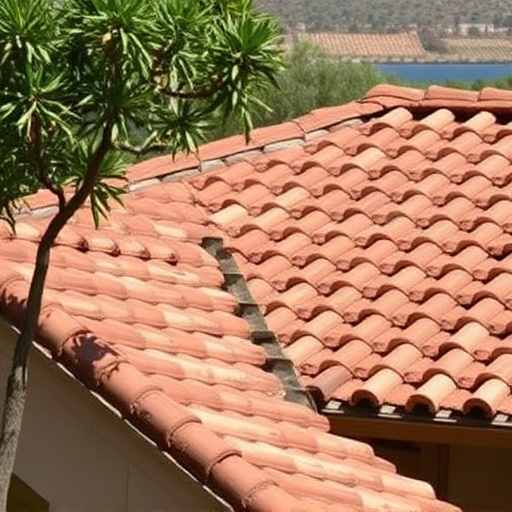
When considering a new tile roof or repairing and revitalizing an existing one in Oro Valley, understanding the materials and styles available is crucial. Tile roofs, a popular choice for their durability and aesthetic appeal, are a significant investment. An experienced Oro Valley roof specialist recommends evaluating two primary materials: concrete and clay. Concrete roof tiles, though heavier, offer exceptional durability and resistance to extreme desert heat. They can last for decades with proper care, such as regular cleaning and sealing, including the natural process of painting concrete roof tiles to protect against UV damage. Clay tiles, lighter and more traditional, also stand up well in Oro Valley's climate but may require more frequent replacement.
Styles-wise, the region's Spanish Colonial Revival architecture often pairs beautifully with barrel tile roofs, a classic choice known for their rounded edges and historic appeal. For a more modern touch, flat tile profiles offer a sleek, low-profile alternative. Both styles can be enhanced with strategic design elements, like bird stops for a neat, finished look, and dry ridge systems for effective water drainage. These systems are crucial for preventing damage from foot traffic, wind, and debris, ensuring your roof remains a protective barrier for your home.
When selecting tiles, consider their headlap and coverage, nailing patterns, and edge metal, all of which impact installation and long-term performance. A thorough tile roof care checklist, including regular inspections, will help extend the lifespan of your roof. Remember, the right choice depends on your home's unique needs, aesthetic preferences, and budget, so consult with a local roofing contractor who understands the local building department's guidelines and the preferences of Oro Valley's Homeowners' Associations.
Installation Basics: Step-by-Step Guide for Concrete Tiles
Installing a tile roof on your Oro Valley home is a significant investment, and getting it right from the start is crucial. This step-by-step guide focuses on concrete tiles, a popular choice in our region due to their durability and aesthetic appeal, especially for Santa Fe-style homes. We'll walk you through the process, ensuring a solid foundation for your new roof, from preparation to the final touches.
Step 1: Planning and Preparation
Start by understanding your Oro Valley Building Department's regulations and requirements for tile roofs. Ensure your home is suitable for this type of roofing, considering factors like structure, pitch, and local weather patterns. Next, choose the right tiles; concrete tiles are available in various colors and styles, so select a design that complements your home's architecture, perhaps a traditional Spanish Colonial Revival or the modern Santa Fe aesthetic.
Step 2: Underlayment and Footing
A solid underlayment is critical for protecting your roof from moisture and providing a stable base. For tile roofs, a two-layer underlayment system is recommended, offering superior protection against leaks. Ensure the underlayment is properly secured to the sheathing with nails or staples, and check for any signs of damage or rot. The footing, or the base on which the tiles will rest, should be level and well-compacted.
Step 3: Installing the Tiles
For concrete tiles, a licensed Oro Valley area roofing contractor recommends starting with a dry ridge system. This involves installing a ridge cap at the peak of the roof, allowing tiles to be secured with a mechanical fastener. Ensure proper headlap and coverage for each tile, as this affects both the roof's appearance and its water-resistant properties. A 6-inch headlap provides better protection against leaks. Use tile clips in high-wind areas to secure the tiles, and remember to leave space for expansion and contraction to prevent cracking.
Step 4: Final Touches and Maintenance
After the tiles are in place, inspect the roof for any gaps or loose tiles. Seal any spaces around the flashing at side walls and valleys to maintain the roof's water-resistant integrity. When the weather permits, consider painting concrete roof tiles to protect against UV damage and maintain their aesthetic appeal. Regular cleaning and maintenance, especially after severe weather, are crucial to prevent debris buildup and ensure your roof's longevity.
Longevity and Maintenance: Protecting Your Tile Roof Naturally

Protecting your tile roof's longevity requires a holistic approach, especially in the unique desert climate of Oro Valley. Concrete roof tiles, popular in Spanish Colonial Revival architecture, offer durability but demand specific care to maintain their beauty and integrity. Natural preservation methods are key, as chemical-heavy solutions can be detrimental to the environment and the roof's aesthetics.
One effective, natural strategy is regular cleaning and maintenance. Power washing with a soft-bristled brush and a mild detergent solution removes dirt and dust, preventing buildup that can cause efflorescence on the tiles. Be mindful of nearby vegetation; overhang of branches can cause foot traffic damage, so trimming trees and shrubs is essential. Inspect the roof for any signs of damage, like missing or broken tiles or loose mortar, which can lead to more serious issues.
For structural integrity, a thorough understanding of nailing patterns and underlayment is crucial. Use the correct headlap and coverage when installing or replacing tiles, and consider a two-layer underlayment system for enhanced protection against moisture intrusion. When repairs or replacements are necessary, a local roofing company serving Oro Valley can provide expert guidance, ensuring the work aligns with the area's building codes and historical design guidelines, like those from the National Park Service for Spanish Colonial homes. Remember, proper maintenance and timely repairs are the cornerstones of a long-lasting tile roof.
Painting Concrete Tiles: Eco-Friendly Techniques and Tips
Painting concrete roof tiles is a popular choice for homeowners in Oro Valley seeking an eco-friendly alternative to traditional materials. This durable, low-maintenance option is particularly suited to the region's desert climate and can beautifully complement the area's Spanish Colonial Revival and Santa Fe-style architecture. When considering this approach, an experienced Oro Valley roof specialist recommends a thoughtful process to ensure longevity and aesthetics.
The first step involves selecting the right paint designed for concrete tiles. Look for products labeled as "low-VOC" (volatile organic compound) and "non-toxic" to minimize environmental impact. Natural, earth-toned colors can enhance the tile's texture, especially for barrel tile styles, which offer a distinctive aesthetic. Avoid bright, vibrant hues that may fade quickly in the intense desert sun.
Application techniques play a crucial role in the paint's performance. Due to the tile's rough surface, a brush or roller is not ideal. Instead, use a sprayer to achieve an even, thorough coat. Ensure proper ventilation during application to avoid inhalation risks. A synthetic underlayment beneath the tiles can provide an extra layer of protection, especially in areas prone to foot traffic or debris accumulation. This underlayment, designed to mimic traditional mortar, also helps manage moisture, a key concern in any roof system.
Regular maintenance is key to keeping painted concrete tiles looking their best. The Oro Valley Building Department recommends inspecting the roof for any signs of damage, such as missing or loose tiles, after severe weather events. Keep the area around the roof free from debris to prevent clogs and ensure proper drainage. Remember, the paint's lifespan can be extended with proper care, allowing your roof to maintain its eco-friendly appeal for years to come.
Frequently Asked Questions About a Practical Guide to Tile Roofs on Oro Valley Homes
What are the benefits of tile roofs for Oro Valley homes?
Tile roofs offer several advantages for homes in Oro Valley, Arizona. They are renowned for their durability and longevity, with proper installation, they can withstand extreme weather conditions, including high winds and heavy rainfall. Tile provides an attractive, low-maintenance option with a wide range of aesthetic options, allowing homeowners to personalize their curb appeal. Tile roofs are energy efficient, as they reflect sunlight, helping to keep homes cool during hot summer months.
How long do tile roofs typically last?
Well-installed tile roofs can last 50 years or more with minimal maintenance. Regular cleaning, inspection, and repair can further extend their lifespan. When compared to other roofing materials, tile stands out for its durability and resistance to damage from decay, rust, and rot.
What are the different styles of tile roofs available in Oro Valley?
Oro Valley homeowners have a variety of tile roof styles to choose from, each offering a distinct look:
- Spanish/Mission: Characterized by a curved, clay tile that provides a traditional, Mediterranean aesthetic.
- Flat Tile: A modern and sleek look, featuring rectangular or square tiles that lie flat on the roof surface.
- S-Tile: Also known as S-shaped tiles, these offer a unique, decorative profile that adds visual interest to a roofline.
- Mission/Spanish Style: Similar to the Spanish/Mission style but with a slightly different, often more contemporary, tile shape.
How much does a tile roof cost to install?
The cost of installing a tile roof in Oro Valley varies based on several factors, including the roof size, the chosen tile style and color, and the complexity of the installation. On average, tile roofs cost $10 to $15 per square foot, or $11,000 to $17,500 for a typical single-story home. DC Roofing of Arizona, a licensed Oro Valley area roofing contractor, can provide a personalized quote based on your specific needs.
Can tile roofs be repaired, or do I always need to replace the whole roof?
Tile roofs can often be repaired, saving you the cost and hassle of a full replacement. Common repairs include replacing individual tiles that are cracked, broken, or missing, as well as repairing or replacing flashing and gutters. A licensed roofer with an Arizona ROC license, like DC Roofing, can assess the damage and recommend the best course of action.
What should I do if my tile roof develops leaks?
Leakage in a tile roof can be caused by various factors, from damaged tiles to flashing issues. If you suspect a leak, contact a qualified roofer immediately. They will inspect the roof, identify the source of the leak, and provide a solution, which may range from repairing the leak to replacing the affected section of the roof.
As you've explored this practical guide to tile roofs in Oro Valley, several key takeaways emerge. First, understanding the materials and styles, like the enduring appeal of Spanish mission tile homes, equips you to make informed decisions. Longevity is a cornerstone; properly maintained tile roofs can last for decades, with regular checks on underlayment, valleys, and debris preventing common issues.
The article highlights the importance of natural, eco-friendly solutions, such as painting concrete tiles with non-toxic, low-VOC sealers and paints. This approach not only extends the roof's life but also reduces environmental impact. For homeowners considering a new build or addition, tile roofs offer superior fire resistance, ensuring peace of mind.
To advance your knowledge and protect your investment, implement these strategies: schedule regular tile roof care checklists with your local contractor, be vigilant about efflorescence on concrete tiles, and explore natural alternatives for cleaning and sealing. By doing so, you'll harness the beauty and durability of tile roofs, contributing to the aesthetic and structural integrity of your Oro Valley home.
Tile Roof Installation and Maintenance in Oro Valley: A Practical guide
- Materials: Concrete and clay tiles are popular. Concrete offers exceptional durability, while clay is lighter and traditional.
- Styles: Barrel tile roofs pair well with Spanish Colonial Revival architecture, and flat tile profiles offer a modern look.
- Installation: Follow building department guidelines, choose proper underlayment, install tiles with adequate headlap and coverage, and use dry ridge systems for water drainage.
- Maintenance: Regular cleaning and sealing extend tile roofs' lives. Paint concrete tiles naturally with low-VOC, non-toxic paint for an eco-friendly option. Inspect for damage, manage debris, and maintain proper drainage.