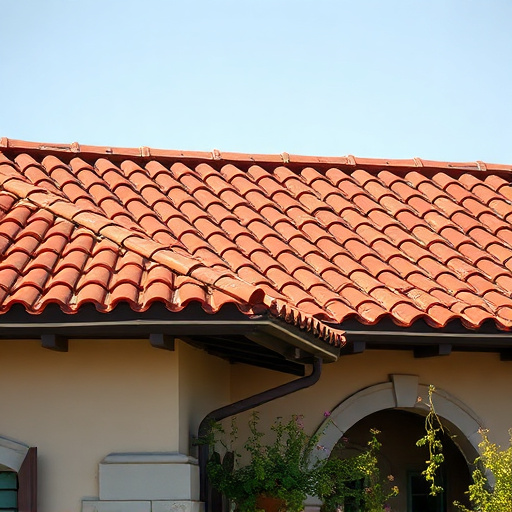
Tile roofs have become a popular choice for homeowners in Oro Valley, offering a distinctive aesthetic appeal and robust protection against the harsh desert climate. However, selecting the right tile, understanding installation nuances, and maintaining these durable yet complex roofs can be challenging. This guide is designed to empower both residents and contractors with the knowledge needed to navigate the process successfully. From choosing between S tile and flat tile profiles, managing efflorescence on concrete tiles, and ensuring proper underlayment systems, to addressing potential issues like foot traffic damage and pest entry points, we'll examine the intricacies of tile roof care and design. By the end, you'll be equipped to make informed decisions, from installation to maintenance, for tile roofs, even around skylights.
- Planning Tile Roof Installation in Oro Valley
- Choosing the Right Tile Profile for Your Home
- Installing Tiles Around Skylights: Step-by-Step Guide
- Maintaining and Repairing Your Tile Roof Effectively
Planning Tile Roof Installation in Oro Valley

Planning the installation of a tile roof in Oro Valley requires careful consideration of the local climate, building codes, and design preferences. The rugged, desert landscape of Oro Valley and the surrounding Catalina Foothills present both challenges and opportunities for tile roofing. The intense sunlight and high temperatures can affect the color and durability of tile, leading to sun-faded colors and efflorescence on concrete tile. However, the region's abundant sunlight is ideal for solar energy collection, which can be integrated with tile roofs for added functionality.
Flat tiles offer more surface area, which helps with heat dissipation, and they tend to be lighter, reducing the load on the framing. Flat tile profiles are often easier to install and maintain, especially when considering the local landscape. Spanish Colonial homes in Oro Valley often feature flat tile roofs that complement their architectural style.
Proper installation involves several key components. Tile roofs require a robust underlayment system, typically a two-layer system, to protect against leaks and damage from foot traffic. Tile clips should be used in high wind conditions to secure tiles, preventing them from being blown off, especially around skylights. The edge metal and nailing patterns play crucial roles in sealing and reinforcing the roof, while the mortar set or dry ridge method determines the installation process and long-term maintenance. Regular cleaning and sealing of tile roofs are essential to prevent pest entry points and maintain their aesthetic appeal, despite the challenges posed by debris accumulation in valleys.
Choosing the Right Tile Profile for Your Home

When selecting a tile profile for your Oro Valley home, the choice goes beyond aesthetics-it directly impacts performance, durability, and maintenance. Two primary profiles dominate the scene here in the desert: flat tile and S tile. While both offer distinct visual appeals, they differ significantly in their handling of UV exposure, weight distribution, and installation nuances. Flat tiles tend to be lighter, making them easier for a licensed Arizona roofer to install, especially on larger rooftops. However, their flat surface may not resist wind-driven debris as effectively as the curved S tile, which offers better protection against impacts.
Consider the architectural style of your home. Spanish mission tile homes, for instance, often pair beautifully with S tile profiles due to their curved shape echoing the traditional design. On the other hand, modern homes with clean lines might showcase the elegance of flat tiles, especially when paired with a consistent color palette and minimal headlap-the uncovered portion of the tile at the joint. Remember, headlap plays a crucial role in the overall look and water resistance of your roof, so choose wisely.
In Oro Valley, where the sun's rays are intense, proper UV protection is paramount. Both flat and S tile profiles can fade over time when exposed to prolonged UV exposure. However, using high-quality tile designed for desert climates and applying a UV-resistant sealer can mitigate this issue. For areas prone to power outages, consider ridge mortar instead of dry ridge systems. Ridge mortar can provide better protection against debris and moisture, ensuring the longevity of your tile roof during challenging weather conditions.
Lastly, when planning for future additions or renovations, tile roofs are versatile and can be easily integrated. When installing tile around skylights, ensure proper flashing and nailing patterns to maintain the roof's integrity and water resistance. Regularly inspecting and maintaining your tile roof, including cleaning and re-sealing, will contribute to its longevity, as well as the safety and comfort of your Oro Valley home.
Installing Tiles Around Skylights: Step-by-Step Guide
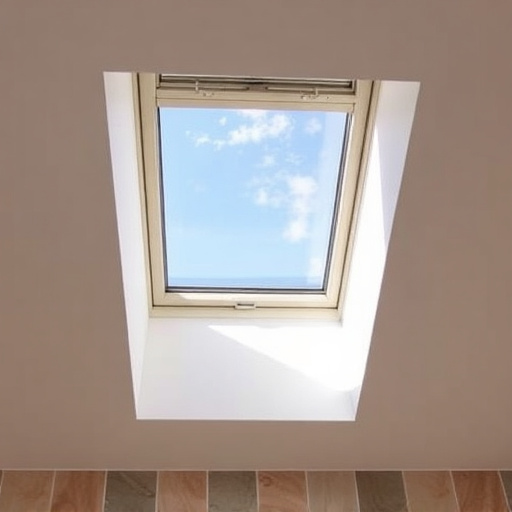
Installing tiles around skylights on an Oro Valley home requires careful planning and execution to ensure both functionality and aesthetic appeal. When integrating tile around a skylight, it's crucial to consider the headlap, which refers to the overlap of tiles, providing a water-tight seal and ensuring no light leaks. With S tile profiles, a common choice in the region due to their durability and design flexibility, the headlap can be adjusted to fit the unique shape of a skylight, allowing for a seamless transition.
A key step is preparing the underlayment. Unlike standard roofs, skylight areas often require a two-layer underlayment system to manage moisture effectively. This involves using a primary underlayment, such as a synthetic underlayment membrane, followed by a secondary layer, like a fiber-glass mat, for added protection against leaks. The local building department, like the one in Oro Valley, can provide specific guidelines and requirements for underlayment materials and installation.
When nailing tiles, it's essential to follow proper nailing patterns to avoid damaging the skylight's frame or the tiles themselves. A local roofing contractor serving Oro Valley with experience in tile installations around skylights can offer valuable insights and ensure the job is done right. Use tile clips in high-wind areas to secure the tiles, as strong winds can cause debris to accumulate in valleys and around skylights, leading to potential water damage and aesthetic issues. Always follow the manufacturer's instructions for tile installation and consider the unique challenges posed by skylights, such as temperature changes and sunlight exposure, which can impact tile color and efflorescence over time.
Maintaining and Repairing Your Tile Roof Effectively
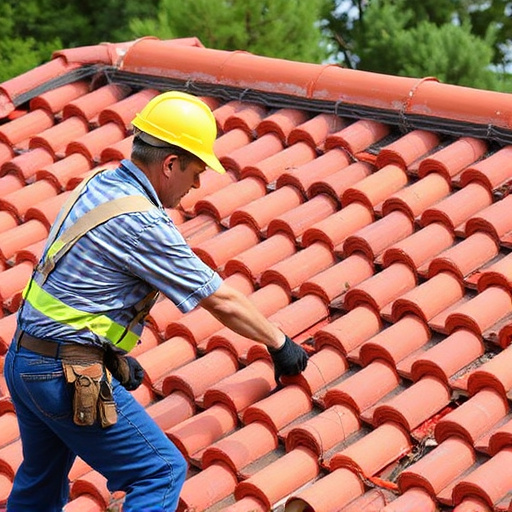
Maintaining and repairing your tile roof effectively is crucial for preserving its aesthetics and structural integrity, especially in the unique climate of Oro Valley. With the region's hot summers and monsoon winds, your tile roof must withstand significant stress. Here, we guide you through the process, highlighting key considerations and best practices.
Regular inspection is the first line of defense. Look for signs of efflorescence on concrete tiles, which can indicate a deeper problem with moisture absorption. Also, be alert for loose tiles, especially during high winds, which can be exacerbated by monsoon storms. If you notice any damage, don't delay; promptly contact a roofer with an Arizona ROC license for assessment and repairs. Early intervention prevents further complications. A simple tile replacement can avoid water intrusion and costly interior damage.
When repairing or replacing tiles, ensure proper underlayment and flashing to safeguard against water penetration. Use two-layer underlayment systems for enhanced durability, especially in areas prone to high winds, like Oro Valley. Consider the weight of your roof; S tile profiles are lighter and may be more suitable for older structures or additions, while concrete tiles offer superior strength for new builds. When dealing with skylights, take extra care to protect surrounding tiles, as these areas are more vulnerable to damage during installation or repair.
Proper maintenance extends the life of your tile roof. After storms, inspect for debris buildup in valleys and around skylights. Regular cleaning, using safe methods and materials, prevents dirt and grime from attracting moisture. Consider using tile sealers, though be mindful of their pros and cons. Lastly, store spare tiles securely, protecting them from sun fading and potential pest damage, a common issue in the desert heat.
Frequently Asked Questions About a practical guide to tile roofs on Oro Valley homes
What are the benefits of a tile roof for Oro Valley homes?
Tile roofs offer several advantages for Oro Valley properties. They are known for their durability and long-term performance, with the right maintenance, a tile roof can last 30-50 years or more. This makes them a cost-effective choice in the long run. Tile is also highly resistant to fire, wind, and extreme temperatures, providing superior protection to your home. Tile roofs add aesthetic appeal with a wide range of colors and styles available, allowing homeowners to enhance their home's curb appeal.
How long does the installation process take?
Most tile roof installations in Oro Valley typically take one to two days, depending on the size and complexity of the project. This involves removing the existing roof (if applicable), preparing the decking, installing underlayment, placing the tiles, and adding the finishing touches. A licensed Oro Valley area roofing contractor, like DC Roofing of Arizona, will provide a detailed estimate and timeline based on your specific needs.
Are tile roofs expensive?
The cost of a tile roof can vary widely depending on the type of tile, the complexity of the installation, and the size of your roof. Generally, tile roofs are considered a higher-end option compared to traditional roofing materials like asphalt shingles. However, when factored into the long-term durability and low maintenance requirements, they can be a cost-effective choice in the long run.
What types of tile roofs are available?
There are several types of tile roofs commonly used in Oro Valley, each with its own unique characteristics:
- Spanish (or Mediterranean) Tile: These are curved, hand-formed tiles that offer a traditional aesthetic.
- Concrete Tile: More modern and durable, concrete tiles are machine-made and come in a variety of shapes and colors.
- Metal Tile: A lighter-weight option that mimics the look of tile but is made of metal, offering excellent resistance to corrosion.
How do I maintain a tile roof?
Regular cleaning and inspection are key to maintaining a tile roof. Once a year, inspect your roof for any loose or damaged tiles. Remove moss, lichen, and debris buildup to prevent water damage. For optimal performance, address any leaks or problems promptly.
Will a tile roof add value to my home?
Absolutely. A well-maintained tile roof can significantly increase the value of your Oro Valley home. Its durability, longevity, and aesthetic appeal make it a desirable feature for potential buyers.
As you've navigated this practical guide to tile roofs in Oro Valley, you now possess a deep understanding of the planning, installation, and maintenance processes involved. Key takeaways include the importance of choosing the right tile profile suited to the local climate and architectural style, with Spanish Colonial Revival homes often featuring Spanish mission tile. Installing tiles around skylights requires careful planning and specialized techniques, as discussed in the step-by-step guide. Regular maintenance, from cleaning to checking for efflorescence, is crucial to preserve the roof's integrity and longevity. Understanding the underlayment lifespan and the impact of foot traffic and wind helps in proactive roof care.
Moving forward, consider these practical next steps:
- Stay Informed on Regulations: Familiarize yourself with building department guidelines, such as those from the Oro Valley Building Department, to ensure your tile roof installation and maintenance align with local codes.
- Prioritize Roof Care: Implement a regular tile roof care checklist, addressing issues like debris buildup in valleys and pest entry points, to maintain the roof's performance and extend its lifespan.
By integrating these learnings and taking proactive measures, you'll ensure your Oro Valley home's tile roof remains a durable, aesthetically pleasing, and safe component of your property for years to come.
Tile Roofs in Oro Valley: A Practical guide
Selecting and installing a tile roof in Oro Valley requires careful consideration of climate, building codes, and design. Local contractors recommend flat tiles for better heat dissipation and easier installation, especially in the intense desert sun. Proper underlayment, tile clips in high winds, and specific nailing patterns are crucial for performance. Regular cleaning, sealing, and inspections are vital to maintain the roof's integrity, protect against pests, and preserve its aesthetic appeal. When integrating tile around skylights, pay close attention to headlap, underlayment, and nailing patterns to ensure functionality and water resistance. Regular maintenance, including tile replacement and sealing, extends the life of your tile roof.