As homeowners, keeping an eye on our properties' exterior is crucial, especially for the health of our tile roofs. These robust structures protect our homes from the harsh desert climate, but they require regular attention to spot potential issues early. One common concern that often goes unnoticed from the ground is the fading of tile colors due to prolonged sun exposure. This article equips homeowners with a comprehensive checklist to identify various tile roof problems, from efflorescence on concrete tiles to damage from foot traffic, without needing a ladder. By the end, you'll be well-prepared to maintain your tile roof and ensure its longevity.
- Inspecting Your Tile Roof's Exterior
- Recognizing Signs of Sun Faded Tile Colors
- Common Ground-Level Problems to Watch For
- When to Call a Professional Roofer
Inspecting Your Tile Roof's Exterior
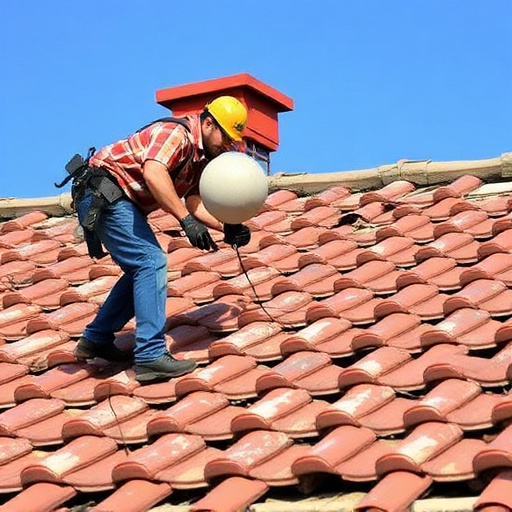
When inspecting your tile roof from the ground, pay close attention to its exterior condition. While some issues may require professional attention from a roofer with an Arizona ROC license, being vigilant can help catch potential problems early. Look for signs of sun faded tile colors or discolored areas, which could indicate excessive UV exposure or water damage. These issues often manifest as lighter shades or spots of loss on the tile's surface.
Also, check for any hail damage, especially if your home is in a region prone to storms. Hail can leave noticeable dents or chips in both clay and concrete tile profiles. Look for broken or missing tiles, which could expose the underlying underlayment to the elements. Keep an eye out for loose or curled tiles, which might be signs of wear and tear or poor installation.
The mortar set versus dry ridge debate is less relevant to a visual ground-level inspection, but understanding these terms can help you assess the overall quality of the roof. Look for well-defined ridges and valleys-they should be clean and free of debris. Debris buildup in these areas can lead to water retention, potentially causing damage over time. Check the tile nailing patterns for consistency and proper spacing, as irregular patterns could indicate subpar installation or potential structural issues.
Regularly inspecting your tile roof from the ground can help you catch problems before they become costly repairs. By being observant and knowledgeable about the different components, you can ensure that your roof remains in top condition.
Recognizing Signs of Sun Faded Tile Colors
Recognizing sun faded tile colors is a crucial part of maintaining your tile roof, especially in our region's sunny climate. UV exposure from the intense desert sun can cause tile colors to lighten over time, leading to an unappealing and inconsistent appearance, particularly in areas like Rancho Vistoso known for their barrel tile roofs. This gradual change is often more noticeable in lighter-colored tiles, which can make your roof look outdated or poorly maintained.
To spot these signs early, homeowners should regularly inspect their roofs, paying close attention to any variations in color. Look for tiles that appear lighter or have a different hue compared to their neighbors. This could indicate that the sun has faded the surface of the tile, exposing the underlying concrete to a different level of UV radiation. In some cases, you might notice dark spots on the tiles, which are often areas where the UV light has broken down the tile's surface, allowing moisture to seep in and cause further damage.
DC Roofing of Arizona, a local roofing contractor, recommends scheduling a thorough roof inspection at least once a year to identify any potential issues, including sun faded tile colors. During these inspections, our experienced technicians will not only assess the overall condition of your roof but also provide valuable advice on maintenance and repair. If faded tile colors are discovered, we can recommend specific cleaning techniques or even the application of tile sealers to protect the remaining color and extend the life of your roof. Regular care and prompt attention to these details can ensure your tile roof retains its beauty and structural integrity for years to come.
Common Ground-Level Problems to Watch For

As a homeowner, keeping an eye on your tile roof from the ground can help you spot potential issues early. While many problems require professional attention, being vigilant can save you from costly repairs. Here's a detailed checklist of common ground-level issues to watch for, focusing on telltale signs that might indicate trouble.
One of the most noticeable concerns is the aesthetic aspect: sun faded tile colors. In the harsh desert climate, tile roofs can show signs of discoloration due to prolonged sun exposure. This is particularly evident in homes with lighter-colored tiles, which may appear darker or patchy compared to their original hue. A Santa Fe style home with terra cotta tiles might exhibit a yellowish tint over time. While this is a natural aging process, severe fading could indicate underlying issues like poor sealing or debris buildup.
Another critical area to inspect is the headlap-the overlap of tiles on your roof. Over time, this area can become damaged, allowing water penetration. Look for cracks or missing portions of the headlap, especially around valleys and corners. A well-maintained tile roof should have a continuous, intact headlap to ensure proper water run-off and protection. Checking the underlayment-the layer beneath the tiles-is essential. Two-layer underlayment systems, recommended by many Oro Valley Building Department guidelines and local roofing contractors, offer enhanced protection against leaks. Look for signs of mold, rot, or deterioration, which could indicate a problem with the underlayment.
Regularly examining your roof's edges and flashings is also crucial. Tile roof edge metal should be secure and free from corrosion. Any loose or damaged flashing could allow moisture to seep into your attic, leading to structural damage and increased energy costs. Consider the tile clips-metal fasteners that hold tiles in place. In high-wind areas, these clips must be securely fastened to withstand intense gusts, as they play a vital role in preventing tile damage or dislodgement. Lastly, be aware of pest entry points around skylights or vents, as these areas can attract rodents or insects, causing further roofing issues. An experienced Oro Valley roof specialist recommends addressing these potential problem areas promptly to ensure the longevity of your tile roof.
When to Call a Professional Roofer

As a homeowner, keeping an eye on your tile roof from the ground can help you identify potential issues early on. However, some problems require the expertise of a professional roofer. Knowing when to call in the pros can make all the difference in maintaining a safe, structurally sound roof. One clear sign to watch for is sun-faded tile colors, which can indicate that your tiles are not receiving adequate protection from UV rays. This is especially true in the Oro Valley area, where intense desert sunlight can take a toll on your roof over time.
Another red flag that warrants professional attention is the presence of efflorescence on your concrete tiles. Efflorescence is a white, powdery substance that forms when lime and other impurities in the concrete react with moisture. While it's typically harmless, excessive efflorescence can be an indication of poor installation or underlying issues with moisture absorption. A roofing contractor serving Oro Valley and Marana can assess the situation and determine the best course of action, which may include re-grouting or applying a special coating to protect the tiles.
Regular maintenance, such as inspecting your roof for bird nests and replacing the 30-lb felt underlayment every few years, is crucial. However, some problems may not be immediately apparent. Foot traffic damage, ridge damage due to improper nailing patterns, or even pest entry points can all contribute to long-term structural issues. A professional roofer has the expertise to identify these problems and recommend solutions, such as reinforcing damaged areas or installing additional layers of underlayment for added protection. Remember, catching these issues early can prevent costly repairs down the line.
Frequently Asked Questions About a homeowner checklist for spotting tile roof problems from the ground
What is the purpose of a tile roof checklist?
A tile roof checklist is a practical guide designed to help homeowners visually inspect their tile roofs from the ground for potential issues. Regular checks are crucial as they allow for early detection of problems like missing or damaged tiles, leaks, or structural weakness, enabling prompt repairs and preventing more serious, costlier damage.
How often should I inspect my tile roof?
Most roofing experts recommend inspecting your tile roof at least twice a year, ideally during the spring and fall. This allows you to identify and address issues before they escalate. Look for changes in the appearance of the tiles, underlayment, or signs of water damage.
What tools do I need to inspect my tile roof?
A good pair of binoculars, a camera, and a ladder (if necessary) are all you need. The binoculars will help you get a close-up view of your roof without climbing up. The camera allows you to document any issues you find. A ladder is only necessary if you need to get a closer look at hard-to-reach areas.
What should I look for during the inspection?
Look for missing, cracked, or loose tiles, visible signs of water damage, mold growth, or discolored areas. Check for proper drainage, as clogged gutters or a sloping roof can cause water to pool and damage the underlayment. Also, inspect the flashing for any signs of wear or tearing, as this can lead to leaks.
How do I know if I have a leak in my tile roof?
Leaks can be hard to detect from the ground, but look for stains on the ceiling, discolored or warped drywall, or a musty smell. If you suspect a leak, consult a professional roofer to help pinpoint the source. They can perform further tests and offer solutions to prevent future damage.
What should I do if I find a problem with my tile roof?
If you notice any significant issues, contact a licensed roofing contractor, such as DC Roofing of Arizona, for an expert assessment. They can provide solutions tailored to your specific problem, ensuring the longevity and performance of your tile roof. Regular maintenance and prompt repairs are key to preserving the integrity of your home's roofing system.
As homeowners, staying vigilant about our tile roofs' health is crucial, especially in the demanding desert climate. By learning to recognize key indicators, we can proactively spot issues like sun-faded tile colors, efflorescence on concrete tiles, and foot traffic damage from the ground. Regularly inspecting our roofs for mortar set versus dry ridge problems and checking underlayment lifespans can save us significant headaches down the line. This checklist equips us with the knowledge to maintain our tile roofs effectively, ensuring their longevity, fire resistance, and aesthetic appeal, particularly when incorporating Spanish mission tile designs.
Next steps are clear: schedule periodic inspections, remain attuned to unusual changes, and consult a professional roofer when needed. By doing so, we protect our investments, safeguard our homes, and maintain the beauty of our roofs, whether they're flat or curved, concrete or clay, for years to come.
Tile Roof Inspection Checklist:
- Sun Faded Tile Colors: Look for lighter or discolored areas, especially in lighter-colored tiles, indicating UV damage.
- Hail Damage: Check for dents, chips, or broken tiles, exposing underlayment.
- Loose/Curled Tiles: These may signal wear and tear or poor installation.
- Mortar Set vs. Dry Ridge: Ensure ridges and valleys are well-defined and free of debris buildup.
- Tile Nailing Patterns: Consistency and proper spacing are vital; irregular patterns hint at potential issues.
Regular ground-level inspections catch problems early, ensuring your tile roof remains in top condition.