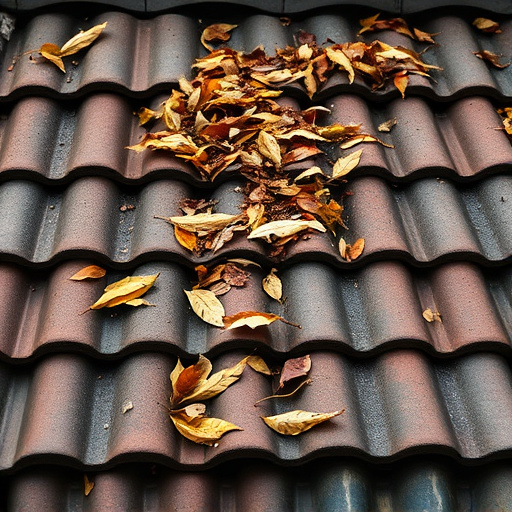
In the hot, arid climate of flat tile profiles, your roof is more than just an exterior-it's a critical defense against the elements. Tile roofs, renowned for their durability and fire resistance of tile roofs, can outlast most materials. However, a common concern arises: why does the underlayment beneath the tile often fail before the tiles themselves? This article examines the intricate dynamics at play, exploring the factors contributing to underlayment wear and the key role it plays in a tile roof's longevity. By the end, you'll understand the science behind this issue and be equipped with insights to ensure your tile roof's optimal performance for years to come.
- Understanding Tile Underlayment: Its Role and Limitations
- Factors Accelerating Underlayment Degradation
- Fire Resistance: A Key Consideration for Tile Roofs
- Extending Lifespan: Maintenance Strategies for Underlayment
Understanding Tile Underlayment: Its Role and Limitations
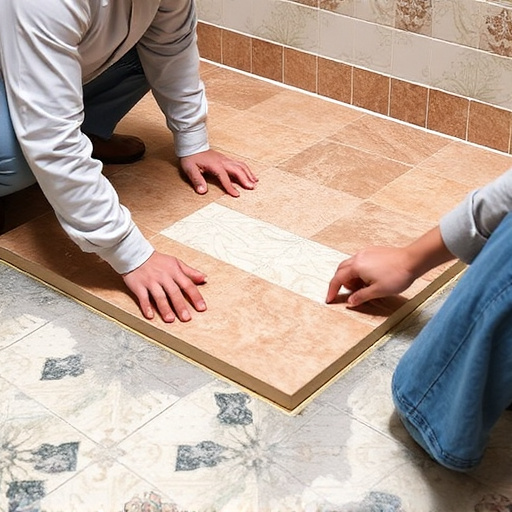
Tile underlayment plays a crucial role in the longevity and performance of a tile roof, but it isn't indestructible. Unlike the durable clay or concrete tiles that form the visible surface, underlayment-the protective layer beneath-can show signs of wear and tear before the tiles themselves do. Understanding this dynamic is essential for homeowners and property managers, especially in the unique climate and architectural styles of Oro Valley.
The primary function of tile underlayment is to shield the structural components of a roof-the trusses, rafters, and sheathing-from the elements and physical stress. It provides a secondary barrier against moisture intrusion, preventing water from seeping through tiny cracks and gaps around tiles. A well-installed underlayment also absorbs some of the impact from foot traffic and wind-driven debris, protecting the roof deck from damage. However, these same factors contribute to its eventual deterioration. The harsh desert heat, constant UV exposure, and the weight of tile and snow can degrade even the most robust underlayment over time.
Two-layer underlayment systems, a best practice in many regions, offer enhanced protection. An additional layer provides extra coverage and a backup against damage, particularly in areas prone to heavy foot traffic or high winds. A Santa Fe-style home with a tile roof, known for its flat planes and low-slung design, might benefit from this extra layer. Yet, even with this enhanced protection, a local roofing company serving Oro Valley may need to replace the underlayment before the tiles show signs of wear, especially in older installations. Regular inspection and maintenance are crucial to identifying these issues early. Key indicators of wear include crumbling edges, fraying, and loose or curled edges, all of which can lead to leaks and structural damage if left unaddressed.
The fire resistance of tile roofs is a significant advantage, but it's not solely dependent on the tiles themselves. Underlayment matters in this as well. Concrete tile, known for its excellent fire resistance, relies on a robust underlayment to maintain its protective barrier. As underlayment ages, its ability to insulate and protect against fire may diminish, requiring replacement to ensure the overall safety of the structure. Understanding these dynamics allows homeowners and property managers to make informed decisions about their tile roofing investments, ensuring both aesthetic appeal and structural integrity for years to come.
Factors Accelerating Underlayment Degradation
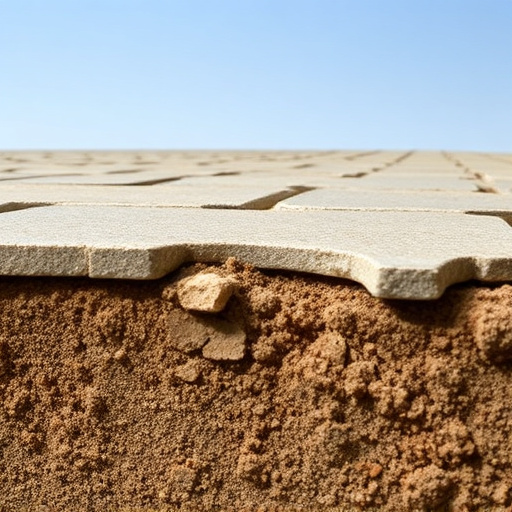
The longevity of a tile roof depends on more than just the durability of the tiles themselves. While clay and concrete tiles are renowned for their resistance to wear, the underlayment-the protective layer installed beneath the tiles-is a crucial component that often shows signs of degradation before the tiles do. Understanding the factors accelerating this process is essential for homeowners and roofing professionals alike.
Several elements contribute to the premature wear of tile underlayment. One significant factor is the extreme climate in regions like Oro Valley. The intense desert heat and sudden power outages can cause the underlayment to expand and contract, leading to cracks and separations. Local utility companies advise residents to prepare for power cuts, but these unpredictable events can still cause damage, especially when combined with the intense sun exposure that deteriorates the underlayment material over time.
The weight of the roof system, including tiles, battens, and mortar, puts stress on the underlayment. Improper installation, such as using the wrong nailing patterns or inadequate fastening, can exacerbate this issue. A dry ridge system, while offering certain advantages, requires precise placement and secure fastening to prevent shifting and loosening of the underlayment. Foot traffic on rooftops, especially during construction or maintenance, can cause significant damage, particularly in areas with heavy tile coverage or poor headlap.
Regular maintenance, such as cleaning and sealing, matters in extending the life of the underlayment. Homeowners and roofing contractors from local Oro Valley companies should follow a comprehensive care checklist that includes inspecting the underlayment for efflorescence, signs of moisture, or loose tiles. Addressing these issues promptly can prevent further damage. Concrete tile underlayment may require re-grouting or sealing to combat efflorescence, while clay tile underlayments may benefit from a protective coating to resist moisture absorption.
Fire Resistance: A Key Consideration for Tile Roofs
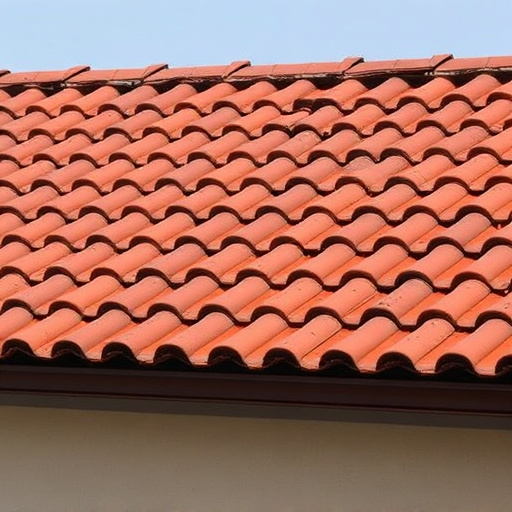
The fire resistance of tile roofs is a critical consideration for homeowners and building departments alike, particularly in regions prone to wildfires, like Oro Valley. While tile roofing is renowned for its durability, the underlayment-the protective layer beneath the tiles-can degrade faster than the tiles themselves, especially under intense UV exposure. This is particularly true for concrete tile, a popular choice in the region due to its fire resistance and low maintenance.
In arid climates, like that of Oro Valley, the sun's relentless UV rays can weaken the bond between tiles and underlayment over time. Flat tile profiles, common in local architecture, are particularly susceptible to damage from foot traffic and debris accumulation, further exacerbating the issue. The underlayment's role in protecting the structural integrity of the roof becomes evident when considering the weight of the tiles and the stress of extreme weather conditions. A two-layer underlayment system, recommended by experts, offers enhanced protection but is not immune to the effects of heat and moisture.
Regular maintenance, such as cleaning and inspecting the roof, is essential to prolonging the life of the underlayment. Using appropriate tile roof sealers can provide an extra layer of defense against UV damage and moisture ingress. However, not all sealers are created equal; understanding their pros and cons is key. A licensed Arizona roofer might advise that certain sealers, while effective, can be noisy and may not be suitable for historical or aesthetically sensitive buildings. Proper storage of spare tiles and careful consideration of tile nailing patterns can mitigate the impact of high winds and pest entry points, ensuring the longevity of the tile roof and its underlayment.
Extending Lifespan: Maintenance Strategies for Underlayment
Extending Lifespan: Maintenance Strategies for Underlayment
While tile roofs are renowned for their durability and fire resistance, the underlayment-the protective layer beneath the tiles-can degrade faster than the tiles themselves. This phenomenon is particularly pronounced in the harsh desert climate, where intense sun exposure, fluctuating temperatures, and high winds can accelerate wear and tear. In Oro Valley, where many homes feature either Spanish Colonial or Santa Fe style architecture, understanding this issue is crucial for maintaining a roof that will stand the test of time.
Two-layer underlayment systems offer a superior solution for enhancing the longevity of your tile roof. By incorporating a second layer of protection beneath the primary underlayment, this method significantly improves resistance to foot traffic, wind damage, and even pest entry. A roofing contractor serving Oro Valley and Marana might recommend this system for homes with high foot traffic areas or those situated near areas prone to strong winds. Regular cleaning and sealing of the underlayment can mitigate issues like efflorescence on concrete tiles and sun-faded tile colors, further extending the roof's life.
Proper storage of spare tiles and routine inspection for signs of damage, rot, or pest activity are also vital. The Oro Valley Building Department recommends homeowners keep a supply of spare tiles on-hand, particularly for older homes with Spanish mission tile roofs. Understanding the best nailing patterns and edge metal placements, as well as the use of tile clips in high-wind zones, can help safeguard your tile underlayment against extreme weather conditions. These strategies, when combined with regular care and a deep understanding of local building codes, ensure that your tile roof maintains its beauty, integrity, and fire resistance for years to come.
Frequently Asked Questions About an explainer on why tile underlayment wears out before the tile does
Why does tile underlayment fail before the tiles themselves?
Tile underlayment, while crucial for a tile installation's longevity, is not designed to last as long as the tiles. Its primary function is to absorb water vapor, distribute moisture evenly, and provide a level surface for the tiles. Over time, factors like prolonged water exposure, extreme temperatures, and constant foot traffic can degrade the underlayment, leading to peeling, cracking, or bulging-long before the tiles start to show signs of wear.
What are the common causes of underlayment failure?
The primary culprits are persistent water seepage, inadequate ventilation, and suboptimal installation. Moisture can infiltrate through cracks, gaps, or poor-quality sealants, causing the underlayment to swell and weaken. Insufficient ventilation traps heat and humidity, exacerbating the problem. Improper installation, such as misalignment or uneven laying, can put excessive strain on the underlayment, leading to premature failure.
How can I extend the lifespan of my tile underlayment?
Regular maintenance and careful installation are key. Ensure proper sealing around fixtures and in corners to prevent water intrusion. Adequate ventilation in the space below the tiles helps regulate temperature and humidity levels. Also, choose a high-quality underlayment designed for your specific tile and subfloor type, and follow the manufacturer's installation guidelines.
Will a thicker underlayment always delay wear?
While a thicker underlayment can offer added protection, it's not a guaranteed solution. Thicker materials might resist visible signs of wear longer, but they can also trap more moisture, accelerating degradation from water damage. The best approach is to select an underlayment suited to your installation's needs, considering factors like expected moisture levels, environmental conditions, and foot traffic.
Are there signs I should replace the underlayment?
Absolutely. Look for signs like peeling, cracking, bulging, or mold growth beneath the tiles. If the underlayment feels soft or gives way when pressed, it's likely failed and should be replaced. Addressing these issues promptly prevents further damage to your tile installation and underlayment.
As we've explored, understanding tile underlayment-its role, limitations, and the factors that accelerate its degradation-is crucial for maintaining the longevity of your tile roof. A key takeaway is that while underlayment protects your tiles from moisture and sunlight, it's not invincible. In particularly hot, dry climates like ours, underlayments, especially those made from traditional materials, can wear out faster than the tiles above them.
Fire resistance, a critical consideration for any roofing material, is also a factor with underlayment. Concrete tile underlayments offer superior fire resistance compared to their clay counterparts, making them a more durable choice in fire-prone areas.
Extending the lifespan of your tile underlayment involves proactive maintenance strategies. Regular inspection, addressing leaks promptly, and ensuring proper ventilation are essential. Two-layer underlayment systems and proper nailing patterns, as recommended by experts like the Arizona Solar and Roofing Association, can also bolster protection.
The practical next steps are clear: prioritize regular maintenance, choose fire-resistant underlayments, and consider the specific climate and building code requirements for your Oro Valley home. By doing so, you'll ensure your tile roof, underlayment, and the entire structure remain protected for years to come, reinforcing the robust and enduring nature of tile roofing in our desert environment.
Tile underlayment, vital for tile roof longevity, degrades faster than tiles in harsh climates. Factors like desert heat, UV exposure, and foot traffic accelerate wear. Two-layer systems offer enhanced protection, recommended for areas prone to high winds or foot traffic. Regular maintenance, including cleaning, sealing, and inspection, extends underlayment life. Proper storage, nailing patterns, and pest control also safeguard against damage, ensuring fire-resistant tile roofs remain intact for years.