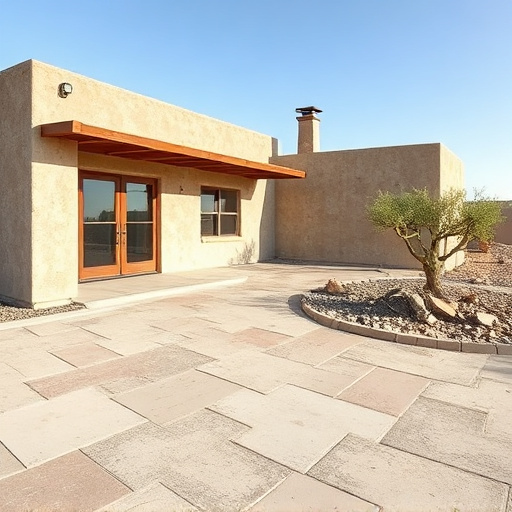
As homeowners, keeping an eye on our properties' exterior is crucial, especially for the often-overlooked tile roof. In the scorching desert heat, these roofs are subjected to intense conditions, from efflorescence on concrete tile to foot traffic damage. Understanding common issues like mortar set versus dry ridge, or the proper headlap and nailing patterns, can help you spot problems early. This checklist guides you in evaluating your tile roof's health from the ground up, ensuring it remains a protective, aesthetically pleasing asset for years to come. Let's learn to identify and address concerns before they become costly repairs.
- Spotting Early Signs of Tile Damage
- Understanding Efflorescence on Concrete Tile
- Regular Maintenance Checks: What to Look For
- Common Roof Problems: How to Identify Them
Spotting Early Signs of Tile Damage
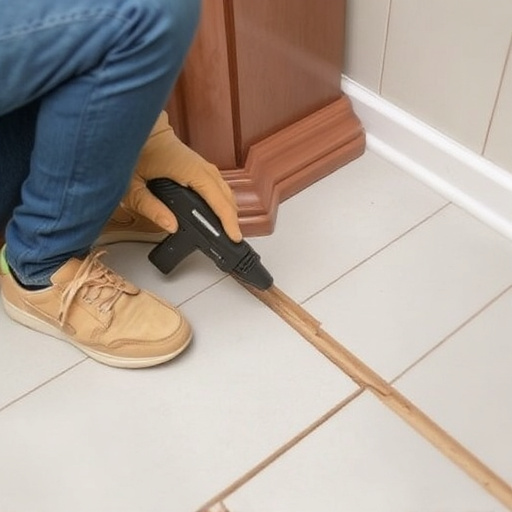
Spotting early signs of tile damage is crucial for homeowners, especially in Oro Valley's unique climate. While regular inspections by an experienced Oro Valley roof specialist are ideal, homeowners can also look for specific indicators from the ground. One telltale sign to watch for is efflorescence on concrete tiles. This white, powdery substance forms when limescale and other mineral deposits build up on the tile surface, often indicating underlying issues like poor drainage or excess moisture. Heavy rainfall or snowmelt can cause water to pool around your roof, leading to efflorescence.
Beyond efflorescence, homeowners should also look for signs of hail damage, particularly in areas with a history of severe storms. Hail can leave small pits or larger cracks in tile roofs, compromising their integrity over time. Spanish Colonial homes, with their traditional tile roofs, are especially vulnerable. Regularly scanning your roof for these signs, especially after a storm, can help catch potential issues early.
Another common problem to look for is bird stop damage. These metal or ceramic strips, designed to prevent birds from nesting on the roof, can become loose or detached over time. While this issue might not directly affect the tiles, it can create entry points for pests and debris, leading to further damage. A thorough ground-level inspection can help homeowners identify these potential weaknesses before they become more serious problems.
Understanding Efflorescence on Concrete Tile
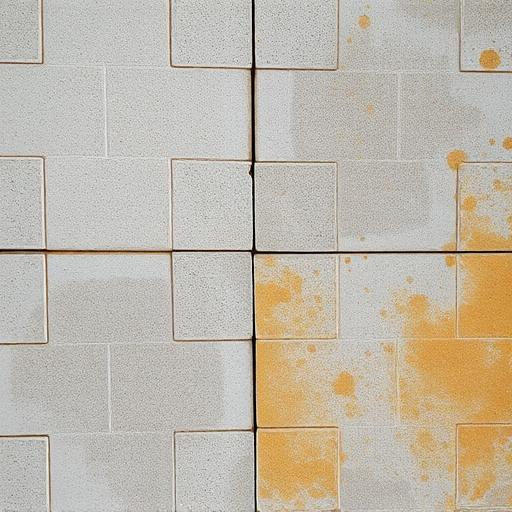
Efflorescence on concrete tile is a common-yet often misunderstood-phenomenon that can signal deeper issues with your roof. This white, powdery residue is the result of a natural process where minerals in the tile leach out and deposit on the surface. While it's typically harmless, excessive efflorescence can indicate problems with your roof's moisture barrier or poor drainage, leading to more serious damage over time.
As a homeowner, it's crucial to be vigilant about checking your roof regularly. With flat tile profiles being a popular choice in the Oro Valley area due to their low maintenance and aesthetic appeal, it's important to know what to look for. When inspecting your tile roof from the ground, pay close attention to any areas where efflorescence is concentrated. This could be a sign of poor drainage or a faulty underlayment, especially if it's accompanied by mold or mildew growth. A licensed Oro Valley area roofing contractor recommends using a soft brush to gently clean the affected areas, removing the powdery residue. However, if the problem persists or is extensive, it may signal a larger issue requiring professional attention.
Understanding the contrast between S tile (a popular alternative to flat tile) and concrete tile is key. S tile, with its curved shape, can sometimes be more prone to efflorescence buildup due to its design. Concrete tile, on the other hand, is known for its durability and resistance to efflorescence. Yet, even with concrete tile, proper maintenance is essential. Regular cleaning and ensuring adequate ventilation in the attic can help mitigate the risk of efflorescence formation. Remember, a well-maintained roof not only preserves the structural integrity of your home but also protects your investment in the long run.
Regular Maintenance Checks: What to Look For

Regular maintenance checks are crucial for identifying potential tile roof problems early on, saving you time and money in the long run. As a homeowner, there are several key areas to scrutinize when inspecting your tile roof from the ground. One common issue worth your attention is efflorescence on concrete tiles. This white, powdery substance can appear due to mineral deposits and, while not harmful, indicates a potential moisture problem. If left unaddressed, excessive efflorescence may signal a more serious issue, such as poor drainage or damaged tiles.
Examine the condition of the battens and tile clips. Over time, these components can rot or come loose, compromising the roof's integrity. A loose tile clip in a high-wind area could lead to damaged or missing tiles. Regular tightening and replacement of worn-out clips and battens are essential maintenance tasks. Also, check for bird nests or other debris buildup in the valleys and along the edges of your roof. These areas can become blocked, hindering water flow and potentially causing damage.
Finally, consider the overall aesthetics of your tile roof. Faded colors or uneven surfaces might indicate sun damage or the need for repainting concrete tiles. Remember, a well-maintained tile roof not only enhances your home's curb appeal but also contributes to its overall structural integrity. For professional guidance tailored to your Oro Valley home, consult with a local roofing contractor like DC Roofing of Arizona. They can provide expert advice on tile roof maintenance and repair, ensuring your roof remains a reliable and attractive feature of your property.
Common Roof Problems: How to Identify Them
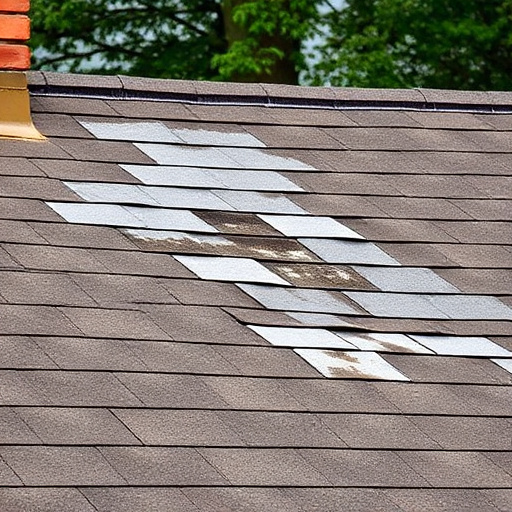
As a homeowner, keeping an eye on your tile roof from the ground can help you spot potential issues early. This is especially important in the Oro Valley climate, where tile roofs are common and subject to unique challenges. One of the most visible and often overlooked problems is efflorescence on concrete tiles, a white, powdery residue that can give your roof a faded or stained appearance. This is typically caused by the leaching of salts from the tile body, often accelerated by the harsh desert sun and high temperatures. Regular inspection will help you catch this early, as it's usually a sign of deeper issues with the tile or the mortar.
Another problem to look for is damage from foot traffic, particularly in areas with heavy footfall or where there are frequent gatherings. Concrete tile is robust, but heavy foot traffic, especially when wet, can lead to cracks, chips, or loose tiles. Mortar set versus dry ridge construction also plays a role here; understanding these differences and their pros and cons can help you assess the overall health of your roof. Synthetic underlayment, a popular choice for new builds, has its own set of considerations. Unlike traditional underlayments, synthetic materials have a different lifespan and require specific nailing patterns, like headlap coverage, to prevent damage.
Regular cleaning is another crucial aspect of tile roof care. While it may seem counterintuitive, allowing debris to accumulate in the valleys and on the surface can lead to blockages, moisture damage, and even pest entry points. Many homeowners opt for safe cleaning methods, like using a soft brush or garden hose, to remove surface dirt and dust without damaging the tiles. Lastly, always be mindful of the weight your tile roof places on your framing. This is especially true when adding on or repairing, as excess weight can lead to structural issues over time. Consulting with a licensed Oro Valley area roofing contractor can provide invaluable insight into these concerns and ensure your roof remains a reliable, low-maintenance asset for your home.
Frequently Asked Questions About a homeowner checklist for spotting tile roof problems from the ground
What are the most common signs of a tile roof problem that I can spot from the ground? Homeowners can look for several telltale signs of tile roof problems from the ground. Missing or loose tiles, water stains or discolored areas on the roof, and cracks or bulges in the tile are common indicators. Also, watch for signs of rust or corrosion around metal components, and keep an eye out for excessive granule loss, which can leave the roof surface exposed and vulnerable.
How often should I inspect my tile roof from the ground? Regular inspection is key to maintaining a healthy tile roof. It's recommended to perform a visual inspection at least twice annually, especially after severe weather events like thunderstorms or high winds. This allows you to identify any damage early on and address it promptly to prevent more serious issues down the line.
Can I identify a tile roof leak without climbing on the roof? While climbing on the roof is often necessary for a thorough inspection, there are some signs of a tile roof leak you can spot from the ground. Look for water stains or discolored areas on the exterior walls or ceilings below the roofline. You may also notice peeling paint or warping of wooden components, indicating moisture intrusion. However, for a definitive diagnosis, it's best to consult a professional roofer.
What should I do if I notice a crack in my tile roof? Cracks in tile roofs can vary in severity. Small cracks or hairline fractures are generally not cause for immediate concern, but larger cracks can compromise the roof's integrity. If you notice a significant crack, especially if it's spreading, contact a licensed Oro Valley area roofing contractor for an evaluation. They can determine the extent of the damage and recommend the best course of action.
Are there any maintenance tips I can follow to protect my tile roof? Absolutely. Regular cleaning and inspection are crucial. Remove debris and leaves from the roof and gutters to prevent clogging and water damage. Also, consider re-sealing the roof every few years to protect against moisture intrusion. Keep an eye out for signs of wear and tear and address them promptly to maintain the roof's longevity.
Who should I contact if I suspect a serious tile roof problem? If you suspect a serious tile roof problem, it's best to contact a licensed and experienced Oro Valley roof specialist. They have the expertise and tools to diagnose and repair complex issues. Look for contractors with a proven track record in the local area and ensure they hold a valid Arizona ROC license for peace of mind.
What should I expect during a tile roof repair or replacement? The process typically involves a thorough inspection to identify the problem, followed by a detailed estimate for the work required. Repairs may involve replacing missing or damaged tiles, securing loose tiles, or repairing flashing and gutters. For major replacements, the old roof is removed, underlayment is installed, and new tiles are fitted. Most installations take one to two days, depending on the size and complexity of the project.
As homeowners, keeping a keen eye on our tile roofs is essential, as many potential issues can go unnoticed from the ground. By understanding the common signs of damage, such as missing or broken tiles, uneven edges, and discolored areas, we can act promptly. The article highlights the importance of regular maintenance, especially checking for efflorescence on concrete tiles, which indicates mineral deposits and requires specific cleaning techniques. Being aware of typical roof problems like foot traffic damage, ridge issues, and pest entries allows us to take preventive measures. Regular inspections, staying informed about local building regulations, and consulting with professionals like the Oro Valley Building Department and local roofing contractors are key to maintaining a safe, structurally sound tile roof. With this knowledge, homeowners can effectively manage and extend the life of their tile roofing systems.
Homeowners in Oro Valley should regularly inspect their tile roofs for:
- Efflorescence: White, powdery residue on concrete tiles, often indicating moisture or drainage issues.
- Hail Damage: Small pits or cracks, especially in areas with storm history, compromising tile integrity.
- Bird Stop Damage: Loose or detached metal/ceramic strips, creating entry points for pests and debris.
Key maintenance tasks include:
- Cleaning efflorescence gently with a soft brush.
- Regularly checking battens and tile clips for wear, tightening as needed.
- Clearing debris from valleys and edges to prevent water blockage.
- Understanding tile types (S tile vs. Concrete) and their maintenance requirements.
- Consulting a licensed Oro Valley roofer for expert advice and repairs.