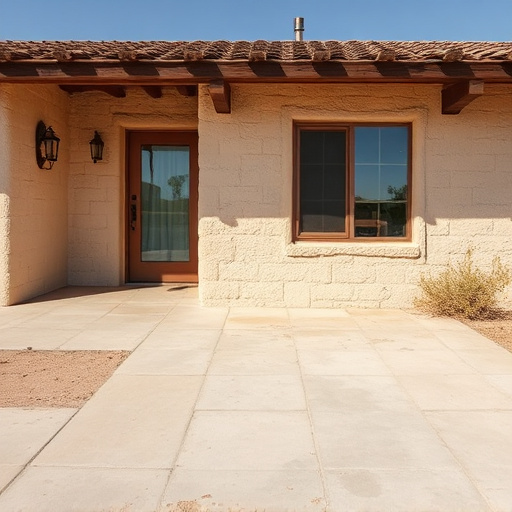
In the arid climate of Oro Valley, tile roofing is a popular choice for its durability and aesthetic appeal. However, a common concern arises: why does the tile underlayment, the protective layer beneath the tiles, often fail before the tiles themselves do? Understanding this issue is crucial for homeowners and roofing contractors alike. This article examines the factors contributing to underlayment deterioration, particularly in flat tile profiles prevalent in our region. By exploring the interplay of desert heat, foot traffic, and weather, we'll uncover why this happens and provide practical solutions, including the strategic use of tile flashing at side walls, to ensure a tile roof's longevity.
- Understanding Tile Underlayment: The Basic Layer
- Factors Accelerating Underlayment Degradation
- When to Replace Tile Flashing at Side Walls
- Long-Term Tile Installation Strategies
Understanding Tile Underlayment: The Basic Layer
The basic layer of a tile roof, often overlooked yet crucial, is the tile underlayment. This protective sheet, installed directly beneath the tiles, serves as a vital barrier against water intrusion, moisture damage, and other environmental factors. However, underlayment doesn't have the same lifespan as the tiles above it. Understanding why this layer wears out faster is essential for homeowners and roofing contractors alike, particularly in the unique conditions of Oro Valley's desert climate.
Tile underlayment, typically made of synthetic materials like 30 lb felt, plays a dual role: it protects the structure from water damage and provides a crucial layer of insulation. Unlike the durable clay or concrete tiles that form the roof's surface, underlayment is exposed to constant sun, wind, and foot traffic, leading to premature wear and tear. The intense desert sunlight can cause the synthetic materials to degrade, resulting in cracks, tears, and holes. Heavy foot traffic, especially on staircases or high-traffic areas, can damage the underlayment, particularly at points where tiles meet. This is where a proper nailing pattern, using the recommended headlap and coverage, becomes crucial to maintaining a robust barrier.
One common issue with underlayment is the potential for efflorescence-a white, powdery residue-on the surface. This occurs when moisture seeps through the tile and leaves behind mineral deposits. While this doesn't always compromise the underlayment's integrity, it's a visual nuisance. To mitigate this, many contractors recommend using a dry ridge system and tile clips, which reduce the risk of water penetration and provide additional security. Regular inspection and maintenance are key. DC Roofing of Arizona, a licensed Oro Valley area roofing contractor, advises homeowners to look for signs of wear, such as curled or missing underlayment, and to address these issues promptly to prevent more significant damage. Remember, the underlayment is the first line of defense for your roof, and its longevity directly impacts the overall durability of your tile roof system, including the tiles themselves.
Factors Accelerating Underlayment Degradation
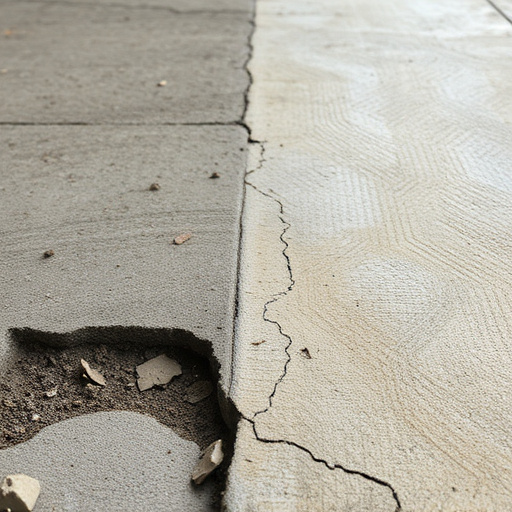
Tile underlayment-the protective barrier between your roof deck and the tile itself-is crucial to the longevity of your tile roof. However, it's not uncommon for underlayment to wear out before the tiles, leading to costly repairs. Several factors accelerate this degradation, and understanding these can help homeowners and roofing professionals alike extend the life of their tile roofing systems.
One significant contributor is the unique environmental conditions in our desert climate. Exposure to intense, direct sunlight can cause the underlayment to weaken and become brittle over time, especially with flat tile profiles, which offer less shade compared to more curved designs. The efflorescence that can appear on concrete tile is not just an aesthetic concern; it's a sign of moisture intrusion, which can weaken the underlayment and tile. To mitigate these issues, regular inspections and cleaning are crucial. Using tile roof sealers, which protect against both UV damage and moisture, can be beneficial, though they must be reapplied periodically.
Another factor is the constant foot traffic on your roof, especially during and immediately after installation. Even with proper headlap and nailing patterns, the repeated pressure can cause the underlayment to wear thin, particularly in areas where tiles are more tightly packed. This is why two-layer underlayment systems are often recommended for heavy-use areas or when installing tile over existing shingles. The way tiles are installed, particularly around skylights and at side walls where tile flashing is required, can impact underlayment lifespan. A roofer with an Arizona ROC license will understand these nuances and ensure proper installation to minimize future damage.
Lastly, improper storage and handling of spare tiles can lead to damage that indirectly affects the underlayment. Stacking tiles incorrectly, for instance, can cause them to bend, putting excessive strain on the underlayment and potentially leading to rips or tears. Proper tile storage, with tiles laid flat and separated to prevent bending, is essential. By addressing these factors and implementing best practices, homeowners can help ensure that their tile underlayment-and their roof-last as long as possible.
When to Replace Tile Flashing at Side Walls
Tile underlayment, while crucial for protecting against moisture and protecting the structure below, is not indestructible. Unlike the tiles themselves, which can last several decades with proper care, the underlayment often needs replacement before the tiles do. This is especially true for tile flashing at side walls.
Over time, tile flashing-the critical component that seals the tile to the wall-can become damaged. Exposure to harsh desert sunlight can cause the material to weaken and crack, especially in areas prone to extreme temperature fluctuations. Side walls are often more vulnerable to foot traffic and debris, leading to wear and tear. The constant movement of people walking along the roof's edge can loosen the flashing, while debris accumulating in the valleys between tiles can trap moisture, further compromising the underlayment.
Consider the two primary types of tile flashing systems: ridge mortar and dry ridge. Ridge mortar, while effective, requires precise installation and can be more susceptible to damage from heavy foot traffic. Dry ridge systems, on the other hand, offer greater flexibility but need regular inspection and maintenance. A roofer with an Arizona ROC license recommends inspecting the flashing annually, looking for cracks, loose tiles, or signs of water intrusion. Replacing the flashing is crucial when any of these issues are detected. A local roofing contractor in Oro Valley recently replaced tile flashing on a Spanish mission-style home, extending the life of the roof by several years.
Regularly replacing the tile flashing at side walls is a proactive measure that ensures the longevity of your tile roof. It's a key aspect of maintenance that often goes overlooked, but it can prevent costly repairs down the line. Remember, the tile flashing at side walls acts as the first line of defense against the elements and wear and tear, making its timely replacement a critical part of any comprehensive tile roof care regimen.
Long-Term Tile Installation Strategies
One of the most significant factors in the longevity of a tile roof isn't the quality of the tiles themselves, but the performance of the underlayment beneath them. While tile-especially concrete tile-is renowned for its durability, the underlayment can degrade faster than the tiles, leading to leaks, water damage, and, ultimately, a compromised roof system. Understanding why tile underlayment fails before the tile does is crucial for homeowners and property managers looking to ensure a long-lasting roof.
Over time, the constant exposure to the desert sun, extreme temperatures, and UV radiation takes a toll on the underlayment. Many underlayments rely on a ridge mortar-a mixture of cement and sand-to hold them in place. This mortar can dry out, crack, and become brittle, especially in the harsh Oro Valley climate. As the underlayment weakens, it becomes more susceptible to damage from foot traffic, debris accumulation in valleys, and even bird nests, which can weigh down the system and create weak points. These vulnerabilities allow water to seep in, leading to efflorescence-a white, powdery residue-on the concrete tiles and, eventually, rot in the wooden framing.
To mitigate these issues, a two-layer underlayment system is recommended. This involves using a moisture-resistant underlayment, often made from synthetic materials, as the primary layer, and a more traditional paper-based layer on top. Proper installation includes securing the underlayment to the roof deck with tiles clips, ensuring adequate headlap-the overlap of the underlayment beneath each tile-and proper flashing at the side walls, which prevents water from seeping behind the tiles. Regular cleaning and maintenance, including clearing debris from valleys and inspecting for signs of damage or wear, are also essential. A licensed Arizona roofer can offer expert advice on the best underlayment options for your specific roof design and provide a durable, long-term solution.
Frequently Asked Questions About an Explainer on Why Tile Underlayment Wears Out Before the Tile Does
What is tile underlayment, and why is it important?
Tile underlayment is a protective layer installed between the tile surface and the substrate. It serves as a barrier, protecting against moisture, thermal expansion, and contraction, and provides a level surface for the tile to rest on. A good underlayment ensures the tile's longevity, preventing cracks and dislodging, and making installation easier.
Why does tile underlayment wear out?
Tile underlayment is designed to withstand stress but has a finite lifespan, especially in high-moisture environments or where there is significant temperature variation. Over time, the underlayment can become damaged due to water infiltration, leading to mold and mildew growth. It may also degrade due to UV exposure, chemical reactions with cleaning products, or the constant movement of the building structure.
How do I know if my tile underlayment needs replacing?
Look for signs of damage, such as cracks, bulges, or peeling. If you notice any of these issues, especially in areas exposed to moisture, it's a good indicator that the underlayment is compromised. Also, check for signs of water damage or mold, which can weaken the underlayment and cause it to fail.
What happens if tile underlayment fails?
Failed underlayment can lead to serious problems. It can cause tiles to become loose, crack, or even fall off. Moisture intrusion can result in water damage, mold growth, and deterioration of the subfloor. Prompt replacement is crucial to prevent these issues and ensure the structural integrity of the building.
How often should tile underlayment be replaced?
There is no one-size-fits-all answer. The lifespan of underlayment depends on factors like installation quality, environmental conditions, and foot traffic. Most underlayments last 10-20 years, but in commercial settings or areas with high humidity, they may need replacing sooner. Regular inspection is key to identifying any issues early.
Can I install new tile over old underlayment?
In many cases, it's best to replace the underlayment if it's old or damaged. Installing new tile over old underlayment can lead to problems if the underlayment is weakened or not properly level. If the old underlayment is in good condition and compatible with the new tile, it might be suitable, but professional assessment is recommended.
What should I do if I'm unsure about my tile underlayment?
If you suspect your underlayment is failing or you're unsure about its condition, consult a professional roofing contractor or tile specialist. They can inspect the area, assess the damage, and recommend the best course of action, ensuring your tile installation is safe and durable.
Understanding the role of tile underlayment-the unsung hero beneath every tile roof-is crucial for ensuring long-term protection. This article has illuminated several key insights. First, tile underlayment degrades faster than tile due to constant exposure to UV rays, extreme temperatures, and foot traffic. This phenomenon is especially pronounced in the desert heat of flat tile profiles, where clay and concrete tiles alike face relentless solar fading and efflorescence. Regular maintenance, including inspecting tile flashing at side walls, is vital. Replacing flashing as needed and adhering to proper nailing patterns and headlap coverage can extend underlayment life.
The use of two-layer underlayment systems, proper weight distribution on framing, and efficient debris management in tile valleys offer significant advantages. Implementing these strategies alongside the recommended tile roof care checklist, safe cleaning techniques, and the use of proven sealers, can lead to a durable and aesthetically pleasing tile roof.
When considering a new build or addition, consulting with Spanish mission tile homes experts can integrate historical design guidelines, ensuring both beauty and longevity. This article equips homeowners and contractors with the knowledge to make informed decisions, promoting fire resistance, minimizing pest entry, and mitigating noise and wind damage. By prioritizing tile flashing at side walls and adopting these long-term strategies, the lifespan of tile underlayment-and the overall roof-can be significantly enhanced.
Why Tile Underlayment Fails Before Tiles: A Practical guide
The desert climate in Oro Valley accelerates the wear of tile underlayment, a crucial barrier against water damage. Exposure to sunlight, foot traffic, and efflorescence contribute to its premature failure. Underlayment degradation allows water intrusion, compromising the entire roof system. Regular inspections, proper nailing patterns, and two-layer underlayment systems are key to extension of its life. Replace tile flashing at side walls annually to prevent water damage and extend the roof's lifespan. A licensed roofer's expertise ensures best practices for a durable, long-term solution.