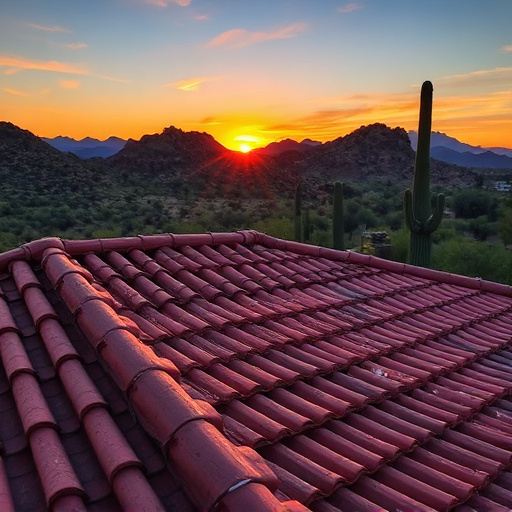
Tile roofs, popular in the Oro Valley region for their enduring beauty and fire resistance, face unique challenges from the area's desert heat and intense monsoons. Among the key concerns: how to preserve the integrity of clay and concrete tile profiles against sun fading and efflorescence, prevent damage from foot traffic and debris buildup in valleys, and ensure the longevity of the underlayment system. This article offers a practical guide to maintaining your tile roof before and after monsoon season, addressing issues like the distinct effects of desert heat on clay versus concrete tiles, safe cleaning methods, and strategic storage of spare tiles and tools. By following these expert tips, you'll protect your investment in this valuable asset.
- Preparation: Protecting Clay vs Concrete Tiles in Monsoon
- Inspection: Identifying Damage from Desert Heat & Rain
- Maintenance: Ensuring Optimal Tile Roof Care Post-Monsoon
- Post-Season: Long-Term Clay vs Concrete Tile Maintenance Strategies
Preparation: Protecting Clay vs Concrete Tiles in Monsoon
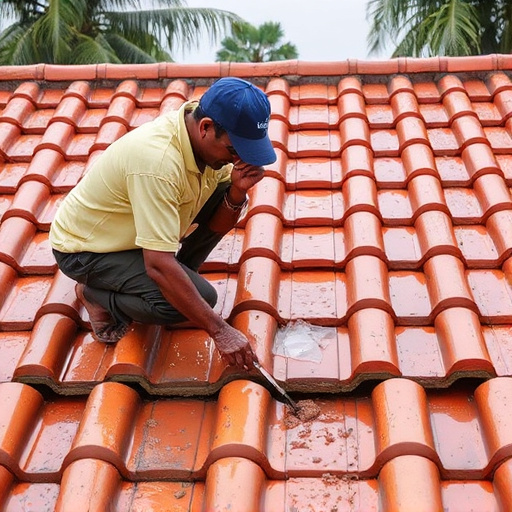
Preparing your clay and concrete tile roofs for the monsoon season involves understanding the unique challenges posed by the desert heat and intense rainfall. While both clay and concrete tiles are durable, their performance in such extreme conditions can differ significantly. Clay tiles, for instance, expand and contract with temperature changes, which can lead to cracks or loose installations over time, especially when exposed to the intense heat of the Arizona summer. On the other hand, concrete tiles, known for their weight and solidity, are less affected by heat fluctuations but can be more prone to damage from hailstorms, which are not uncommon during monsoon season.
A roofing contractor serving Oro Valley and Marana recommends the following strategies to protect your tile roof: first, consider using synthetic underlayment beneath your tiles. This adds an extra layer of protection against moisture and provides a secondary barrier against potential hail damage. Ensure proper spacing and alignment of tiles, allowing for drainage and minimizing the risk of water pooling, which can accelerate efflorescence on concrete tiles and lead to discoloration. Regular inspection and maintenance are crucial, especially in areas prone to hail.
During monsoon, heavy rainfall can cause flash flooding and debris buildup in gutters, which can lead to overflow and damage. To mitigate this, clear your gutters regularly and install adequate downspout extensions to direct water away from your roof and foundation. After a storm, inspect your roof for any missing or damaged tiles, especially along the edges and in areas with increased wind exposure. Quick response to repairs ensures that small issues don't turn into larger, costlier problems. Remember, a well-maintained tile roof can withstand the monsoon season and continue to provide aesthetic appeal and protection for your Oro Valley home for many years to come.
Inspection: Identifying Damage from Desert Heat & Rain
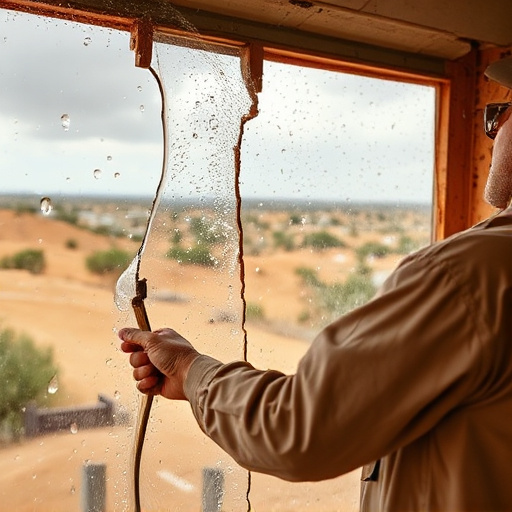
Before and after monsoon season, a thorough inspection of your tile roof is crucial to identify any damage caused by the extreme desert heat and heavy rainfall. This is particularly important for homeowners living in Oro Valley, where clay and concrete tile roofs are common. Clay tiles, known for their natural beauty and durability, can be susceptible to heat-related cracking, especially when exposed to the intense summer sun. On the other hand, concrete tiles, while more resistant to heat, may show signs of efflorescence, a white powdery substance that can appear on the surface due to moisture absorption.
Focus on the roof's underlayment, a critical component that acts as a barrier between the tiles and the structure. A well-maintained, two-layer underlayment system can significantly improve a tile roof's resilience. Check for any signs of damage, such as torn or missing underlayment, which could allow water penetration and lead to costly repairs. Bird stops, small devices installed along the roof's edge, are also essential to prevent animals from nesting and causing further damage. In areas prone to hail, these inspections become even more critical, as hailstorms can cause extensive tile damage.
Examine the roof's valleys and debris buildup. Monsoon season brings heavy rain and debris, so regular cleaning is vital to prevent clogs that can lead to water damage. After the storm, a licensed Oro Valley area roofing contractor can assist in assessing any structural damage and providing expert advice. Remember, proactive maintenance can save you from extensive repairs in the long run.
Maintenance: Ensuring Optimal Tile Roof Care Post-Monsoon

Post-monsoon season is a critical time for tile roof maintenance in the Oro Valley area. The unique challenges posed by desert heat and intense rainfall require specific care to ensure the longevity and aesthetic appeal of your tile roof. One key distinction lies in the material: clay vs. Concrete in desert heat. While clay tiles have been a traditional choice, known for their durability and natural look, concrete tiles have gained popularity due to their superior heat resistance and lighter weight, making them more suitable for the extreme conditions of Oro Valley.
For homeowners with Spanish Colonial Revival or Santa Fe style homes, maintaining the roof's original integrity while enhancing its beauty is paramount. A roofing contractor serving Oro Valley and Marana can provide guidance on choosing the right underlayment for added protection against water damage. Two-layer underlayment systems, for instance, offer enhanced durability, crucial for preventing tile foot traffic damage and the formation of efflorescence on concrete tiles, a common issue in desert environments. After a monsoon, inspect your roof for any damage or debris buildup in the valleys, a common occurrence that can lead to water pooling and potential leaks.
Regular cleaning is essential, especially for concrete tiles, which are more prone to sun faded colors and batten rot. Using the right tools and techniques, such as soft-bristled brushes and safe cleaning solutions, can extend the life of your tiles. Consider the impact of heat on your roof: high winds can cause tile clips to come loose, and extreme temperatures can contribute to tile warping. A well-maintained dry ridge system, which separates the tile from the underlayment, can mitigate these issues. Lastly, store spare tiles and maintain a tile roof care checklist to be prepared for any post-monsoon repairs, ensuring your home remains protected and beautiful year-round.
Post-Season: Long-Term Clay vs Concrete Tile Maintenance Strategies
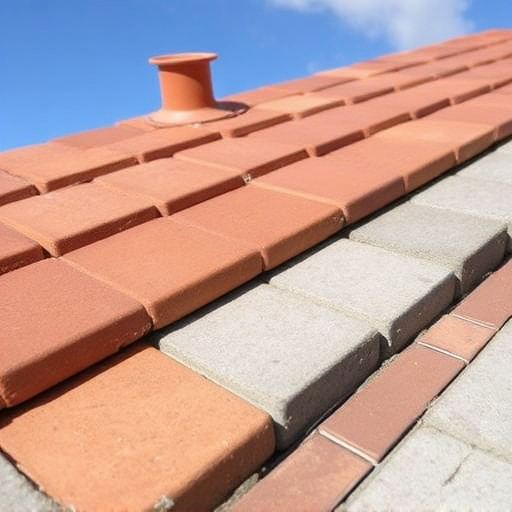
After the monsoon season, the focus shifts to long-term tile roof maintenance, particularly when comparing clay and concrete tiles in the desert climate. Clay tiles, a traditional favorite in the region, offer a distinct aesthetic but require specific care to prevent damage from the intense desert heat. The challenge lies in the tile's tendency to expand and contract with temperature changes, which can lead to cracks or dislodging if not properly maintained.
For concrete tiles, while they may not have the same historical charm as clay, they possess superior durability in the desert heat. Concrete tiles are less susceptible to heat-related damage due to their composition and dense structure. However, it's essential to ensure proper installation, as concrete tiles are heavier than clay and require a robust framing system. A roofing contractor serving Oro Valley and Marana recommends examining the headlap, the overlap of adjacent tiles, to ensure it's not too loose, as this can cause water penetration.
In both cases, post-monsoon maintenance involves a thorough inspection for any signs of damage or wear. Cleaning is crucial, especially for clay tiles, to remove any debris or efflorescence (a white powdery substance) that can affect their appearance. For sealers, concrete tiles often benefit from a water-repellent sealer to further protect against moisture absorption, while clay tiles might require a more traditional sealer to maintain their finish. Regular maintenance, guided by the specific tile type, ensures the longevity of your tile roof, with proper care extending its lifespan well beyond the monsoon season.
Frequently Asked Questions About advice on tile roof care before and after monsoon season
What is the best time to inspect my tile roof before monsoon season?
It's best to schedule a thorough inspection of your tile roof at least one month before monsoon season begins. This allows ample time to identify and address any potential issues, ensuring your roof is in optimal condition to withstand the heavy rainfall and strong winds. A professional roofing contractor, like DC Roofing of Arizona, can inspect for loose tiles, damaged underlayment, and signs of water intrusion, all of which are crucial to monitor.
How often should I clean my tile roof before monsoon?
A deep clean of your tile roof is recommended every 1-2 years, or more frequently if it's in a particularly dusty area. Removing debris like leaves, branches, and dirt is essential for water drainage and preventing clogs. A professional cleaning service can use specialized equipment to safely and effectively clean your roof, ensuring it's ready for the upcoming monsoon season.
What damage should I look for on my tile roof after a monsoon storm?
After a monsoon storm, inspect your roof for any signs of damage, including missing or broken tiles, flashing damage, and water stains on the underlayment or ceiling. Monsoon-related damage can vary from minor tile cracks to more severe issues like leaks and structural compromise. A timely inspection by a licensed roofer can help prevent further complications and ensure your home's safety.
Can I fix minor damage to my tile roof myself?
While minor repairs, like replacing a single missing tile, may be feasible for DIY enthusiasts, more significant issues often require professional expertise. Repairing flashing or replacing a section of underlayment usually necessitates the skills of a seasoned roofer familiar with local building codes and weatherproofing techniques.
How can I protect my tile roof from monsoon season damage during installation?
During new installations, ensure proper flashing and drainage systems are in place. Use high-quality, monsoon-rated tile and underlayment materials. A professional roofing contractor will employ these measures, ensuring your new tile roof is well-protected against the elements.
As the monsoon season winds down, it's crucial to reflect on the unique challenges posed by the desert climate on our tile roofs. The key to maintaining these durable structures lies in understanding the distinct properties of clay and concrete tiles when faced with the intense heat and sudden rainfalls. Clay tiles, known for their traditional aesthetic, require specific care to prevent cracking and fading, especially in the harsh conditions of the Oro Valley area. On the other hand, concrete tiles, with their superior strength and water resistance, offer a more robust solution but must be installed with proper underlayment to manage their weight.
Through this article, we've explored practical strategies for both short-term and long-term tile roof care. From inspecting for damage caused by desert heat and rain to understanding the benefits of two-layer underlayment systems, homeowners and contractors alike can ensure the longevity of these roofing systems. We've highlighted the importance of regular cleaning and the use of appropriate tile sealers, considering the unique considerations for each tile type.
Moving forward, remember that clay vs concrete in desert heat presents a crucial distinction that guides our maintenance plans. By implementing the insights gained from this article, we can protect our tile roofs, ensuring they remain a beautiful and reliable part of our Oro Valley homes for years to come.
Protect your tile roof in the Oro Valley desert heat with strategic maintenance. Key differences between clay and concrete tiles include heat resistance and maintenance requirements. Use synthetic underlayment, ensure proper tile spacing, and address gutter buildup to prevent water damage. Inspect for damage after storms, addressing hail-related issues quickly. For clay tiles, maintain aesthetics by cleaning efflorescence. Concrete tiles require robust installation and water-repellent sealers. Regular, proactive maintenance ensures your tile roof withstands monsoon season and beyond, protecting your Oro Valley home.