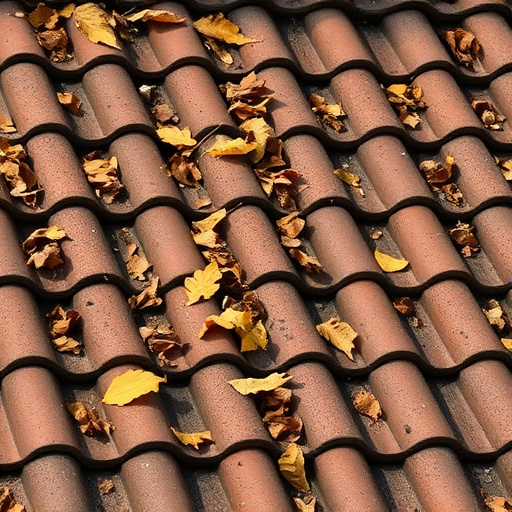
In the vibrant landscape of Oro Valley, where Spanish Colonial Revival and Santa Fe-inspired architecture thrive, the choice of tile roof profile and color is more than aesthetic-it's a key decision that impacts curb appeal, durability, and even energy efficiency. Homeowners and contractors alike face a crucial question: which tile profile and color scheme best suits these distinctive styles? This guide examines the intricate details of tile profiles, addressing the dilemma of concrete vs. Clay, sun-faded hues, and efflorescence on concrete tile. We'll explore how to maintain these beautiful roofs, ensuring their longevity and preserving the unique character of Oro Valley's architectural heritage.
- Understanding Spanish and Santa Fe Tile Styles
- Choosing Concrete Tile Profiles for Different Looks
- Color Options: From Earth Tones to Vibrant Shades
- Managing Efflorescence: Natural Aging and Care
Understanding Spanish and Santa Fe Tile Styles
When envisioning a Spanish or Santa Fe-style home, tile roofs are a defining characteristic. These iconic roofs not only add aesthetic appeal but also reflect the region's history and climate. Understanding the profiles and colors of these tiles is crucial for any Oro Valley roof specialist undertaking a restoration or new installation.
Spanish and Santa Fe-style homes often feature S tile profiles, characterized by their distinctive curved shape. This design not only provides excellent drainage, allowing rainwater to flow off efficiently, but also adds a charming, aged look to the roof. Concrete tiles, a common choice for these styles, offer durability and a natural resistance to the harsh desert conditions, including intense sunlight and monsoon winds. However, homeowners should be aware of efflorescence on concrete tile, a white powdery residue that can accumulate due to moisture trapped in the tile and may require regular cleaning.
The battens, wooden strips that support the tiles, play a crucial role in the overall look and functionality of these roofs. Properly installed battens ensure the tiles are securely fastened and allow for adequate drainage. In areas prone to monsoon wind, it's essential to use durable, high-quality battens that can withstand strong gusts. A well-maintained Spanish mission tile home in Oro Valley might feature dark, terracotta tiles with subtle texture, supported by weathered wood battens that complement the historic design.
For colors, Spanish and Santa Fe-style tiles offer a palette inspired by the region's rich natural surroundings. Earthy tones like burnt orange, deep red, and rich browns are common, often reflecting the nearby desert landscape. These colors not only blend beautifully with the surrounding environment but also provide excellent heat absorption, helping to keep the home cooler during the scorching summer months. An experienced Oro Valley roof specialist can guide homeowners in choosing tiles that not only match the home's architectural style but also enhance its overall curb appeal.
Choosing Concrete Tile Profiles for Different Looks
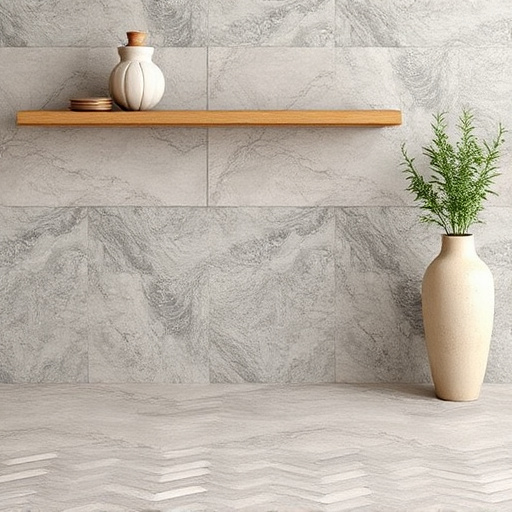
When selecting a concrete tile for your Oro Valley home, the profile-or shape-is a crucial design element that significantly impacts the roof's aesthetics. Concrete tiles come in various profiles, each offering a unique visual appeal that can enhance the overall Spanish or Santa Fe style of your property. The S tile, with its distinctive curve, evokes a classic, traditional look, while a flat tile profile provides a more modern, sleek appearance.
Choosing the right profile is not merely about aesthetics; it also considers functional aspects. In the desert heat, concrete tiles are resistant to extreme temperatures, making them an excellent choice for this climate. However, a key consideration is the potential for efflorescence, a natural phenomenon where minerals in the concrete react with water, creating a white, powdery residue. Proper installation techniques, such as using a suitable mortar set or dry ridge system, can mitigate this issue. DC Roofing of Arizona, a local expert in tile roofing, recommends understanding the specific needs of your home's design and climate.
Tile clips, a practical addition, can be crucial in high-wind areas. These clips secure tiles firmly to the underlayment, preventing damage from strong winds. If you're considering a Spanish mission tile home, known for its distinctive, low-pitched roof, the right tile clips can ensure the roof's longevity. Remember, the weight of the roof is a factor, especially with tile roofs, which can be heavy. Proper underlayment, preferably a two-layer system, provides an essential buffer, protecting your home's framing.
The color of the concrete tile is another critical design choice. Clay tiles, though not the focus here, also offer a range of natural colors that blend beautifully with outdoor landscapes. Concrete tiles, however, come in a palette that includes earth tones, gray, and even vibrant shades. When selecting a color, consider the home's surroundings, the time of day, and the overall design scheme. Lighter colors reflect sunlight, making them cooler during the summer months, while darker tones absorb heat, adding warmth in the winter.
Color Options: From Earth Tones to Vibrant Shades
The color palette of a Spanish or Santa Fe-style home is as distinctive as its architectural lines. For tile roofs, homeowners have a vast array of options, from earthy tones that harmonize with the desert surroundings to vibrant shades that make a bold statement. This diversity in color is not just about aesthetics; it also offers practical considerations, especially in a region prone to hail and extreme weather like Oro Valley.
Many traditional Spanish mission-style homes feature tile roofs with warm, neutral colors like terra cotta, ochre, and burnt sienna. These earthy tones not only complement the regional architecture but also provide a level of protection against the sun's intense rays. In contrast, a Santa Fe-inspired home might showcase a bolder palette, incorporating rich, deep blues, burnt oranges, and even pops of turquoise. These colors can create a striking visual contrast against the desert backdrop, but they also require careful consideration for long-term durability. The local climate, with its intense sunlight and occasional hailstorms, can cause issues like efflorescence on concrete tile, so choosing the right tile and underlayment is crucial.
A roofer with an Arizona ROC license will often recommend a two-layer underlayment system for homes with these vibrant color schemes to ensure added protection. The first layer, a standard underlayment, provides a barrier against moisture and UV damage. The second, a more robust, reflective underlayment, helps manage heat build-up and further protects against efflorescence, a common issue with light-colored tiles in sunny climates. When selecting tile, consider the overall aesthetic and functional needs of your home, especially in a region like Rancho Vistoso where weather patterns can vary. Some tiles are more durable against hail and impact, while others offer superior heat resistance, each with its own visual appeal.
Proper maintenance, including regular cleaning and inspections, is key to preserving the color and integrity of your tile roof. Using the right cleaning agents and avoiding harsh chemicals can prevent color fading and pitting. Regular checks for loose tiles, damaged underlayment, or signs of efflorescence can help catch potential issues early. By understanding the interplay between color, climate, and care, homeowners can ensure their Spanish or Santa Fe-style tile roofs not only enhance the beauty of their homes but also stand the test of time.
Managing Efflorescence: Natural Aging and Care

Managing efflorescence on concrete tile is a crucial aspect of maintaining the aesthetic appeal and longevity of your Spanish or Santa Fe style home. Efflorescence, a natural aging process, is the white, powdery substance that appears on the surface of concrete tile as a result of exposure to moisture and minerals in the air. While it's a sign of aging, proper care can prevent excessive efflorescence, ensuring your roof remains in top condition.
In Oro Valley and Marana, where the desert climate can accelerate the process, regular cleaning and maintenance are key. A roofing contractor serving these areas recommends a balanced approach. For light efflorescence, a simple mixture of water and a mild detergent applied with a soft brush is effective. For more stubborn cases, a mild acid wash or a specialized tile cleaning solution can be used. Excessive scrubbing or the use of harsh chemicals can damage the tile finish, so a gentle touch is advised. After cleaning, always rinse thoroughly to remove any residue, and allow the tiles to dry completely.
To prevent efflorescence from becoming a problem in the first place, consider the roofing materials and installation techniques. Using a 30 lb felt underlayment and ensuring proper ridge mortar application can create a protective barrier between the tiles and the environment. Regular inspection of the roof's integrity, including checking for loose battens, is also crucial. Batten rot, a common issue in areas with high winds, can expose the tile to excessive moisture, accelerating efflorescence. By maintaining a well-installed, protected roof, you can extend the lifespan of your tile roof and minimize the effects of natural aging.
Frequently Asked Questions About a guide to tile profiles and colors on Spanish and Santa Fe style homes
What is the best way to choose tile profiles for a Spanish or Santa Fe-style home? When selecting tile profiles for these architectural styles, consider the home's unique design elements. Spanish and Santa Fe homes often feature low-pitched roofs with decorative tile or terracotta. Choose profiles that complement these elements, such as flat or slightly curved tiles that mimic the low-sloping rooflines. Textured or hand-crafted tiles can add an authentic, artisanal touch, further enhancing the style.
Can you suggest some popular tile colors for these styles? The palette for Spanish and Santa Fe homes often leans towards earthy tones and vibrant, rich colors. Popular choices include deep red, burnt orange, terra cotta, and warm browns. For a more modern take, consider muted shades of gray or even subtle patterns incorporating these primary colors. Remember, the goal is to evoke the warmth and cultural richness associated with these architectural designs.
How do I know if I need to underlay or replace my tile roof? Determining whether to tear off and replace or underlay your tile roof depends on several factors. If your current roof is old, damaged, or not properly sealed, replacement is often the best option. Look for signs of leaks, rot, or loose tiles. Underlaying is suitable if your roof is in good condition but needs an update; it involves installing a new layer over the existing tiles, offering added protection and a fresh aesthetic.
What is the process of underlaying a tile roof? Underlaying involves several steps. First, inspect and prepare the existing roof, repairing any damage. Then, install a waterproof underlayment, followed by a layer of roofing paper or a similar protective barrier. Next, lay new tiles, ensuring proper spacing and alignment. Finally, seal the grout lines and any gaps around the tiles for a water-tight seal. This method is cost-effective and allows for a fresh look without a complete roof replacement.
Are there any specific safety considerations when working with tile roofs? Yes, working on tile roofs requires safety precautions. Always wear appropriate protective gear, including gloves and a hard hat. When tearing off an old roof, be mindful of falling debris and use a safety net or similar protection below. During installation or repair, ensure proper ladder placement and use, and maintain a clear workspace to avoid trips and falls. Proper training and experience are crucial when handling roofing materials.
Understanding the unique characteristics of Spanish and Santa Fe tile styles is crucial for preserving the architectural integrity of these homes. By choosing the right concrete tile profiles, homeowners can achieve the desired aesthetic, from the traditional Spanish Colonial Revival to the vibrant Santa Fe style. The vast array of color options allows for personalization, ensuring each home stands out while respecting its historical context. Effective management of efflorescence on concrete tile through natural aging and careful care is essential for maintaining the tile's beauty and longevity. Armed with this knowledge, homeowners and contractors alike can make informed decisions, ensuring these iconic tile roofs thrive for generations to come, reflecting the region's rich cultural heritage.
Spanish/Santa Fe Tile Roofs: Maintenance & Expert Guidance
Restore or install a tile roof in Oro Valley with expertise on profiles, colors, battens, and efflorescence on concrete tile. S tile curves for drainage, wooden battens for support, and earthy tones for blending with the desert. Protect against monsoon winds with durable battens and a two-layer underlayment for vibrant, long-lasting roofs. Regular cleaning and inspections mitigate efflorescence, extending roof lifespan. DC Roofing of Arizona offers specialized guidance tailored to Oro Valley's unique climate and architectural styles.