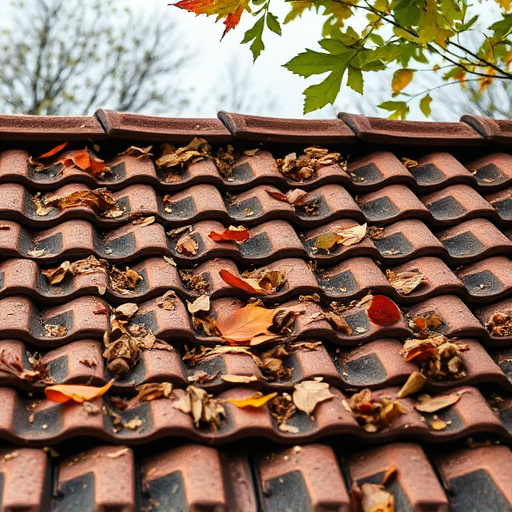
In the harsh desert climate of flat tile profiles, a well-maintained tile roof is not just a beauty standard but a necessity for any homeowner. However, navigating the costs and complexities of tile roofing can be a daunting task, from understanding the differences between S tile and flat tile profiles to dealing with issues like efflorescence on concrete tiles and tile batten rot. High wind events necessitate the use of robust tile clips to secure the roof, adding another layer of concern. This practical guide aims to demystify tile roof costs, from repairs to new underlayment, offering practical insights and expert advice tailored to the local Oro Valley building codes and conditions. By the end, homeowners will have the knowledge to make informed decisions about their tile roof's longevity and safety, ensuring their homes are protected for years to come.
- Assessing Tile Roof Damage: Common Issues & Costs
- Replacing Underlayment: A Step-by-Step Guide
- Choosing Tile Clips for High Wind Resistance
- Estimating Tile Roof Repairs & Replacements
Assessing Tile Roof Damage: Common Issues & Costs
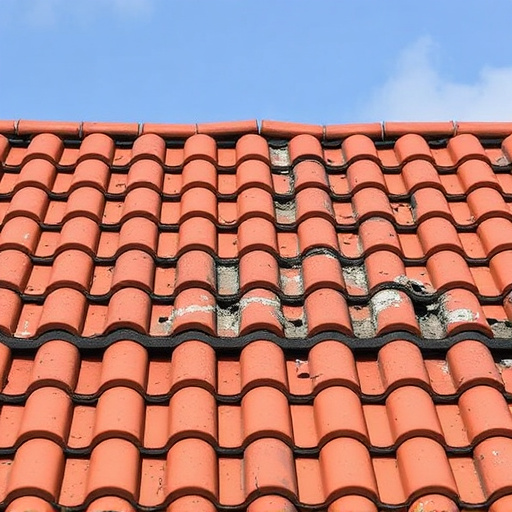
Assessing Tile Roof Damage: Uncovering Common Issues and Costs in the Catalina Foothills
Homeowners in the Catalina Foothills, known for their stunning Spanish Colonial homes, often opt for tile roofs due to their durability and aesthetic appeal. However, tile roofs, whether they feature the traditional Santa Fe style or the more modern Spanish mission tile homes, are not immune to damage. Recognizing and addressing issues early is crucial to prevent costly repairs. Let's examine some common tile roof problems and their associated costs, providing homeowners with a practical guide to maintaining their rooftop investments.
One of the most visible concerns is faded tile colors, which can occur due to prolonged sun exposure. Over time, the intense desert heat can cause tiles to lose their vibrant hues, resulting in a dull or stained appearance. This aesthetic issue, while not affecting the roof's structural integrity, can significantly impact the home's curb appeal. Repainting concrete roof tiles is a viable solution, but it's essential to consult with a roofing expert like DC Roofing of Arizona to ensure the correct techniques and products are used, especially when dealing with Spanish Colonial homes known for their intricate tile designs.
Another subtle yet critical problem is efflorescence on concrete tiles. This white, powdery substance appears when water seeps into the tile, dissolves lime, and leaves behind a mineral deposit. While efflorescence is harmless to the tile, it can create an unappealing appearance, especially on newly installed roofs. Proper installation, including using a good-quality mortar and ensuring adequate headlap, can mitigate this issue. In cases where efflorescence is already present, professional cleaning services can restore the tiles' original condition.
Foot traffic on tile roofs is another consideration, particularly for homes with areas accessible to residents or visitors. Regular, heavy use can lead to damage, especially in areas with limited coverage or poor nailing patterns. Tile batten rot, for instance, can occur when moisture gets trapped between the tiles and battens, causing the wood to deteriorate. To prevent this, it's crucial to maintain proper headlap and use durable, high-quality materials for flashing and edge metal. Regular inspections, especially after significant weather events, can help identify and repair any damage early on.
Replacing Underlayment: A Step-by-Step Guide
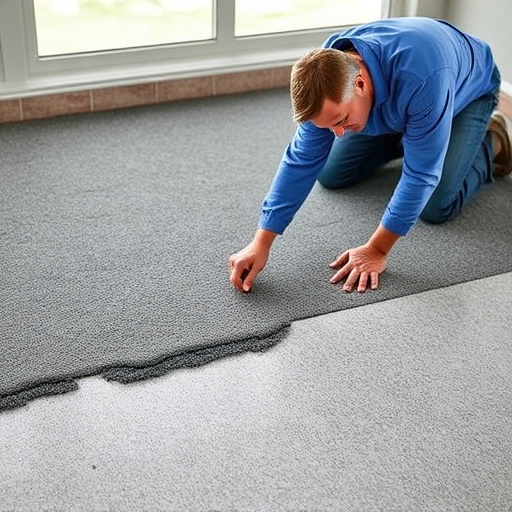
When repairing or replacing a tile roof, one of the most important yet often overlooked components to consider is the underlayment. In areas like Oro Valley, where high winds and intense sunlight are common, a robust underlayment system acts as a crucial shield for your roof and home. This step-by-step guide will walk you through the process of replacing the underlayment, focusing on the specific challenges and best practices for a durable, wind-resistant tile roof.
In Rancho Vistoso and neighboring communities, the local climate demands a thoughtful approach to underlayment. Clay and concrete tile roofs, common in the region, face unique challenges. First, let's discuss the difference between S-tile and flat tile profiles. Each has its own set of considerations. S-tile profiles can be more susceptible to damage from high winds, making proper underlayment crucial. Concrete tiles, though durable, may require specific underlayment types to prevent efflorescence, a graying effect caused by sunlight and moisture.
The process of replacing underlayment involves several key steps. Start by removing the old underlayment, inspecting the roof deck for damage, and addressing any issues before installing a new layer. Many local roofing contractors recommend a two-layer underlayment system for added protection. This typically involves a 30 lb felt underlayment as the base layer, followed by a secondary layer of synthetic underlayment for added wind resistance. For areas prone to high winds, like Oro Valley, using specialized tile clips that withstand intense winds is essential.
A roofer with an Arizona ROC license will often advise on the best nailing patterns and headlap coverage to ensure a watertight seal. It's crucial to follow manufacturer guidelines for both the underlayment and tile to maintain the integrity of the roof. When dealing with tile around skylights or near gutters, special care is needed to prevent leaks and ensure proper drainage. Remember, a well-installed underlayment not only protects against leaks but also helps manage heat transfer, reducing the load on your HVAC system, which is particularly important in our desert climate.
Choosing Tile Clips for High Wind Resistance

When considering a tile roof for your Oro Valley or Marana home, especially in areas prone to high winds, choosing the right tile clips is a crucial step. Tile clips, or fasteners, are essential for securing tile to the underlayment, preventing damage from strong winds and extreme weather conditions. In this harsh desert environment, where hailstorms and powerful winds are not uncommon, selecting clips designed to withstand these elements is vital for the long-term integrity of your tile roof.
One of the primary considerations when choosing tile clips is their resistance to high winds. Clay tile roofs, known for their traditional charm, require specific fasteners to ensure they can withstand the forces of nature. In regions with a history of hailstorms, like parts of Oro Valley, using high-quality, wind-resistant tile clips is essential. These clips are designed to hold tightly in place even under extreme stress, preventing tiles from blowing off during a storm. A roofing contractor serving Oro Valley and Marana will often recommend clips specifically engineered for high-wind zones, ensuring your roof remains secure.
The two primary types of tile clips-ridge mortar clips and mechanical clips-offer different levels of wind resistance. Ridge mortar clips, for example, are secured to the ridge of the roof using mortar, providing a strong bond. While effective, they may not be as resilient against high winds as mechanical clips, which use a tensioning system to grip the tile. When choosing between these options, consider the local climate and weather patterns. In areas prone to strong winds, mechanical clips are often the preferred choice for their superior wind resistance.
Proper installation techniques, such as adequate headlap and nailing patterns, further enhance the wind resistance of your tile roof. These techniques, when combined with the right tile clips, can significantly improve the overall durability of your roof. Remember, for high-wind resistance, investing in quality clips and ensuring professional installation is key to protecting your home and avoiding costly repairs down the line.
Estimating Tile Roof Repairs & Replacements

Estimating the cost of tile roof repairs or replacements can seem daunting, but understanding the key factors involved can help homeowners prepare and make informed decisions. For tile roofs, the health and safety of the underlayment and tiles themselves are paramount. In the harsh desert climate, tile clips in high wind play a crucial role in securing tiles, preventing damage from powerful gusts. The choice between Spanish Colonial Revival architecture's traditional clay tiles and more modern concrete tiles depends on personal preference and budget, with concrete tiles being more resistant to the sun's fading effects.
When assessing repairs, homeowners should consider the extent of the damage, which can range from individual tile replacement to full-scale re-roofing. A roofer with an Arizona ROC license can provide a detailed estimate, breaking down costs for labor, materials, and any necessary underlayment repairs. A two-layer underlayment system offers superior protection against leaks and can extend the lifespan of the roof, but it adds to the initial cost. Regular inspections by local landscaping services or neighborhood watch groups can help catch minor issues early, preventing costly repairs.
The life expectancy of tile roofs is largely influenced by their underlayment. A well-installed, high-quality underlayment can last up to 20 years, while a poor installation might only provide 5-10 years of protection. Homeowners' Associations (HOAs) in Oro Valley often have guidelines for tile roof maintenance and replacement, ensuring consistency with the neighborhood's aesthetic. When replacing a tile roof, consider the age of the existing underlayment and the overall condition of the roof structure. Repairs might be more economical in the short term, but a full replacement could offer better long-term value, especially with modern tile options designed for improved durability and fire resistance.
Frequently Asked Questions About a plain language look at tile roof costs, from repairs to new underlayment
What is the typical cost of tile roof repairs? Tile roof repairs can range from $50 to $200 per square foot, depending on the extent of the damage and the type of repair needed. Small cracks or chips may only cost $50 to $100, while more significant repairs, such as replacing missing tiles or repairing leaks, can reach up to $200 per square foot. A licensed Oro Valley area roofing contractor like DC Roofing of Arizona will provide a detailed estimate after inspecting the roof.
How often do tile roofs need replacement? Most tile roofs, when installed properly with the appropriate underlayment, can last 30 to 40 years. However, factors like exposure to extreme weather, poor installation, or lack of maintenance can reduce their lifespan. Regular inspections and maintenance can extend the life of your tile roof, but a full replacement may be necessary every 25 to 30 years.
What is the cost of installing a new tile roof? The cost of installing a new tile roof typically ranges from $10 to $15 per square foot, not including the cost of materials. This can vary based on the type of tile, underlayment, and labor costs. DC Roofing of Arizona offers competitive pricing and transparent estimates to ensure you understand the total cost of your new tile roof.
Is it necessary to replace the underlayment when repairing a tile roof? While repairing individual tiles is possible, checking and replacing the underlayment is crucial. Over time, underlayment can become damaged, compressed, or saturated, compromising the roof's water resistance. During a repair, a licensed roofer will assess the underlayment and replace it if necessary, ensuring your roof remains protected against leaks and weather damage.
What factors affect the cost of tile roof underlayment? The cost of underlayment varies based on the type, thickness, and material. Common types include felt, synthetic underlayment, and self-adhering underlayment. Thicker underlayments offer better protection but are more expensive. A local roofing company will help you choose the right underlayment for your Oro Valley home based on local weather conditions and your budget.
How can I reduce the cost of tile roof repairs? Regular maintenance, such as cleaning gutters and repairing minor issues promptly, can prevent extensive damage and costly repairs. Comparing estimates from multiple licensed roofers can help you secure a better deal. Look for contractors who offer quality work at competitive prices, like DC Roofing of Arizona, to ensure you're getting the best value for your repair dollars.
Understanding the unique demands of tile roofing in flat tile profiles, like those commonly found in Oro Valley, is essential for homeowners. This article has highlighted several key insights:
First, regular assessment for damage is crucial, addressing issues like efflorescence on concrete tiles, foot traffic damage, and tile batten rot. Early intervention can significantly reduce repair costs.
For repairs and replacements, a step-by-step approach is recommended, including the careful selection of tile clips for high wind resistance. Tile clips in high wind conditions are not just optional; they are a necessity for protecting against potential hazards and ensuring the longevity of your roof.
When replacing underlayment, a two-layer system offers enhanced durability and protection. This multi-layer approach, along with proper nailing patterns and edge metal, contributes to the overall weight and structural integrity of the roof.
Proper care, including safe cleaning methods and the use of suitable sealers, can preserve the aesthetic appeal of your tile roof. Regular maintenance, such as checking for tile headlap and coverage, will also prevent problems in the future.
Finally, this guide's practical advice and concrete examples empower homeowners to make informed decisions. By heeding these recommendations, you can ensure your tile roof, whether it's a historic Spanish mission style or a modern addition, remains a reliable and beautiful feature of your Oro Valley home for years to come.
Tile Roof Costs: Repairs, Replacements, and Underlayment in the Catalina Foothills
Homeowners in the Catalina Foothills, known for their Spanish Colonial homes, often choose tile roofs for durability and aesthetics. Common issues include faded tile colors from sun exposure and efflorescence (white powder) on concrete tiles. Regular inspections are crucial to catch damage early. Repairs involve addressing faded colors, efflorescence, and tile batten rot.
When replacing tile roofs, the underlayment is a vital component, especially in areas with high winds and intense sunlight. A robust two-layer underlayment system offers superior protection. The process includes removing old underlayment, inspecting the roof deck, and following manufacturer guidelines for installation.
Choosing the right tile clips is essential for high-wind zones, with mechanical clips often preferred for superior wind resistance. Homeowners' Associations may have guidelines for tile roof maintenance and replacement. Regular inspections and a detailed estimate from a licensed roofer can help prepare for repairs or replacements, ensuring long-term protection for your investment.