In the arid climate of Oro Valley, tile roofs are a popular choice for both new builds and additions. They offer durability, fire resistance, and a distinct aesthetic appeal, especially in Spanish Colonial Revival and Santa Fe style homes. However, selecting the right tile-concrete or clay-is crucial, as desert heat can accelerate aging and damage. This article examines the concrete vs. Clay tile debate, examining factors like efflorescence, weight, maintenance, and longevity, with a focus on the specific challenges and considerations of this region. By the end, homeowners and contractors alike will be equipped to make an informed decision for any tile roof installation or repair in the local environment.
- Understanding Desert Heat's Impact on Tile Roofs
- Concrete vs. Clay: Material Properties and Durability
- Installation Considerations for Tile Roofs on Additions
- Longevity and Maintenance: Comparing Concrete and Clay
Understanding Desert Heat's Impact on Tile Roofs
The desert heat poses unique challenges for any roofing material, but concrete and clay tiles-popular choices for homes in Oro Valley-react differently to these conditions. When considering a new tile roof or replacing an existing one on an addition, understanding how desert heat impacts these materials is crucial.
Concrete tiles, known for their durability, offer a distinct advantage in hot climates. They are less susceptible to warping or cracking due to heat expansion, a common issue with clay tiles. This makes them an excellent choice for homes with Spanish Colonial Revival or Santa Fe-style architecture, where tile roofs are a defining feature. However, concrete tiles are heavier, demanding additional structural support during installation. An experienced Oro Valley roof specialist can help assess the framing's integrity and recommend appropriate underlayment, such as a 30-lb felt, to handle the weight.
Clay tiles, on the other hand, are more prone to heat-related issues. Prolonged exposure to desert heat can cause them to expand and contract, leading to cracks and loose tiles. These defects may become more apparent as the clay tiles age, resulting in sun-faded colors and unsightly efflorescence (a white powdery residue) on the surface. To mitigate these problems, proper ridge mortar application is essential. Ridge mortar, used to seal the joints between tiles, should be set correctly, enhancing the roof's overall strength and protection against weather and pests. Regular maintenance, including cleaning and re-sealing, becomes even more critical for clay tile roofs to ensure longevity.
When comparing tile roofs on additions, the choice between concrete and clay tiles in desert heat depends on the home's style, structural integrity, and maintenance preferences. While concrete tiles offer superior heat resistance, clay tiles have their aesthetic appeal and traditional use in certain architectural designs. An Oro Valley roofing contractor can guide homeowners in making an informed decision, ensuring the chosen roofing material performs optimally in the region's unique climate.
Concrete vs. Clay: Material Properties and Durability
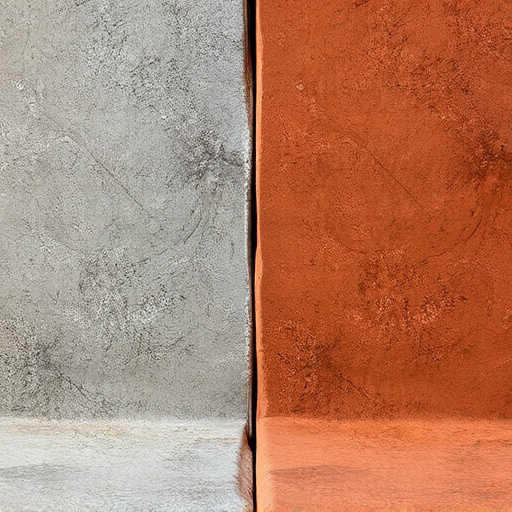
When choosing between concrete and clay tile for a roof replacement or a new tile roof on an addition in the Oro Valley desert climate, understanding the material properties and durability is crucial. This is especially true given the intense UV exposure, extreme heat, and occasional cold snaps the area experiences. Both concrete and clay tiles offer aesthetic appeal and long-term protection, but each material has unique characteristics that can impact performance and longevity.
Concrete tiles, known for their durability and strength, are a popular choice for desert regions. They are manufactured to withstand extreme temperatures, making them a robust option for the Rancho Vistoso area's hot summers. However, concrete tiles can be heavier than clay, which can put additional strain on structures not designed to bear such weight. Proper roof framing and structural support are essential for concrete tile roofs. Concrete tiles are more prone to absorbing moisture, which can lead to efflorescence-a white powdery residue-on the tile surface. This requires regular cleaning to maintain the tile's visual appeal.
Clay tiles, on the other hand, offer a more lightweight alternative. They are typically more flexible, making them easier to install on existing roofs or complex architectural designs. Clay tiles are also less susceptible to efflorescence than concrete, as they do not absorb moisture as readily. However, clay tiles are more fragile than concrete and can be more susceptible to damage from foot traffic or debris accumulation in the valleys of the roof. Homeowners should consider the type of tile that aligns best with their home's style, structural integrity, and maintenance preferences.
DC Roofing of Arizona, a licensed Oro Valley area roofing contractor, frequently recommends concrete tiles for new builds or replacements in the desert heat due to their superior heat resistance. Clay tiles, while a beautiful option for historic homes like Spanish mission tile homes, might require more meticulous care to maintain their appearance and integrity in the intense UV exposure of the Oro Valley climate. A thorough assessment by a roofing professional, considering both material properties and individual home needs, is the best way to ensure a durable and attractive tile roof.
Installation Considerations for Tile Roofs on Additions
When adding a tile roof to a home in the desert heat, careful consideration is required, especially for new builds and additions. This is where the choice between concrete and clay tile becomes crucial, with each material presenting distinct advantages and challenges. While clay tile offers traditional aesthetic appeal, concrete tile excels in durability and fire resistance, making it a superior choice for many Oro Valley homeowners. For tile roofs on additions, understanding the installation process and material considerations is paramount.
DC Roofing of Arizona, a licensed local roofing contractor, emphasizes that proper preparation is key. For additions, this involves assessing the existing structure and ensuring the new tile roof is seamlessly integrated. One critical aspect is the choice of underlayment. Synthetic underlayment is a popular option for desert climates due to its superior moisture resistance and ability to protect against efflorescence on concrete tile. This is particularly important to prevent damage from water intrusion, a common issue in hot, dry environments. A synthetic underlayment can extend the lifespan of the tile roof, which is vital for long-term investment.
Ridge mortar, another essential component, plays a dual role in tile roofs on additions. It provides a secure bond between the tiles and prevents debris and water from seeping into the underlayment and framing. In high wind conditions, tile clips are often used in conjunction with ridge mortar to ensure the roof remains secure. This is a critical consideration in Oro Valley, where wind patterns can be unpredictable. Proper nailing patterns and tile headlap also contribute to a roof's overall strength and water resistance, especially in desert heat. By adhering to these best practices, homeowners can expect a durable and reliable tile roof that enhances their addition's curb appeal and property value.
Longevity and Maintenance: Comparing Concrete and Clay
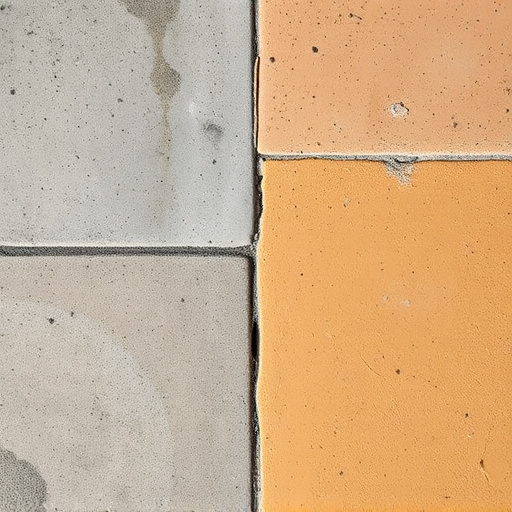
When choosing between concrete and clay tile for your roof in a desert climate, longevity and maintenance are paramount. Both materials offer distinct advantages, but how they perform in the intense heat and dry conditions of places like Rancho Vistoso, Oro Valley, and the surrounding areas can significantly impact the overall lifespan of your roof.
Concrete tile, known for its durability and fire resistance, excels in desert environments. It's a robust option for tile roofs on additions or new builds. However, concrete is heavier than clay, which can put additional strain on framing. Proper installation is crucial to prevent damage from foot traffic and wind. The use of a dry ridge system, for instance, DC Roofing of Arizona finds, can mitigate issues related to weight distribution and ridge ventilation. Concrete tiles are less susceptible to efflorescence, a white powdery residue often seen on clay tiles exposed to moisture and sunlight. Regular inspection and cleaning, as recommended by local utility companies and the Oro Valley Fire Department, can help maintain the aesthetics and functionality of a concrete tile roof.
On the other hand, clay tile offers excellent insulation properties, which can help regulate attic temperatures. This is particularly beneficial in the desert heat. However, clay tiles are more susceptible to damage from extreme temperature changes and can fade over time due to sun exposure. To combat these issues, regular re-sealing and maintenance are essential. Applying a quality tile sealer every few years can protect against water penetration and UV damage. Proper nailing patterns, adequate headlap, and adequate underlayment, like a two-layer system, are critical to prevent water infiltration and batten rot, a common issue with clay tile installations.
A roofer with an Arizona ROC license suggests that homeowners in desert climates consider the specific challenges posed by their environment. While concrete tile might be a better long-term investment due to its superior heat resistance and reduced maintenance needs, clay tile can be a suitable choice for those seeking a more aesthetically pleasing option. Regular maintenance and inspections can help extend the life of either choice, ensuring your tile roof remains a functional and beautiful feature of your home for years to come.
Frequently Asked Questions About a comparison of concrete and clay tile in desert heat
What is the primary difference between concrete and clay tiles, and how does this impact their performance in desert heat?
Concrete tiles are known for their durability and strength, as they are made from a mixture of cement, aggregate, and water, then molded and cured. Clay tiles, on the other hand, are crafted from natural clay, formed, dried, and fired at high temperatures. In desert heat, concrete tiles excel due to their ability to absorb and retain heat, providing consistent warmth throughout the day. Clay tiles, while aesthetically pleasing, are more susceptible to thermal expansion and contraction, which can lead to cracks and warping over time under extreme temperature fluctuations.
Which type of tile is better for a desert climate?
In a desert climate, concrete tiles are generally the better choice. Their superior heat retention ensures a more consistent indoor temperature, which is crucial for energy efficiency and comfort. Concrete tiles are more resistant to the extreme temperatures and UV exposure common in desert environments, making them a longer-lasting option.
Do concrete tiles require more maintenance than clay tiles?
Concrete tiles demand minimal maintenance, making them a low-effort choice. They are resistant to mold, mildew, and algae growth, and their smooth surface repels dirt and debris. Clay tiles, while requiring less maintenance than some other roofing materials, still need regular cleaning to prevent stains and discoloration caused by dirt and algae.
Which type of tile offers better insulation in desert regions?
Concrete tiles provide superior insulation in desert regions. Their dense structure effectively traps heat during the cooler nights, contributing to energy savings. Clay tiles, despite being an insulator, do not retain heat as efficiently as concrete, leading to less energy efficiency.
Can concrete tiles withstand the high winds common in desert storms?
Concrete tiles are designed to withstand high winds and are a suitable choice for desert regions prone to storms. Their weight and strength provide excellent wind resistance, ensuring the roof remains secure during intense weather conditions. Clay tiles, while durable, may be more susceptible to damage from high winds, especially in areas with weak or inadequate roof structures.
Which type of tile offers a longer lifespan in desert environments?
Concrete tiles are the longer-lasting option in desert environments. Their robust construction and resistance to heat, moisture, and UV radiation make them a durable choice. Clay tiles, while also long-lasting, may require replacement or repair more frequently due to their susceptibility to thermal stress and environmental factors.
Understanding the unique challenges posed by desert heat on tile roofs is crucial for both homeowners and contractors. Concrete and clay tile roofs, though both popular in the region, exhibit distinct performance characteristics under intense heat and varying conditions. Concrete tiles, known for their superior strength and fire resistance, offer longer lifespans and are less susceptible to foot traffic damage. Clay tiles, on the other hand, provide exceptional aesthetic appeal and can withstand high winds with the proper installation of tile clips. When considering tile roofs on additions, careful planning and professional installation are key to ensuring structural integrity and preventing issues like efflorescence on concrete tiles or tile batten rot. Longevity and maintenance strategies, such as using two-layer underlayment systems and appropriate tile nailing patterns, are essential for both materials. By prioritizing these factors, homeowners and contractors can ensure that tile roofs in Oro Valley and beyond remain functional, aesthetically pleasing, and safe for years to come, adhering to local building codes and guidelines, including those from the Oro Valley Building Department and the Arizona Solar and Roofing Association.
In desert climates like Oro Valley, Arizona, choosing the right tile roof is crucial. Concrete tiles are durable, heat-resistant, and less prone to warping, making them ideal for hot, dry conditions. However, they're heavier, requiring extra structural support. Clay tiles, though aesthetically appealing, are more fragile and susceptible to heat-related issues like cracking and efflorescence. Regular maintenance is key for both types. A licensed roofer like DC Roofing of Arizona recommends considering material properties, structural integrity, and maintenance preferences when selecting between concrete and clay for tile roofs on additions.