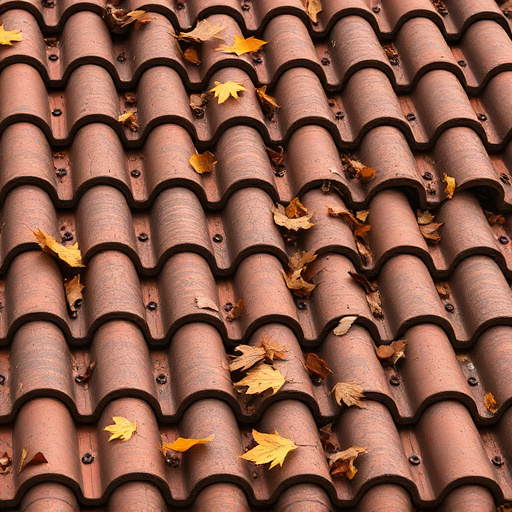
In the arid climate of flat tile profiles, the choice of roofing material can significantly impact the longevity and performance of a structure. Here, we confront a common dilemma: concrete versus clay tile. Both offer aesthetic appeal and durability, yet they fare differently under the intense desert heat, leading to concerns about sun-faded tile colors, efflorescence on concrete, and tile roof noise and wind damage. This article examines the nuances of each, exploring how their distinct properties influence maintenance, longevity, and overall structural integrity. By the end, homeowners and local roofing contractors alike will gain a comprehensive understanding to make informed decisions tailored to the unique challenges of this region.
- Understanding Tile Types: Concrete vs. Clay in Arid Climates
- Performance Considerations: Heat, Noise, and Wind Resistance
- Installation Best Practices: Factors for Desert Roofs
- Longevity and Maintenance: Which Tile Stands the Test of Time?
Understanding Tile Types: Concrete vs. Clay in Arid Climates
When selecting tile for a roof in desert heat, understanding the differences between concrete and clay tile is crucial. Both have their strengths, but local conditions like extreme temperatures, high winds, and occasional hail can put these materials to the test. Clay tile, though beautiful and traditional, can be more susceptible to warping and cracking in the intense desert sun, leading to increased maintenance and potential water damage. On the other hand, concrete tile offers durability and longevity, but it can be heavier, potentially straining framing and adding structural considerations.
Concrete tile, with its dense composition, provides superior resistance to the harsh desert environment. It's less prone to warping or cracking from heat expansion and contraction, reducing the risk of leaks and water penetration. However, its weight requires adequate roof structure to support it, and improper installation can lead to damage from wind and foot traffic. An experienced Oro Valley roof specialist recommends careful planning and skilled labor to ensure concrete tile roofs withstand local conditions, including high winds that can cause tile clips to fail.
Clay tile, while aesthetically appealing and often associated with Santa Fe style homes, may not be the best choice for desert climates. While it can mimic historic Spanish mission tile homes, clay's porosity makes it susceptible to efflorescence, a white powdery residue that can discolor and degrade the tile's appearance. Clay tile is more delicate and can be damaged by hail, requiring frequent repairs and replacements. Flat tile profiles, popular for their simplicity and modern aesthetic, are not necessarily better suited for desert heat; they still require proper installation and maintenance to avoid issues like tile batten rot and debris buildup in valleys.
When comparing concrete and clay tile in desert heat, consider the long-term implications of each material's performance. Concrete tile offers durability but demands attention to structural capacity and installation, while clay tile provides a charming aesthetic but may require more maintenance due to weather and environmental factors. Homeowners and builders should carefully weigh these factors, consult local building departments (like the Oro Valley Building Department), and work with experienced contractors to ensure a tile roof that looks good and performs well for years to come.
Performance Considerations: Heat, Noise, and Wind Resistance

In the harsh desert climate, the choice between concrete and clay tile roofs involves careful consideration of heat, noise, and wind resistance. These factors are crucial for ensuring a roof's longevity and performance, particularly in an environment where extreme temperatures and powerful winds are common. When selecting between these two materials, a roofer with an Arizona ROC license often recommends evaluating how each handles these specific challenges.
Concrete tile roofs have long been praised for their durability and fire resistance, qualities that make them an excellent choice for desert regions. They can withstand extreme heat, expanding and contracting without warping, and their dense composition provides superior protection against fire. However, concrete tiles tend to be heavier, which may require additional structural support during installation, especially on older or smaller structures. Their rigid nature can lead to more noise transmission, making them less ideal for areas where noise pollution is a concern. Concrete tiles also require ridge mortar, which, if not properly installed, can be a point of entry for pests and moisture.
Clay tile roofs, on the other hand, offer a more aesthetically pleasing option, particularly for Spanish Colonial homes. Known for their traditional appeal and wide variety of colors, clay tiles can complement the architectural style of these historic structures. Clay tiles are generally lighter than concrete, making them easier to install and less taxing on the building's framing. However, they are more susceptible to heat absorption, which can lead to higher attic temperatures and increased energy costs. To mitigate this, proper ventilation and underlayment are essential. In high-wind regions, such as Tucson, it's crucial to ensure the tiles are securely fastened, and appropriate flashing is installed at side walls and tile valleys to prevent debris buildup and water penetration.
To balance these considerations, many experts recommend barrel tile, a type of clay tile designed for enhanced strength and weather resistance. Barrel tiles' curved shape provides better wind resistance, reducing the risk of damage from high winds. Proper nailing patterns and the use of two-layer underlayment systems can significantly improve a clay tile roof's performance against noise and wind. A local roofing contractor in Oro Valley often uses these techniques to ensure the durability and longevity of tile roofs in the area. Regular cleaning and maintenance, including inspecting for efflorescence (a white crust that can form on concrete tiles) and addressing any pest entry points, are also vital to maintaining a tile roof's performance in the desert heat.
Installation Best Practices: Factors for Desert Roofs

When installing tile roofs in the desert heat of Oro Valley, best practices demand careful consideration of specific factors to ensure longevity and performance. While clay and concrete tiles offer distinct aesthetics and durability, their installation strategies differ dramatically in this climate. Concrete tiles, known for their weight and durability, require robust framing to support their load, especially when considering the additional strain of intense sun and wind.
One critical installation aspect is managing tile roof noise and wind. High winds are common in the region, and tiles, especially heavier concrete varieties, can become airborne projectiles. To counter this, skilled Oro Valley roof specialists employ tile clips, which securely fasten tiles to the underlayment, preventing them from lifting. A dry ridge system, where tiles are installed to create a continuous ridge without gaps, further enhances wind resistance. This method reduces the potential for debris buildup and the associated damage to the roof structure.
Synthetic underlayment, a two-layer system, is another best practice. It provides an extra layer of protection against moisture and pests while allowing for some flexibility, mitigating the risk of damage from foot traffic and extreme temperature fluctuations. Synthetic underlayment can help with tile headlap and coverage, ensuring proper nailing patterns and reducing the risk of leaks at the tile edge. These strategies, combined with careful flashing at side walls and proper guttering, are essential for maintaining a desert tile roof's integrity and performance for years to come, as recommended by the Arizona Solar and Roofing Association.
Longevity and Maintenance: Which Tile Stands the Test of Time?
When comparing concrete versus clay tile roofs in the desert climate of Oro Valley, longevity and maintenance are paramount considerations. While both types offer aesthetic appeal and protection against the elements, they perform differently under the intense sun and high winds characteristic of this region. Concrete tile, known for its durability, often proves superior in terms of long-term performance.
Concrete tile roofs are designed to withstand the harsh conditions of a desert environment. They are less susceptible to the damaging effects of UV radiation, which can cause sun faded tile colors and efflorescence on clay tiles. Concrete tiles are heavier, providing superior resistance to strong winds, including those during monsoon season. This added weight also means concrete tiles are less likely to be displaced or blown off, a common concern with lighter clay tiles in high wind areas. Unlike clay tiles, concrete tiles do not require a 30 lb felt underlayment for added strength, further reducing installation and maintenance costs.
While clay tiles have their place in certain architectural styles, like the Spanish Colonial Revival, they can be more susceptible to damage from foot traffic and heavy debris, especially in areas with significant tree cover where leaves and branches can accumulate. Clay tiles are more prone to battern rot and pest entry points, necessitating more frequent inspections and repairs. A licensed Oro Valley area roofing contractor recommends regular cleaning and sealing of both types of roofs to combat these issues, but concrete tiles generally require less intensive maintenance over their lifespan.
In terms of noise, concrete tiles tend to be quieter than clay tiles, a factor that can be important in residential areas. This, combined with their superior wind resistance, makes concrete tiles a smart choice for properties in areas prone to high winds, including those near open fields or desert washes. While clay tiles have their aesthetic merits, concrete tiles' durability, resistance to the desert climate's unique challenges, and lower maintenance requirements make them a more reliable option for long-term performance.
Frequently Asked Questions About a Comparison of Concrete and Clay Tile in Desert Heat
What is the primary difference between concrete and clay tiles?
Concrete tiles offer a modern, sleek appearance with a wide range of shapes and colors. They are made from a mixture of cement, sand, and water, set in molds, and then cured. Clay tiles, on the other hand, are crafted from natural clay, fired in a kiln, and often come in traditional, rustic designs. While both materials are durable, concrete tiles are generally more resistant to cracking in extreme temperatures.
How do concrete tiles perform in the desert heat?
Concrete tiles are well-suited for desert climates. Their dense composition prevents water absorption, reducing the risk of mold and mildew. They can withstand high temperatures, making them an excellent choice for areas experiencing intense sunlight and heat. Concrete tiles offer good insulation, helping to keep interiors cool.
Are clay tiles suitable for desert environments?
While clay tiles are traditionally popular, they may not be the best choice for desert heat. Clay, being a natural material, expands and contracts with temperature changes, making it susceptible to cracking in extreme heat. Their absorption rate can also lead to water damage if not properly sealed, making them more maintenance-intensive in desert regions.
Which option is more cost-effective?
Concrete tiles tend to be more affordable than clay tiles. The production process for concrete is generally less labor-intensive, contributing to lower costs. However, installation prices can vary, so it's crucial to consider both materials' upfront and long-term costs, including maintenance.
Do concrete tiles require special maintenance?
Concrete tiles require minimal maintenance. Periodical cleaning with mild soap and water is typically sufficient to remove dirt and stains. Due to their non-porous nature, they don't absorb oil or grease, making them easy to wipe clean.
Can concrete tiles be walked on directly after installation?
Yes, concrete tiles can generally be walked on shortly after installation. However, it's best to wait 24-48 hours for the tiles to cure completely before subjecting them to heavy foot traffic to ensure optimal strength and longevity.
Selecting the right tile roofing material for a desert climate, like southern Arizona, involves understanding the unique challenges posed by heat, noise, and wind. Concrete tiles have proven to be an excellent choice for arid environments, offering superior heat resistance, low noise levels, and excellent wind resistance. Their dense composition withstands the intense desert sun, and they don't suffer from efflorescence like clay tiles. Clay tiles, though aesthetically pleasing with their natural colors, are less suitable for such conditions. They can be more susceptible to foot traffic damage, especially in high-traffic areas, and are heavier, requiring additional framing support.
When considering a tile roof installation or replacement, especially in Oro Valley, homeowners and contractors should prioritize these key factors. The decision between concrete and clay tiles largely depends on the specific needs and preferences of the property. For long-term durability and reduced maintenance, concrete tiles are a solid investment. They require less frequent replacement and can add significant value to a home. Proper installation, including two-layer underlayment systems and quality tile clips, is crucial to ensure the roof's longevity.
Maintaining and cleaning tile roofs safely is essential, especially in areas prone to debris buildup in valleys. Regular inspections and a well-maintained roof can help prevent issues like tile batten rot and pest entry points. Homeowners can take pride in choosing a tile roofing system that not only enhances the curb appeal of their Spanish mission-style homes but also stands up to the challenges of the desert climate.
In desert heat, concrete tile roofs offer superior durability and wind resistance, but require adequate framing and careful installation to manage weight and noise. Clay tile roofs, while aesthetically appealing, are more susceptible to warping, cracking, and pest damage, necessitating more frequent maintenance. Both types need proper underlayment, flashing, and guttering for optimal performance. For best results, consult a licensed local roofer to weigh these factors and select the most suitable tile roof type.