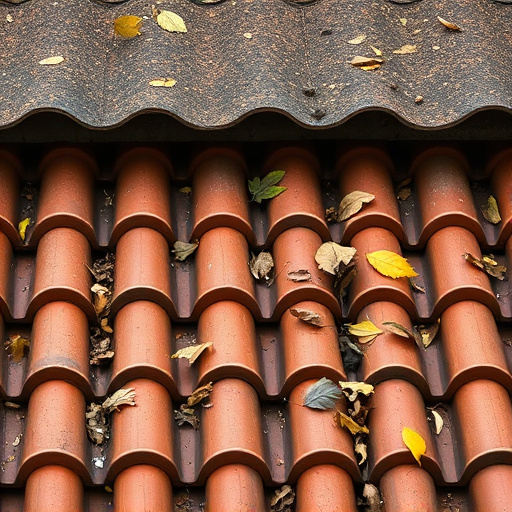
Tile roofs are a popular choice for homeowners in flat tile profiles like Oro Valley due to their durability and aesthetic appeal. However, maintaining a tile roof can be challenging, and problems often go unnoticed from the ground. Neglected issues can lead to costly repairs and even structural damage. This comprehensive checklist equips homeowners to spot potential tile roof problems, from sun-faded colors and efflorescence to damaged underlayment and sagging tiles. Understanding these signs is crucial, especially when considering the longevity and safety of your home, and it can save you from costly surprises. We'll examine the key areas to inspect, including the importance of a robust two-layer underlayment system in our desert climate.
- Inspecting Your Tile Roof From Ground Level
- Signs of Wear and Tear on Tile Roofs
- Two-Layer Underlayment Systems: Key to Protection
- Common Tile Roof Problems & Maintenance Tips
Inspecting Your Tile Roof From Ground Level
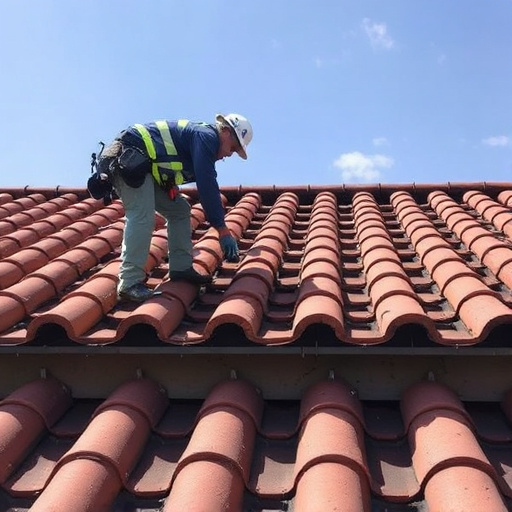
When inspecting your tile roof from ground level, pay close attention to several key areas to spot potential problems. Look for signs of damage from monsoon winds, which are common in our desert climate, as they can loosen tiles or cause battens to rot. Check the ridges, particularly where mortar is exposed, as these areas can be vulnerable to weathering.
One critical aspect to examine is the underlayment. A two-layer underlayment system, which offers superior protection against leaks and water damage, should be clearly visible. Check for any signs of wear, tears, or mold, which could indicate a need for replacement. Also, look for proper headlap and coverage, ensuring that the underlayment is installed according to the manufacturer's specifications.
Inspect the nailing patterns to ensure tiles are securely fastened. Looseness or missing nails, especially around corners or in areas exposed to high winds, could lead to tile displacement. Remember, a well-maintained tile roof should show no signs of efflorescence on concrete tiles, which is a white, powdery substance caused by water penetration. If you notice any of these issues, it's advisable to contact a professional, such as DC Roofing of Arizona, for a thorough assessment.
Signs of Wear and Tear on Tile Roofs
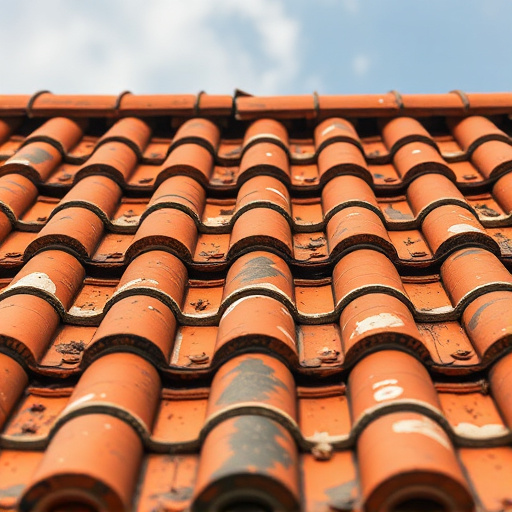
As a homeowner, keeping an eye on your tile roof from the ground can help you catch potential problems early. This is especially important in Oro Valley's climate, where tile roofs, while beautiful, face unique challenges from the desert heat, hail, and foot traffic. One critical aspect to scrutinize is the wear and tear that can accumulate over time, especially on the underlayment.
The underlayment, a protective barrier between the roof tiles and the decking, is a crucial component that often goes unnoticed until issues arise. A well-maintained tile roof should exhibit a two-layer underlayment system, providing an extra layer of defense against moisture, pests, and weather damage. Over time, however, this underlayment can degrade, leading to problems like leaks, mold growth, and even pest infiltration. Look for signs of separation, tears, or blisters in the underlayment, especially around chimneys, vents, and other penetrations. In extreme cases, the underlayment may need to be replaced entirely, a job best handled by a licensed Oro Valley area roofing contractor.
Another common indicator of wear and tear is the presence of tile clips, which secure tiles to the battens. In high-wind conditions, these clips can become dislodged, allowing tiles to shift or become loose. Hail can also damage or break tiles, exposing the underlayment to the elements. Regular inspections can help identify these issues. Walk the perimeter of your property and peer up at your roof, looking for any tiles that appear loose, cracked, or missing. Also, check for signs of efflorescence on concrete tiles-a white, powdery substance that can indicate moisture penetration and potential underlayment problems.
To maintain the longevity of your tile roof, consider a proactive approach. Schedule regular inspections with a local roofing contractor who can assess the condition of your underlayment and make recommendations. Proper maintenance, such as cleaning the roof and clearing debris from valleys, can prevent blockages that may lead to water damage. By addressing these issues promptly, you'll ensure your tile roof remains a stunning feature of your Oro Valley home, safeguarding against both aesthetic concerns and costly repairs.
Two-Layer Underlayment Systems: Key to Protection
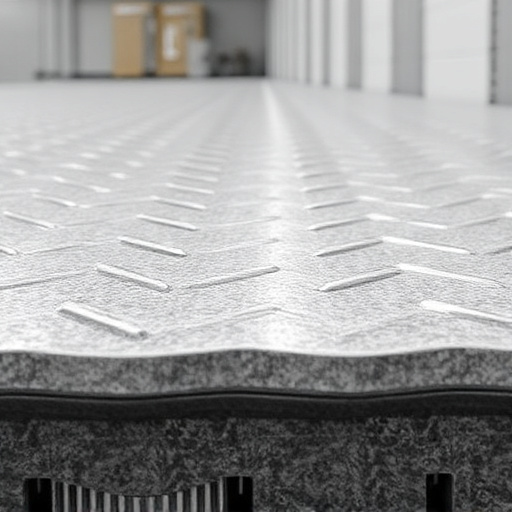
Maintaining a tile roof requires vigilance, especially in harsh climates like ours. One often-overlooked yet crucial element in protecting your tile roof from the ground up is understanding and ensuring the proper use of two-layer underlayment systems. These systems, designed to shield your roof from moisture intrusion and structural damage, are especially vital in our desert environment, where extreme temperatures and monsoon winds can put added stress on tile roofs.
When discussing efflorescence, a common issue on concrete tile roofs, a well-installed underlayment acts as a barrier, preventing this unsightly white deposit from forming. The dual layer provides enhanced protection against high winds, a factor critical in our area, especially during the summer months. A roofing contractor serving Oro Valley and Marana will advise that proper nailing patterns and the use of appropriate clips are essential to withstand our strong winds without damaging the underlayment or the tiles.
two-layer underlayment systems are recommended for homes with architectural styles that demand extra care, like Santa Fe-inspired designs. These styles often feature low-sloped roofs and intricate tile work, requiring a robust underlayment to prevent water pooling and ensure longevity. Remember, proper underlayment installation is key to not only preventing leaks but also ensuring the structural integrity of your home, especially during extreme weather events.
Common Tile Roof Problems & Maintenance Tips
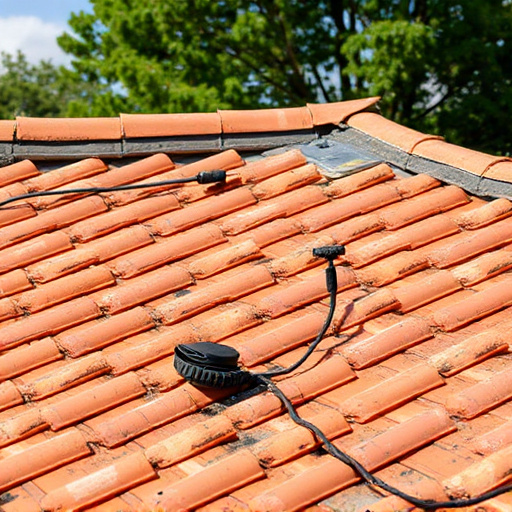
As a homeowner, keeping an eye on your tile roof from the ground can help you spot potential problems early. This is especially true for a style as prominent as Spanish Colonial, which often features beautiful, durable tile roofs. While professional inspection is crucial, there are key signs to look for that can indicate issues with your tile roofing system.
One common problem that can be visible from the ground is the condition of the underlayment. A two-layer underlayment system, often used in our region, provides an extra layer of protection against moisture and pests. Over time, the underlayment can deteriorate, exposing the roof deck to potential damage. Check for any signs of tearing, ripping, or loose material. Also, look for mold or mildew growth, which can indicate a leak or excessive moisture. In particularly dry climates like ours, it's important to be vigilant about these details, as they can lead to more serious, costly repairs.
Another visual check involves examining the tiles themselves. Look for barrel tiles, which are a common style in Spanish Colonial homes, for cracks or chips. These can occur due to foot traffic, extreme weather conditions, or age. Pay attention to the headlap, or the overlap of the tiles. A proper headlap ensures a watertight seal, so any damage here can compromise the roof's integrity. Regularly inspecting your roof can help catch these issues early, saving you from more extensive repairs and ensuring the longevity of your Spanish Colonial home's beautiful tile roof. Remember, when in doubt, reach out to a local roofing contractor like DC Roofing of Arizona for professional guidance and maintenance.
Frequently Asked Questions About a homeowner checklist for spotting tile roof problems from the ground
What should I look for when inspecting my tile roof from the ground?
When observing your tile roof from the ground, focus on the overall condition of the tiles. Look for any loose, missing, or damaged tiles. Check for signs of water damage, like stains or mold growth. Examine the grout lines for any cracks or dislodged grout. Pay attention to the flashings around chimneys and vents, ensuring they are sealed properly. Also, inspect the roof's edges and valleys for debris buildup, as these areas are prone to clogging and can lead to water penetration.
Can I identify damage to my tile roof without climbing on it?
Absolutely. Most damage to tile roofs can be spotted from the ground. Look for any visible cracks, chips, or missing pieces of tile. Check for loose tiles by gently tapping the roof and listening for any hollow sounds. Water stains, mold, or mildew growth along the roof's edges or gutters are also indicators of potential problems. While a close inspection may require some climbing, minor issues can often be identified without putting yourself at risk.
How often should I perform a visual inspection of my tile roof?
It's recommended to conduct a visual inspection of your tile roof at least twice a year, during spring and fall. These seasons offer ideal weather conditions for thorough assessments. Regular inspections allow you to catch potential issues early, preventing minor problems from turning into costly repairs.
What tools do I need to inspect my tile roof?
You don't need specialized tools for a basic visual inspection. A good pair of binoculars or a ladder (if you need to get a closer look) will suffice. If you suspect more serious issues, such as structural damage or leaks, DC Roofing of Arizona, a licensed Oro Valley area roofing contractor, recommends consulting a professional roofer for a thorough evaluation.
What should I do if I find damage to my tile roof?
If you discover damage, such as missing or loose tiles, cracks, or water stains, it's best to contact a licensed roofer, like DC Roofing of Arizona, serving Oro Valley and Marana. They can assess the damage, provide repairs, or offer solutions to prevent further issues. Regular maintenance and prompt attention to problems can extend the life of your tile roof.
Can I maintain my tile roof myself, or do I need a professional?
While some basic maintenance tasks, like cleaning and inspecting the roof, can be done by homeowners, more complex repairs or replacements typically require professional expertise. Tile roofs demand specialized knowledge and tools for safe and effective repair. A local roofing company, like DC Roofing of Arizona, can handle various tile roof issues, ensuring the work is done correctly and securely.
As homeowners, staying vigilant about our properties' health is crucial. For our tile roofs, a proactive approach can prevent significant issues. By regularly inspecting from the ground level, we can spot early signs of wear and tear, such as missing or broken tiles, efflorescence on concrete tiles, or foot traffic damage. Understanding the importance of a two-layer underlayment system acts as a vital shield against the harsh desert heat, weight on framing, and potential pest entry points.
This checklist equips us with the knowledge to maintain our tile roofs effectively. From ensuring proper nailing patterns and adequate headlap coverage to addressing gutter and valley concerns, each aspect contributes to a robust, long-lasting roof. We learn to recognize when professional help is needed, like when dealing with tile batten rot or fire resistance requirements, ensuring our homes remain safe and protected.
By adopting these practices, we not only extend the lifespan of our tile roofs but also preserve the aesthetic appeal and value of our properties, leveraging the enduring beauty of Spanish mission tile homes and the design guidance offered by local experts and historical organizations.
Tile Roof Inspection Checklist:
- Underlayment: Check for a two-layer system, signs of wear, tears, mold, or degradation.
- Tile Condition: Inspect for loose, cracked, or missing tiles, especially around corners and penetrations.
- Efflorescence: Look for white powdery substance on concrete tiles, indicating moisture issues.
- Nailing Patterns: Ensure tiles are securely fastened, especially in high-wind areas.
- Regular Maintenance: Schedule inspections, clean roofs, and clear debris to prevent blockages.
- Professional Help: Contact a licensed roofer like DC Roofing if concerns arise.