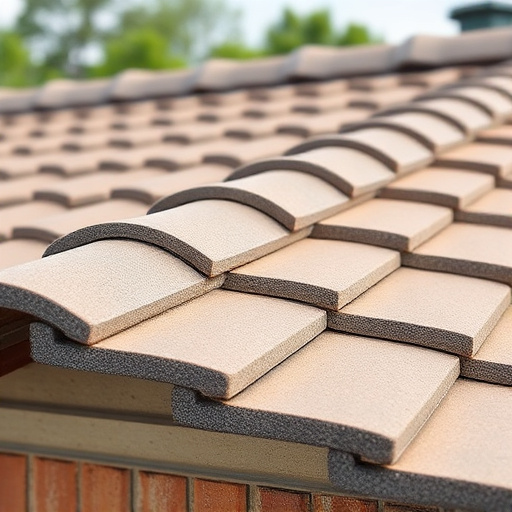
Tile roofs are a popular choice for homes in the Oro Valley area, thanks to their durability and aesthetic appeal. However, the unique challenges posed by the monsoon season require specific care to ensure these roofs remain in top condition. The intense heat, heavy rainfall, and strong winds can impact both the performance and appearance of tile roofs, from the potential for sun-faded tile colors to issues with efflorescence on concrete tiles. This article provides in-depth advice on maintaining and repairing tile roofs before and after monsoon season, with a focus on the differences between S tile and flat tile profiles. We'll explore practical solutions, best practices, and expert tips to help homeowners protect their significant investment.
- Preparing Your Tile Roof for Monsoon Season
- Post-Monsoon: Evaluating and Cleaning Tile Damage
- Flat Tile Profiles: Maintenance and Longevity Tips
- S Tile vs Flat: Choosing the Right Profile for Your Roof
Preparing Your Tile Roof for Monsoon Season
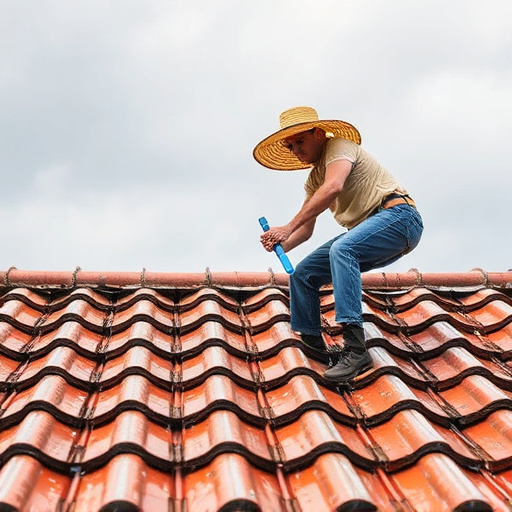
Preparing your tile roof for monsoon season involves a series of strategic steps that consider both the unique challenges of the desert climate and the specific profile of your roof tiles. The transition from dry, sunny conditions to sudden downpours demands special attention, particularly for S tile profiles, which have distinct advantages over flat tile profiles in this environment.
For concrete tiles, understanding the differences in installation and maintenance is key. S tile profiles, with their intricate design, require precise nailing patterns and adequate headlap to ensure proper drainage. A roofer with an Arizona ROC license will advise that these tiles benefit from ridge mortar, which strengthens the overall structure and prevents water from seeping in around the ridges. Conversely, flat tile profiles, though simpler, need less intricate installation, making them a more straightforward option for some homeowners. However, they may be more susceptible to damage from heavy foot traffic during monsoon season, as well as efflorescence on the concrete surface.
Regular maintenance is critical, especially checking for loose tiles, damaged battens, and proper flashing at side walls. This is particularly important for Spanish mission tile homes, which often feature intricate tile work. After monsoon season, inspect your roof for any signs of wear and tear, such as tile batten rot, which can compromise the integrity of your roof. For safe cleaning, follow guidelines from local utility companies and neighborhood watch groups to avoid power outages and ensure safe entry for maintenance. Remember, proper underlayment, the second layer that protects against moisture, matters in extending the lifespan of your tile roof, offering both insulation and a barrier against the intense desert heat.
Post-Monsoon: Evaluating and Cleaning Tile Damage
After the monsoon season, homeowners in the Catalina Foothills region often find themselves assessing potential damage to their tile roofs. This is a crucial time to evaluate the condition of your roof, especially in areas where synthetic underlayment and flat tile profiles are prevalent. S tile vs flat tile profiles is a common consideration for homeowners here; each has unique advantages and potential drawbacks.
The first step is to conduct a thorough inspection. Look for loose or missing tiles, which can be more prevalent after strong winds and heavy rains. Check for efflorescence on concrete tile-a white, powdery residue-which indicates moisture buildup. This is common in flat tile profiles, and addressing it promptly can prevent further damage. Also, inspect the underlayment, particularly if your roof has a two-layer system. A licensed Arizona roofer recommends checking for signs of mold or mildew, which can develop in damp conditions, especially if there was flooding.
Cleaning is a critical post-monsoon task. For flat tile roofs, use a soft-bristled brush to gently remove debris and loose particles. Avoid using high-pressure washers, which can damage the tiles and underlayment. When cleaning, be mindful of the surrounding environment. If your roof is near a tree, be cautious of leaves and branches that could be trapped in the gutters. After cleaning, re-evaluate the tiles for any signs of foot traffic damage, which can occur when heavy rainfalls make paths on your roof. Finally, check for pest entry points and repair any gaps or damages to prevent future infestations. This meticulous evaluation and cleaning process ensures your roof is protected and ready for the next season.
Flat Tile Profiles: Maintenance and Longevity Tips
The care and maintenance of a tile roof, especially flat tile profiles, are crucial, particularly in the harsh conditions of the Oro Valley desert climate. Before and after monsoon season, homeowners with S tile or flat tile roofs must consider the unique challenges these environments present. The flat nature of these profiles, while offering a sleek aesthetic, exposes the tiles to more direct sunlight, leading to accelerated UV exposure. This can result in faded tile colors and, over time, efflorescence on concrete tiles, a white powdery substance that can weaken the surface.
Regular maintenance is key to mitigating these issues. A local roofing company serving Oro Valley recommends inspecting the roof for loose tiles, damaged nailing patterns, or signs of battern rot. The underlayment, which provides an extra layer of protection against the elements, should be checked for wear and tear, particularly at the edges and valleys where debris can accumulate. In areas prone to high winds, tile clips should be secure, and homeowners should consider adding bird stops to prevent debris from being blown onto the roof, a common issue during monsoon season.
To preserve the longevity of the roof, consider a two-layer underlayment system, which provides extra protection against water intrusion and provides a buffer against foot traffic damage, common in areas where residents walk on rooftops for repairs or maintenance. Applying a tile sealer can protect against UV exposure, though it's essential to choose the right sealer and reapply as recommended by the manufacturer. A water-based sealer might be a better choice in a desert climate, as it evaporates more quickly, leaving less residue.
Fire resistance is another vital consideration, especially in areas with dry, flammable vegetation. Clay and concrete tiles are both fire-resistant materials, but their performance can be affected by efflorescence and UV damage. Homeowners in fire-prone areas should regularly inspect their roofs and keep a close eye on any signs of damage or deterioration. Proper maintenance, combined with regular cleaning to remove debris and restore the roof's aesthetic, can ensure that a tile roof remains a durable, low-maintenance option for Oro Valley residents.
S Tile vs Flat: Choosing the Right Profile for Your Roof
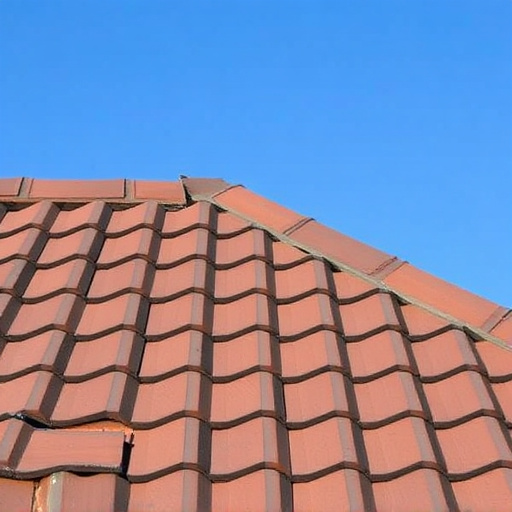
When preparing for monsoon season in Oro Valley, choosing the right tile profile is key. Clay and concrete tile roofs, two popular options in our region, have distinct characteristics that impact performance, maintenance, and aesthetics. S tile profiles, with their curved shape and larger nailing pattern, offer superior wind resistance and better drainage compared to flat tile profiles. This makes them a superior choice for our desert climate where high winds and intense sun can cause damage.
A flat tile roof may present challenges during monsoon season. The flat surface can trap water, leading to potential leaks and damage to the underlying structure. In contrast, S tiles' curved shape allows water to shed quickly, reducing the risk of water damage and the need for frequent repairs. A local roofing company serving Oro Valley often recommends S tiles for their two layer underlayment system compatibility. This dual protection further strengthens the roof against high winds and other environmental stressors.
While S tiles offer advantages, they may also require slightly more maintenance. The curved shape can trap dirt and debris, necessitating regular cleaning to prevent sun faded tile colors and efflorescence on the concrete tiles. The larger nailing pattern can make repairs more complex, particularly around skylights or in tight spaces. However, with proper care, S tiles can extend the lifespan of your roof and contribute to the overall beauty of your Spanish mission tile home.
Frequently Asked Questions About advice on tile roof care before and after monsoon season
What is the best way to prepare my tile roof for monsoon season? Regular cleaning and inspection are key. Remove any debris like leaves or branches from the roof and gutters. Check for damaged tiles or flashing, repairing or replacing as needed. Sealant application on the tile surfaces and around flashing can offer additional protection against moisture.
How often should I inspect my tile roof for damage? Conduct a thorough inspection at least twice a year, focusing on potential weak points like corners, edges, and areas prone to heavy debris buildup. Post-monsoon season inspection is crucial to assess any storm-related damage and plan repairs before the next season.
What should I do if I notice loose tiles during monsoon? Loose tiles are a serious issue. Temporarily securing them with a sturdy cord or wire can prevent further displacement. Contact a licensed roofing contractor for a professional assessment and repair, especially if the tiles are near the roof's edge or in high-wind areas.
Can I clean my tile roof myself, or do I need a professional? For minor cleaning and maintenance, homeowners can safely perform these tasks. However, for extensive cleaning, repairs, or replacement, it's best to hire a professional. A licensed roofing contractor has the equipment, expertise, and safety protocols to handle any issues that may arise, ensuring a durable and secure roof.
What materials are best for sealing my tile roof? Silicone-based sealants are highly effective for tile roofs. They offer excellent water resistance, flexibility, and durability. A professional can apply the sealant, ensuring complete coverage and a strong bond with the tile surface.
How can I tell if my tile roof needs replacement? While it depends on various factors, signs include significant tile damage, missing tiles, weakened or corroded flashing, and signs of water intrusion. A professional inspection can pinpoint these issues and recommend the best course of action, whether repair or replacement.
As monsoon season draws to a close, your tile roof has endured significant stress. The key to maintaining its integrity lies in understanding the unique challenges posed by desert heat and intense rainfall. The article has provided invaluable insights into the care and maintenance of tile roofs, with a specific focus on the S tile vs flat tile profiles debate.
For those with flat tile profiles, regular cleaning and inspection are paramount. Be on the lookout for sun faded tile colors, efflorescence on concrete tiles, and potential foot traffic damage. A thorough cleaning regimen, including the safe use of tile roof sealers, can extend the lifespan of your underlayment and prevent heat transfer into your attic. Storing spare tiles and ensuring proper nailing patterns and headlap coverage are crucial for repairs.
When considering S tile profiles, the focus shifts to longevity and wind resistance. These tiles have proven to withstand high winds and pest entry points better than their flat counterparts. However, they can be heavier, requiring additional structural support. Choosing the right profile depends on your roof's design and local building codes, with Spanish mission tile homes often favoring S tiles.
Post-monsoon, evaluating your roof's damage is essential. Look for cracks in tile battens, rot, and debris buildup in valleys. The Oro Valley Building Department recommends regular maintenance and, in severe cases, consulting a local roofing contractor. Remember, proper care and timely repairs can ensure your tile roof not only withstands the monsoon but also maintains its aesthetic appeal for years to come.
Preparing for monsoon season in Oro Valley requires careful consideration of tile profiles, especially S tile vs flat tile. S tiles, with their curved design, offer superior wind resistance and drainage, making them ideal for the desert climate. They pair well with two-layer underlayments for added strength. However, S tiles may require more maintenance due to their shape and nailing pattern. Flat tile profiles, though simpler, are prone to water trapping, efflorescence, and foot traffic damage. Regular inspection, cleaning, and maintenance, including checking underlayment and tile integrity, are crucial for all tile roofs. The right choice depends on balancing performance, aesthetics, and maintenance requirements.