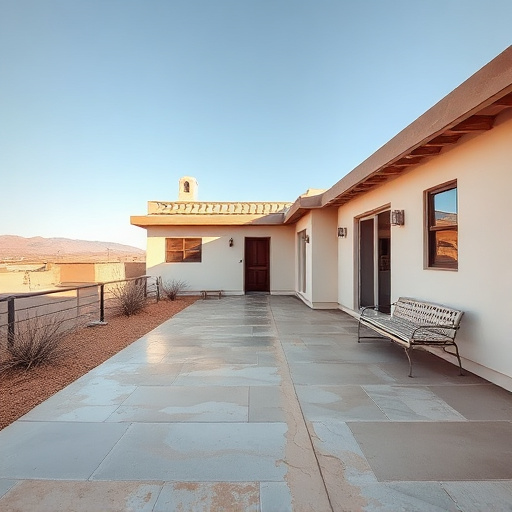
In the harsh desert climate, tile roofs are a popular choice for homeowners in flat tile profiles like Oro Valley, offering both aesthetic appeal and durability. However, a common concern arises: why does the tile underlayment, the crucial protective layer beneath the tiles, often show signs of wear and tear before the tiles themselves do? This phenomenon, particularly evident in sun-faded tile colors, is not an isolated issue. It's a puzzle that requires a deep examine materials science, construction practices, and environmental factors. In this article, we demystify this problem and offer insights into why underlayments fail, setting the stage for informed solutions and extended roof lifespans.
- Understanding Tile Underlayment: Its Role and Limitations
- Environmental Factors: Sun Faded Tile Colors and Wear
- Common Causes of Pre-Mature Underlayment Failure
- Best Practices for Longevity: Preventing Early Wear
Understanding Tile Underlayment: Its Role and Limitations
Tile underlayment serves as a crucial buffer layer between the tile roof and the framing, helping to prevent moisture damage and ensuring the longevity of the tile itself. However, it's not uncommon for tile underlayment to wear out before the tiles, leading to costly repairs and weakened roof integrity. Understanding the role and limitations of tile underlayment is essential for homeowners and roofers alike, especially in challenging environments like Oro Valley's desert heat.
One primary factor contributing to underlayment degradation is prolonged exposure to the sun. Concrete tile, a popular choice in this region due to its durability and aesthetic appeal, can fade over time, leading to an unsightly appearance. This sun-induced fading can weaken the underlayment, making it more susceptible to wear and tear. Lighter-colored tiles absorb less heat, slowing the degradation process compared to darker shades. Homeowners should consider this when selecting tile colors, prioritizing durability and low maintenance.
The choice between ridge mortar and dry ridge systems influences underlayment longevity. Ridge mortar, a traditional method involving a bed of mortar along the roof's peaks, offers superior water resistance but requires more maintenance. On the other hand, dry ridge systems, which use metal clips to secure tiles, minimize direct sunlight exposure to the underlayment, reducing the risk of efflorescence and degradation. DC Roofing of Arizona, a local roofing contractor, often recommends dry ridge installations for their long-term benefits, especially in areas prone to intense sunlight.
Tile headlap, the overlap between tiles, plays a crucial role in underlayment protection. Adequate headlap ensures that water runs off the roof, preventing it from pooling and soaking the underlayment. Proper nailing patterns and the use of tile clips in high wind conditions further bolster underlayment security. Regular inspections and maintenance, including cleaning tile roofs safely and addressing pest entry points, can significantly extend the lifespan of both the tile and underlayment.
Environmental Factors: Sun Faded Tile Colors and Wear
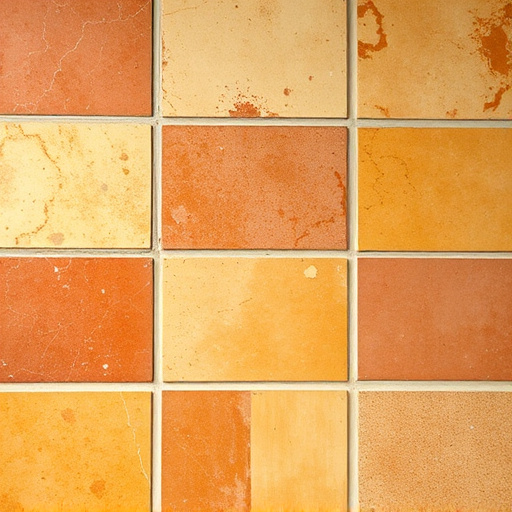
The longevity of a tile roof depends on a variety of factors, one of which is the preservation of tile color. Sun faded tile colors can significantly impact the overall appearance and durability of a roof, particularly in the challenging environmental conditions of Oro Valley's Catalina Foothills. These regions, characterized by intense, direct sunlight and periodic monsoon winds, present unique challenges for tile roofs.
Concrete tile, a popular choice for its durability and aesthetic appeal, is especially susceptible to sun fading. When exposed to prolonged UV radiation, the concrete itself can lose its vibrancy, turning shades of gray or even cracking. A well-maintained concrete tile roof in Oro Valley, after decades of sun exposure, might show noticeable discoloration, with certain areas appearing lighter or darker than the rest. This effect, while visually noticeable, usually does not compromise the structural integrity of the tile. However, it can indicate that the underlayment, which is designed to protect the tile from these very elements, is beginning to wear out.
The underlayment, a crucial component of a tile roof system, is often the first line of defense against environmental damage. It acts as a barrier between the tile and potential moisture, rot, and other issues. A well-installed underlayment can last for many years, but the relentless sun and wind in Oro Valley can accelerate its deterioration. High winds during the monsoon season can cause the underlayment to dry out and crack, creating entry points for water and pests. A local roofing company serving Oro Valley emphasizes the importance of using high-quality, durable underlayments to mitigate these issues. Regular inspections, especially after extreme weather events, can help identify any damage early, allowing for timely repairs.
Regular cleaning and sealing of the tile can also combat sun faded tile colors and prolong the underlayment's life. Tile roofs in Oro Valley should be cleaned thoroughly but gently to avoid damage. Professional tile roof care services can apply sealers that protect against UV rays, preserving the tile's original color and enhancing its water resistance. By addressing sun faded tile colors proactively, homeowners can ensure their roofs remain both aesthetically pleasing and structurally sound for years to come, even in the demanding desert heat.
Common Causes of Pre-Mature Underlayment Failure
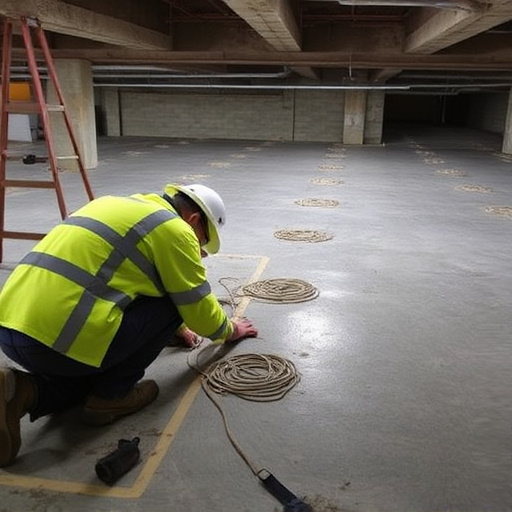
Tile underlayment, designed to protect the tile roof structure from moisture, UV damage, and foot traffic, often fails prematurely. This isn't always due to the tile itself, but rather the conditions under which it's installed and maintained. Understanding the common causes of underlayment failure can help homeowners and roofing professionals prevent costly repairs. One of the primary culprits is the combination of intense desert sunlight and the natural aging process. Over time, direct sun exposure can cause synthetic underlayment to crack, fray, and lose its elasticity, leading to tears and exposure of the roof deck. This is particularly evident in areas like Oro Valley, where the sun-drenched days can accelerate the fading of once vibrant colors in synthetic underlayments, transforming them into dull, grayish shades. A two-layer underlayment system, while more durable, isn't immune. The top layer, usually made of a more flexible material, can separate from the bottom layer over time, creating weak points that allow moisture intrusion.
Another factor contributing to pre-mature underlayment failure is the weight of the tile itself, especially on older or weaker framing. Concrete tile, known for its durability and aesthetic appeal, can be particularly heavy. If the underlayment isn't properly fastened and supported, the constant pressure from the tile can cause it to stretch, tear, or even rip away from the roof deck. Poor installation techniques, such as using too few nails or inadequate nailing patterns, can exacerbate these issues. Areas prone to high winds and foot traffic put additional strain on the underlayment, accelerating its wear and tear. A local roofing company serving Oro Valley that follows best practices for installation and maintenance, including using the appropriate underlayment for the specific roof type and climate, can significantly extend the lifespan of your tile roof.
Regular inspection and maintenance are crucial for identifying and addressing underlayment damage before it becomes a major problem. This includes checking for loose tiles, torn or frayed underlayment, and signs of water intrusion. Homeowners should be particularly vigilant about inspecting their roofs after severe weather events, as high winds and heavy rains can cause damage that may not be immediately apparent. When replacing tiles or performing routine maintenance, don't forget to assess the condition of the underlayment. Remember, a well-maintained tile roof starts with a solid foundation, and a robust, long-lasting underlayment is a key component of that foundation.
Best Practices for Longevity: Preventing Early Wear
Preventing Early Wear: Best Practices for Longevity
One of the most durable roofing materials, concrete tile, can still suffer from premature wear, especially in the harsh desert climate. A primary culprit is underlayment failure, which can lead to sun faded tile colors, cracks, and even tile loss. Unlike other roofing materials, tile underlayment doesn't get the same level of attention, yet it's crucial for protecting your investment. Many homeowners in Oro Valley, like those in Rancho Vistoso, don't realize the importance of a high-quality underlayment system, often settling for the cheapest option available. But skimping on underlayment can cost you down the road, leading to costly repairs.
A key factor in prolonging the life of your tile roof is using the correct underlayment. A 30 lb felt underlayment is a standard recommendation for concrete tile roofs, offering adequate protection from moisture and foot traffic. But for areas like Oro Valley where extreme heat and intense sunlight are the norm, a more robust system might be required. A licensed Oro Valley area roofing contractor can assess your specific needs, taking into account roof slope, local climate, and building code requirements. A two-layer underlayment system can provide added strength and protection, especially in high-wind zones, preventing tile clips from tearing or rusting and reducing the impact of debris on your roof.
Regular maintenance matters in preventing early wear. Keep an eye out for signs of efflorescence on concrete tiles, which can indicate moisture problems. Address power outages promptly, as they can disrupt the natural drying process and lead to mold growth. Consider the aesthetics of your roof. While sun faded tile colors might seem like a natural part of aging, they can also signal underlying issues. Regular cleaning and sealing can help maintain the vibrancy of your tile colors and protect against damage. Using the right tile sealer can enhance the life of your roof by shielding against UV rays and maintaining the waterproof properties of your underlayment.
Remember, the best practice for longevity isn't just about initial installation. It's a continuous effort involving regular inspections, prompt repairs, and preventative measures. By investing in a quality underlayment, staying vigilant with maintenance, and seeking expert advice, you can ensure your tile roof provides years of reliable protection, preserving the beauty and value of your Oro Valley home.
Frequently Asked Questions About an explainer on why tile underlayment wears out before the tile does
Why does tile underlayment fail before the tiles themselves? Tile underlayment, while crucial for a solid foundation, faces increased stress from moisture, temperature fluctuations, and heavy objects. Over time, this can lead to cracking, allowing water penetration and further damage. Unlike tiles, which are designed for longevity, underlayment materials may not be as durable, especially in high-moisture environments. Regular inspections and choosing the right underlayment for your climate can mitigate these issues.
How does moisture contribute to underlayment failure? Moisture is a significant culprit in tile underlayment degradation. Water, especially from leaks or high humidity, can weaken the underlayment's structure. This is especially problematic in areas prone to flooding or regions with high rainfall. Proper waterproofing membranes and breathable underlayments can help combat this, ensuring the underlayment stays dry and intact.
Can tile underlayment be repaired, or does it always need replacement? In some cases, minor damage to underlayment can be repaired by replacing small sections or using sealant to fill cracks. However, if the damage is extensive, with large gaps or complete layer failure, replacement is often necessary. A professional assessment is crucial to determine the extent of the damage and the best course of action, ensuring the new underlayment is compatible with the existing setup.
What factors should be considered when choosing tile underlayment? Several factors influence underlayment selection, including climate, humidity levels, and expected traffic. In areas with high moisture, a waterproof underlayment is essential. Underlayments designed for different tile types and installations (large format vs. Small) are also crucial. Consulting a roofing expert or referring to local building codes can help ensure the right underlayment is chosen for optimal performance.
Are there any maintenance tips for extending the life of tile underlayment? Regular maintenance includes inspecting the underlayment for signs of damage or moisture intrusion. Cleaning the area to prevent debris buildup and ensuring proper drainage can also help. In colder climates, protecting the underlayment from extreme temperatures and frost heaving is vital. Sealing joints and edges with appropriate products can further extend the underlayment's lifespan.
Understanding the role and limitations of tile underlayment is crucial for maintaining the longevity of your tile roof. The article has highlighted several key insights: the environmental impact of sun faded tile colors on the underlayment, common causes of premature failure, and best practices for prevention. It's evident that tile underlayment serves as a critical barrier against moisture and foot traffic, but it isn't indestructible. By addressing issues like efflorescence on concrete tiles, excessive weight on framing, and improper nailing patterns, homeowners and contractors can significantly extend the lifespan of the underlayment, and by extension, the entire roof system. Moving forward, implementing these best practices and staying vigilant against common failure points will ensure your tile roof remains a sturdy and attractive feature for years to come, protecting your investment and your home from the harsh desert heat.
Tucson homeowners with tile roofs must prioritize underlayment maintenance for longevity. Sun faded tile colors signal potential issues, especially in Oro Valley's intense sunlight. High-quality underlayment, like 30 lb felt or two-layer systems, protects against moisture, UV damage, and wear. Regular inspections, cleaning, sealing, and prompt repairs extend underlayment life. Expert advice from licensed local contractors ensures optimal protection for concrete tile roofs in challenging desert environments.