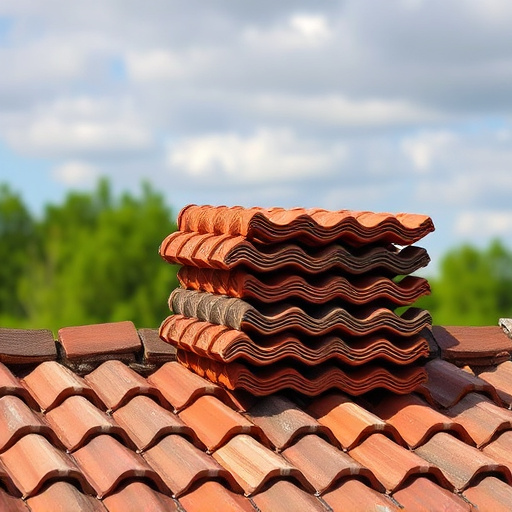
In the arid climate of Oro Valley, tile roofing is a popular choice for its durability and aesthetic appeal. However, a common concern among homeowners is the longevity of the tile underlayment, the protective layer beneath the tiles, which often shows signs of wear before the tiles themselves. Understanding why this occurs is crucial for maintaining a roof that can withstand the harsh desert heat, foot traffic, and potential pest issues. This article examines the factors behind underlayment degradation, specifically addressing tile nailing patterns and the role of two-layer underlayment systems in mitigating these problems, offering practical insights to help you protect your investment.
- Understanding Tile Underlayment Degradation
- Factors Accelerating Underlayment Failure
- Optimizing Nailing Patterns for Longevity
- When to Replace: A Strategic Approach
Understanding Tile Underlayment Degradation
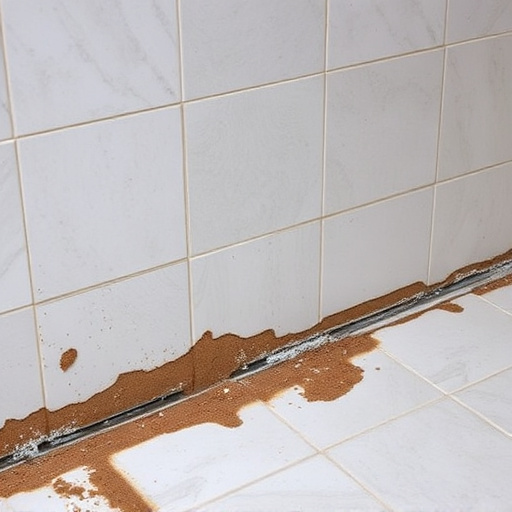
Tile underlayment, a crucial component of any tile roofing system, often outlives the tiles themselves. However, understanding why it degrades faster than the tiles is essential for homeowners and property managers in the Oro Valley area, where flat tile profiles are prevalent and Spanish Colonial homes are a common architectural style. The primary culprit is not age or exposure to the elements but rather the unique demands placed on it by the desert climate, building design, and everyday use.
One of the primary factors contributing to underlayment degradation is the intense heat and sunlight in our desert environment. Unlike S tile, which offers some protection against efflorescence on concrete tiles, flat tile profiles are more susceptible to heat absorption. This can lead to rapid drying of the mortar used to secure the tile, causing it to crack or shift over time. The sun's UV rays can break down the materials, leading to color fading and potential damage to the underlayment itself.
Another significant issue is the weight and movement of foot traffic. Tile roofs, especially in areas with high footfall like entryways or patios, experience constant pressure and movement. This can cause stress points along tile nailing patterns, leading to batten rot or damage to the underlayment. Tile around skylights or in areas with heavy debris accumulation can be particularly vulnerable. An experienced Oro Valley roof specialist may recommend specific underlayment materials and installation techniques to mitigate these issues, ensuring longevity for both the tile and the underlayment.
Regular maintenance, such as cleaning tile roofs safely and inspecting for damage, is crucial. Proper cleaning methods prevent buildup that could block gutters and valleys, which are essential for diverting water away from the roof and underlayment. Staying vigilant about tile roof pest entry points and addressing them promptly can prevent infestations that may compromise the structural integrity of the underlayment. By understanding these factors, homeowners can work with local roofing contractors and the Oro Valley Building Department to ensure their tile roofing systems, from underlayment to tiles, function optimally and last for years to come.
Factors Accelerating Underlayment Failure
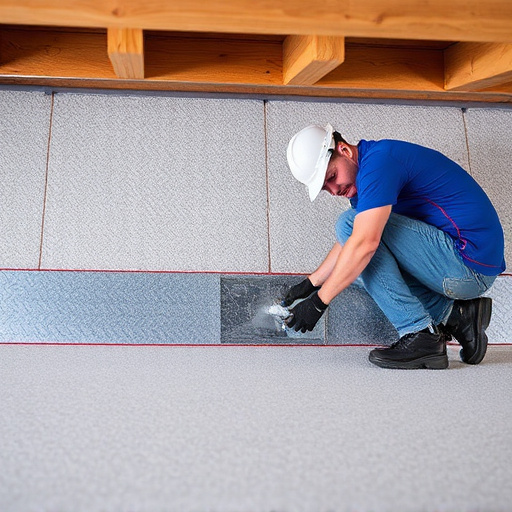
Tile underlayment, a crucial layer beneath your roof tiles, isn't indestructible. In the harsh desert climate, several factors can accelerate its failure, leading to costly repairs and potential tile damage. Unlike clay tile, which has a long history in the region, particularly in Spanish Colonial homes, modern barrel tile installations often rely on synthetic underlayments, making them more susceptible to certain challenges.
One primary culprit is foot traffic. High-traffic areas, like entryways or staircases, can wear down the underlayment faster, exposing the roof structure and tiles to potential damage. The heat and UV rays from the desert sun can cause the underlayment to dry out and crack, especially if it's not specifically designed for such conditions. This is a significant concern for larger, heavier barrel tiles, which require a robust underlayment to support their weight and prevent shifting.
Another critical factor is the choice of nailing patterns. Improper tile nailing, or using subpar nails, can lead to loose tiles and, consequently, a compromised underlayment. Over time, this can result in the underlayment tearing or peeling away from the sheathing, creating entry points for water, pests, and debris, significantly reducing its lifespan. An experienced Oro Valley roof specialist recommends regular inspections and maintenance to identify and address these issues, ensuring your tile roof remains a protective and aesthetically pleasing asset for years to come.
Optimizing Nailing Patterns for Longevity

The longevity of a tile roof depends on various factors, including the quality of the underlayment. Many homeowners in the Oro Valley area often wonder why their tile underlayment wears out before the tiles themselves, leading to costly repairs. The answer lies in understanding the specific challenges posed by the local climate, such as intense UV exposure, and implementing optimal nailing patterns.
One of the primary culprits is the sun's relentless assault on the roof. UV rays can degrade the underlayment, making it more susceptible to damage from wind, rain, and foot traffic. To counter this, it's crucial to use high-quality, UV-resistant underlayments and install them with precise nailing patterns. DC Roofing of Arizona, a local roofing contractor, recommends using tile clips in areas prone to high winds to secure the underlayment and prevent it from shifting. In desert environments, a 30-lb felt underlayment with a tight nailing pattern can significantly extend its lifespan.
Tile nailing patterns play a pivotal role in the roof's overall durability. A well-executed pattern ensures that each tile is securely fastened, minimizing the risk of shifting or damage. Homeowners should avoid the temptation to skimp on underlayment or use subpar nailing techniques. For flat tile profiles, a common and effective pattern involves placing nails every 6 to 8 inches along the tile's edge and in the center. This dense nailing pattern, combined with the right underlayment, can withstand the harsh conditions and foot traffic typical of Oro Valley homes.
Regular maintenance, including checking for loose tiles and replacing the underlayment as needed, is essential. By optimizing nailing patterns and choosing the appropriate underlayment, homeowners can ensure their tile roofs remain in top condition for years to come, preventing premature wear and costly repairs.
When to Replace: A Strategic Approach

While tile roofs are renowned for their durability, the underlayment-the protective layer beneath the tiles-can degrade faster than the tiles themselves. This phenomenon is particularly pronounced in the harsh, sunny climate of Oro Valley. Several factors contribute to underlayment wear and tear, including exposure to the elements, foot traffic, and even the type of tile and nailing pattern used.
One of the primary indicators that underlayment replacement is needed is the presence of damage from extreme weather events. Hailstorms can rip through the underlayment, causing tears and holes that expose the roof structure. Similarly, flat tile profiles, more common in this region, are susceptible to damage from sharp objects and heavy debris, especially in areas with high foot traffic. Over time, the constant pressure from tiles and weight on the underlayment can cause it to become compressed or stretched, leading to cracks and separation from the sheathing.
The ridge mortar-crucial for sealing the edges of tiles-can also fail. This failure often occurs at the joints between tiles, where the ridge mortar is most stressed. A roofer with an Arizona ROC license will often recommend replacing the underlayment when the ridge mortar shows signs of deterioration, as it can no longer effectively protect against water intrusion and other elements. A strategic approach involves regular inspections by a local roofing contractor to assess the underlayment's condition, especially in homes older than 10 years. By replacing the underlayment proactively, homeowners can prevent more extensive and costly roof damage down the line.
Frequently Asked Questions About an explainer on why tile underlayment wears out before the tile does
Why does tile underlayment fail before the tiles themselves?
The primary reason tile underlayment wears out faster than the tiles is its critical role in protecting the structure beneath. Underlayment acts as a barrier against moisture, a vital function in preventing water damage that can weaken the entire roof system. Over time, the constant exposure to UV radiation, extreme temperatures, and foot traffic can weaken the underlayment material, making it more susceptible to tearing, punctures, and degradation, thus requiring replacement before the tiles themselves show signs of wear.
How long should tile underlayment last?
Most tile underlayments, when installed correctly, are designed to last between 10 to 20 years, though this can vary based on the material and local climate conditions. Factors like excessive foot traffic, poor installation, or subpar materials can shorten its lifespan.
What factors contribute to the accelerated wear of tile underlayment?
Several factors can accelerate the wear of tile underlayment, including: intense sunlight and UV radiation, which can break down the material; extreme temperature fluctuations that cause expansion and contraction; heavy loads from constant foot traffic; and improper installation, such as poor alignment or missing sections.
Can tile underlayment be repaired, or must it be replaced entirely?
In most cases, tile underlayment must be replaced entirely due to its critical role in protecting the roof structure. Minor damage, like tears or punctures, can sometimes be repaired using specialized patches designed for the specific material, but extensive damage generally requires a complete replacement.
Who should install or replace tile underlayment?
For optimal results, tile underlayment should be installed or replaced by a licensed, experienced roofing contractor familiar with local building codes and the specific requirements of your home's roof style. This ensures the underlayment is installed correctly, maximizing its lifespan and effectiveness.
Are there different types of tile underlayment available, and which is best?
Yes, several types of tile underlayment are available, including paper, synthetic, and plastic underlayments. The best type depends on your specific needs, climate, and budget. Synthetic underlayments, for instance, are highly durable and recommended for regions with harsh climates, while paper underlayments are more common in residential installations due to their affordability and ease of use.
Understanding the degradation of tile underlayment is crucial for maintaining the integrity of your roof. The article has highlighted several key insights: underlayment typically wears out before the tiles, with lifespan varying based on installation and environmental factors. Accelerating factors include high winds, extreme temperatures, and inadequate nailing patterns. Optimizing nailing techniques, such as using the correct spacing and type of nails, can significantly prolong underlayment life. When deciding when to replace, consider the condition of the underlayment in relation to the tiles; a strategic approach ensures the entire roof system remains robust. By implementing these practical takeaways, homeowners and contractors can expect longer-lasting tile roofs, ensuring the investment in these durable and aesthetically pleasing finishes is protected.
In the Oro Valley desert climate, tile underlayment degrades faster than tiles due to heat, UV, foot traffic, and tile nailing patterns. Regular maintenance, high-quality underlayment, and optimal nailing patterns (e.g., 6-8 inches along tile edges and center) are crucial. Inspect for damage, replace underlayment as needed, and address pest entry points to ensure tile roofs' longevity.