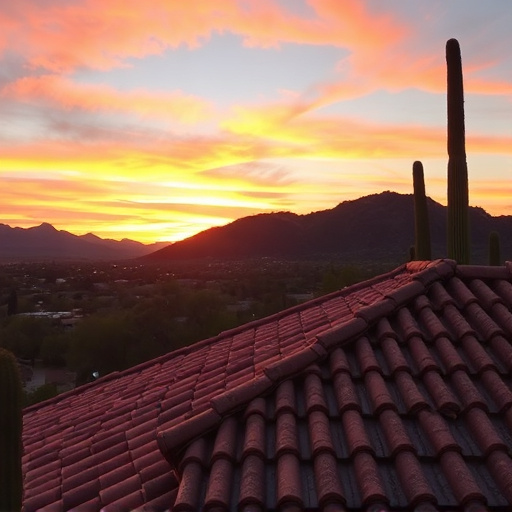
In the arid climate of Oro Valley, tile roofs have become a staple, offering both aesthetic appeal and robust protection against the elements. However, homeowners often face challenges with these durable structures, from managing tile roof weight on framing to addressing issues like efflorescence and foot traffic damage. This practical guide examines the intricacies of tile roofing, providing valuable insights into installation, maintenance, and design considerations specific to Oro Valley homes. We'll explore effective strategies for preserving the integrity and beauty of your tile roof, ensuring it stands the test of time and local weather conditions, from the scorching desert heat to potential high wind events.
- Understanding Tile Roof Weight Considerations for Oro Valley Framing
- Choosing the Right Tile Roof System: Factors and Benefits
- Step-by-Step Tile Roof Installation Guide for Local Homes
- Maintaining and Inspecting Your Tile Roof: Best Practices for Oro Valley Homeowners
Understanding Tile Roof Weight Considerations for Oro Valley Framing

In Oro Valley, the choice of roofing material significantly impacts the structural integrity and long-term performance of a home, especially when considering the unique challenges posed by the region's climate and local building codes. For tile roofs, understanding the weight considerations for framing is crucial for a successful installation, particularly with the popular choice of synthetic underlayment in the Catalina Foothills. A roofer with an Arizona ROC license will often advise homeowners that proper framing and underlayment are essential to prevent damage from the significant weight of tile roofs, which can easily exceed 100 pounds per square foot.
A traditional barrel tile, a common sight in the region's Spanish Colonial Revival architecture, adds substantial weight to the roof. Each tile, with its curved shape and dense material, contributes to the overall load. When installing these tiles, the framing must be robust to handle the stress, and a synthetic underlayment can provide an additional layer of protection. This is especially important in areas prone to high winds, like the Catalina Foothills, where tile clips and battens must be secured to withstand extreme conditions. A proper nailing pattern, considering the tile headlap and coverage, ensures the roof's structural integrity while minimizing the risk of damage from foot traffic and debris accumulation in the valleys.
The framing process itself matters in managing tile roof weight. Proper spacing and alignment of trusses or rafter are key. A licensed contractor will assess the load-bearing capacity of the existing framing and may recommend reinforcement or a more robust framing system to support the tile roof. This is particularly relevant when adding a tile roof to an existing structure, as the additional weight can put stress on the original framing. Regular maintenance, including checking for efflorescence on concrete tiles and sealing the roof to prevent heat transfer to the attic, is also crucial for preserving the structural integrity of the framing over time.
Lastly, for homeowners in Oro Valley considering a tile roof upgrade or replacement, consulting with a local roofing contractor familiar with the area's building codes and climate is essential. They can provide valuable insights into the appropriate underlayment systems, nailing patterns, and framing requirements for a safe and durable tile roof installation.
Choosing the Right Tile Roof System: Factors and Benefits
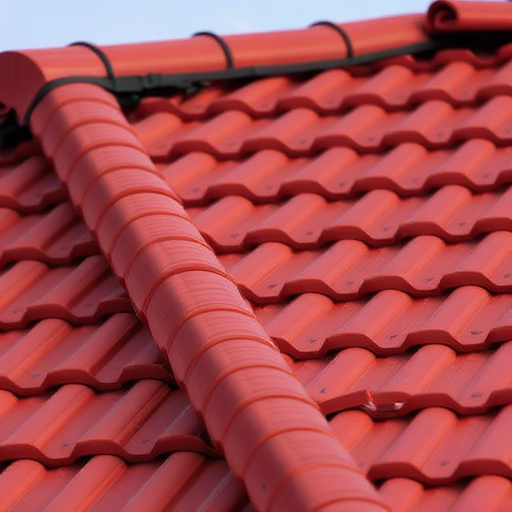
When choosing a tile roof for your Oro Valley home, understanding the weight your roof can bear is crucial. Tile roofs, especially those made from concrete, can be heavy, and the framing must be strong enough to support them. Most standard roofs can handle a tile roof's weight, but older or weaker structures may require reinforcement. A roofing contractor serving Oro Valley and Marana can assess your home's framing and recommend the best course of action, which might include adding trusses or doubling up on studs.
One popular option to consider is the S tile, a versatile and aesthetically pleasing choice. Unlike concrete tiles, S tiles are lighter, making them easier to install and less taxing on your framing. This style also offers better drainage, reducing the risk of water damage and roof rot. However, S tiles are more susceptible to damage from monsoon winds and bird droppings, so regular maintenance is essential. To mitigate these issues, use tile clips in high wind areas and keep your roof clean to prevent debris buildup.
Tile roof weight on framing isn't the only consideration. The design and installation process also play a role in your home's overall protection. Two-layer underlayment systems, for instance, provide enhanced water resistance and protection against efflorescence, a mineral deposit that can stain concrete tiles. Proper nailing patterns and headlap, the overlap between tiles, ensure your roof is durable and leak-free. Remember, a well-installed tile roof can increase your home's value and provide long-lasting protection, making it a wise investment for any Oro Valley homeowner.
Step-by-Step Tile Roof Installation Guide for Local Homes
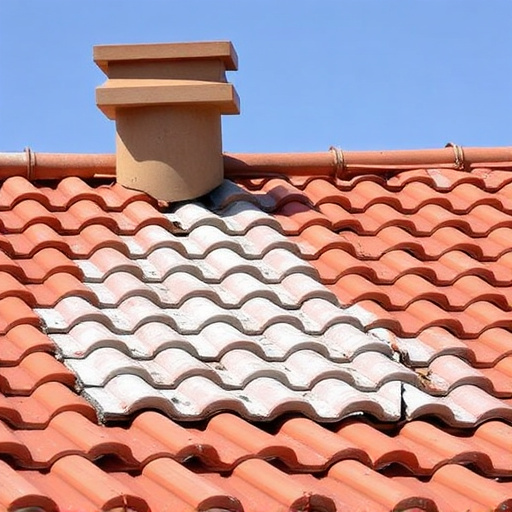
Installing a tile roof in Oro Valley requires careful planning and execution, especially when considering the region's unique climate and structural demands. This step-by-step guide examines the process, focusing on a key consideration: the significant tile roof weight on framing these structures can bear.
Start by ensuring your home's framing can support the load. Older structures might need reinforcement to handle the weight of clay tiles, which can be substantial. Consult a licensed contractor like DC Roofing of Arizona to assess your framing's integrity, especially if your home is over 20 years old. Once framing is verified, prepare the roof deck, installing a suitable underlayment for protection against moisture and pests. This layer acts as a barrier between the tiles and the decking, distributing the tile roof weight on framing more evenly.
Next, apply ridge mortar, a crucial component in securing the tiles. Unlike some flat tile profiles that use mechanical fastening, ridge mortar provides a traditional, durable bond between tiles and the peak of the roof. This step requires precision, ensuring the mortar is properly mixed and applied along the ridge line. As you lay each tile, follow manufacturer guidelines for nailing patterns and headlap, which dictate the optimal placement and overlap for each tile. This process ensures a watertight seal and distributes the tile roof weight on framing across the entire structure.
Finally, consider the unique challenges of Oro Valley's climate. The intense desert sun can lead to efflorescence on concrete tiles and potential sun-faded colors, requiring regular cleaning and sealing to maintain the roof's aesthetic appeal and integrity. Monsoon storms bring heavy rain and strong winds, necessitating robust ridge caps and clips to withstand these conditions. Remember, proper installation, including careful consideration of the tile roof weight on framing, is key to a durable, low-maintenance tile roof that complements the unique character of Oro Valley homes.
Maintaining and Inspecting Your Tile Roof: Best Practices for Oro Valley Homeowners

Maintaining and inspecting your tile roof is crucial for any homeowner in Oro Valley, especially given the unique challenges posed by the desert climate. Clay tile, a popular choice for its aesthetic appeal and longevity, requires specific care to ensure its structural integrity and protect your investment. One key consideration is the significant tile roof weight on framing. Unlike flat roofs, the additional weight of tile and underlayment demands careful installation and regular maintenance.
Oro Valley homeowners often opt for barrel tile or Santa Fe style tile roofs, which are known for their distinctive architectural charm. These clay tiles, with their hand-crafted textures and colors, can fade over time due to prolonged sun exposure. Regular cleaning and sealing are essential to restore their original beauty. Power washers can be effective, but they must be used cautiously to avoid damaging the tile or its mortar. When cleaning, always follow the manufacturer's guidelines and consider using a mild detergent to prevent staining.
A critical component of tile roof maintenance involves examining the underlayment and flashing. The underlayment, a protective barrier between the tiles and the roof deck, typically lasts 20 to 30 years, but two-layer systems offer enhanced durability. Keep an eye out for signs of damage, such as missing or loose tiles, water stains, or mold growth. Addressing these issues promptly will prevent further complications. Remember, a local roofing company serving Oro Valley can provide expert guidance and perform thorough inspections, ensuring your tile roof remains a reliable and attractive feature of your home.
Frequently Asked Questions About a practical guide to tile roofs on Oro Valley homes
What are the advantages of a tile roof in Oro Valley?
Tile roofs offer several significant benefits for homes in Oro Valley and the desert Southwest. They are incredibly durable, with a lifespan exceeding 50 years, and are resistant to high winds and extreme temperatures. Tile also provides excellent insulation, helping to regulate indoor temperatures and reduce energy costs. Their non-porous surface repels water, preventing leaks and protecting against mold and mildew. Many homeowners appreciate the low maintenance nature of tile roofs and their timeless aesthetic appeal.
How long does installation typically take?
Installation times can vary depending on the size and complexity of the project, but most tile roof installations in Oro Valley take one to two days, completed by skilled DC Roofing of Arizona contractors.
Are tile roofs suitable for all types of homes?
While tile roofs are commonly used on traditional desert-style homes, they can also be installed on ranch and barn-style homes. The key is to consider the roof's slope, structure, and overall design. A licensed roofer like DC Roofing of Arizona will assess your home's suitability during a consultation.
What types of tiles are available?
Homeowners in Oro Valley have a variety of tile options to choose from, each offering unique aesthetics and performance characteristics. Popular choices include Spanish (or Mediterranean) tiles, known for their curved shape and rustic charm, and flat-roof tiles, which offer a modern, sleek appearance. DC Roofing of Arizona can guide you in selecting the ideal tile style for your home.
How do I maintain a tile roof?
Tile roofs require minimal maintenance. Regular cleaning to remove dirt and debris is recommended, especially after construction or after heavy storms. Inspecting your roof for loose tiles or signs of damage twice a year is also beneficial. Most importantly, schedule professional repairs or replacement when needed to ensure the longevity of your roof.
Do tile roofs increase my home's value?
Absolutely. Tile roofs are considered a premium feature in Oro Valley homes, adding to their overall value. Their durability, low-maintenance nature, and aesthetic appeal make them a desirable upgrade for potential buyers.
As you've explored this guide, you've gained invaluable insights into the world of tile roofs in Oro Valley. Key takeaways include the importance of considering the significant tile roof weight on framing, especially in our region's unique conditions. Understanding the differences between standing seam and flat tile profiles, and their respective pros and cons, is crucial for both new builds and additions. The step-by-step installation guide and expert advice on maintenance and inspection provide the tools to ensure your tile roof not only stands the test of time but also enhances your home's aesthetics and value. Moving forward, prioritize regular checks for efflorescence, foot traffic damage, and pest entry points, while considering the environmental and practical benefits of a tile roof, such as fire resistance and reduced attic heat. By integrating these learnings, you're now equipped to make informed decisions regarding this essential home feature.
Tile Roof Installation and Maintenance in Oro Valley: A Practical guide
Choosing a tile roof in Oro Valley requires understanding the tile roof weight on framing, especially for older structures. A licensed roofer should assess framing strength and recommend reinforcement if needed. S tiles offer a lighter alternative to concrete tiles, but still demand proper nailing patterns and maintenance. Two-layer underlayment and ridge mortar enhance water resistance and distribution of weight. Regular cleaning and sealing protect clay tiles from sun damage and efflorescence. Promptly address missing tiles, water stains, or mold to maintain structural integrity. Consulting a local roofing company ensures expert guidance and a durable, attractive tile roof.