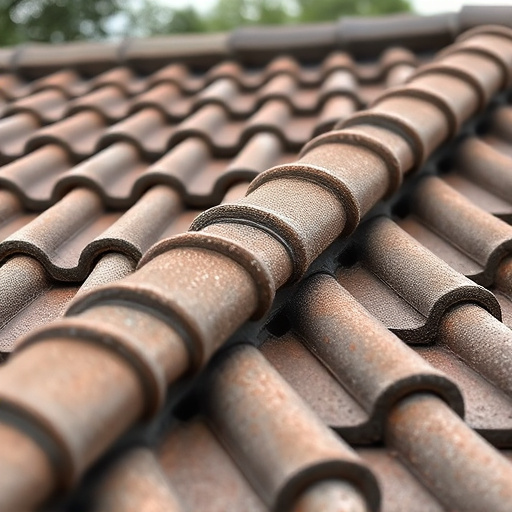
The tile roof, a common sight in our desert climate, offers both aesthetic appeal and durable protection for homes in flat tile profiles. However, the harsh conditions during monsoon season can take a toll, leading to concerns about tile roof foot traffic damage, efflorescence, and long-term maintenance. This article provides expert advice on navigating these challenges, from pre-monsoon preparation to post-storm assessment, ensuring your tile roof remains in top condition. We'll examine best practices for cleaning, maintenance, and even address the age-old question of clay vs. Concrete tiles in our region. By the end, you'll be equipped to protect your investment and enjoy a robust, safe, and beautiful tile roof.
- Pre-Monsoon: Tile Roof Inspection & Repairs
- During Monsoon: Safety & Maintenance Tips
- Post-Monsoon: Addressing Common Tile Roof Damage
- Long-Term: Preventing Future Foot Traffic Issues
Pre-Monsoon: Tile Roof Inspection & Repairs
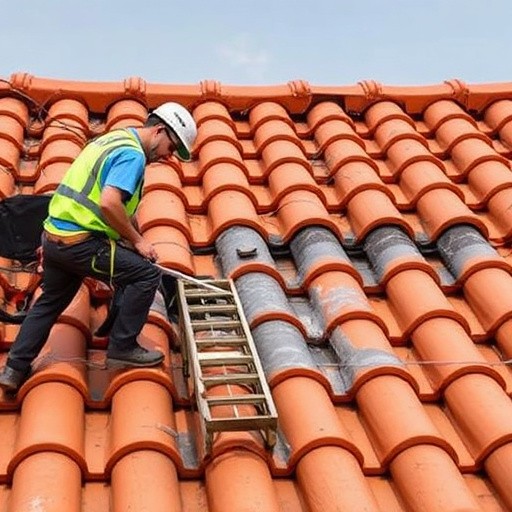
Before the monsoon season arrives, homeowners in Oro Valley should turn their attention to their tile roofs. A thorough inspection and necessary repairs can prevent issues that may arise from both the intense summer heat and the subsequent monsoon storms. This is particularly important for Spanish Colonial Revival architecture, where tile roofs are a defining feature.
One of the most common problems observed is damage caused by foot traffic. With families and pets enjoying outdoor spaces during the warmer months, tile roofs can take a beating. Cracked or loose tiles may expose the underlayment to the elements, leading to water penetration and potential structural damage. A roofer with an Arizona ROC license recommends inspecting the entire roof for signs of wear and tear, paying special attention to heavily trafficked areas. Repairs should include replacing any missing or damaged tiles and securing loose ones.
Another issue that deserves attention is efflorescence on concrete tile roofs. UV exposure can cause a white, powdery substance to form, which not only affects the aesthetic appeal but could also indicate a deeper problem with moisture absorption. To address this, use a soft brush to gently scrub the tiles, removing the efflorescence. Regular cleaning and sealing can help prevent this problem in the first place. Remember, proper maintenance before the monsoon ensures a more durable and attractive tile roof.
During Monsoon: Safety & Maintenance Tips

During the monsoon season, heavy rainfall and sudden surges in foot traffic can put immense strain on your tile roof. Understanding how to care for your tile roof before and after these intense weather events is crucial for maintaining its longevity and protecting your home.
Safety First: When monsoon storms roll in, safety becomes paramount. As foot traffic increases with neighbors and visitors seeking shelter, be mindful of slippery tiles. A licensed Oro Valley area roofing contractor recommends inspecting your roof for any loose or damaged tiles before and after storms. Replace missing or broken tiles promptly to prevent injuries and avoid potential safety hazards. Also, keep an eye out for signs of efflorescence on concrete tiles, which can indicate underlying issues with moisture penetration.
Two-layer underlayment systems, a best practice recommended by the Arizona Solar and Roofing Association, offer enhanced protection against water intrusion and provide an additional layer of defense against tile foot traffic damage in heavy rain. This added layer, known as headlap, acts as a buffer, protecting the main underlayment from excessive wear and tear. Remember, proper underlayment installation is crucial, and following the Oro Valley Building Department guidelines ensures a durable and water-resistant barrier.
After a monsoon storm, a thorough cleaning is essential. Use a soft brush or vacuum to remove any debris accumulated on your roof. Avoid harsh chemicals or high-pressure washers, which can damage the tiles and underlayment. For particularly stubborn stains, consult a professional roofing contractor. They can recommend safe cleaning methods tailored to your tile type, whether you're dealing with the rustic charm of Spanish mission tile homes or the modern aesthetics of Rancho Vistoso's flat tile profiles.
Post-Monsoon: Addressing Common Tile Roof Damage
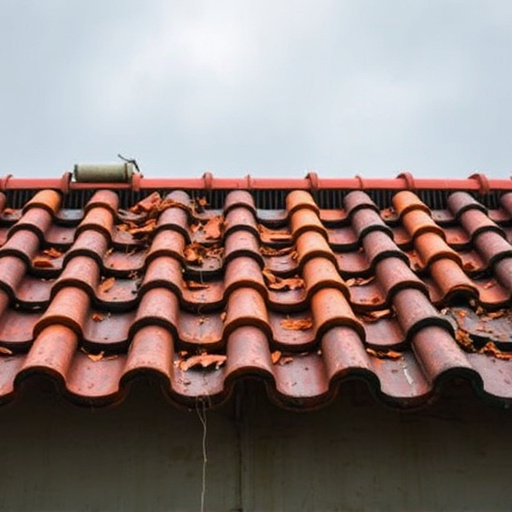
Post-monsoon inspections are crucial for homeowners in Oro Valley, especially for tile roofs. This region's unique climate, characterized by intense summer heat and occasional heavy rainfall, can lead to several common forms of tile roof damage. One of the most visible and concerning issues is damage from foot traffic during the monsoon season. High winds and heavy rain can cause loose tiles or battens (underlayment strips) to shift, leading to tile chips, cracks, or even complete tile removal.
Experienced Oro Valley roof specialists, such as DC Roofing of Arizona, recommend proactive measures to mitigate this problem. For existing tile roofs, regular cleaning and inspection are essential. Using the right tools and techniques, such as soft-bristled brushes and safety equipment, homeowners can safely remove any debris buildup. Checking for loose tiles or battens and securing them promptly is crucial. Inspecting the roof's edges for any signs of wear and tear, especially around chimneys and vents, can help prevent future damage.
When addressing tile roof foot traffic damage, consider the type of tile. S-tile, for instance, with its unique interlocking design, is known for better wind resistance compared to flat tile profiles. Clay tile roofs, common in the area, benefit from regular cleaning to prevent efflorescence (a white powdery substance) buildup, which can weaken the tile. Proper nailing patterns and adequate underlayment, such as two-layer systems, can provide extra protection against wind and foot traffic. Using tile clips in high-wind areas, as recommended by the Arizona Solar and Roofing Association, further enhances the roof's integrity.
After a monsoon, a thorough tile roof care checklist should include checking for any signs of pest entry, especially around valleys and side walls, where debris can accumulate. The Oro Valley Building Department offers guidelines for proper tile flashing installation around these areas, ensuring long-term protection. Lastly, storing spare tiles and maintaining a safe, well-lit area for tile repair or replacement can help in the event of significant damage. These steps, combined with regular maintenance, can significantly extend the lifespan of your tile roof, ensuring it remains a striking feature of your home, even through the most challenging weather conditions.
Long-Term: Preventing Future Foot Traffic Issues

As Tucson's monsoon season approaches, homeowners with tile roofs must be vigilant about their long-term care. One common, yet often overlooked, issue is damage from foot traffic. Tile roofs, despite their durability, can be susceptible to wear and tear from frequent walking, especially in areas with heavy foot traffic or high footfall zones like entryways or pool decks. This natural wear can lead to cracks, loose tiles, or broken grout, not only impacting the roof's aesthetic appeal but also its structural integrity over time.
To prevent future foot traffic issues, a multi-layered approach is key. First, ensure a proper underlayment system is in place. A two-layer underlayment, consisting of a primary layer of 30 lb felt and a secondary layer of a water-resistant underlayment, provides an extra layer of protection. This dual system acts as a buffer, protecting the tile from moisture and footfall damage. The use of tile clips, a simple yet effective tool, can significantly reduce the impact of foot traffic. These clips secure the tiles to the underlayment, minimizing the risk of loose tiles that could be dislodged by footfall.
Regular inspection and maintenance are crucial. Homeowners should visually inspect their roofs for any signs of damage, such as loose or missing tiles, after each monsoon season. A licensed Arizona roofer can provide expert guidance on maintaining your tile roof, including recommendations for cleaning, sealing, and repairing as needed. Remember, preventing damage now can save you from costly repairs later. Addressing efflorescence on concrete tiles promptly will preserve their appearance and longevity, reducing the risk of further issues related to the tile's condition. By adopting these practices, homeowners can ensure their tile roofs remain in top condition, enduring the test of time and Tucson's monsoon weather.
Frequently Asked Questions About Advice on Tile Roof Care Before and After Monsoon Season
What is the best way to prepare my tile roof for monsoon season?
Before monsoon season, a thorough inspection and maintenance check by a licensed Tucson roofing contractor like DC Roofing of Arizona is crucial. Look for loose or damaged tiles, seal any gaps around vents or chimneys, and ensure the drainage system around your roof is clear of debris. Cleaning the roof to remove dust and dirt, especially from the gutters, is essential to prevent clogs that can lead to water damage. Consider re-sealing the tile surfaces to improve water resistance, and address any flashing issues to prevent leaks.
How often should I have my tile roof inspected?
The recommended inspection frequency is at least twice a year, including once before monsoon season and once after to assess any damage caused by the seasonal weather patterns. Regular inspections help identify minor issues early, preventing them from becoming costly repairs. A professional roof inspector from a local Tucson roofing company can provide valuable insights into the roof's condition and longevity.
Can I do roof repairs myself, or should I hire a professional?
While some basic tile roof repairs, like replacing a single tile, might be manageable for a DIY enthusiast, most repairs, especially after monsoon season, are best left to a professional roofer. Complex issues like flashing problems, damaged underlayment, or widespread tile replacement require specialized tools and knowledge. Hiring a licensed Arizona roofer ensures the work is done correctly, preventing further damage and costly mistakes.
What should I do if my roof is damaged during monsoon season?
If your roof is damaged during monsoon season, it's essential to act quickly. First, assess the extent of the damage. Minor issues like loose tiles can often be addressed immediately. However, for significant damage, such as leaks or structural problems, contact a Tucson roofer immediately. Prompt action can prevent further damage and ensure your home's integrity.
How does monsoon season affect my tile roof's lifespan?
Monsoon season can significantly impact a tile roof's lifespan. The intense rainfall, strong winds, and lightning strikes can cause wear and tear, leading to leaks, cracks, and tile damage. Regular maintenance and inspections can extend the roof's life. Addressing issues promptly and making necessary repairs can help your tile roof withstand monsoon season and remain in good condition for years to come.
What are some signs that my tile roof needs replacement?
Several signs indicate that your tile roof may require replacement. These include widespread tile damage or missing tiles, excessive leaks despite repairs, mold or mildew growth, visible cracks or curling tiles, and an old roof that is more than 20 years old. If you notice any of these, consult with a roofing contractor to assess the situation and discuss replacement options, such as choosing a suitable new tile style and color.
How do I choose the right tile for my roof replacement?
Selecting the right tile depends on your aesthetic preferences, climate considerations, and budget. Consider the color and texture that complement your home's architecture and the local climate. Clay and ceramic tiles are popular choices for their durability and aesthetic appeal. Consult with a roofing expert who can guide you through the options, ensuring the chosen tiles meet your needs and withstand the challenges of monsoon season.
As monsoon season approaches, it's crucial to be prepared to protect and maintain your tile roof. Regular inspections, timely repairs, and proactive safety measures can significantly reduce the risk of damage, especially from the intense heat and foot traffic that come with the season. Remember, addressing small issues early can prevent costly repairs later. Keep your roof in top condition by adhering to a thorough care checklist, being aware of potential pest entry points, and considering the unique challenges of clay or concrete tile in a desert climate.
Check for efflorescence on concrete tiles, ensure proper underlayment lifespans, and maintain safe nailing patterns. Protect your investment by understanding the lifespan of your roof's components, especially in areas prone to heavy foot traffic. Regular cleaning and sealing can also help preserve the aesthetics and durability of your tile roof.
By following these guidelines and staying informed, you can ensure your tile roof withstands the test of time, maintaining its structural integrity and aesthetic appeal throughout the monsoon season and beyond.
Tucson Homeowners: Protect Your Tile Roof from Monsoon Foot Traffic Damage
Before Tucson's monsoon season, inspect and maintain your tile roof to prevent damage from intense heat and storms. Address foot traffic issues by securing loose tiles, using tile clips, and inspecting for wear in heavily trafficked areas. Clean and seal concrete tile roofs to fight efflorescence, a sign of moisture absorption. Regular care, including proper underlayment and post-storm cleaning, ensures a durable, attractive tile roof. Proactive maintenance extends the life of your tile roof, preserving its beauty and protecting your home.