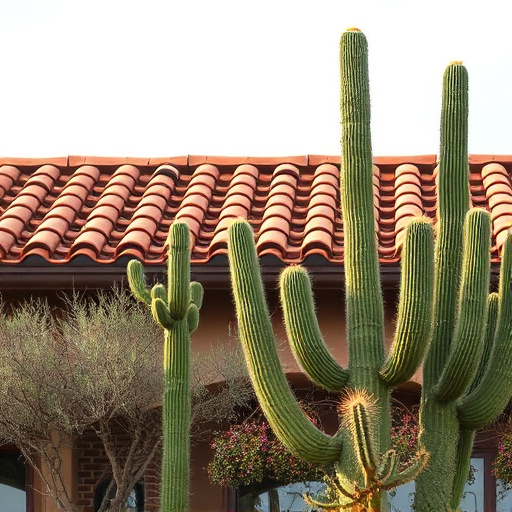
As homeowners, keeping an eye on our properties' most important assets - our roofs - is crucial. Especially with the unique challenges posed by desert climates, understanding potential issues like efflorescence on concrete tile can save you time, money, and frustration down the line. This checklist empowers you to spot problems from the ground, allowing for early intervention and preventing minor repairs from becoming major, costly renovations. We'll guide you through the signs of wear and tear, common issues like foot traffic damage and pest entry points, and provide expert insights into the best maintenance practices for your tile roof.
- Inspecting Your Tile Roof: What to Look For
- Understanding Efflorescence on Concrete Tiles
- Common Signs of Roof Damage from Below
- When to Call a Pro for Tile Roof Repairs
Inspecting Your Tile Roof: What to Look For
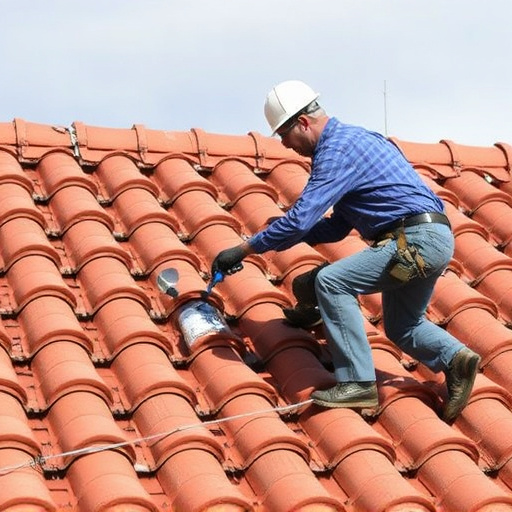
When inspecting your tile roof from the ground, keep an eye out for telltale signs of potential problems. One common issue, especially in our desert climate, is efflorescence on concrete tiles. This white powdery substance can build up and not only change the color of your roof but also indicate underlying issues. Efflorescence might suggest excessive moisture penetration or poor sealing. Regularly examining your roof for this can help catch potential issues early.
Focus on the roof's edges and valleys, where debris and water can accumulate. Look for missing or damaged tiles, which could be a result of foot traffic or high winds. Also, check for proper headlap coverage-the overlap of tiles-to ensure water runs off effectively. A licensed Arizona roofer recommends using 30 lb felt underlayment for added protection, especially on Spanish Colonial homes with clay or concrete tile roofs.
Pay attention to the condition of the flashing at side walls and around skylights. Damage or poor installation can lead to leaks and water damage. Check for signs of pest entry, as some pests can cause damage to tile roofs. Remember, regular maintenance is key to keeping your roof in top condition. Create a checklist to make these inspections easy and efficient, ensuring your tile roof remains a valuable asset to your Spanish Colonial home for years to come.
Understanding Efflorescence on Concrete Tiles
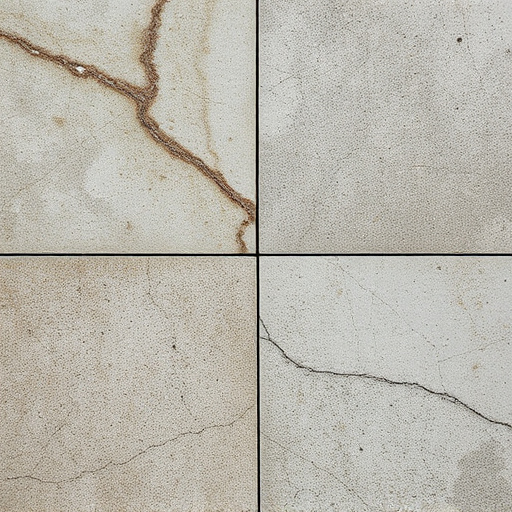
As a homeowner in the Catalina Foothills, keeping an eye on your tile roof is crucial. One common issue to look out for, especially with concrete tile, is efflorescence. This milky white powdery substance can appear on the surface of your tiles, often indicating a deeper problem. Don't worry; it's not a sign of poor workmanship or an immediate structural concern. However, understanding efflorescence and taking proactive measures can extend the lifespan of your roof.
Efflorescence on concrete tile naturally occurs due to the tile's composition and the region's environment. The process involves moisture seeping into the tile's porous surface, reacting with mineral salts present in the concrete, and leaving behind a white residue. This is particularly common in areas with high humidity and abundant sunlight, like Oro Valley. If left unchecked, efflorescence can attract dirt and create a breeding ground for algae and mold, impacting both the roof's aesthetics and its structural integrity.
To spot efflorescence, inspect your roof regularly, especially after periods of heavy rain or high humidity. Look for white, powdery deposits on the tiles' surfaces, especially in shaded areas where moisture tends to accumulate. If you notice efflorescence, consider the age of your roof and underlying ridge mortar. DC Roofing of Arizona recommends using synthetic underlayment and ensuring proper ridge mortar installation, as these measures can prevent or mitigate efflorescence. Regular cleaning and sealing of your tile roof can help control the growth of algae and mold, maintaining the roof's beauty and functionality for years to come.
Common Signs of Roof Damage from Below

As a homeowner, keeping an eye on your tile roof from the ground can help you spot potential issues early on. While a licensed Oro Valley area roofing contractor should handle most repairs, knowing what to look for can save you time and money. Here are some common signs of roof damage you can identify from below, focusing specifically on concrete tile roofs.
One telltale sign to check for is efflorescence on your concrete tiles. This white powdery substance can build up on the surface of the tile, indicating moisture issues. While it's typically harmless, excessive efflorescence may point to problems with drainage or flashing, especially in our desert climate. Regularly inspect your roof for any white stains, and if noticed, consult with a roofing expert. Another visual clue involves the condition of the bird stop and ridge mortar. These are essential components that prevent water intrusion and support the roof's structure. Over time, they can become damaged, cracked, or loose, allowing water to seep in and cause further damage. Keep an eye out for any gaps or signs of deterioration, especially along the roof's edges and ridges.
Consider the weight your tile roof adds to your framing. Concrete tiles are heavier than their asphalt counterparts, which means your home's structure must be built to support them. If you notice any signs of structural stress, such as warped doors or windows, or uneven floors, it might indicate a problem that requires professional attention. Lastly, be mindful of any unusual noises coming from your roof, especially after storms. This could be a sign of loose tiles, damaged battens, or other structural issues. Regular maintenance and prompt attention to these signs can help ensure your tile roof remains in top condition for years to come.
When to Call a Pro for Tile Roof Repairs

As a homeowner, keeping an eye on your tile roof is crucial. Regularly inspecting it from the ground can help you spot potential issues early on. One common problem to watch for is efflorescence on concrete tiles. This white, powdery substance can appear due to water penetration and salt buildup, affecting both the aesthetics and long-term integrity of your roof. If you notice it, it's time to act, as it could indicate a larger problem.
Another sign that calls for professional attention is damage from heavy foot traffic or high winds, especially during Oro Valley's monsoon season. Tile roofs, despite their durability, can be susceptible to chips, cracks, or dislodged tiles when walked on or hit by strong winds. Spanish Colonial Revival homes, with their traditional tile roofs, require extra care in this regard. Local roofing contractors serving Oro Valley recommend inspecting for loose tiles, especially in areas with high foot traffic or near vents, and addressing them promptly to prevent further damage.
When considering repairs, remember that a tile roof's underlayment matters in its performance. A two-layer underlayment system, for instance, provides extra protection against water intrusion and can significantly extend the lifespan of your roof. If your roof is showing signs of its age, or you've noticed tile batten rot, it's wise to consult with a professional. They can assess the condition of your underlayment, recommend repairs, and provide solutions for replacing any damaged components, such as tile flashing at side walls, ensuring your home remains protected during Oro Valley's diverse weather patterns.
Lastly, if you're considering a new tile roof or adding one to an existing structure, consult with a local roofing specialist. They can guide you on the best tile options for your home's architecture, like Spanish mission tile styles, and ensure proper installation, including the use of appropriate tile clips in high wind conditions. Regular maintenance and timely repairs are key to keeping your tile roof in top condition, so don't hesitate to call in the experts when needed.
Frequently Asked Questions About a Homeowner Checklist for Spotting Tile Roof Problems from the Ground
What are the common signs of a damaged tile roof I can spot from the ground?
Look for loose or missing tiles, which can be visible from the ground. Cracked or curled tiles, especially around the edges, are also red flags. Check for dark or discolored patches, which might indicate leaks or fungal growth. Fissures or holes in the roof's surface and any signs of water damage or mold growth on the exterior walls or ceilings below are further indicators. Regular observation from the ground can help you catch these issues early, allowing for prompt repair.
How can I check for leaks in the tile roof without climbing on it?
Examine the roof's exterior for stains or water damage, particularly around chimneys, vents, and corners. Check for dampness or mold growth on the fascia boards or soffits. You can also use a flashlight at night to look for puddles of water on the ground below, which may indicate a leak. While these methods aren't as precise as an inspection from above, they can alert you to potential issues that require professional attention.
When should I be concerned about the condition of my tile roof?
If you notice any significant changes in the roof's appearance, such as widespread missing or damaged tiles, visible water damage, or signs of deterioration, it's time to be concerned. Regular inspections, especially after severe weather events, are crucial. Remember, a small issue can often be repaired quickly and cost-effectively before it becomes a larger, more expensive problem.
Can I perform minor tile roof repairs myself, or do I need a professional?
For minor repairs, such as replacing a single missing or broken tile, you may be able to handle the task yourself. However, for more complex issues like leaky flashing, damaged underlayment, or extensive tile replacement, it's best to hire a licensed roofing contractor. These professionals have the tools, knowledge, and safety equipment to handle roof repairs safely and effectively.
How often should I inspect my tile roof for damage?
A thorough inspection at least once a year is recommended, more frequently in areas prone to severe weather. Regular maintenance can catch minor issues early, preventing them from becoming major repairs. After storms or extreme weather events, a quick check can help identify any damage that may have occurred, allowing for prompt action and potential insurance claims.
As you've learned, maintaining a tile roof requires regular inspection from the ground to identify potential issues early. Key takeaways include recognizing efflorescence on concrete tiles-a natural salt deposit that can indicate underlying problems-and understanding common signs of damage, such as missing or damaged tiles, loose ridge caps, and improper flashing. By staying vigilant and addressing these issues promptly, homeowners can ensure their tile roofs remain durable and safe. Knowing when to call a professional for repairs, such as when dealing with extensive damage or complex issues like attic heat buildup, is crucial. This knowledge empowers you to make informed decisions, extending the lifespan of your tile roof and safeguarding your Oro Valley home.
Summary:
Regularly inspect your concrete tile roof for efflorescence (white powdery residue), indicating moisture issues. Look for damaged tiles, poor headlap coverage, flashing problems, and pest entry. A licensed Arizona roofer recommends 30 lb felt underlayment and proper ridge mortar installation. Spotting these issues early, especially in our desert climate, ensures your tile roof's long-term value and protects your Spanish Colonial home. Regular maintenance and professional care are key.