Tile roofs are a popular choice for the Oro Valley region's unique climate, offering durability and a distinctive aesthetic. However, the monsoon season presents specific challenges. High winds, heavy rain, and rapid temperature changes can take a toll on tile roofs if not properly maintained. This article provides a practical guide to tile roof care, ensuring your roof withstands the season's rigors. We'll explore the pros and cons of various tile roof sealers, offering practical advice on protecting your investment. By understanding these key maintenance practices, homeowners can extend the life of their tile roofs and preserve their home's value.
- Preparing Your Tile Roof for Monsoon Season
- Post-Monsoon: Evaluating Tile Roof Damage
- Choosing the Right Tile Roof Sealer
- Long-Term Maintenance: Beyond Sealers
Preparing Your Tile Roof for Monsoon Season
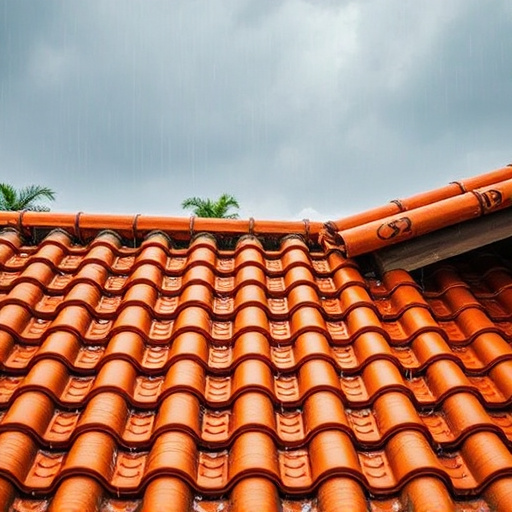
Preparing your tile roof for monsoon season requires a multi-step approach that combines robust maintenance with strategic preparation. Monsoon conditions in Oro Valley can be harsh, with intense heat, heavy rainfall, and powerful winds-all of which can impact your tile roof if not properly managed. The key to safeguarding your investment lies in understanding the specific challenges posed by these seasonal changes and implementing tailored solutions.
First, inspect your roof for any signs of damage or wear. Monsoon winds can cause loose tiles or battens, leading to leaks and further damage. A local roofing company serving Oro Valley recommends checking for missing or curled tiles, as well as rot in the battens, which support the tiles. Regular maintenance, such as tightening nails and replacing worn-out components, is crucial. Synthetic underlayment, known for its superior wind resistance, can offer an additional layer of protection against intense gusts.
For sealing your tile roof, consider the pros and cons of different sealers. Tile roof sealers play a vital role in protecting against efflorescence, sun-faded tile colors, and water damage. However, not all sealers are created equal. For concrete tile, a water-based sealer may be suitable, offering easy application and quick drying. Conversely, a silane sealer could be more effective for clay tiles, enhancing their durability and preventing mold growth. The choice depends on your specific tile type and environmental conditions.
Lastly, ensure proper ventilation in your attic space, as it directly impacts the performance of your tile roof. Insufficient ventilation can lead to excess heat buildup, causing your roof to work harder to dissipate it. This, in turn, can shorten the lifespan of your underlayment and increase the risk of damage from heavy rainfall. A well-ventilated attic, coupled with a dry ridge system that channels water away from your roof, will help maintain your tile roof's integrity throughout the monsoon season.
Post-Monsoon: Evaluating Tile Roof Damage
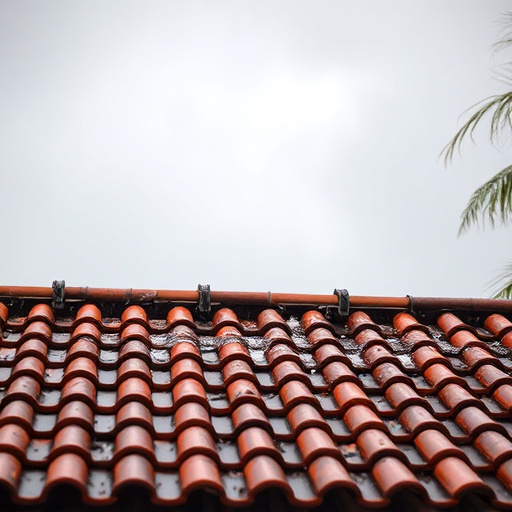
Post-monsoon inspections are crucial for evaluating potential tile roof damage. The intense heat and sudden storms can take a toll on even the best-maintained roofs. As a roofer with an Arizona ROC license, we've seen firsthand the varying impacts of monsoon season. One common issue is tile displacement, often caused by strong winds and heavy rainfall. This can result in loose tiles, which not only look unsightly but can also create a safety hazard, especially if they fall into nearby gutters or onto walkways.
To assess tile damage, start by examining the roof's edges. Look for any missing or loose tiles, particularly along the ridges and valleys. These areas are most vulnerable to wind and water damage. Check for signs of efflorescence on the tile surfaces, which indicates a possible issue with the underlayment or mortar. A two-layer underlayment system, for instance, can offer better protection against moisture intrusion, a key benefit in our arid climate. Inspect the tile headlap-the overlap of tiles-to ensure it's properly covered, preventing water from seeping through.
Tile clips, a crucial component in securing tiles, should be checked for rust or deterioration, especially if the roof is older. In areas prone to high winds, these clips play a vital role in keeping tiles in place. If you notice any damaged or missing clips, it's advisable to replace them promptly. Regular maintenance, including cleaning and sealing, can extend the lifespan of your tile roof. When considering tile roof sealers, weigh the pros and cons carefully. Sealers can protect against sun-faded tile colors and reduce the risk of mold and mildew growth, but they may not be necessary for all roofs and can vary in effectiveness based on local conditions.
Choosing the Right Tile Roof Sealer
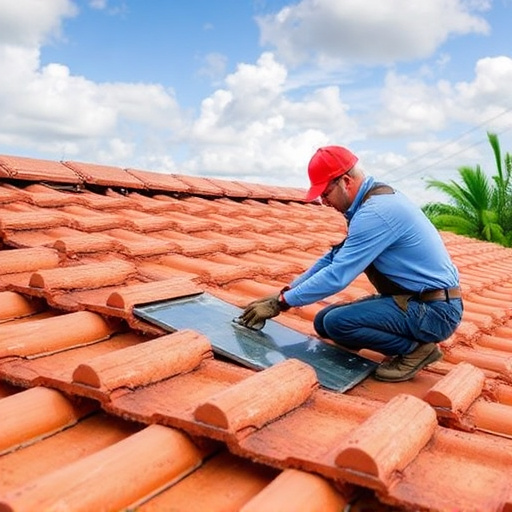
Choosing the right tile roof sealer is a crucial step in maintaining the longevity and aesthetic appeal of your tile roof. As a licensed Oro Valley area roofing contractor, we've seen firsthand the benefits of proper sealing, especially in our region's unique climate. The desert heat and monsoons present specific challenges for tile roofs, making a suitable sealer an essential defense against damage.
Tile roof sealers serve as a protective barrier against moisture, UV rays, and environmental pollutants. When choosing between natural and synthetic options, consider the pros and cons. Natural sealers, derived from minerals and plants, offer a traditional, earthy aesthetic but may not provide the same level of durability as synthetic alternatives. Synthetic sealers, on the other hand, offer superior resistance to water, stains, and extreme temperatures. For a balanced approach, consider a two-layer system, combining a synthetic sealer with a natural topcoat for enhanced protection and visual appeal. This method is especially effective for historical or Spanish mission-style homes, where preserving the tile's original look is paramount.
In areas prone to power outages and severe weather, like Oro Valley, a synthetic underlayment, such as those offered by local distributors like Arizona Tile, is recommended. These underlayments provide an extra layer of protection against moisture intrusion, mold growth, and wind damage. A Rancho Vistoso homeowner with a flat tile roof might opt for a synthetic underlayment to safeguard against monsoonal rain and high winds, ensuring their roof can withstand the seasonal challenges.
Regular maintenance, including re-sealing every 2-3 years, is key to keeping your tile roof in top condition. By understanding the unique demands of the desert climate and selecting the right sealer, homeowners can protect their investments and enjoy the beauty of their tile roofs for years to come. This proactive approach, combined with timely inspections, will help detect potential issues early on, ensuring a safe and attractive roof throughout the year.
Long-Term Maintenance: Beyond Sealers

As monsoon season approaches, homeowners with tile roofs in Oro Valley must prepare for the unique challenges posed by the increased moisture, wind, and potential pest activity. While tile roof sealers offer a common solution for protection, long-term maintenance involves a deeper understanding of the material, its installation, and the local environment. This section examines the pros and cons of tile roof sealers, offering practical advice for a robust, long-lasting roof.
Tile roofs, especially those with a Spanish Colonial Revival or Santa Fe style aesthetic, require specialized care. The choice between sealers becomes crucial when considering factors like the roof's age, the local climate, and the type of tile. Concrete tile, for instance, differs from clay tile in its porosity and absorption rate, affecting how sealers adhere and perform. In desert heat, where intense sunlight can cause premature fading and efflorescence on concrete tiles, a quality sealer acts as a protective barrier, reducing the impact of these environmental stressors.
Beyond the initial application, proper maintenance ensures the longevity of the seal. Homeowners should inspect their roofs regularly, looking for signs of damage, such as foot traffic or wind-related wear, which can expose tile edges. A well-maintained roof also includes addressing potential pest entry points, as some insects are attracted to the moisture left behind by sealers. A licensed Arizona roofer recommends a bi-annual inspection to identify and rectify issues before they escalate. Understanding the roof's underlayment, flashing, and ridge cap is essential; these components, often overlooked, play a vital role in preventing leaks and ensuring the roof's overall integrity, especially during the intense monsoon winds.
The decision to use tile roof sealers should consider the roof's overall health and the local climate. While sealers offer protection from moisture, they are not without drawbacks. Some sealers, for instance, may not withstand extreme temperatures or the rapid changes in climate experienced in Oro Valley. Poorly installed or maintained sealers can trap heat in the attic, negating energy-efficient benefits. As such, homeowners should weigh the pros and cons carefully, opting for a two-layer underlayment system for enhanced protection and longer lifespan. Regular cleaning, using safe methods and materials, also extends the life of the roof, preventing buildup and ensuring optimal performance from the sealer.
Frequently Asked Questions About advice on tile roof care before and after monsoon season
What is the best way to prepare my tile roof for monsoon season?
Regular cleaning and inspection are key. Remove any debris, like leaves and branches, from the roof and gutters. Check for loose or damaged tiles, and repair or replace them as needed. Apply a sealant to the tile surfaces to enhance their water resistance. Ensure your roof is in good condition before the season begins to prevent damage from heavy rainfall and strong winds.
How often should I clean my tile roof?
Annual cleaning is recommended to maintain the roof's efficiency. Before monsoon season, a thorough cleaning is crucial to remove accumulated dirt and debris. Use a soft brush or a pressure washer (with a low-pressure setting) to avoid damaging the tiles. This process helps water flow effectively, reducing the risk of leaks and ensuring better protection during monsoon storms.
Can I use any cleaner to wash my tile roof?
Avoid using harsh chemicals or bleach, as they can damage the tile and sealant. Opt for a mild, pH-neutral cleaner designed for roof washing. This approach is safer and more effective for removing dirt and grime without compromising the roof's integrity.
What should I do if my tile roof develops leaks during monsoon season?
Identify the source of the leak by examining the roof for damaged tiles, flashing issues, or blocked gutters. Promptly repair or replace damaged tiles and ensure proper sealing. If the problem persists, consult a licensed roofing contractor for a thorough inspection and long-term repair solutions. Regular maintenance and quick response to leaks are essential for preserving your roof's longevity.
How can I tell if my tile roof needs professional repair?
Look for signs of significant wear, such as cracked or broken tiles, excessive mold or mildew, or visible water damage. If you notice any of these issues, contact a professional roofer. They can assess the damage, provide expert advice, and offer tailored repair solutions to ensure your roof remains in top condition.
As monsoon season rolls around, the time has come to assess and prepare your tile roof for the potential challenges ahead. This article has provided a practical guide to navigating the unique demands of desert environments, offering insights into everything from initial preparation to post-monsoon evaluation and long-term care.
The key to a durable tile roof lies in a multi-faceted approach. Regular cleaning to prevent sun faded tile colors and efflorescence on concrete tiles is essential. Implementing the right underlayment systems, such as two-layer systems, ensures longevity against foot traffic damage and heavy debris. Understanding the pros and cons of various tile roof sealers is crucial. While sealers offer protection against heat transfer and attic moisture, they require regular reapplication and may not be suitable for all climates.
For homeowners in Oro Valley, balancing these considerations is paramount. By adopting a proactive approach to maintenance, you can mitigate potential issues, ensure your roof's fire resistance, and preserve its aesthetic appeal, especially when incorporating historical design elements like Spanish mission tile homes. Remember, proper preparation and post-monsoon care are key to maximizing the long-term value and longevity of your tile roof.
Tile Roof Maintenance for Monsoon Season:
- Inspect for damage: Check for loose tiles, missing battens, and rot, addressing issues promptly.
- Sealant Selection: Choose tile roof sealers based on tile type and climate, considering pros and cons: water-based for concrete, silane for clay.
- Ventilation & Ridge System: Ensure proper attic ventilation and a dry ridge to maintain roof integrity.
- Post-Monsoon Evaluation: Inspect tile edges, headlap, and tile clips for damage, replacing as needed.
- Long-Term Care: Regularly re-seal (every 2-3 years) and maintain to protect against monsoonal wear and tear.