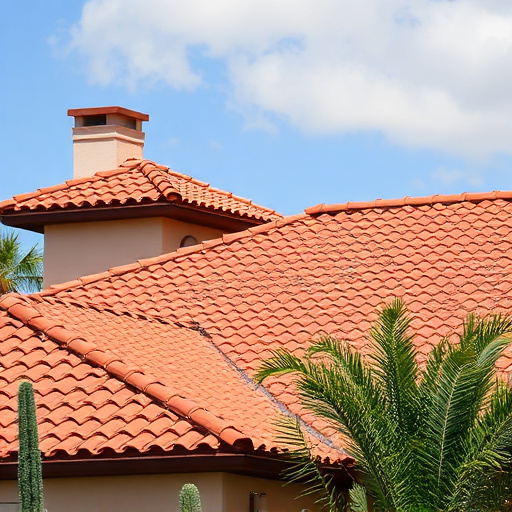
In the arid heat of the Southwest, choosing the right roofing material is crucial. Homeowners and builders face a key decision: concrete or clay tiles? This choice significantly impacts energy efficiency, maintenance, and the aesthetic appeal of a home, especially in light of the region's unique conditions. Desert heat can accelerate the aging of clay tiles, while concrete tiles offer durability and a lower heat absorption rate. This article examines the pros and cons of each, offering insights into their performance, longevity, and suitability for local climates, especially when considering tile around skylights. By understanding these factors, homeowners and contractors can make informed decisions, ensuring a robust and sustainable roof.
- Choosing Tile Materials for Desert Climates
- Concrete Tile Advantages in High Heat
- Clay Tile Performance and Maintenance
- Installing Tile Around Skylights in Desert Settings
Choosing Tile Materials for Desert Climates
Choosing the right roofing material in a desert climate is crucial, especially when considering the unique challenges posed by intense sunlight, heat, and varying temperatures. For tile roofs, two primary options stand out: concrete and clay. Each material has its advantages and considerations, particularly in the Oro Valley and Marana area's desert environment.
Concrete tile, a popular choice for its durability and low maintenance, performs exceptionally well in desert conditions. This material is inherently resistant to UV exposure, which is critical as the sun's rays can cause other roofing materials to fade or become brittle over time. In the Rancho Vistoso region, known for its hot summers, concrete tile has proven to be a reliable option. Its dense composition can withstand extreme heat, and it doesn't expand or contract as much as clay tile, reducing the risk of warping or cracking. However, concrete tile is heavier, so proper framing and support are essential, especially when considering the additional weight of tile around skylights.
On the other hand, clay tile, a traditional favorite, offers a distinct aesthetic appeal, especially in Spanish Colonial Revival architecture. Clay is a natural insulator, providing excellent heat resistance and helping to keep homes cool during the day and warm at night. This material's porosity allows it to absorb and release moisture, contributing to a more comfortable indoor environment. However, clay tile is more susceptible to UV damage, which can lead to color fading and even structural issues over time. A roofing contractor serving Oro Valley and Marana might recommend additional protective coatings or sealers to extend the life of clay tile roofs in desert climates.
When deciding between concrete and clay, consider the building's design, local climate patterns, and long-term maintenance goals. Both materials have their place in desert roofing, and with the proper installation and maintenance, they can provide years of reliable protection for any structure, from traditional Spanish mission tile homes to modern additions.
Concrete Tile Advantages in High Heat
In the harsh desert climate, choosing the right roofing material is crucial for both the longevity of your roof and your comfort below. When compared to clay tiles, concrete tiles offer several advantages, particularly for enduring high heat.
One of the most significant benefits of concrete tiles is their superior heat resistance. Unlike clay tiles, which can become extremely hot under the desert sun, concrete tiles remain cooler. This is due to their dense composition and a process called thermal mass. Concrete tiles absorb and store heat energy, slowly releasing it, which helps to keep your home cooler during the day and reduces heat transfer into the attic. This is a significant concern in Oro Valley and Marana, where summer temperatures can soar. A roofing contractor serving Oro Valley and Marana often recommends concrete tiles for clients seeking energy efficiency and comfort.
Concrete tiles are less prone to damage from foot traffic and debris. Their robust construction and thicker material make them more durable than clay tiles, which can be more susceptible to chips and cracks. This is especially important near entrances, driveways, or areas with heavy foot traffic, including those near skylights. Concrete tiles can withstand the constant movement and pressure, ensuring a longer lifespan for your roof. The use of a two-layer underlayment system, a best practice recommended by the Arizona Solar and Roofing Association, further enhances the protection against leaks and damage, complementing the natural strength of concrete tiles.
Another practical consideration is the ease of installation and maintenance. Concrete tiles are generally lighter than clay tiles, making installation easier for roofing contractors. They also require less nailing, reducing the risk of damage to the tile or the underlayment, a common issue with clay tiles.
Clay Tile Performance and Maintenance
Clay tile roofing is a popular choice for homes in the Oro Valley area due to its enduring beauty and durability, especially in the region's desert climate. When considering clay tile versus concrete tile, the former offers a unique blend of performance and maintenance characteristics tailored to the local environment. This is particularly important for homeowners seeking to preserve the aesthetic appeal and structural integrity of their Spanish Colonial Revival or barrel tile roofs, which are common in the region, reflecting the area's rich architectural heritage.
In desert conditions, clay tiles exhibit excellent heat resistance, making them a suitable choice for mitigating the intense sunlight and high temperatures characteristic of the region. Unlike some concrete tiles, clay tiles are less prone to efflorescence, a process where mineral deposits build up on the tile surface, leaving white or gray stains. This is a common issue in arid climates, but careful selection of clay tile types and proper installation can significantly reduce the likelihood of efflorescence. Clay tiles are less susceptible to damage from foot traffic and debris accumulation, which can be a concern on roofs with heavy footfall, such as around skylights.
Regular maintenance is still crucial for clay tile roofs. Homeowners should employ a two-layer underlayment system, ensuring a robust barrier against moisture intrusion. This is especially important in preventing potential attic heat transfer, which can increase cooling costs. A licensed Oro Valley area roofing contractor recommends using 30 lb felt paper for the underlayment, offering a balance between durability and cost-effectiveness. Proper nailing patterns, adequate headlap, and regular inspection for signs of rot or pest infestation are essential. Tile batten rot, a common issue in wetter climates, can be mitigated by using treated wood battens and keeping the roof's underlayment dry.
Installing Tile Around Skylights in Desert Settings
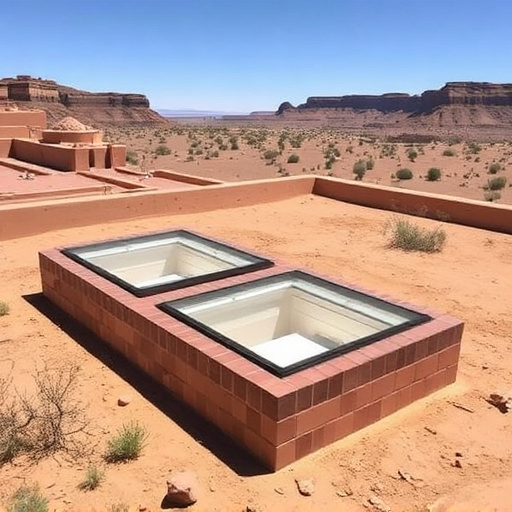
In desert environments like Oro Valley, selecting the right roofing material is crucial, especially when considering tile around skylights. Concrete and clay tiles are popular choices, each offering unique advantages and considerations. For installing tile around skylights in Spanish Colonial Revival architecture, concrete tiles have an edge. They are less prone to efflorescence, a white powdery residue that can appear on clay tiles due to mineral content in the soil and water. This is a significant concern in desert heat, where evaporation rates are high and moisture can trap heat, potentially damaging the tile.
For skylights, which often expose the roof to increased UV radiation and temperature fluctuations, concrete tiles' dense composition provides superior resistance. They are heavier, which can be beneficial in areas prone to high winds, as the additional weight helps secure the roof against potential damage. Concrete tiles offer a longer lifespan for the underlayment, the layer beneath the tiles that protects against moisture intrusion. This is crucial for maintaining the structural integrity of the roof and preventing costly repairs, especially in a region where extreme weather events are not uncommon.
When installing tile around skylights, careful consideration of the headlap, or the overlap of the tiles, is essential. This not only ensures a watertight seal but also provides additional protection against foot traffic and debris. A licensed Arizona roofer can guide homeowners and builders on the best nailing patterns and edge metal solutions to enhance the durability of these areas, which tend to bear more weight and experience more stress. Remember, proper maintenance, including regular cleaning to prevent buildup and the use of appropriate sealers, is key to preserving the aesthetic and functional integrity of any tile roof, especially in the unique climate of the foothills.
Frequently Asked Questions About a comparison of concrete and clay tile in desert heat
What is the primary difference between concrete and clay tile roofs?
The key distinction lies in their material composition. Concrete tiles are made from a mixture of cement, sand, and water, offering a durable, low-maintenance option. Clay tiles, on the other hand, are crafted from natural clay, known for its aesthetic appeal and ability to withstand extreme temperatures. In desert heat, concrete tiles excel due to their excellent heat resistance and ability to stay cool, while clay tiles, despite their temperature sensitivity, can add a distinctive, traditional charm to a home.
Which type of tile is better suited for the extreme heat of a desert environment?
Concrete tiles are the superior choice for desert climates. Their dense composition prevents heat absorption, making them significantly cooler than clay tiles. This heat resistance is crucial in areas with intense sunlight and high temperatures, ensuring the roof remains efficient and reduces the load on cooling systems.
Are clay tiles too fragile for desert conditions?
While clay tiles may seem delicate, they are surprisingly durable. Although they can crack under extreme temperature changes, modern manufacturing techniques and the addition of stabilizers have improved their resistance. However, concrete tiles are generally more robust and better suited to withstand the rigors of desert environments.
Do concrete tiles offer the same aesthetic appeal as clay tiles?
Concrete tiles can be molded to mimic the look of clay tiles, providing a similar visual appeal. They come in various styles, textures, and colors, allowing homeowners to achieve the desired design while benefiting from concrete's durability.
Which option is more cost-effective for desert roofs?
Concrete tiles often provide a more cost-effective solution. Their ease of installation and longer lifespan make them a smart investment. While clay tiles can be more expensive, they are a worthy choice for homeowners seeking traditional aesthetics and a unique look.
How do these tile types impact a home's energy efficiency in desert heat?
Concrete tiles' heat resistance contributes to improved energy efficiency. By keeping the home cooler, they reduce the need for excessive air conditioning, potentially lowering energy costs. This benefit is especially valuable in desert regions with hot, dry climates.
Selecting the right roofing material for desert climates is crucial for both aesthetic appeal and long-term durability. Concrete tile has proven its worth in high-heat environments, offering superior resistance to heat, UV damage, and efflorescence compared to clay tile. This makes concrete tile a practical choice for homeowners in Oro Valley and nearby areas, ensuring the roof stands the test of time in the harsh desert conditions.
While clay tile has traditionally been popular for its historical charm and Spanish Colonial Revival aesthetics, its performance in desert heat can be a concern. Clay tiles are more susceptible to heat-related issues, such as warping, cracking, and sun-fading, requiring more frequent maintenance. On the other hand, concrete tile, with its dense composition, provides a more stable and durable option, especially when properly installed with a two-layer underlayment system.
When considering tile around skylights in desert settings, the same principles apply. Concrete tile, with its superior strength and weather resistance, is an excellent choice for these areas, ensuring proper drainage and preventing potential damage from high winds or foot traffic. The article's insights highlight the importance of understanding material properties and local conditions when selecting a roofing system.
Homeowners and contractors alike can take away practical next steps: prioritize concrete tile for desert climates, maintain regular cleaning and inspection routines, and always consult local building departments and roofing specialists for specific guidelines. By following these recommendations, residents can ensure their homes remain protected and aesthetically pleasing for years to come, backed by the authority of this practical guide.
In the Oro Valley and Marana area's desert climate, choosing between concrete and clay tile roofs depends on priorities:
- Concrete Tile: Durable, low-maintenance, resistant to UV damage and heat, heavier, requires proper framing, longer underlayment lifespan. Ideal for energy efficiency and areas with high foot traffic.
- Clay Tile: Traditional aesthetic appeal, natural insulation, absorbs and releases moisture, but susceptible to UV damage and efflorescence. Requires regular maintenance, including underlayment protection and inspection. Best for preserving architectural heritage.
For tile around skylights, concrete tiles offer advantages: resistance to efflorescence, strength against foot traffic, and longer underlayment life. Proper nailing patterns and headlap are crucial for durability.