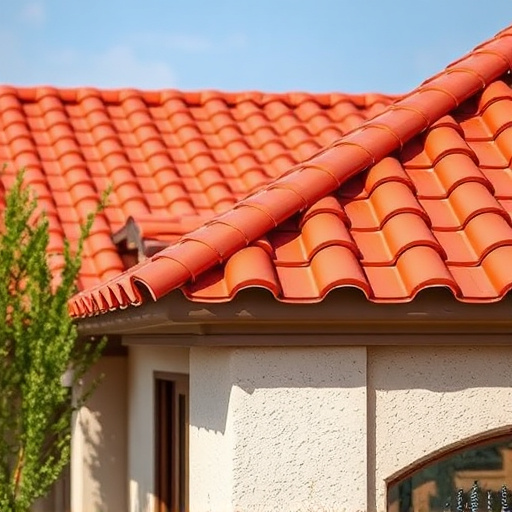
Tile roofs, with their aesthetic appeal and longevity, are a popular choice for homes in flat tile profiles, especially in areas like Oro Valley. However, maintaining and repairing these intricate systems can be challenging, often requiring a detailed tile roof care checklist. From faded colors and efflorescence to damage from foot traffic and debris buildup in valleys, tile roofs demand meticulous attention. This article guides you through the costs and considerations of tile roof repairs and replacements, including underlayment, focusing on practical solutions for homeowners. We'll explore the pros and cons of various tile types, underlayment lifespan, and essential maintenance steps to ensure your tile roof stands the test of time.
- Understanding Tile Roof Repairs: Costs and Common Issues
- New Underlayment: Protecting Your Roof, Budgeting for It
- Creating a Comprehensive Tile Roof Care Checklist
- Long-Term Savings: Preventive Tile Roof Maintenance Strategies
Understanding Tile Roof Repairs: Costs and Common Issues
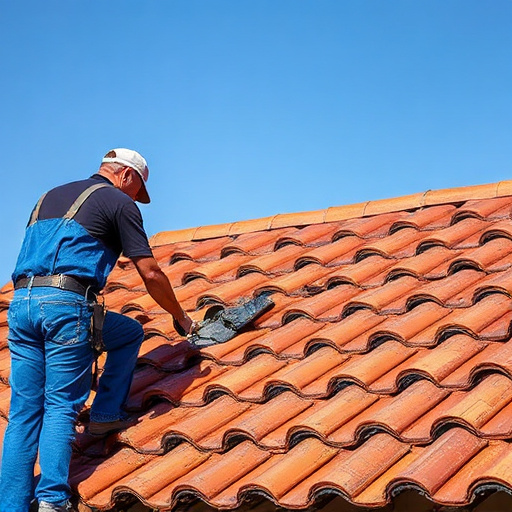
Tile roofs, with their elegant aesthetics, have long been a hallmark of desert regions, particularly in Spanish Colonial Revival architecture. However, like any roofing material, they require meticulous care and regular maintenance to ensure longevity. This section examines the intricacies of understanding tile roof repairs, offering a comprehensive tile roof care checklist to guide homeowners. From identifying common issues to navigating the costs involved, we provide practical insights for those considering repairs or seeking to enhance their property's curb appeal.
One of the primary concerns with tile roofs is the potential for damage caused by foot traffic, especially in areas with high pedestrian activity or frequent construction. Heavy footfall can lead to cracks or dislodged tiles, necessitating repairs. The intense desert heat can accelerate the aging process, causing sun faded tile colors and efflorescence on concrete tiles. These issues often require professional attention, and a roofer with an Arizona ROC license can provide expert solutions. A two-layer underlayment system, a common recommendation for Spanish Colonial homes, offers enhanced protection against these environmental factors, extending the lifespan of the roof.
The tile roof underlayment plays a crucial role in protecting against moisture intrusion and providing insulation. Over time, this underlayment can degrade, leading to potential leaks and costly repairs. Homeowners should be aware of the different types of underlayment and their respective lifespans. A typical tile roof underlayment lifespan varies from 15 to 25 years, depending on factors like exposure to sunlight and the quality of the underlayment material. Regular inspections, detailed in the tile roof care checklist, can help identify signs of wear and tear, allowing for proactive measures to prevent extensive damage.
When considering repairs, homeowners should expect to pay varying rates based on the complexity of the job. Simple repairs, such as replacing individual tiles or re-nailing loose ones, can range from $1 to $3 per square foot. More extensive work, including underlayment replacement or addressing significant damage, can cost between $5 and $10 per square foot or more. Repairing tile roof valleys and debris buildup, a common issue in flat tile profiles, may require specialized techniques and materials, contributing to the overall repair cost. Regular maintenance, as outlined in the checklist, can help mitigate these expenses and ensure the longevity of your tile roof.
New Underlayment: Protecting Your Roof, Budgeting for It
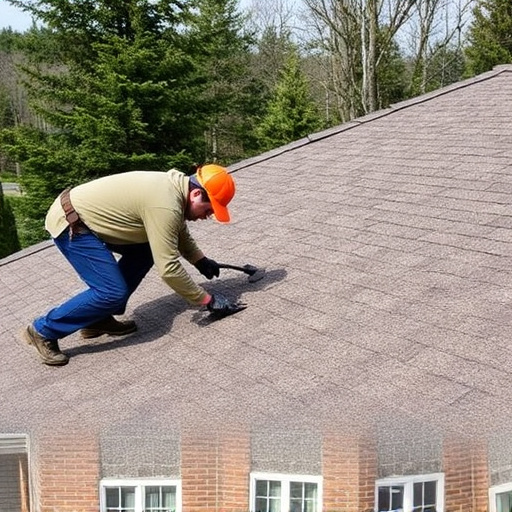
When considering new underlayment for your tile roof, you're not just protecting your home from the elements; you're also safeguarding a significant investment. A well-installed underlayment acts as a crucial barrier between your roof tiles and potential damage from storms, hail, and time. Understanding the importance of underlayment and budgeting accordingly is a key item on any tile roof care checklist.
In regions like Oro Valley with frequent storms, choosing the right underlayment becomes even more critical. A Spanish Colonial home, with its traditional tile roof, might require a more robust underlayment to withstand intense sun, wind, and potential hail events. The type of underlayment you select should align with your local climate and the specific design and age of your home. Newer underlayments often come with advanced technologies, like self-adhesive or staple-down systems, which can enhance durability and installation ease.
Budgeting for new underlayment involves understanding the cost of materials and labor. The price of underlayment itself can vary, with options ranging from around $15 to $30 per square foot. For a standard 2,000-square-foot roof, this could translate to $30,000-$60,000 for materials alone, not including installation. An experienced Oro Valley roof specialist recommends considering a two-layer underlayment system for added protection, though this will increase material costs. Remember, proper underlayment installation is crucial for long-term roof performance, so don't cut corners when budgeting for this essential component.
When planning a tile roof repair or replacement, factor new underlayment into your tile roof care checklist and budget. An investment in high-quality underlayment can prevent costly future repairs, ensuring your roof remains a protective shield for your home, even in challenging desert conditions.
Creating a Comprehensive Tile Roof Care Checklist
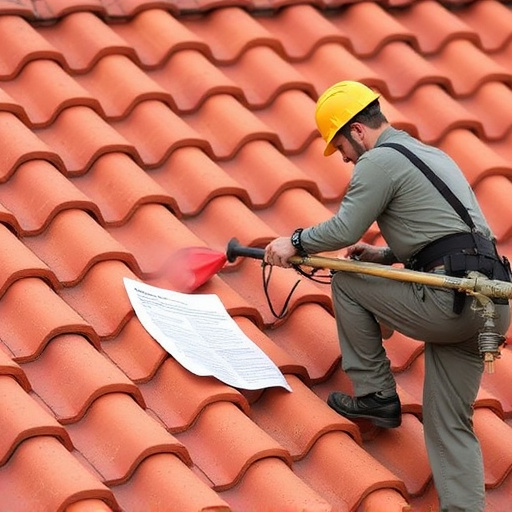
Creating a comprehensive tile roof care checklist is essential for maintaining the longevity and aesthetic appeal of your tile roofing system, especially in the harsh desert climate of Oro Valley. The unique challenges posed by the region, such as intense sunlight and fluctuating temperatures, require specific attention to detail for tile roof care. This checklist should encompass regular inspections, preventive measures, and targeted repairs to ensure your Spanish Colonial Revival home, or any historic structure with similar tile roofs, stays protected.
A licensed Oro Valley area roofing contractor recommends the following as part of your annual tile roof care routine. Begin by examining the roof for any visible signs of damage, including cracked or broken tiles, loose battens (wooden strips that hold tiles in place), and efflorescence (a white, powdery substance that can appear on concrete tiles). Pay close attention to areas with heavy foot traffic and nearby trees, as these spots are prone to wear and tear. Keep an eye out for blocked gutters and debris buildup in the valleys of your roof, which can lead to water damage and mold growth.
Next, focus on the underlayment, the protective layer beneath the tiles. Over time, underlayments can deteriorate, especially in the desert heat. Check for any signs of mold, rot, or moisture, as these issues can compromise the entire roof structure. It's also crucial to ensure the underlayment is properly fastened and has no visible gaps. Two-layer underlayment systems offer enhanced protection against water intrusion and are worth considering for new builds or major renovations. Remember, a well-maintained underlayment is key to preventing costly leaks and ensuring the longevity of your tile roof, which can last for decades with proper care.
Regular cleaning and sealing are vital to preserving the beauty and color of your tiles. Use safe cleaning methods, such as soft-bristled brushes and mild detergent solutions, to avoid damaging the tiles or the roof's finish. After cleaning, consider applying a tile sealer to protect against stains and UV damage, especially if your home is in a Rancho Vistoso area exposed to intense sunlight. By following this comprehensive tile roof care checklist, you'll contribute to the preservation of your roof's structural integrity and aesthetic appeal for years to come.
Long-Term Savings: Preventive Tile Roof Maintenance Strategies
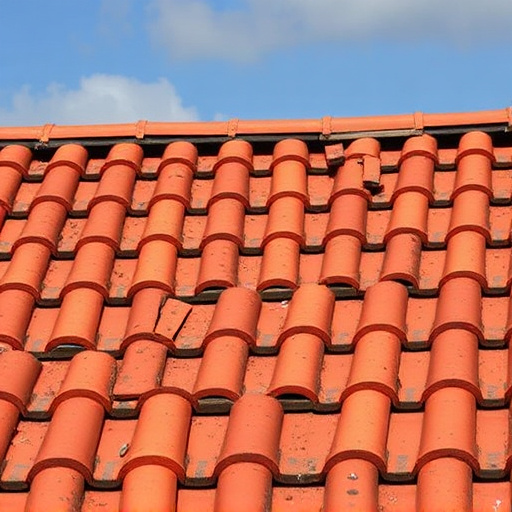
Preventive tile roof care is a key strategy for homeowners looking to maximize the lifespan and value of their investment. By implementing a thorough tile roof care checklist, you can avoid costly repairs and extend the life of your roof, which, in turn, saves you money in the long term. Regular inspections and maintenance can help identify potential issues early on, such as hail damage, efflorescence, or ridge mortar deterioration, allowing for prompt repairs before they escalate.
One of the most effective preventive measures is to inspect and replace the underlayment, especially in harsh climates like ours in Oro Valley. The underlayment, often a 30 lb felt, acts as a crucial barrier against moisture and extreme temperatures. Over time, it can wear down, leaving your roof vulnerable to damage. DC Roofing of Arizona recommends checking the underlayment for any tears, holes, or signs of aging and replacing it as needed. This simple step can significantly improve your roof's performance and longevity.
Proper maintenance includes addressing any issues with tile headlap and coverage, ensuring adequate nailing patterns, and checking for damage around skylights or at side walls. Regular cleaning and sealing of the tile roof can also prevent sun faded colors and efflorescence, a white crusting that can appear on concrete tiles. By storing spare roof tiles and keeping an eye out for pest entry points, you can further protect your roof from potential damage. Hail storms can be particularly devastating, so staying proactive with repairs and replacements is crucial.
A well-maintained tile roof not only preserves the structure's beauty and value but also ensures better energy efficiency and fire resistance. When conducting your tile roof care checklist, consider consulting local experts like DC Roofing of Arizona, who can provide guidance tailored to your Oro Valley home. By prioritizing preventive maintenance, you'll ensure your tile roof stands strong against the elements, providing peace of mind and saving you money in the long run.
Frequently Asked Questions About a Plain Language Look at Tile Roof Costs, from Repairs to New Underlayment
What is the typical cost of a tile roof repair?
Tile roof repairs can vary significantly in cost, from a few hundred to several thousand dollars, depending on the extent of the damage. Common issues requiring repairs include missing or broken tiles, damaged underlayment, and leaks. Small repairs, such as replacing individual tiles or repairing a small section of underlayment, usually cost between $300 and $800. More extensive repairs, including significant tile replacement and underlayment repair or replacement, can range from $1,500 to $5,000 or more. These are rough estimates, and actual costs may differ based on factors like local labor rates and the complexity of the repair.
How often do I need to replace the underlayment on my tile roof?
The lifespan of a tile roof's underlayment depends on several factors, including climate, installation quality, and the type of underlayment used. In general, high-quality underlayment should last 20 to 30 years, while standard underlayment may only last 15 to 20 years. Regular inspection is key; look for signs of moisture, mold, or damage. If you notice any issues or if your underlayment appears worn or damaged, it's best to replace it as soon as possible to prevent further problems and ensure the longevity of your roof.
Are there different types of tile roof underlayment?
Absolutely. The two primary types of underlayment for tile roofs are felt paper and synthetic underlayment. Felt paper is a traditional choice known for its affordability and ease of installation. It's effective at preventing moisture damage but requires more frequent replacement. Synthetic underlayment, such as rubber or plastic, offers superior durability and longer lifespans compared to felt paper. These materials are more resistant to moisture, mold, and fire, making them a popular choice for many homeowners.
How do I know if I need to replace my entire tile roof or just parts of it?
Determining whether to replace your entire tile roof or just parts depends on several factors. During a thorough inspection, your roofer should look for signs of widespread damage, such as missing or loose tiles, significant corrosion or damage to the underlayment, and evidence of leaks. If a large portion of your roof is in need of repair or if the structure is compromised, replacement is likely the best option. Repairs to individual tiles or small sections are more cost-effective but may not solve underlying issues that could lead to further damage.
What factors influence the cost of a new tile roof installation?
Several factors influence the cost of a new tile roof installation. The primary considerations include the size and complexity of your roof, the type and quality of the tiles you choose, labor rates in your area, and the type of underlayment used. Factors like the cost of permits, debris removal, and any necessary structural repairs can also impact the overall price. Obtaining multiple quotes from reputable roofing contractors will help you understand the range of prices for your specific project.
How long does a new tile roof installation typically take?
Most new tile roof installations take one to two days, depending on the size and complexity of the project. This includes time for demolition, removal of the old roof, installation of the underlayment, placement of the tiles, and final inspections. Keep in mind that weather conditions can impact the timeline, and it's crucial to allow adequate time for the new roof to cure and set properly.
As you've navigated this authoritative guide to tile roof care, you now possess a wealth of knowledge. Key takeaways include understanding the complexities of tile roof repairs, with costs varying based on damage and material. New underlayment installation is crucial for protection and should be budgeted accordingly, considering local building codes and the specific needs of your Oro Valley home.
Creating a tile roof care checklist is a practical next step, addressing regular maintenance tasks like inspecting for efflorescence, cleaning gutters, and checking for pest entry points. Preventive measures, such as sealing tiles and proper nailing patterns, can significantly extend the lifespan of your roof.
Long-term savings come from adopting a proactive mindset. Regular care and timely repairs can prevent costly replacements and reduce the risk of water damage, roof rot, and structural issues. Remember, a well-maintained tile roof is a sound investment, enhancing your home's value and protecting it against the harsh desert heat.
Tile Roof Care Checklist for Oro Valley Homeowners
- Inspect for damage, including cracked tiles, loose battens, and efflorescence. Pay extra attention to areas with foot traffic and nearby trees.
- Check underlayment for deterioration, mold, rot, or moisture. Consider a two-layer system for enhanced protection.
- Regularly clean and seal tiles to prevent staining and UV damage.
- Address preventive measures early: replace underlayment, check nailing patterns, and maintain proper headlap and coverage.
- Budget for repairs and replacements, considering material and labor costs. Expect varying rates based on job complexity.
- Consult local experts for tailored guidance, especially after storms or extreme weather events.