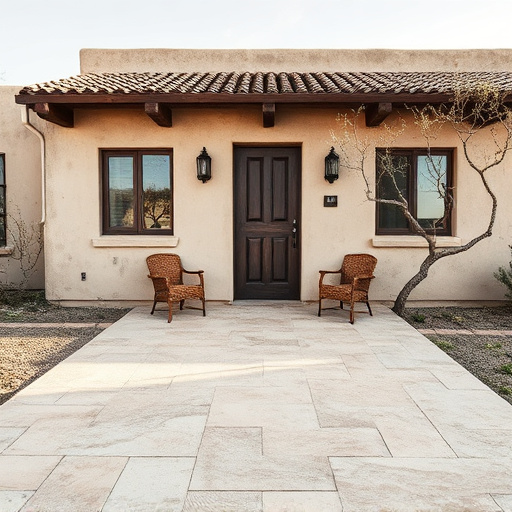
Tile roofing is a popular choice for homeowners in the Oro Valley area, known for its durability and aesthetic appeal. However, maintaining and repairing these roofs can be complex and costly, especially when dealing with issues like efflorescence, foot traffic damage, or underlayment lifespan. This article provides a plain language guide to tile roof costs, from repairs to new underlayment, focusing on practical solutions. We'll examine the considerations unique to the desert climate, such as the performance of clay vs. Concrete tiles in high heat, and offer insights tailored to local regulations, like those affecting Spanish mission tile homes. By the end, you'll have a clear understanding of tile roof care and the associated costs.
- Assessing Spanish Mission Tile Home Repairs
- Understanding New Underlayment Installation Costs
- Tile Roof Repairs vs. Replacement Decisions
- Long-Term Savings: Investing in Tile Roof Underlayment
Assessing Spanish Mission Tile Home Repairs
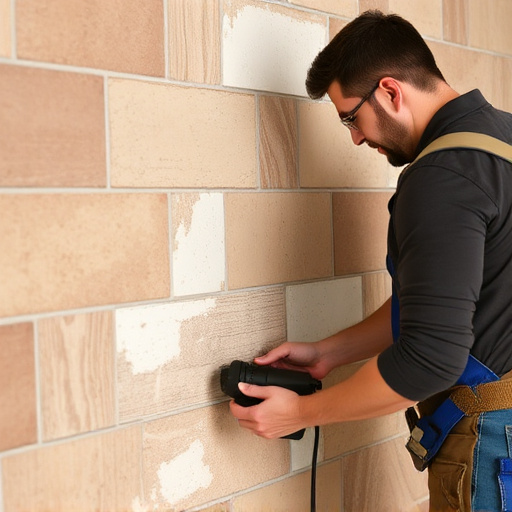
Assessing Repairs in Spanish Mission Tile Homes
The iconic Spanish Mission tile roof is a staple of the region's architectural landscape, offering a distinctive aesthetic that enhances the character of many Oro Valley homes. However, these beautiful tiles come with specific care and repair considerations. The unique clay composition and installation methods demand specialized attention, especially when addressing issues like efflorescence, sun-faded colors, or tile foot traffic damage. An experienced Oro Valley roof specialist emphasizes the importance of understanding these challenges to ensure the longevity of Spanish Mission tile roofs.
When repairing these historic roofs, one of the key decisions is whether to opt for synthetic underlayment or traditional 30 lb felt. Synthetic underlayment, often chosen for its durability and resistance to mold, is a popular choice for Spanish Mission tile roofs in areas prone to hail. This is because the tiles are vulnerable to impact damage, and synthetic underlayment provides an extra layer of protection. A recent study by the Arizona Solar and Roofing Association highlighted the benefits of synthetic underlayment in reducing roof damage from severe weather events.
Another critical aspect of maintenance is the proper selection and application of tile underlayment systems. Two-layer underlayment systems, for instance, offer enhanced protection against moisture intrusion and can extend the lifespan of the roof. Proper installation techniques, such as using mortar set instead of dry ridge, ensure the underlayment provides the necessary support and flexibility for the tile roof. Regular tile roof care, including cleaning and sealing, matters in preserving the roof's beauty and performance. A local landscaping service recommends annual cleaning to remove dust, dirt, and debris, which can affect the roof's appearance and performance.
Homeowners should be aware of potential pest entry points and consider the impact of tile roofs on attic heat and noise levels. An Oro Valley resident, having recently renovated their Spanish Mission tile home, noted the importance of addressing tile batten rot, which can compromise the roof's integrity. Proper tile headlap and nailing patterns, as recommended by local roofing contractors, help mitigate these issues. When adding tile roofs to existing structures or handling tile roofs around skylights, careful consideration of the load on the framing and flashing at side walls is essential. The Oro Valley Building Department offers guidelines to ensure compliance with local regulations.
Understanding New Underlayment Installation Costs
When considering new underlayment for your Spanish mission tile home, understanding the installation costs is crucial. In Oro Valley, the cost of underlayment can vary based on the type of underlayment chosen, the complexity of the roof design, and the extent of the job. A simple replacement in a standard Rancho Vistoso neighborhood home might cost around $1,500 to $2,500, while a more intricate installation with custom tile patterns or extensive repairs could top $5,000.
A licensed Arizona roofer often recommends a dry ridge system, which offers superior wind protection and reduces the risk of water infiltration. This system, with its two-layer design, employs a bird stop to seal the gap between the tile and the underlayment, preventing debris and pests from entering. The dry ridge method is particularly suitable for Spanish mission tile homes, where the traditional aesthetic is enhanced by a robust, yet subtle, underlayment system. While this method is more expensive than traditional mortar set underlayments, it provides better long-term protection, especially in our desert climate.
The cost of underlayment should be considered alongside its functionality and longevity. Quality underlayment protects against efflorescence on concrete tiles, foot traffic damage, and heat transfer from the attic. It also plays a role in preventing tile batten rot, a common issue in older homes. When budgeting for a new underlayment, remember that prevention is often less costly than repair. A proactive approach to tile roof care, including regular cleaning and sealing, can extend the lifespan of your Spanish mission tile home's roof by several years, saving you money in the long run.
Tile Roof Repairs vs. Replacement Decisions
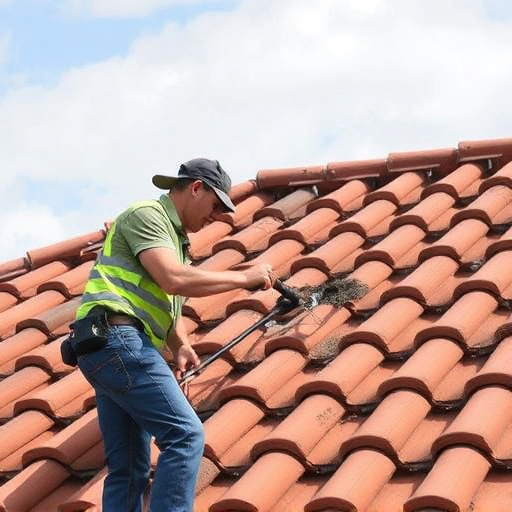
When faced with tile roof repairs or replacement, homeowners often grapple with difficult decisions, especially when considering the historical aesthetic of Spanish Colonial Revival or Spanish mission tile homes. This section guides you through the process, focusing on the costs and considerations that impact your choice between repairing or replacing your tile roof.
A roofer with an Arizona ROC license will advise that repairs are a more cost-effective option for many Spanish Colonial homes, especially when the damage is localized. Minor repairs, like replacing missing or broken tiles, patching efflorescence, or securing loose tiles, can extend the life of your roof. This is particularly true for flat tile profiles, which are common in the region, as repairs can be swift and relatively inexpensive, saving you money in the short term. However, if your roof has sustained extensive damage from extreme weather, such as heavy winds or significant power outages, replacement might be the better long-term investment.
Replacing your tile roof involves more than just swapping out damaged tiles. It's a complex process that includes removing the old underlayment, flashing, and tiles, as well as addressing any issues with the roof's structure. Two-layer underlayment systems, for example, offer enhanced protection against water penetration and foot traffic damage, a significant concern in arid climates like ours. But these systems come at a higher upfront cost. If your home is a historical Spanish mission tile home, you'll want to consult with experts on preserving its architectural integrity while installing a new roof.
In many cases, a thorough inspection by a local roofing contractor can help determine the best course of action. They can assess the extent of the damage, provide a detailed estimate for repairs or replacement, and offer advice on the lifespan of each option. Remember, while a new roof may be more expensive upfront, it can provide peace of mind and protect your Spanish Colonial home's investment value. Conversely, timely repairs can extend the life of your existing roof, saving you money in the short term.
Long-Term Savings: Investing in Tile Roof Underlayment
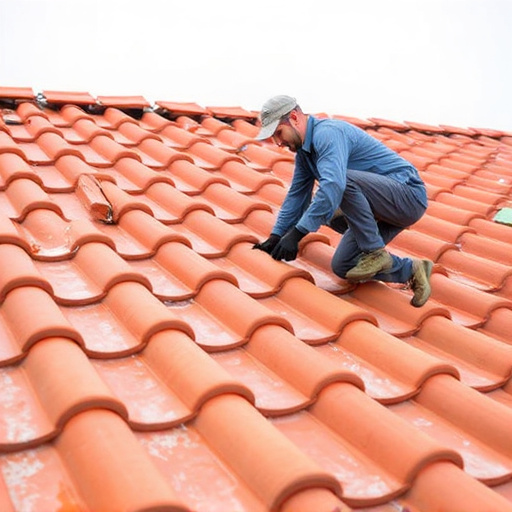
Investing in high-quality tile roof underlayment is a strategic move that offers long-term savings, especially for homeowners with Spanish mission tile homes in our desert climate. The right underlayment can significantly extend the lifespan of your tile roof, protecting it from common issues like hail damage and extreme heat. When compared to concrete tile roofs, a well-installed underlayment can mitigate issues like efflorescence on concrete tiles and prevent sun-faded colors, a common problem in our region.
A roofer with an Arizona ROC license will typically recommend two-layer underlayment systems for optimal protection. This includes a primary layer that covers the entire roof deck and a secondary layer that provides additional protection in areas prone to foot traffic or heavy debris. By understanding the specific needs of Spanish mission tile homes, these systems can prevent costly repairs down the line. The ridge mortar, a crucial component, should be set properly to avoid damage from high winds and pests, which are prevalent in our area.
Proper underlayment also matters in managing a tile roof's weight on the framing, preventing batten rot, and ensuring a fire-resistant barrier. This is especially crucial when considering the additional weight of new builds or additions. For tile roof gutters, a well-designed underlayment system can direct debris away from the roof's edge, reducing the risk of clogged gutters and associated damage. Underlayment is key in mitigating the noise and wind load of a tile roof, ensuring a quieter, more secure home, especially in open-plan Spanish mission tile homes.
Frequently Asked Questions About a plain language look at tile roof costs, from repairs to new underlayment
What are the typical costs involved in repairing a tile roof? Tile roof repairs can vary widely in cost, from $500 to $2,000 or more, depending on the extent of the damage and the materials used. Common repair tasks include replacing missing or damaged tiles, repairing or replacing broken underlayment, and sealing leaks. DC Roofing of Arizona, a licensed Oro Valley area roofing contractor, often finds that smaller repairs, like replacing a few tiles, can be done for the lower end of this range. More extensive repairs, such as those involving structural damage or extensive water leakage, will naturally incur higher costs.
How often do I need to replace the underlayment under my tile roof? The lifespan of underlayment varies based on factors like climate and installation quality, but most high-quality underlayments last 20 to 30 years. Regular inspection is key; look for signs of wear, mold, or moisture. If you notice any issues, contact a local roofing company serving Oro Valley and Marana as soon as possible to prevent further damage.
What factors influence the cost of installing a new tile roof? The cost of installing a new tile roof typically ranges from $8,000 to $15,000, but this can vary significantly. Key factors include roof size, the type and quality of tiles chosen, labor costs, and the complexity of the installation (e.g., steep or irregular roofs may increase prices). A licensed Arizona ROC contractor will provide a detailed estimate after assessing your specific situation.
Are there any tax incentives or rebates for replacing my tile roof? Yes, tax incentives and rebates are available in many areas to encourage energy-efficient and environmentally friendly home improvements. These can include rebates for installing reflective or cool roofs, which can reduce energy costs. Check with your local government or a roofing specialist like DC Roofing to see if you qualify for any incentives specific to your area.
How long do tile roofs typically last? With proper maintenance, tile roofs can last 40 to 60 years or more. The longevity depends on factors like the quality of installation, underlayment, and the tiles themselves. Regular cleaning, inspection, and repair can help extend the life of your tile roof, ensuring it continues to protect your home effectively.
What should I do if I notice leaks in my tile roof? If you notice leaks, contact a qualified roofer immediately. A licensed Arizona roofer will be able to identify the source of the leak, whether it's due to damaged tiles, poor underlayment, or other issues. Prompt action is crucial to prevent further damage to your home and ensure the leak is repaired correctly.
As the article has demonstrated, the costs and considerations of tile roof maintenance and replacement in Spanish mission tile homes are multifaceted. By understanding the differences between Spanish flat tile profiles and their clay counterparts in the desert climate, homeowners can make informed decisions about addressing sun-faded colors, efflorescence, and potential foot traffic damage. Choosing the right underlayment, such as two-layer systems, is crucial for long-term savings and fire resistance, especially when considering the weight of the tile and the roof's structural integrity.
The decision between repairs and replacement should factor in the age of the roof, the extent of damage, and the home's historical value. For Spanish mission tile homes, preserving the architectural integrity is paramount. Investing in quality underlayment, properly installed, can protect against roof valleys and debris, improve attic heat management, and reduce noise and wind damage.
Practical next steps include: regular cleaning of tile roofs, proper storage of spare tiles, and using appropriate sealers to combat pest entry points. Homeowners should consult with local roofing contractors, landscape services, and building departments to ensure compliance with historical design guidelines, especially when undertaking new builds or significant renovations.
The care and maintenance of tile roofs in flat tile profiles like those found in Spanish mission tile homes require a nuanced approach. By integrating these key insights, homeowners can extend the lifespan of their roofs, enhance their property's value, and preserve the unique aesthetic of these historic structures.
In Oro Valley, Spanish mission tile roof repairs and replacements involve careful consideration. Repairs, often more cost-effective, include fixing efflorescence, loose tiles, and foot traffic damage. Replacing a tile roof is a complex process, requiring removal of old underlayment, flashing, and tiles, and addressing structural issues. Two-layer underlayment systems, while pricier, offer enhanced protection against water penetration, foot traffic, and pests, crucial in our desert climate. High-quality underlayment extends tile roof lifespan, prevents common issues, and enhances energy efficiency, fire resistance, and noise reduction. Consult a licensed roofer to determine the best course of action for your Spanish mission tile home.