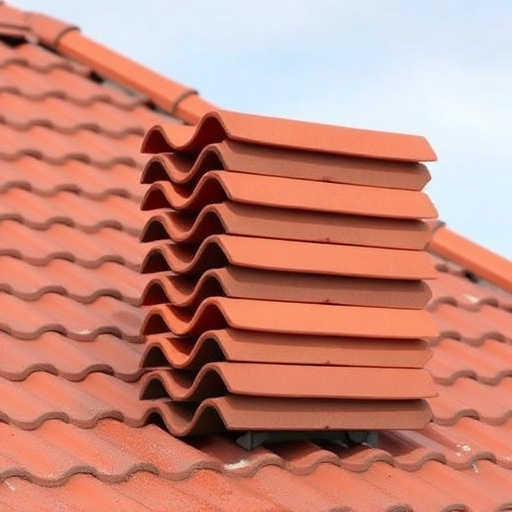
The monsoon season brings both much-needed rain and increased challenges for homeowners with tile roofs in flat tile profiles. Maintaining a robust, long-lasting tile roof is crucial for any Oro Valley residence, as these structures are designed to withstand the harsh desert heat, intense sun, and occasional power outages. However, the same elements that make tile roofs durable also put them at risk for damage from foot traffic, efflorescence on concrete tiles, and pest entry points. This article provides expert advice on meticulous tile roof care before and after the monsoon season, with a focus on protecting the crucial tile roof edge metal. By following these guidelines, you'll ensure your roof remains a reliable guardian against the elements and preserve the aesthetic beauty of your Spanish mission tile home.
- Preparing Your Tile Roof for Monsoon: Key Maintenance Steps
- Safe Cleaning Practices: Protecting Your Tile Roof and Edge Metal
- Post-Monsoon Inspection: Identifying Damage, Repairs, and Replacement
- Long-Term Preservation: Sealants, Coatings, and Natural Protection Strategies
Preparing Your Tile Roof for Monsoon: Key Maintenance Steps

Preparing your tile roof for monsoon season requires a targeted approach to safeguard against the unique challenges presented by the region's weather patterns. Oro Valley's climate, characterized by intense summer heat and powerful monsoon winds, demands specific care. One key element to focus on is the tile roof edge metal. Ensuring proper installation and maintenance of this critical component can prevent costly damage from hail and strong winds.
Regular inspections are crucial, especially after significant storms. Look for signs of loose or damaged tiles, which can expose the underlying edge metal to corrosive elements. Inspect battens as well, as these wooden or metal strips that support the tiles can rot or bend from excessive moisture, leading to misaligned or missing tiles. A licensed Oro Valley area roofing contractor can provide expert guidance on proper nailing patterns and headlap coverage to ensure water runoff and protection.
During monsoon season, strong winds can lift loose debris and even whole tiles, causing significant damage. To mitigate this risk, clear roof valleys and gutters of debris regularly. Consider using tile clips to secure tiles more firmly to the underlayment, providing extra protection against high winds. Regular cleaning will remove algae and mold buildup, which can contribute to rusting of the edge metal and compromise the roof's integrity. Remember, a well-maintained tile roof will not only withstand the monsoon but also protect your home for years to come.
Safe Cleaning Practices: Protecting Your Tile Roof and Edge Metal

Safe Cleaning Practices: Protecting Your Tile Roof and Edge Metal
Before and after monsoon season, proper tile roof care is crucial for Oro Valley residents. This is especially true for cleaning, as incorrect methods can damage your roof and edge metal. The monsoon season brings both intense rainfall and powerful sun, which can fade tile colors and lead to efflorescence on concrete tiles. Clay and concrete tiles, both popular in the area, require unique care. S tile profiles might have different nailing patterns and headlap coverage than their flat counterparts. Understanding these nuances ensures your roof remains in top condition.
When cleaning your tile roof, start by inspecting for damage. Heavy rainfall can cause foot traffic damage, while strong winds may dislodge tiles or loosen tile clips. The Oro Valley Fire Department recommends avoiding power washing, as it can strip protective coatings and damage the roof's underlayment. Instead, use a soft brush or garden hose to gently clean the roof. For stubborn stains, consult with a local roofing contractor like DC Roofing of Arizona, who can suggest eco-friendly cleaners and safe techniques.
Tile roof edge metal, often seen in Spanish mission-style homes, requires special attention. Edge metal protects the roof's perimeters from debris and weather, and its longevity is crucial for the overall roof stability. Regular inspection for rust or rot is essential, as these issues can compromise the roof's integrity. Maintaining proper tile roof valleys and ensuring adequate drainage also prevents water damage and pest entry points. Remember, a well-maintained tile roof, with its edge metal in tact, can last for decades, even in the harsh desert climate of Rancho Vistoso.
Post-Monsoon Inspection: Identifying Damage, Repairs, and Replacement
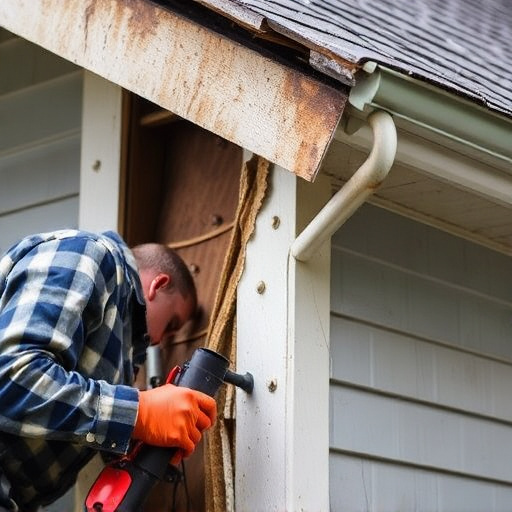
After monsoon season, a thorough inspection of your tile roof is crucial to identify any damage caused by the intense desert heat, heavy rain, and strong winds. The post-monsoon evaluation process involves meticulous observation, especially focusing on the roof's edges and areas prone to water accumulation. One of the first things to check is the tile roof edge metal, which includes ridge caps, gutters, and downspouts. These components are critical for water drainage and can be vulnerable to rust and loose connections after prolonged exposure to wet conditions.
Look for signs of corrosion or misalignment, as these could indicate problems with the ridge mortar. A local roofing company serving Oro Valley recommends using a combination of new and spare parts to replace any damaged edge metal, ensuring a secure and weatherproof seal. Next, inspect the headlap, the overlap of tiles, for any gaps or signs of wear, as these areas are often the first to show damage from foot traffic and debris. If you notice any missing tiles or extensive discoloration, it might be time to consider repairs or replacement, especially if the underlying underlayment shows signs of aging.
Bird stops, small pieces of metal or plastic that prevent birds from nesting on the ridge, should also be checked. Over time, these can become loose or damaged, allowing unwanted visitors to enter your attic. Replace any missing or damaged bird stops to maintain the energy efficiency and integrity of your roof. Lastly, pay close attention to tile nailing patterns and tile batten rot. Ensure that the nails are secure and that there is no sign of rot or wood damage around the battens (strips used to secure tiles). Regular maintenance and prompt repairs in these areas can extend the lifespan of your tile roof, ensuring it remains a durable and aesthetically pleasing feature of your Oro Valley home.
Long-Term Preservation: Sealants, Coatings, and Natural Protection Strategies

To ensure the longevity and aesthetic appeal of your tile roof through the monsoon season and beyond, implementing strategic preservation methods is crucial. An experienced Oro Valley roof specialist recommends a multi-pronged approach that includes the application of sealants, coatings, and the utilization of natural protection strategies.
For tile roofs, one of the most important considerations is the protection of the tile edge metal, especially in the harsh desert climate. The primary keyword here is "tile roof edge metal naturally." To preserve this element, a high-quality sealant should be applied to shield it from moisture and UV rays. This step is particularly vital for clay tiles, which can be more susceptible to fading and cracking when exposed to intense sun and wind. A protective coating can be applied to the roof's surface, offering a barrier against stains, mold, and mildew, which can be exacerbated by monsoon season's increased humidity.
Beyond these measures, consider natural methods for enhancing the roof's durability. Proper ventilation and a well-designed underlayment system can mitigate issues like efflorescence on concrete tiles and excessive heat buildup in the attic, reducing the overall strain on the roof. Landscaping services can also be leveraged to provide natural shading, while neighborhood watch groups and local utility companies can ensure swift power outage responses during severe weather events. Regular inspections by a licensed Oro Valley roofing contractor can help identify and address issues early, such as loose battens or pest entry points, preventing minor problems from turning into major repairs.
Frequently Asked Questions About advice on tile roof care before and after monsoon season
What is the best time to inspect my tile roof before monsoon?
Regular inspections are crucial, especially before monsoon. Schedule a thorough visual check with a licensed roofer, ideally in late spring. This allows time to identify and address any issues, such as loose or damaged tiles, flashing problems, or clogged gutters. Early preparation enhances the durability of your roof and prevents extensive damage during intense monsoon storms.
How can I protect my tile roof from monsoon-related damage?
Secure your tile roof by sealing any gaps or cracks, reinforcing weak areas, and ensuring proper drainage. Use high-quality sealants and flashings. Regular cleaning removes debris that could weigh down tiles and obstruct gutters. Consider adding impact-resistant tiles or underlayment, especially in areas prone to severe storms. These measures protect against strong winds, lightning strikes, and heavy rainfall.
What should I do after a monsoon storm if I notice damage to my tile roof?
After a storm, inspect your roof for missing, broken, or curled tiles. Look for signs of water leakage, such as stains or mold growth. Document the damage with photos. Contact a local roofing contractor, like DC Roofing of Arizona, for a prompt assessment and repair. Quick action minimizes further damage and prevents potential interior issues.
Are there specific tile types better suited for monsoon climates?
While all tile types require maintenance, some are more suitable for monsoon conditions. Look for clay or concrete tiles with a high water absorption rate, as they're more impact-resistant. Flat tile profiles are generally recommended as they shed water more efficiently. Avoid delicate, thin tiles that are more prone to breakage from strong winds and debris.
How often should I clean my tile roof before and after monsoon?
Deep cleaning your tile roof annually before monsoon is ideal. This removes built-up dirt, debris, and algae growth that can weigh down tiles and absorb water. After monsoon, a lighter cleaning to remove storm debris is sufficient. Use a soft brush or vacuum and a mild cleaning solution, avoiding harsh chemicals that could damage the tiles.
What should I know about maintaining my tile roof's gutters during monsoon?
Gutter maintenance is vital. Inspect and clean gutters regularly to prevent clogs from leaves and debris. Ensure proper drainage by checking downspouts and clearing any blockages. Gutters protect your roof by diverting water away from the foundation, so keeping them clear is essential during heavy monsoon rainfall.
As the monsoon season arrives, it's crucial to reflect on the key insights from this practical guide to tile roof care. By prioritizing the safety and longevity of your roof, you can protect your investment and ensure a secure, comfortable home. Regular cleaning practices, as discussed, are essential to remove dust and debris, especially from the tile roof edge metal, preventing damage from power outages and power surges. After the monsoon, a thorough inspection becomes your next vital step. Look for signs of wear and tear, such as efflorescence on concrete tiles, foot traffic damage, or tile batten rot. Early detection allows for prompt repairs or replacements, saving you from costly, extensive damage.
Long-term preservation strategies, like applying tile roof sealers, offer significant benefits. These sealants protect against sun faded tile colors, tile roof and attic heat, and even pest entry points. Storing spare roof tiles and considering two-layer underlayment systems further enhance your roof's durability. Remember, proper care and maintenance are ongoing processes, and a well-maintained tile roof can last for decades. Embrace these practical takeaways, consult local roofing experts like DC Roofing of Arizona, and ensure your roof is ready to withstand the desert's challenges.
Preparing Your Tile Roof for Monsoon Season:
- Focus on Tile Roof Edge Metal: Regularly inspect and maintain the edge metal to prevent damage from winds and weather. Use proper nailing patterns and headlap coverage.
- Clear Roof Valleys and Gutters: Remove debris to mitigate wind damage risk. Consider tile clips for extra protection.
- Regular Cleaning: Remove algae and mold buildup to prevent rusting. Use eco-friendly cleaners and safe techniques.
- Post-Monsoon Inspection: Check for damage, especially at edges and water collection areas. Replace damaged edge metal, headlap, bird stops, and tile battens as needed.
- Strategic Preservation: Use sealants, coatings, natural protection methods (landscaping, ventilation), and regular inspections to extend roof lifespan.