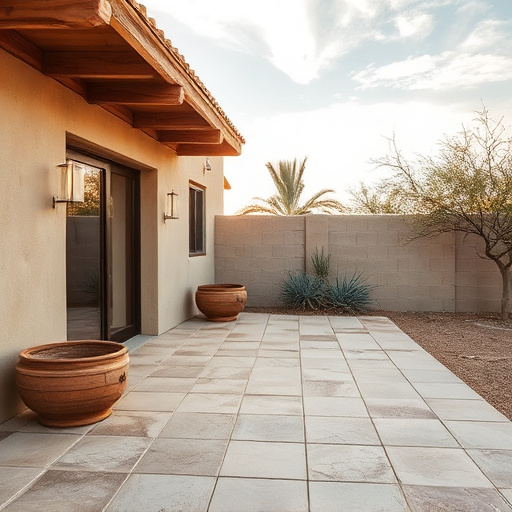
In the arid climate of flat tile profiles, roofing choices are paramount. Clay and concrete tile roofs, while aesthetically pleasing, face unique challenges. The primary culprit isn't age, but the underlayment-the protective layer beneath the tiles. This underlayment, crucial for preventing water damage, can wear out faster than the tiles themselves. Understanding why this happens is key to maintaining a durable roof. We'll examine the factors accelerating underlayment degradation, from foot traffic to efflorescence, and offer practical solutions, including effective cleaning methods and the role of tile sealers. We'll explore the importance of proper storage, guiding homeowners on how to store spare roof tiles naturally, extending their lifespan and ensuring a longer-lasting roof.
- Understanding Tile Underlayment Degradation
- Factors Accelerating Underlayment Failure
- Storing Spare Roof Tiles: Natural Methods
- Extending Underlayment Lifespan: Prevention & Repair Strategies
Understanding Tile Underlayment Degradation
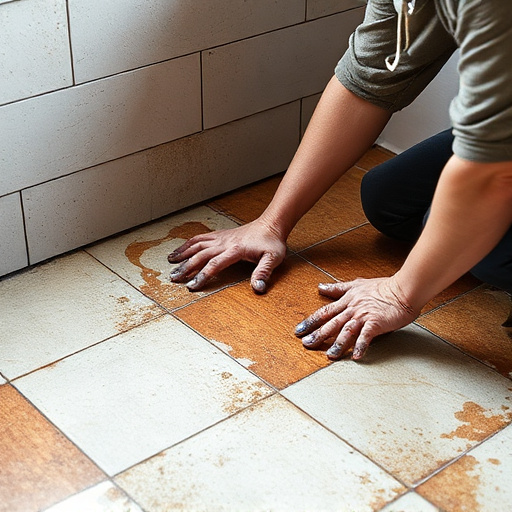
Tile underlayment, a crucial component of tile roofing, often surprises homeowners when it fails before the tiles themselves. This deterioration is a complex interplay of factors, including UV exposure, climate, and installation methods. In the harsh desert environment, where intense sunlight and fluctuating temperatures are the norm, even the most carefully installed underlayments can weaken over time.
Clay tile, a popular choice for its timeless aesthetic, especially in Spanish Colonial Revival architecture, is particularly susceptible to damage from prolonged UV exposure. The sun's rays can break down the clay, causing cracks and discoloration. Concrete tile, though more durable, is not immune to issues like efflorescence, where mineral deposits leave a white powdery residue. These visible signs of wear signal a deeper problem: the underlayment has begun to degrade.
One of the primary causes of underlayment failure is excessive foot traffic and debris accumulation in the valleys between tiles. Regular cleaning and maintenance, such as removing fallen leaves and branches, are crucial. DC Roofing of Arizona recommends implementing a regular tile roof care checklist that includes these tasks. Two-layer underlayment systems, which provide extra protection, can extend the lifespan of your underlayment.
Storing spare roof tiles naturally in a cool, dry place is a proactive measure homeowners can take. It allows for easy repairs without the need for costly replacements. Remember, a well-maintained tile roof starts with understanding the vulnerabilities of its underlayment. By addressing these issues proactively, you can ensure your Spanish Colonial home's roof remains a durable and attractive feature for years to come.
Factors Accelerating Underlayment Failure
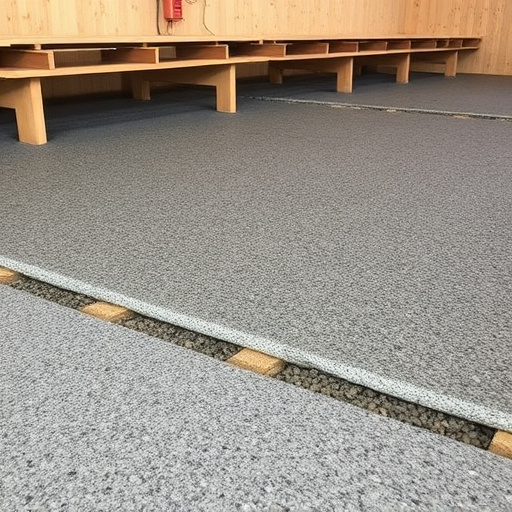
The longevity of a tile roof heavily depends on the durability of its underlayment, which, surprisingly, often outlives the tiles themselves. In the harsh conditions of the Catalina Foothills, factors like intense sun exposure, fluctuating desert temperatures, and heavy foot traffic can accelerate underlayment failure. Understanding these factors is crucial for homeowners in Oro Valley looking to maintain their roofs effectively.
One of the primary culprits is the type of underlayment used. While traditional dry ridge systems offer a simple, cost-effective solution, they're more susceptible to damage from extreme heat and moisture fluctuations. The high heat of the desert can cause the underlayment to shrink, leading to cracks and gaps that allow water penetration. The rapid expansion and contraction of the material under extreme conditions can weaken the underlayment's integrity, making it more prone to tearing or puncturing.
Storing spare roof tiles naturally can be a valuable asset during maintenance or repairs. Homeowners should keep a supply of both S tile and flat tile profiles in a cool, dry place, protecting them from direct sunlight and extreme heat. This proactive approach ensures that when issues like efflorescence or tile batten rot arise-which can weaken the overall roof structure-spare tiles are readily available for swift replacement. An experienced Oro Valley roof specialist recommends inspecting the underlayment regularly for signs of wear and tear, especially in areas with heavy foot traffic or near valleys where debris accumulation can occur. Early detection allows for timely repairs, preventing minor issues from escalating into costly and extensive roof replacements.
Storing Spare Roof Tiles: Natural Methods
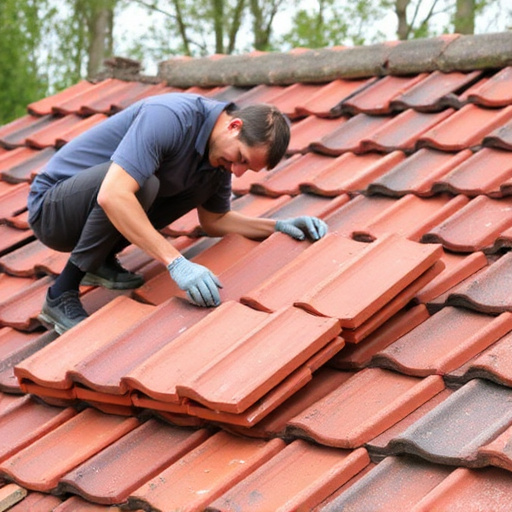
In the harsh desert climate of Oro Valley and Marana, a roofing contractor serving these areas faces unique challenges for tile roof maintenance. One of the most overlooked yet critical aspects of tile roof care is understanding the lifespan of its underlayment. While the tiles themselves can last several decades, the underlayment-the protective layer beneath them-typically wears out before the tiles do, especially when exposed to the intense sun and varying temperatures of the Catalina Foothills.
The underlayment, often made of 30 lb felt, serves as a vital barrier against moisture, rot, and extreme weather conditions. However, over time, this layer can become damaged, torn, or compressed, leading to leaks and other structural issues. Flat tile roofs, common in our region, are particularly susceptible to underlayment degradation due to the uniform weight distribution across the entire surface, putting constant pressure on the underlayment. Unlike curved roofs that allow water to run off, flat roofs require a robust underlayment system to handle the constant load and channel away rainwater effectively.
For storing spare roof tiles naturally, a roofing contractor should consider the underlayment's condition as a top priority. Instead of simply keeping extras on hand, it's crucial to assess the current underlayment's health. If it's showing signs of wear and tear, replacing it before the tiles become compromised is essential. Look for torn or compressed felt, which can cause tiles to become loose and potentially fall off during a storm. By addressing the underlayment proactively, a contractor can extend the life of not only the underlayment but also the entire roof system, saving both time and money in the long run.
To ensure longevity, a contractor serving Oro Valley and Marana should recommend a multi-layer underlayment system for new installations or replacements. This involves using a primary layer of 30 lb felt as a base, topped with a secondary layer for added protection against foot traffic and extreme weather. Using tile clips in high wind areas can further secure the underlayment, preventing it from shifting and potentially causing damage to the tiles. By prioritizing the underlayment, homeowners can rest assured that their tile roof will remain a reliable and attractive feature of their property for years to come.
Extending Underlayment Lifespan: Prevention & Repair Strategies
Tile roofs, with their elegant aesthetic, are a popular choice in arid climates like ours. However, the longevity of the underlying underlayment-a crucial barrier between your home and the elements-often lags behind the durability of the tiles themselves. Understanding why this happens and implementing effective prevention and repair strategies is essential for maintaining your roof's overall health.
The underlayment, typically a layer of felt or synthetic material, serves as a shield against moisture intrusion, providing a secondary barrier against leaks. In our region, where intense sunlight and fluctuating temperatures are the norm, this protective layer faces unique challenges. Exposure to UV radiation causes the material to degrade over time, becoming brittle and more susceptible to tearing. High temperatures, especially during our scorching summers, can accelerate this process. The constant expansion and contraction of the tile and underlayment due to heat fluctuations contribute to wear and tear, especially at joints and fastener points.
Flat tile roofs, popular for their low-maintenance and sleek design, are particularly prone to underlayment issues. The weight of the tiles exerts pressure on the underlayment, and when combined with our extreme weather conditions, it can lead to bulging, tearing, or even complete failure of the underlayment. Two-layer underlayment systems, a more robust option, can extend the lifespan of your roof. By providing an extra layer of protection, these systems offer better resistance to punctures and tears. Regular inspection is key; checking for signs of damage, such as bulges, cracks, or loose tiles, allows for early intervention.
To extend the lifespan of your tile underlayment, consider these strategies:
- Regular Cleaning: Keep the roof free from debris and dirt buildup, as these can trap moisture, accelerating underlayment degradation.
- Spare Tiles on Hand: Storing spare roof tiles, especially in a cool, dry place, ensures quick repairs when damage occurs. (A licensed Arizona roofer can provide guidance on the best storage methods.)
- Maintain Battens: Inspect battens (the wooden or metal strips that support the underlayment) for rot or damage, replacing them as needed. Proper spacing and secure fastening are crucial for the underlayment's integrity.
- Professional Inspection: Schedule periodic inspections with a local roofing contractor to identify and address issues before they become major problems.
Frequently Asked Questions About an explainer on why tile underlayment wears out before the tile does
What is tile underlayment, and why does it wear out?
Tile underlayment is a layer of material placed beneath tiles to provide stability, moisture protection, and even heat transfer. It's designed to last, but several factors can contribute to its degradation over time. Factors like water infiltration, fluctuating temperatures, and constant foot traffic can weaken the underlayment material, making it susceptible to cracks, bulges, or complete failure. Unlike tile, which is designed for longevity, underlayment is a more delicate component, and its exposure to these elements can accelerate its aging process.
Why does underlayment failure usually precede tile damage?
Underlayment failure creates an unstable foundation for tiles. When underlayment weakens, it can't effectively distribute the weight of the tiles and the traffic above. This imbalance can lead to tile shifting, shifting, or even breaking. Imagine a house with a crumbling foundation - the walls above might appear intact but are dangerously unsteady.
Are there signs I should look for to detect underlayment problems?
Absolutely. Keep an eye out for:
- Bulging or warping tiles: This could indicate a problem with the underlayment beneath.
- Loose or cracked tiles: These are clear signs that something beneath the surface isn't holding up.
- Uneven tile surfaces: Underlayment issues can cause tiles to become misaligned or uneven.
- Water stains or mold growth: Moisture intrusion often signals a breach in the underlayment's waterproofing capabilities.
How can I prevent underlayment wear and tear?
Proper installation and regular maintenance are key.
- Ensure professional installation to ensure proper underlayment placement and compression.
- Seal the underlayment against moisture after installation to prevent water damage.
- Inspect your tile flooring regularly for signs of wear and address problems promptly.
Who should I contact if I suspect underlayment damage?
If you suspect underlayment damage, it's best to consult a professional. A qualified Tucson garage door technician or a Tucson garage door specialist can assess the situation, determine the extent of the damage, and recommend the best course of action.
Understanding tile underlayment degradation is crucial for maintaining a durable roof. The article has highlighted several key insights: flat tile profiles, despite their aesthetic appeal, can accelerate underlayment failure due to increased foot traffic and debris accumulation; concrete tile, while robust, is susceptible to efflorescence and sun fading in the desert heat; and mortar set versus dry ridge systems each have their pros and cons, with two-layer underlayment systems proving more effective in extreme conditions.
Proper storage of spare roof tiles is essential, with natural methods like off-site storage and protection from the elements recommended. Extending underlayment lifespan through prevention-like regular cleaning and maintenance-and repair strategies, such as replacing damaged tiles and battens, is cost-effective and improves overall roof integrity.
By synthesizing these learnings, homeowners and contractors alike can make informed decisions about tile roof care, ensuring longevity and minimizing costly repairs. The article's practical advice, grounded in the experiences of local Tucson professionals and industry standards, offers valuable insights into maintaining a reliable, attractive tile roof.
Summary:
Tile roofs, though aesthetically pleasing, require special attention to their underlayment, which often fails before the tiles. In Tucson's harsh climate, UV exposure, temperature fluctuations, and foot traffic accelerate underlayment degradation. Clay and concrete tiles are susceptible to cracks, discoloration, and efflorescence, respectively.
Two-layer underlayment systems and regular cleaning prevent damage. Storing spare roof tiles naturally in a cool, dry place facilitates quick repairs. Homeowners should inspect underlayment for signs of wear, especially in valleys and foot traffic areas. Early detection prevents costly replacements.
Key strategies:
- Regular cleaning to prevent debris buildup.
- Maintaining battens and inspecting them for damage.
- Storing spare tiles for quick repairs.
- Professional inspections to identify and address issues.