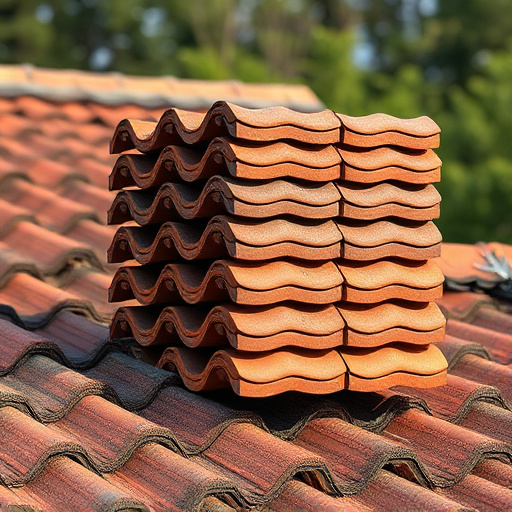
In the arid climate of flat tile profiles, like many in Oro Valley, homeowners often wonder why their tile roofing underlayment seems to give out before the tile itself. This isn't an uncommon concern, given the crucial role underlayment plays in protecting your investment. It serves as a vital barrier against moisture, heat transfer, and foot traffic damage. However, despite its importance, underlayment is often overlooked when compared to the longevity of the tile itself. This article examines the specific reasons behind this phenomenon, examining factors like sun-faded tile colors, efflorescence on concrete tiles, and the impact of mortar set versus dry ridge systems. We'll also explore the solution: understanding and implementing optimal tile headlap and coverage to ensure your underlayment-and roof-lasts as long as expected.
- Factors Accelerating Underlayment Degradation
- When to Replace: Tile Headlap Considerations
- Best Practices for Longevity: Coverage and Installation Tips
Understanding Tile Underlayment: The Foundation Introduced
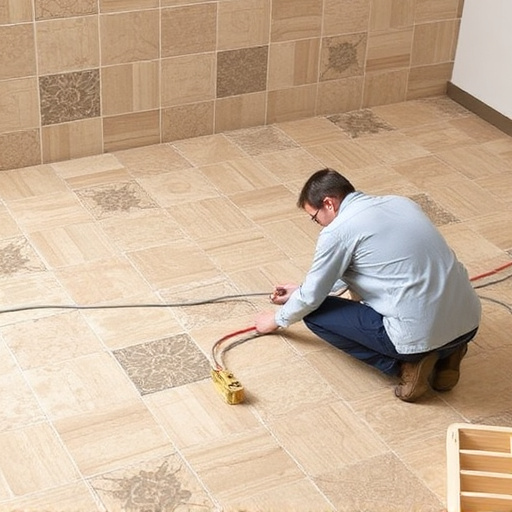
Tile roofs are renowned for their durability and aesthetic appeal, but beneath the surface lies a crucial component often overlooked: the tile underlayment. This layer, which lies between the roofing tiles and the deck or sheathing, matters in protecting the roof structure from damage. However, it's not uncommon for the underlayment to wear out before the tiles, leading to potential issues. The primary reason for this is the constant exposure to environmental factors, such as extreme heat, moisture, and foot traffic, which accelerate the natural aging process.
The tile underlayment's foundation lies in its two primary functions: headlap and coverage. Headlap refers to the overlapping area between adjacent tiles, providing a barrier against water intrusion and allowing for movement due to temperature changes. A well-designed underlayment ensures proper headlap, maintaining the tile's integrity and extending its lifespan. Coverage, on the other hand, involves distributing the weight of the tiles evenly, preventing concentrated stress on any single point. This is particularly important in areas prone to heavy foot traffic or wind, like residential entries or balconies.
Proper tile underlayment installation is key to mitigating these wear-and-tear issues. DC Roofing of Arizona, a licensed Oro Valley area roofing contractor, recommends using specialized clips to secure the underlayment to the deck, especially in regions with high wind potential. These clips, strategically placed, ensure the underlayment doesn't shift or peel, a common problem when using traditional nailing or gluing methods. Using a two-layer underlayment system, with a layer of paper or synthetic material beneath a protective layer, can significantly enhance the roof's overall durability. Regular maintenance, such as inspecting for signs of wear and replacing damaged tiles or underlayment clips, is also crucial in preserving the roof's integrity.
Factors Accelerating Underlayment Degradation
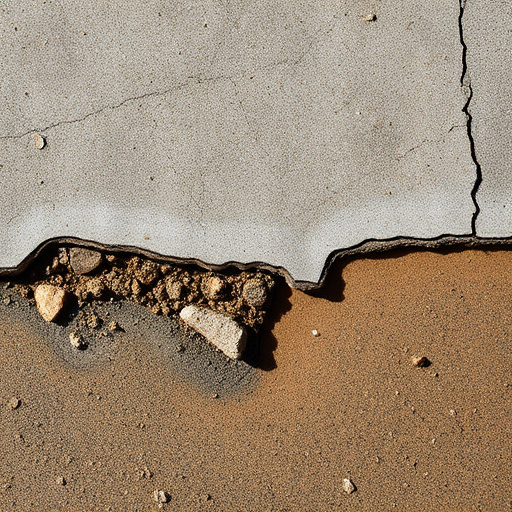
In the arid climate of the Catalina Foothills, tile roofs are a popular choice for their durability and aesthetic appeal. However, a common issue that arises with these installations is the premature degradation of the tile underlayment. Understanding why this occurs involves examining several factors that accelerate underlayment wear and tear.
One primary culprit is the unique combination of intense sunlight and varying temperatures experienced in flat tile profiles. Over time, this can cause the underlayment, often made of paper or synthetic materials, to weaken and become brittle. S tile profiles, with their greater headlap and coverage, require more robust underlayments due to increased foot traffic and potential wind damage. Yet, even with these considerations, the underlayment beneath S tiles may still degrade faster than the tiles themselves, particularly in areas subject to power outages and subsequent power washing.
The installation process plays a significant role. Improper nailing patterns, inadequate mortar set or dry ridge installation, and the use of subpar materials can all contribute to underlayment failure. Tile clips, meant to secure tiles and distribute weight, can be ineffective if not properly spaced, leading to increased stress on the underlayment. Conversely, a well-executed two-layer underlayment system, with a breathable membrane beneath the primary layer, can significantly extend its lifespan.
Regular maintenance, including cleaning tile roofs safely and applying appropriate sealers, can mitigate these issues. Homeowners' Associations (HOAs) and local building departments, such as those in Oro Valley, often provide care checklists specific to tile roofs. Consulting with a licensed Arizona roofer specializing in tile roofs can offer tailored solutions, ensuring the longevity of both the underlayment and the roof itself. By addressing these factors and implementing best practices, homeowners can protect their investments and enjoy the enduring beauty of their tile roofing.
When to Replace: Tile Headlap Considerations
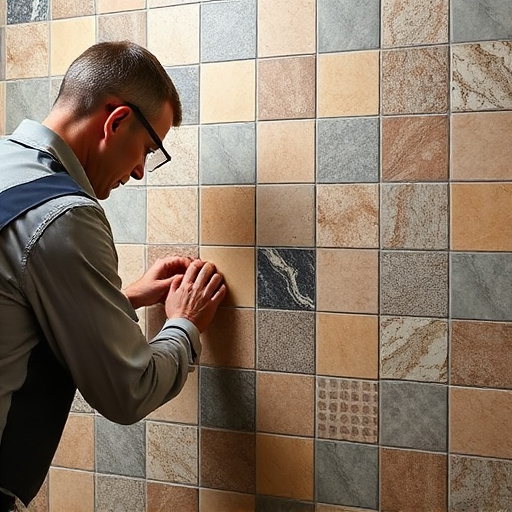
One of the most common issues we, as a licensed Oro Valley area roofing contractor, encounter with tile roofs is not the tile itself but the underlayment, which often fails before the tiles do. The primary culprit is the tile headlap and coverage-the portion of the tile that overlaps the underlayment. This area is particularly vulnerable to damage from foot traffic, debris, and weather conditions, especially in the harsh desert climate. Clay tile, for instance, is heavy and requires a substantial underlayment to support its weight, whereas synthetic underlayments offer more flexibility but may not be adequate for some installations.
The lifespan of a tile roof underlayment depends on several factors, including the quality of the underlayment material, the installation method, and the environmental conditions. A dry ridge system, for example, is designed to keep water out, but over time, the materials used in the ridge can degrade, leading to leaks. When replacing an underlayment, it's crucial to consider a two-layer system for enhanced protection. The first layer provides a water-resistant barrier, while the second acts as a secondary backup, increasing the overall durability of the roof.
Regular inspection is key to identifying when to replace the underlayment. Look for signs of efflorescence on concrete tiles, which indicate a possible problem with moisture penetration. Also, be vigilant about tile batten rot, a common issue caused by prolonged exposure to water and sunlight. As a rule of thumb, if you notice significant wear or damage in the headlap area, or if your roof is older than 10-15 years, it's wise to consult with a roofing professional. Remember, a well-maintained tile roof starts with a robust underlayment that can withstand the elements and protect your investment.
Best Practices for Longevity: Coverage and Installation Tips
One of the most common issues homeowners face with tile roofs is underlayment failure, often occurring before the tile itself shows signs of wear. This isn't just an aesthetic problem; a weakened underlayment can compromise the entire roof structure, leading to leaks, damage, and costly repairs. Understanding why this happens and implementing best practices during installation can extend the life of your tile roof significantly.
The primary culprit is inadequate tile headlap and coverage. This refers to the overlap of adjacent tiles and the underlayment material beneath them. Insufficient coverage allows moisture to penetrate, leading to rot, mold, and eventual disintegration of the underlayment. In our desert climate, this is further exacerbated by intense UV radiation which can degrade synthetic underlayments and cause them to shrink, tear, or become brittle. When this happens, the underlayment no longer provides a smooth, sealed surface for the tile to be securely fastened, creating weak points that can lead to leaks.
A roofing contractor serving Oro Valley and Marana recommends these strategies to ensure optimal underlayment lifespan: Use a high-quality, synthetic underlayment designed for tile roofs, offering superior water resistance and UV protection. Ensure proper ridge mortar application, filling the gap between the tile and the roof's peak for maximum water shedding and structural support. Pay close attention to tile headlap; it should be at least 3/4" for adequate coverage. Use a two-layer underlayment system for increased durability, with a layer of synthetic underlayment underneath and a thicker, more protective layer on top. Finally, inspect your underlayment regularly, replacing any damaged or degraded sections promptly.
By prioritizing these best practices during installation, homeowners can significantly reduce the risk of underlayment failure, ensuring a durable and attractive tile roof that stands the test of time, even in the demanding Oro Valley climate.
Frequently Asked Questions About an explainer on why tile underlayment wears out before the tile does
Why does tile underlayment fail before the tiles themselves?
Tile underlayment, while crucial for moisture protection and tile stability, is subject to constant stress. Unlike tiles, which are protected by grout and sealed surfaces, underlayment is constantly exposed to moisture, fluctuations in temperature, and movement from thermal expansion and contraction. Over time, these elements can weaken the underlayment's fibers, leading to cracking, delaminating, and eventual failure, often long before the tiles show signs of wear.
What types of underlayments are most susceptible to early failure?
While all tile underlayments have a limited lifespan, certain types are more prone to premature degradation. Fiberglass mat underlayments, for instance, are lightweight but can become brittle and susceptible to mold growth over time. Foam underlayments, while durable, can be sensitive to temperature extremes and may become damaged during installation or due to prolonged exposure to sunlight. Choosing the right underlayment for your specific application and climate is crucial.
How can I extend the lifespan of my tile underlayment?
Proper installation is key. Ensure a level subfloor, follow manufacturer recommendations for thickness and overlap, and use appropriate fasteners. Regular inspection is also important. Look for signs of moisture damage, cracks, or delamination, addressing any issues promptly. Using a high-quality, moisture-resistant underlayment and sealing it properly can significantly enhance its durability.
What are the signs that my tile underlayment is failing?
Early warning signs include visible cracks or delamination of the underlayment, mold or mildew growth, warping or uneven tiles, and excessive moisture accumulation beneath the tiles. If you notice any of these issues, it's crucial to consult a professional roofer or tile specialist to assess the extent of the damage and recommend a solution.
Will replacing the underlayment also require replacing the tiles?
Not necessarily. If the underlayment failure is localized, it may be possible to replace only the underlayment while keeping the tiles intact. However, if there is widespread damage or moisture intrusion, tile removal and replacement might be required to prevent further issues. A qualified contractor will evaluate the situation and recommend the best course of action.
As we've explored, tile underlayment plays a crucial role in protecting your roof system, but its lifespan can be significantly shorter than that of the tiles above it. Understanding the factors that accelerate underlayment degradation, such as intense desert heat, foot traffic, and efflorescence, is key to maintaining a robust and durable roof.
When considering tile headlap and coverage, remember that a two-layer underlayment system offers enhanced protection. Proper nailing patterns, adequate coverage, and the use of appropriate clips in high wind conditions are best practices for longevity. Regular cleaning and inspection, along with the right sealer, can also significantly extend the underlayment's life.
By prioritizing these key areas, you'll ensure that your tile roof, from its underlayment to every tile, remains a reliable and aesthetically pleasing component of your home or property. A well-maintained underlayment can prevent costly repairs and preserve the value of your investment, making it a critical aspect of any roofing project in flat tile profiles.
Tile roofs' longevity often depends on the overlooked underlayment. This layer, between tiles and the deck, protects against moisture, foot traffic, and weather. However, it degrades faster than tiles due to UV exposure, foot traffic, and installation issues. Key factors:
- Tile Headlap and Coverage: Adequate overlap ensures tile security and underlayment protection.
- Underlayment Material: Quality and type matter, especially in the harsh desert climate.
- Installation: Proper nailing, gluing, and ridge systems prevent stress points and leaks.
- Maintenance: Regular inspection and replacement extend the underlayment's lifespan.
A well-maintained, high-quality underlayment is crucial for a durable tile roof, protecting your investment from both aesthetics and structural damage.