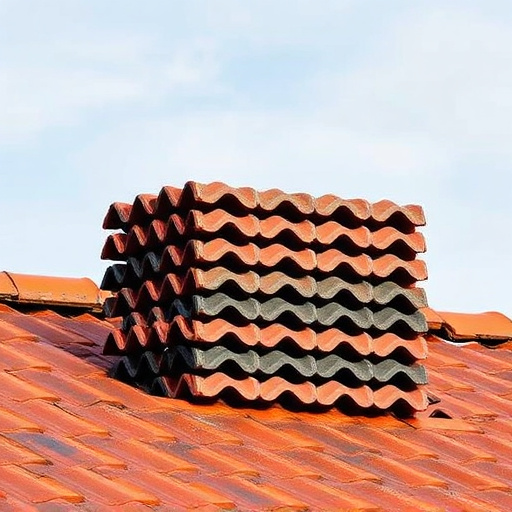
Tile roofing is a popular choice for homes in flat tile profiles like Oro Valley, offering durability and aesthetic appeal. However, tile roofs come with a range of costs, from repairs to new underlayment, that can be daunting for homeowners. This article provides a plain language look at these expenses, helping you understand the drivers behind tile roof costs and making informed decisions. We'll examine the differences between S tile and flat tile profiles, the impact of desert heat, and various factors influencing underlayment lifespan, offering concrete guidance from local roofing contractors and building departments like the Oro Valley Building Department. By the end, you'll have a comprehensive understanding of tile roof care and maintenance, design options, and cost considerations.
- Understanding Tile Roof Costs: The Big Picture
- Tile Roof Repairs: When and How to Replace Tiles
- Flat Tile Profiles: Installation, Cost, and Maintenance
- New Underlayment: Protecting Your Roof, Budgeting for Repairs
Understanding Tile Roof Costs: The Big Picture
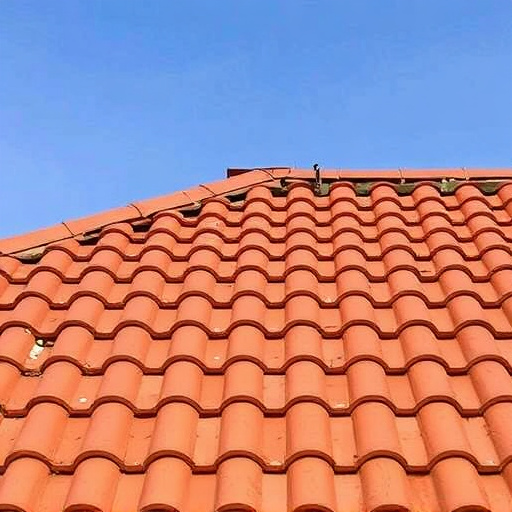
Understanding the financial commitment involved in tile roofing is crucial for any homeowner. The choice between S tile and flat tile profiles is a significant factor in determining cost, with S tiles traditionally more expensive due to their intricate design and clay composition. In the desert heat, concrete tile has gained popularity for its durability and cost-effectiveness compared to clay. A roofing contractor serving Oro Valley and Marana might recommend concrete tile for its ability to withstand extreme temperatures without compromising structural integrity.
When considering a new tile roof or repairs, the underlayment plays a critical role in both functionality and cost. A dry ridge system, a common underlayment option, offers benefits like wind resistance and reduced heat transfer, but it comes at a price premium over traditional underlayments. For a typical mid-sized home, expect to pay anywhere from $20 to $40 per square foot for a high-quality dry ridge system. By contrast, a two-layer underlayment system, while slightly more labor-intensive, can be more economical for smaller projects or those on a tighter budget.
Tile roof design and aesthetics, often influenced by local architectural styles like Santa Fe, can significantly impact material costs. Complex Spanish mission tile homes, for example, may require specialized tile and labor, driving up overall expenses. Conversely, more straightforward designs can lead to savings. Factors like foot traffic, sunlight exposure, and neighborhood regulations (e.g., HOA rules) can affect the longevity of the roof and, consequently, the overall cost of ownership. Regular cleaning and maintenance, including addressing efflorescence on concrete tile or pest entry points, are essential for preserving the roof's performance and extending its lifespan.
Tile Roof Repairs: When and How to Replace Tiles
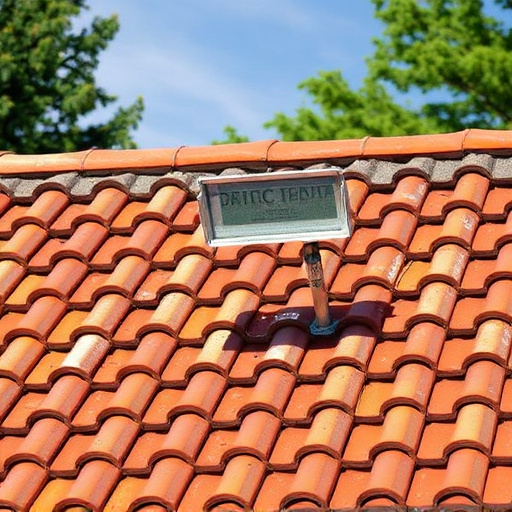
Tile roof repairs can range from replacing a single damaged tile to extensive work on an entire roof. When deciding when to repair or replace your tile roof, it's essential to understand the difference between S tile and flat tile profiles. In the Oro Valley area, with its abundant Spanish Colonial Revival architecture, repairs often involve replacing barrel tiles, a characteristic feature of these historic homes, found in neighborhoods like Rancho Vistoso.
The condition of your underlayment plays a crucial role in determining the extent of the repair. Two-layer underlayment systems, for instance, can extend the lifespan of your roof, but they require more meticulous installation and maintenance. Over time, the underlayment can deteriorate, leading to issues like efflorescence on concrete tiles, which is the white powdery substance that can appear due to mineral deposits. This problem is more prevalent in desert climates, like ours, where the heat can accelerate the aging process of tile and underlayment.
When repairs are necessary, homeowners should consider the type of damage. Foot traffic, for example, can cause tiles to chip or crack, while wind and debris can also do significant harm. Regular cleaning and maintenance, including inspecting for pest entry points, can help prevent some of these issues. However, if damage is severe, replacing entire sections of the roof may be the best option. A roofing contractor serving Oro Valley and Marana, for instance, might recommend a complete roof replacement if the tiles are severely sun-faded or if the nailing patterns and battens are significantly damaged, such as from rot.
In the case of a repair, a skilled roofer will assess the damage, replace missing or damaged tiles and underlayment, and ensure proper flashing at side walls and valleys. This work is particularly crucial in areas prone to power outages, where local utility companies might not promptly restore power. With the right sealers and coatings, homeowners can protect their tile roofs from heat transfer, noise, and wind damage, prolonging the overall lifespan of their roof and preserving the aesthetic appeal of their Spanish Colonial home.
Flat Tile Profiles: Installation, Cost, and Maintenance
Flat tile profiles, a popular choice in the Oro Valley area, present a unique set of considerations for installation, maintenance, and cost compared to their S tile counterparts. These durable, individual tiles offer a distinct aesthetic, particularly well-suited for the region's Spanish Colonial Revival and Rancho Vistoso-style homes. However, proper installation and ongoing care are crucial to ensure their longevity.
When considering a new installation, the cost of flat tile profiles varies based on factors like tile material-clay or concrete-and the complexity of the roof design. On average, expect to pay between $10 and $20 per square foot, with labor costs adding significantly. A 1,500-square-foot roof could range from $15,000 to $30,000, not including underlayment and other materials. The process involves specialized skills, such as proper nailing techniques and ensuring adequate headlap and coverage, which an experienced Oro Valley roof specialist can expertly manage. Maintaining this type of roof requires regular inspections and cleaning to prevent issues like efflorescence, a white powdery substance that can stain tiles, and debris buildup in the valleys.
Over time, flat tile profiles may require replacement due to normal wear and tear, especially in areas prone to foot traffic or extreme weather. Battens, the wooden or metal strips that support the tiles, can also rot or become damaged, necessitating repair or replacement. An important aspect of maintenance is also addressing any pest entry points that may develop under the tiles. Regular checks by a local roofing contractor can help catch these issues early. An effective underlayment system, consisting of multiple layers, further protects against potential problems, extending the life of the roof. Remember, proper installation and ongoing care are key to ensuring the longevity and beauty of flat tile profiles on your Oro Valley property.
New Underlayment: Protecting Your Roof, Budgeting for Repairs
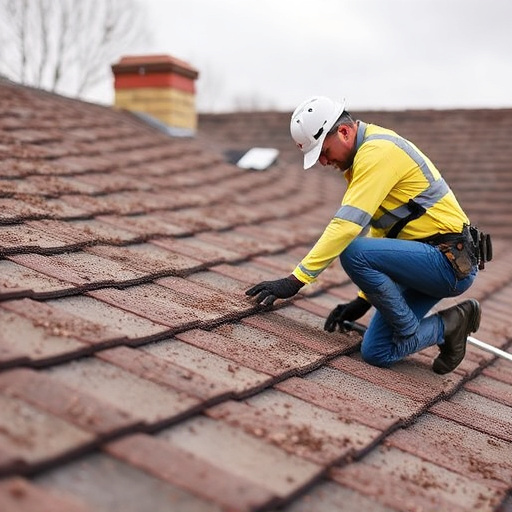
When considering a new underlayment for your tile roof in Oro Valley, understanding the costs and options is crucial. A roofing contractor serving Oro Valley and Marana will often recommend replacing underlayment as part of routine roof maintenance, especially in the Rancho Vistoso area where flat tile profiles are the norm. This is because underlayment serves as a crucial barrier between your roof tiles and the elements, protecting against water intrusion, mold growth, and structural damage.
The cost of new underlayment varies based on several factors, including the type of underlayment chosen and the size of your roof. Synthetic underlayments, like synthetic felt, are generally less expensive than fiberglass or foam options, which offer enhanced durability and better protection. Your contractor may also suggest a two-layer underlayment system for added strength and protection, especially if your roof is subject to heavy foot traffic or high wind. This extra layer can significantly impact the overall cost, so it's a decision that should be made in consultation with a local roofing expert.
Choosing the right underlayment is an investment in the longevity of your tile roof. Proper installation, guided by a seasoned contractor, ensures that your roof remains protected against common issues like efflorescence on concrete tiles, tile batten rot, and pest entry points. Understanding tile nailing patterns and headlap coverage recommended by manufacturers will help ensure your underlayment is installed correctly, reducing the risk of future repairs. Remember, a well-maintained tile roof, with a robust underlayment, can protect your home for years to come, preserving its value and beauty.
Frequently Asked Questions About a Plain Language Look at Tile Roof Costs, from Repairs to New Underlayment
What are the typical costs involved in repairing a tile roof?
Tile roof repairs can range from $200 to $1,500, depending on the extent of the damage. Common issues like missing or broken tiles, damaged underlayment, or leaks may require partial repairs, with labor and material costs varying accordingly. Major repairs, such as replacing entire sections or fixing extensive water damage, will fall at the higher end of this range or even exceed $1,500. DC Roofing of Arizona, a licensed Oro Valley area roofing contractor, advises that timely repairs can prevent further damage and more costly replacements.
How often should I consider replacing my tile roof underlayment?
Underlayment typically lasts 20 to 30 years but may need replacement before then due to wear, tear, or damage. If you notice signs of moisture, mold, or excessive granule loss, it's time to consider a replacement. A new underlayment can protect your home from leaks and extend the life of your roof, with installations usually taking one to two days.
Are there different types of tile roofing materials, and do they affect cost?
Yes, tile roofing includes flat tile profiles made from clay, concrete, or composite materials. Clay tiles offer a traditional aesthetic but are more expensive and heavier, potentially increasing labor costs. Concrete and composite tiles are more affordable and lighter, but their durability and appearance differ. Composite tiles, for instance, mimic the look of wood shakes, providing a cost-effective alternative to traditional materials.
How much does it cost to replace a tile roof completely?
The cost to replace a tile roof varies widely based on the size and condition of your home, local labor rates, and the type of tiles chosen. In the Oro Valley area, a complete tile roof replacement typically ranges from $10,000 to $15,000, but can exceed $20,000 for larger homes or premium materials. A roofer with an Arizona ROC license will provide accurate estimates tailored to your specific needs.
What factors influence the labor cost of tile roof repairs and replacements?
Labor costs for tile roof work depend on several factors. The complexity of the repair or replacement, roof accessibility, and the size of the project all play a role. In Oro Valley and Marana, labor rates for roofing contractors generally range from $50 to $100 per hour, with smaller jobs potentially having a higher per-hour rate due to the time investment.
Should I DIY tile roof repairs, or should I hire a professional?
While some tile roof repairs, like replacing a single tile, may be DIY-friendly, complex repairs and replacements are best left to professionals. A licensed roofing contractor, like DC Roofing of Arizona, has the expertise and equipment to ensure safe, effective, and long-lasting repairs. Professionals also provide peace of mind, warranties, and adherence to local building codes.
When considering a tile roof, understanding the costs involved-from repairs to underlayment-is crucial for any homeowner. The article has examined the intricacies of tile roofing, highlighting key insights for informed decision-making.
For repairs, S tile vs flat tile profiles play a significant role in determining the extent of work required. Clay tiles, though aesthetically pleasing, can be more susceptible to damage in the harsh desert climate, leading to costly replacements. In contrast, flat tile profiles, with their durable concrete composition, often require less frequent repairs, making them a cost-effective option in the long run.
The article emphasizes the importance of new underlayment, a protective layer that extends the life of any roof. Two-layer underlayment systems, for example, offer superior protection against foot traffic, debris, and even pests. This investment can prevent costly damage and reduce the need for frequent repairs, making it a valuable addition to any roof replacement project.
In terms of maintenance, proper cleaning and sealing techniques are essential. The article guides homeowners on safe cleaning practices and explores the pros and cons of various tile roof sealers, ensuring the roof remains in top condition. Understanding nailing patterns, edge metal, and batten rot can help in identifying potential issues and planning for future repairs.
By synthesizing these key learnings, homeowners are empowered to make informed choices. Whether considering a new roof or repairs, understanding the dynamics between S tile vs flat tile profiles and the role of underlayment can significantly impact overall costs. This practical knowledge, backed by the expertise of local roofing contractors and industry associations like the Arizona Solar and Roofing Association, positions homeowners to confidently navigate the tile roof care landscape.
Tile Roof Costs and Considerations in Oro Valley
- S Tile vs Flat Tile Profiles: Clay S tiles are traditionally more expensive due to their intricate design. Concrete tiles, popular for durability and cost-effectiveness in desert heat, can be a cost-saving option.
- Underlayment Impact: Dry ridge systems offer wind resistance and heat transfer reduction but come at a premium. Two-layer underlayments are more economical, requiring slightly more labor, ideal for smaller projects or budget-conscious homeowners.
- Aesthetic and Budget Factors: Complex architectural designs like Spanish mission style increase tile and labor costs. Simpler designs save money. Foot traffic, sunlight, and HOA rules affect roof longevity and cost.
- Maintenance and Longevity: Regular cleaning, pest control, and efflorescence management are vital. Two-layer underlayments extend roof life. Preventive care reduces the need for extensive repairs or total roof replacements.
- Repair vs. Replacement: Damage assessment guides repairs or replacements. Severe sun damage or nailing pattern issues may require total roof replacement. Skilled roofers ensure proper flashing and protective coatings.