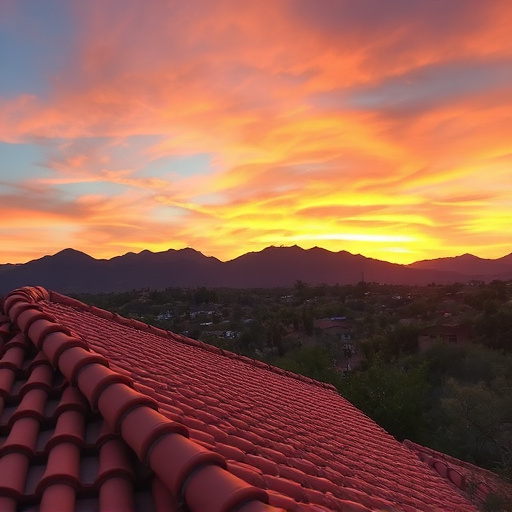
Tile roofing is a popular choice for homes in flat tile profiles like Oro Valley, Arizona, thanks to its durability and aesthetic appeal. However, the desert heat presents unique challenges, affecting everything from color fading and efflorescence to the structural integrity of the roof under extreme foot traffic. Concrete and clay tiles, two common options, each have their strengths and weaknesses in this harsh environment. This article examines the practical comparison of concrete versus clay tile roofs, offering insights into everything from installation and maintenance to the potential for tile roof foot traffic damage and how to mitigate it. By the end, homeowners and local roofing contractors alike will have a clear understanding of the best choice for their properties.
- Choosing Between Concrete and Clay: Desert Heat Considerations
- Durability Analysis: Concrete vs. Clay Tile Resistance to Heat
- Maintenance and Longevity: Addressing Foot Traffic and Weather Impact
- Energy Efficiency and Tile Roof: Natural Solutions for Desert Climate
Choosing Between Concrete and Clay: Desert Heat Considerations
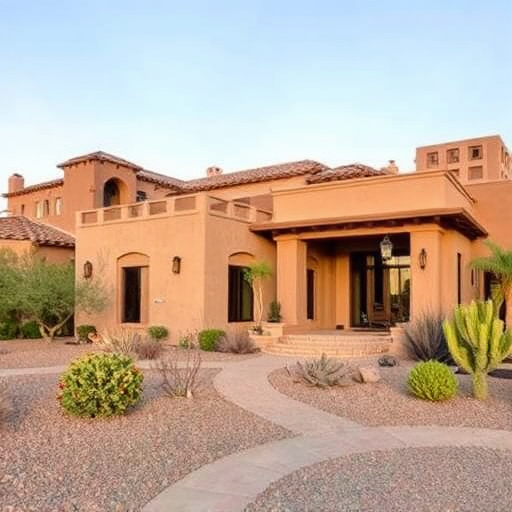
In the rugged, sun-baked landscape of the Catalina Foothills, the choice between concrete and clay tile roofing is a critical decision for homeowners. Desert heat presents unique challenges that can impact both types of tile, but understanding the differences can help you make an informed choice to mitigate potential issues, including tile roof foot traffic damage.
Concrete tile, known for its durability and fire resistance, offers a robust option for desert environments. While it can withstand extreme temperatures, concrete is heavier than clay, posing challenges during installation, especially on older structures. This weight can also lead to increased structural stress, particularly with heavy foot traffic. To mitigate these concerns, a local roofing company serving Oro Valley recommends reinforcing trusses and framing to support the additional weight. Proper underlayment, typically a two-layer system, is crucial for concrete tile to protect against efflorescence, a white crusting that can result from moisture absorption and evaporation.
Clay tile, on the other hand, is a traditional, aesthetically pleasing option that has been a staple in Spanish Colonial Revival architecture. While it offers a lighter weight, clay tile is more susceptible to heat-related damage. Extreme temperatures can cause clay tiles to expand and contract, leading to potential warping, cracking, and even tile foot traffic damage. To combat these issues, expert roofers suggest regular cleaning to remove dirt and debris that can accelerate damage, as well as the use of specific tile roof sealers that protect against heat and UV exposure. In areas prone to high winds, proper nailing patterns and the use of tile clips are essential to secure the roof against flying debris.
Considerations for both concrete and clay tile in desert heat highlight the importance of proper installation, regular maintenance, and the choice of suitable materials. Using a mortar set instead of a dry ridge can offer additional protection against heat-related expansion and contraction, while ensuring a tighter seal. When replacing or installing tile roofs on additions, careful planning is crucial to maintain the structural integrity of the building, especially when combining different types of tile or materials.
Durability Analysis: Concrete vs. Clay Tile Resistance to Heat
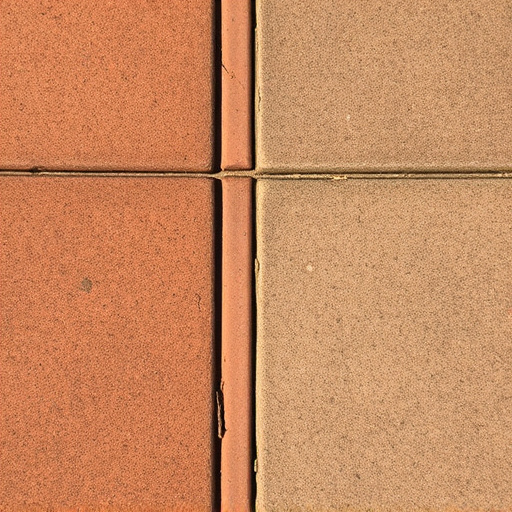
In the harsh conditions of a desert climate, the durability of tile roofs is paramount. When comparing concrete and clay tile, the resistance to heat is a critical factor, as excessive heat can accelerate deterioration and cause damage from foot traffic.
Concrete tile roofs offer superior durability in high-heat environments. They are known for their exceptional heat resistance, making them less susceptible to warping, cracking, or breaking under intense sun exposure. Unlike clay tiles, concrete tiles are not as prone to efflorescence, a process where mineral deposits leave white or gray stains on the surface. This makes concrete tiles a practical choice for areas experiencing high temperatures, as they maintain their aesthetic appeal with less maintenance. Concrete tiles are heavier, providing added structural support and reducing the risk of tile damage from strong winds or foot traffic.
In contrast, clay tiles, while aesthetically pleasing, are more vulnerable to heat-related issues. They can be susceptible to sun fading, where prolonged exposure to sunlight causes the tile's color to lighten or fade. Clay tiles also tend to absorb heat more readily, leading to increased temperatures on the roof surface. This can result in a warmer attic space, impacting energy efficiency. When exposed to foot traffic, clay tiles are more prone to damage, especially in high-traffic areas. The ridge mortar, the cement or masonry used to join tiles at the ridge, can be a weak point, leading to leaks if not properly sealed.
A roofing contractor serving Oro Valley and Marana may recommend concrete tiles for their durability and longevity, especially in areas prone to intense desert heat. When considering a tile roof replacement or new installation, homeowners should consult with local experts who can advise on the best material choice based on their specific climate and building design.
Maintenance and Longevity: Addressing Foot Traffic and Weather Impact

The harsh desert climate presents unique challenges for tile roofing, especially for maintenance and longevity. In Oro Valley and Marana, where UV exposure is intense, both concrete and clay tile roofs are subjected to foot traffic, weather patterns, and other environmental factors that can impact their durability. This section examines the specific concerns surrounding tile roof foot traffic damage, offering insights into how these two tile types stand up under pressure.
Concrete tile, known for its durability, often proves resistant to foot traffic damage. Its dense composition can withstand heavy weight and repeated impacts, making it ideal for areas with high pedestrian activity. However, concrete tiles can be more prone to chipping along edges if not properly installed or maintained. A roofing contractor serving Oro Valley and Marana suggests regular inspection and sealing to protect against efflorescence, which, while not damaging, can affect the aesthetic appeal. A well-maintained concrete tile roof can last 30 years or more with minimal maintenance, making it a smart choice for areas with heavy foot traffic like pool decks or high-traffic residential walkways.
Clay tile, on the other hand, is more susceptible to foot traffic damage due to its lighter weight and somewhat fragile nature. While clay tiles offer aesthetic appeal and are less prone to efflorescence, they can crack or break under heavy pressure. To mitigate this risk, proper nailing patterns and the use of durable underlayments are crucial. The Arizona Solar and Roofing Association recommends a two-layer underlayment system to provide an extra layer of protection. Using tile clips in high-wind areas can enhance the roof's overall strength and resistance to debris, protecting against potential damage from falling objects.
Regular maintenance matters in extending the lifespan of both concrete and clay tile roofs. Re-nailing loose tiles, repairing cracks, and replacing damaged battens (a key component in tile roof construction) can prevent minor issues from escalating. The Oro Valley Building Department emphasizes the importance of a proper tile headlap and coverage to ensure water runs off effectively, reducing the risk of water damage and tile degradation. In areas prone to power outages, local utility companies suggest keeping spare tiles and tools readily available for quick repairs, as timely maintenance can significantly extend the life of your tile roof.
Energy Efficiency and Tile Roof: Natural Solutions for Desert Climate
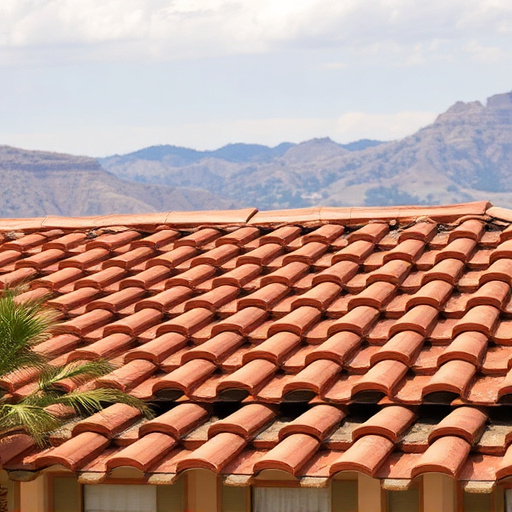
The energy efficiency of a tile roof is a critical consideration in the arid heat of Oro Valley. When comparing concrete and clay tile, the latter has traditionally been favored for its lower cost and ease of installation. However, in this desert climate, concrete tile offers distinct advantages that can significantly improve a home's energy performance and overall roof health.
One of the key benefits of concrete tile is its superior resistance to thermal expansion and contraction. This characteristic minimizes the risk of damage from extreme temperature fluctuations, which are common during the day and night in the summer and winter. In contrast, clay tile can be more susceptible to cracking and warping due to heat absorption and subsequent cooling, leading to potential leaks and increased energy loss. Concrete tile is more dense, effectively blocking heat transfer to the interior of the home. This results in a cooler attic space and, consequently, reduces the workload on air conditioning systems, lowering energy consumption.
A well-designed tile roof, using a two-layer underlayment system, can withstand significant foot traffic, a common issue in households with children or pets. Concrete tile, with its robust construction, is particularly resistant to damage from heavy wear. Unlike clay tile, which can be more delicate and prone to chipping, concrete tiles offer longevity and durability, reducing the need for frequent repairs. An experienced Oro Valley roof specialist recommends inspecting the roof's underlayment regularly, ensuring proper headlap and coverage, and using appropriate nailing patterns to prevent tile shifting, all of which contribute to a tile roof's overall energy efficiency and longevity in the desert heat.
Frequently Asked Questions About a Comparison of Concrete and Clay Tile in Desert Heat
What are the key differences between concrete and clay tile roofs in hot climates like the desert?
Concrete tile roofs offer superior durability and strength in desert heat. They are less prone to warping, cracking, or breaking due to extreme temperatures, making them a more long-lasting option. Clay tiles, while aesthetically pleasing, are more susceptible to heat-related damage. In desert heat, clay tiles can expand and contract significantly, leading to potential gaps and leaks over time.
Which material is better for energy efficiency in a desert environment?
Concrete tile roofs generally outperform clay tiles in energy efficiency. Their dense composition helps insulate the home, reducing the need for air conditioning. In contrast, clay tiles have a lower R-value (a measure of insulation effectiveness) and can absorb and retain heat, contributing to increased indoor temperatures. This can lead to higher energy bills during the hot summer months.
How do concrete tiles handle the UV exposure common in desert regions?
Concrete tiles are highly resistant to UV damage. The dense material does not absorb UV rays like clay tiles, which can fade and crack under intense sun exposure. DC Roofing of Arizona, a local Oro Valley area roofing contractor, often recommends concrete tiles for their superior UV resistance, ensuring a roof that maintains its integrity and appearance for years.
Which material is more cost-effective for a desert home?
While the initial cost of clay tiles might be lower, concrete tiles offer a better long-term value. Their durability and resistance to heat-related damage mean they require less frequent replacement. Over the lifespan of a home, concrete tiles can be a more economical choice.
Can concrete tiles handle high winds, a common weather event in desert storms?
Yes, concrete tiles are designed to withstand high winds, making them a suitable choice for desert regions prone to storms. Their weight and structure provide excellent wind resistance, ensuring the roof remains secure during intense weather conditions.
When choosing between concrete and clay tile roofs in desert climates, understanding their unique properties and long-term impacts is crucial. Concrete tiles have proven superior in heat resistance, offering durability against the intense desert sun. While clay tiles, despite their aesthetic appeal, are more susceptible to heat-related damage, such as efflorescence and sun fading. Maintenance matters in longevity; concrete tiles, though heavier, are less prone to foot traffic damage and debris buildup in valleys, reducing the risk of tile clips failing in high winds. Regular cleaning and a well-installed underlayment system, utilizing two layers for enhanced protection, can mitigate potential roof edge metal rot and tile batten issues. These insights empower homeowners and contractors alike to make informed decisions, ensuring tile roofs provide both beauty and durability in challenging desert environments, with proper care and consideration of tile roof foot traffic damage.
In the desert climate of Oro Valley, choosing between concrete and clay tile roofs involves understanding their distinct pros and cons. Concrete tile excels in heat resistance, durability, and foot traffic damage prevention, but is heavier and may require reinforcement. Clay tile is lighter, aesthetically pleasing, but more susceptible to heat-related damage, efflorescence, and foot traffic issues. Both require proper installation, maintenance, and regular inspections. Concrete is recommended for high-traffic areas and energy efficiency, while clay is cost-effective and traditional, but may need more frequent repairs.