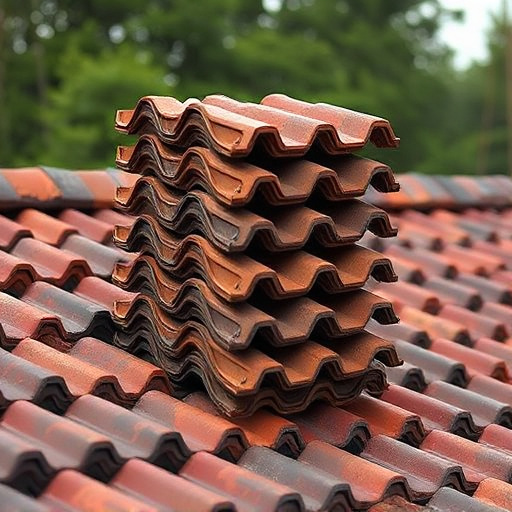
Tile roofs are a popular choice for Oro Valley homeowners seeking a durable, aesthetically pleasing exterior. However, the region's harsh desert climate presents unique challenges, from intense sunlight that can fade tile colors to the fire resistance required in such flammable environments. Concrete tile profiles, though robust, can become hot in the sun, necessitating proper underlayment and ventilation to manage heat transfer and avoid damage from foot traffic. This guide offers practical, expert-backed advice on navigating these complexities, from installation best practices to maintenance tips, ensuring your tile roof stands strong against the test of time and the Arizona heat.
- Understanding Tile Roof Basics in Oro Valley
- Choosing Fire-Resistant Tiles: Natural Options
- Installation: Step-by-Step Guide for Homeowners
- Maintenance & Longevity: Protecting Your Tile Roof
Understanding Tile Roof Basics in Oro Valley
Understanding Tile Roof Basics in Oro Valley
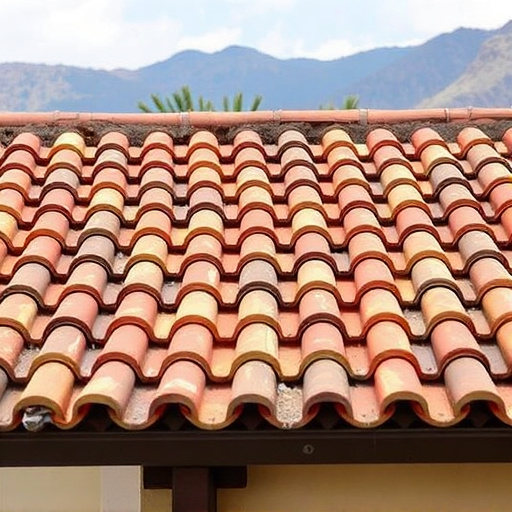
Tile roofing is a popular choice for homeowners in Oro Valley, thanks to its durability, low maintenance, and aesthetic appeal. When considering a tile roof, it's crucial to understand the fundamentals. One key aspect is the distinction between flat tile profiles and their curved counterparts. In the arid climate of Oro Valley, curved tiles, often made of concrete, are generally preferred due to their superior heat resistance compared to clay tiles. This is crucial because UV exposure in the desert can cause sun faded tile colors and, over time, weaken clay tiles. Concrete tiles, on the other hand, are more robust against efflorescence, a white powdery substance that can accumulate on concrete surfaces when exposed to moisture, and they retain their color better under intense sunlight.
fire resistance is a significant benefit of tile roofs. Tile is a non-combustible material, making it an excellent choice for areas prone to wildfires, like Oro Valley. The headlap-the overlapping portion of tiles-and bird stop (a small piece that prevents birds from nesting under the tiles) contribute to the roof's overall integrity and fire safety. When installed correctly, tile roofs provide a robust barrier against flames, offering peace of mind for homeowners.
Installation and maintenance go hand in hand. Local roofing contractors, like those at DC Roofing of Arizona, serving Oro Valley and Marana, emphasize proper underlayment, nailing patterns, and ridge caps (either mortar set or dry ridge) for optimal performance. Two-layer underlayment systems are recommended for added protection against foot traffic damage and weather-related issues. Regular cleaning, sealing, and inspections, especially after severe weather or power outages (when local utility companies may shut off power), are essential to maintain the roof's integrity and fire resistance. A roofing contractor can advise on the best sealers to use, balancing water repellency against breathability to prevent tile roof and attic heat buildup. Lastly, proper storage of spare tiles and routine checks for tile batten rot and pest entry points are vital to the long-term health of your tile roof.
Choosing Fire-Resistant Tiles: Natural Options

When choosing materials for your Oro Valley home, prioritizing fire resistance is a smart decision. In a region prone to dry, hot climates like ours, selecting the right tile can significantly enhance your property's safety. Fire-resistant tiles offer not only peace of mind but also meet the strict building codes enforced by the Oro Valley Building Department.
For a natural option, consider clay or concrete tiles. Both materials have proven fire-resistant properties, but they perform differently in desert heat. Clay tiles, known for their traditional aesthetic, have excellent heat resistance but may expand and contract with temperature changes, potentially leading to damage from foot traffic. Concrete tiles, on the other hand, are robust and stable. They are a popular choice for Spanish Colonial Revival architecture, a style that thrives in Oro Valley's climate. Concrete is less susceptible to heat-related expansion, making it a durable option for fire safety.
A licensed Oro Valley area roofing contractor recommends the dry ridge system for installing fire-resistant tile roofs. This system, featuring a dry ridge instead of mortar set, offers enhanced protection against fire and water damage. The dry ridge allows for better air circulation, reducing the risk of heat build-up beneath the tiles. This method is compatible with two-layer underlayment systems, providing extra strength and longevity. Remember, proper installation is key; consult with local experts who understand the unique requirements of tile roofs in our region.
When maintaining your fire-resistant tile roof, consider these tips. Regularly inspect battens, ensuring they are secure and free from rot, which can compromise the roof's integrity. Keep tile flashing intact at side walls and valleys to prevent debris buildup, a potential fire hazard. Lastly, store spare tiles safely, away from direct sunlight, to maintain their quality. By choosing fire-resistant tiles and implementing these care practices, you contribute to the overall safety of your Oro Valley home.
Installation: Step-by-Step Guide for Homeowners
Installing a tile roof on your Oro Valley home is a significant investment, and proper installation is crucial for its long-term performance and fire resistance. Here's a step-by-step guide designed for homeowners considering this durable roofing option, drawing from the expertise of a licensed Oro Valley area roofing contractor.
Step 1: Planning and Preparation
Before you begin, understand your local building codes and consult with your homeowner's association (HOA) to ensure your design aligns with community guidelines, especially for homes featuring Spanish Colonial Revival or Santa Fe architectural styles. Prepare your property by clearing the roof area of debris and securing any loose items. This step ensures safe working conditions and prevents damage during the installation process.
Step 2: Underlayment Selection and Installation
The first layer beneath the tiles is the underlayment, which provides a secondary barrier against water intrusion. For desert climates, a two-layer underlayment system is recommended. This involves using a synthetic underlayment as a primary layer, providing a slip-resistant surface and additional protection against UV damage. Over this, install a traditional felt underlayment, ensuring proper overlap and sealing at the edges. This dual-layer approach offers superior fire resistance and enhanced protection against extreme desert conditions.
Step 3: Tile Installation
Begin installing tiles from the gutters toward the center of the roof. Use a nailing pattern that ensures proper coverage and headlap, where tiles overlap to protect the underlayment. For added durability, consider tile clips in areas prone to high winds. Ensure tiles are properly fastened at each joint, and use mortar for a secure, lasting bond.
Step 4: Flashing and Ridge Work
After completing the main tile installation, apply tile flashing at side walls, valleys, and other areas prone to water accumulation. This step further reinforces the roof's water-resistant properties. For the ridge, opt for dry ridge or mortar set methods, depending on your preferences and local climate. Dry ridge systems offer easier installation and reduced weight, while mortar set provides superior wind resistance.
Step 5: Final Checks and Maintenance
Once the tile roof is fully installed, inspect it for any missing or damaged tiles. Seal any gaps with appropriate tile sealers, considering the pros and cons of different options. Regularly clear debris from the roof and gutters to prevent water damage and pest entry points. Remember, proper maintenance ensures not only the longevity of your tile roof but also its ongoing fire resistance in the desert environment.
Maintenance & Longevity: Protecting Your Tile Roof
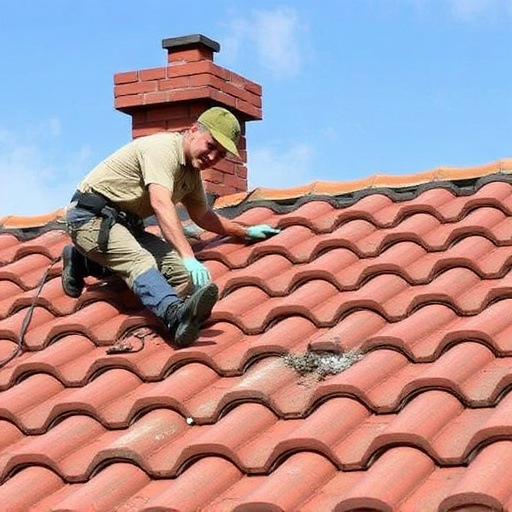
Protecting your tile roof from the harsh desert environment in Oro Valley is a key component of longevity and maintenance. UV exposure is a significant concern, as the intense sun can degrade the materials over time. To combat this, a roofing contractor serving Oro Valley and Marana recommends a two-layer underlayment system. This extra layer provides an extra barrier against the elements, protecting your tile roof from both weather and foot traffic damage.
Tile roofs, whether they are flat or standing seam, require specific care to maintain their fire resistance, a key advantage compared to other roofing materials. Regular cleaning is essential to prevent sun faded tile colors and efflorescence on concrete tiles. We recommend using safe cleaning methods and tile roof sealers, which have both pros and cons. A water-based sealer may reduce the risk of chemical damage to surrounding surfaces, but it may also have a shorter lifespan.
Proper maintenance also involves addressing potential pest entry points and checking for tile batten rot, especially in older homes. The Oro Valley Building Department provides guidelines for historical structures, like Spanish mission tile homes, ensuring that any repairs or additions maintain the building's integrity and fire resistance. Regular inspections and a well-maintained tile roof underlayment can ensure your roof lasts for decades, providing both aesthetic appeal and safety for your home.
Frequently Asked Questions About a practical guide to tile roofs on Oro Valley homes
What are the benefits of a tile roof for Oro Valley homes?
Tile roofs offer numerous advantages for homes in Oro Valley and the desert Southwest. They are known for their exceptional durability, with some tiles lasting over 50 years. This longevity translates to reduced replacement costs and less maintenance over the roof's lifespan. Tile roofs are also highly fire-resistant, a significant safety feature in arid climates prone to wildfires. Their reflective nature helps reduce cooling costs by minimizing heat absorption, making them an energy-efficient choice. The traditional aesthetic of tile roofs adds beauty and value to a home's curb appeal.
How do tile roofs handle the extreme heat and sunlight in Oro Valley?
The design and composition of tile roofs make them well-suited to the harsh desert environment. The reflective properties of the tiles help reflect sunlight, keeping the underlying structure and insulation cooler than traditional roofing materials. This characteristic is crucial in maintaining a comfortable indoor temperature and reducing the load on air conditioning systems. Tile roofs are built to withstand high winds and extreme temperatures, ensuring they remain intact during severe weather conditions common in Oro Valley.
Are tile roofs suitable for all types of homes in Oro Valley?
Tile roofs are versatile and can be installed on various home styles, including ranch, desert, and barn-style homes. However, their weight and installation requirements make them better suited to structures with adequate structural support. Older homes may need reinforcement to handle the weight of tile roofs. Consulting with a licensed Oro Valley area roofing contractor (like DC Roofing of Arizona) is essential to ensure your home meets the necessary criteria for tile roofing.
How long does the installation process for a tile roof typically take?
Most tile roof installations in the Oro Valley area take one to two days, depending on the size and complexity of the project. This process involves several steps, including removing the existing roof, preparing the roof deck, installing underlayment, and placing the tiles. The meticulous nature of tile roofing ensures a high level of craftsmanship, which may contribute to the longer installation time compared to some other roofing types.
What are the maintenance requirements for a tile roof?
Tile roofs require minimal maintenance, which is a significant advantage. Regular cleaning to remove dust and debris is recommended, especially in areas with heavy tree coverage. Repairs are usually minimal, focusing on replacing loose or damaged tiles. Due to their durability, tile roofs often outlast other roofing materials, reducing the need for frequent replacement or extensive maintenance.
This guide has illuminated the key aspects of installing and maintaining tile roofs in Oro Valley, underscoring the enduring appeal and superior fire resistance of tile roofing materials. By choosing the right tiles, understanding installation best practices, and adopting a proactive maintenance plan, homeowners can ensure their tile roofs provide reliable protection for years to come. The fire resistance of tile roofs, a critical consideration in this desert climate, is enhanced by the use of natural fire-resistant tiles and proper installation techniques, as detailed in this article. Moving forward, homeowners should prioritize regular inspections, cleaning, and minor repairs to preserve the integrity of their tile roofs, taking advantage of the Oro Valley Building Department and local roofing contractors' expertise for guidance and support as needed.
In Oro Valley's desert climate, tile roofs offer durability, low maintenance, and superior fire resistance. Concrete tiles, preferred for their heat resistance and efflorescence resistance, are a popular choice. Proper installation, including a two-layer underlayment, a dry ridge system, and secure nailing patterns, is crucial for optimal performance. Regular cleaning, sealing, and inspections, along with maintaining tile battens and checking for rot, ensure the roof's longevity and fire safety. Fire-resistant tile roofs, when installed and maintained correctly, provide peace of mind and meet local building codes.