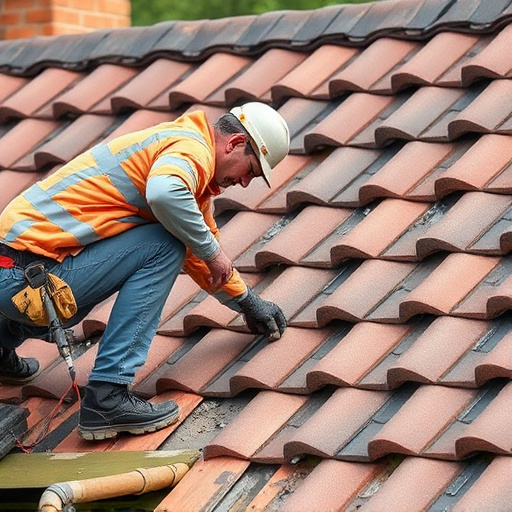
Tile roofs are a popular choice for Oro Valley homes, offering both aesthetic appeal and long-term durability in our desert climate. However, maintaining their beauty and integrity requires specific knowledge and practices, especially when dealing with issues like efflorescence on concrete tile, foot traffic damage, and the right underlayment choices. This practical guide examines the intricacies of tile roofing, from design considerations and installation best practices to care and maintenance tips. We'll explore how to preserve the charm of traditional Spanish Colonial Revival architecture and modern homes alike, ensuring your tile roof stands the test of time and remains a reliable protective barrier against the elements.
- Understanding Tile Roofs: Benefits and Basics for Oro Valley Homes
- Choosing the Right Tile: Styles, Colors, and Durability Considerations
- Installation Process: Step-by-Step Guide to a Solid Concrete Tile Roof
- Maintenance and Care: Protecting Your Tile Roof from Efflorescence and Other Issues
Understanding Tile Roofs: Benefits and Basics for Oro Valley Homes
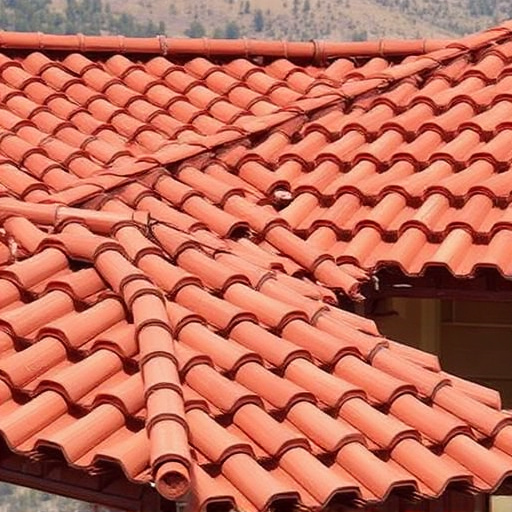
Understanding tile roofs is essential for homeowners in Oro Valley, particularly when considering their durability, maintenance, and aesthetic appeal. Tile roofs, specifically concrete tiles, offer several advantages in the region's desert climate. One of the most notable benefits is their superior heat resistance, making them an excellent choice for homes in flat tile profiles, where temperature extremes are common. Unlike other roofing materials, concrete tiles are designed to withstand intense sunlight and high heat, preventing excessive expansion and contraction that can weaken other types of roofs.
For installation, a licensed Oro Valley area roofing contractor recommends a robust underlayment system, typically consisting of 30 lb felt, to protect the structure from moisture and provide an additional layer of insulation. This is crucial for maintaining the structural integrity of the roof and preventing damage from efflorescence, a common issue with concrete tile. Efflorescence is the white, powdery substance that can appear on the surface of concrete tiles when moisture is present. Proper installation methods and high-quality materials can minimize this effect, ensuring the tiles remain aesthetically pleasing for years.
Regular maintenance is vital for any tile roof. Homeowners should inspect their roofs for loose tiles, damaged flashings, or signs of efflorescence. Addressing these issues promptly can prevent more significant problems. Tile batten rot, which can occur due to prolonged exposure to moisture, is a common concern. Regular cleaning and sealing of the roof can help mitigate these issues. Many tile roof sealers are available, each with its own set of pros and cons; understanding these options is key to choosing the best solution for your Oro Valley home. Proper gutter maintenance and regular checks for pest entry points are essential to ensuring the longevity of your tile roof.
Choosing the Right Tile: Styles, Colors, and Durability Considerations

When selecting tiles for your Oro Valley home, understanding the nuances of different styles, colors, and materials is crucial. In this arid climate, the right choice can ensure your tile roof withstands the sun, heat, and occasional power outages that are characteristic of the region. The stark contrast of desert landscapes against the vibrant colors of a newly installed tile roof in Rancho Vistoso can be breathtaking, but it also demands specific considerations.
Concrete tile roofs are a popular choice for their durability and low maintenance, but they are not immune to efflorescence, a white powdery residue that can accumulate when moisture interacts with the mineral content of the tile. Proper installation and regular cleaning can mitigate this issue, but it's important to consider the local conditions. In Oro Valley, with its high sun exposure and occasional power outages, a synthetic underlayment can be a valuable addition to your roof system. This extra layer provides an extra barrier against moisture, reducing the risk of efflorescence and extending the lifespan of your tile.
Color choice matters in the aesthetic appeal of your home, particularly in the Catalina Foothills' vibrant real estate market. While light-colored tiles reflect sunlight, making them energy-efficient, darker shades can add depth and character. However, be mindful of the potential heat absorption, which could slightly increase cooling costs. An experienced Oro Valley roof specialist recommends evaluating your home's architecture and surroundings when making this decision. For historical homes with Spanish Colonial Revival architecture, for example, terracotta or Spanish mission-style tiles can complement the era and environment beautifully.
Tile durability is another critical factor. Thicker tiles often boast superior longevity, but they can be heavier, requiring stronger framing. Ensure your roofing contractor accounts for these factors, especially when considering a tile roof for an addition or new build. Proper nailing patterns, adequate headlap, and the use of tile clips in high wind zones are essential to prevent damage from foot traffic, debris, and extreme weather, ensuring your roof remains a sign of your home's beauty and safety for years to come.
Installation Process: Step-by-Step Guide to a Solid Concrete Tile Roof

The installation of a concrete tile roof is a significant project that requires careful planning and execution. When done right, a tile roof offers durability, aesthetic appeal, and long-term value to Oro Valley homes, particularly those with Spanish Colonial Revival architecture. This step-by-step guide walks you through the process, focusing on key aspects like ridge mortar, underlayment, and efflorescence management, all essential for a robust and low-maintenance tile roof.
Start by ensuring your roof is properly prepared. Remove any existing roofing material, inspecting the deck for damage or rot. A licensed roofer with an Arizona ROC license can assist with this initial evaluation. Install a suitable underlayment, such as a two-layer system, to protect against moisture and provide a solid base. The underlayment should be secured to the deck using nails and a suitable adhesive, following manufacturer guidelines. Next, apply a ridge mortar, a crucial step often overlooked. This mortar, installed along the roof's peaks, strengthens the structure and prevents water intrusion. Ensure the mortar sets correctly before proceeding, as this step sets the foundation for the entire roof's integrity.
Now, it's time to lay the tiles. Begin at the bottom edge of the roof, securing each tile with nails and adhesive. Use a specific nailing pattern, like a 24-inch center pattern, for optimal strength. Gaps between tiles should be minimal, and tile headlap should be covered for a seamless finish. When installing tiles around skylights or other obstructions, use tile clips to secure the tiles, ensuring they remain in place during high winds. Be mindful of foot traffic damage, especially in high-traffic areas, and consider using a thick, durable tile for added protection. Finally, address efflorescence, a common issue in desert climates. Regular cleaning with appropriate tile roof cleaners can prevent a buildup of salt deposits, ensuring your roof maintains its aesthetic appeal and structural integrity.
Maintenance and Care: Protecting Your Tile Roof from Efflorescence and Other Issues

Tile roofs, while beautiful and durable, require specific care to maintain their integrity in the harsh desert climate. One of the most common issues homeowners in Oro Valley face is the appearance of efflorescence on their concrete tile roofs. Efflorescence is a natural process where minerals, often from the cleaning products or the environment, leave a white, powdery residue on the tile surface. While it's not a structural concern, it can diminish the roof's aesthetic appeal.
Regular cleaning is essential to manage efflorescence. Homeowners should use soft-bristled brushes and mild, pH-neutral cleaners to avoid damaging the tiles. For stubborn cases, a roofing contractor serving Oro Valley and Marana can employ professional-grade cleaning solutions and equipment. Examining the roof for cracks, especially around the edges, is crucial. Even minor damage can provide an entry point for moisture, leading to potential mold and mildew growth, which can compromise the roof's integrity.
Underlayment matters in tile roof care. A two-layer underlayment system, for instance, offers superior protection against water intrusion and mold growth. When installed correctly, this system acts as a secondary barrier, providing an extra layer of defense where a single layer might fail. Understanding the difference between mortar set and dry ridge systems is key. Mortar set systems, while traditional, require more maintenance, whereas dry ridge systems offer a more efficient, low-maintenance solution. The latter is particularly beneficial in areas prone to high winds, like Oro Valley, as they resist the forces that could damage the ridge cap.
Regular inspections and prompt maintenance are the cornerstones of protecting your tile roof. Homeowners should keep an eye out for signs of damage or efflorescence and address them promptly. By following these guidelines and working with experienced professionals, Oro Valley residents can ensure their tile roofs remain in excellent condition for years to come.
Frequently Asked Questions About a Practical Guide to Tile Roofs on Oro Valley Homes
What are the primary benefits of a tile roof for homes in Oro Valley?
Tile roofs offer several advantages for Oro Valley homes. They are known for their durability and longevity, with some high-quality tiles lasting over 50 years. Tile roofs are also highly weather-resistant, providing excellent protection against strong winds, rain, and snow. They can significantly enhance the energy efficiency of your home, as the reflective nature of tile helps to keep interior spaces cooler in the summer and warmer in the winter. Tile roofs also have a timeless aesthetic appeal, increasing the curb appeal and property value of your Oro Valley home.
How do I know if my home is suitable for a tile roof?
Several factors determine whether your Oro Valley home is suitable for a tile roof. The ideal candidates include well-structured homes with proper drainage systems and adequate roof support. The roof's pitch, or slope, should be suitable for the weight and installation requirements of tile roofs. A licensed roofer, like DC Roofing of Arizona, can assess your home's structure, drainage, and other factors to determine if a tile roof is the best option for your property.
Are tile roofs more expensive than other roofing materials?
While the upfront cost of tile roofs can be higher than that of other materials, such as asphalt shingles, they often represent a better long-term investment. This is because tile roofs are more durable and, with proper maintenance, can outlast many other roofing materials. The longevity of tile roofs translates into fewer replacements over time, potentially saving you money in the long run.
How often should I have my tile roof inspected?
Regular inspections are crucial for maintaining the integrity of your tile roof. It is recommended to have a professional inspection performed at least once a year, especially in areas prone to extreme weather conditions. This will help identify any potential issues, such as loose tiles, cracked grout, or damage from storms, and allow for timely repairs, ensuring the longevity of your roof.
Can I maintain a tile roof myself, or should I hire a professional?
While some homeowners may feel inclined to perform basic tile roof maintenance, such as cleaning and inspecting for loose tiles, most significant tasks should be left to a professional. Tile roof installation and repair require specialized skills, tools, and knowledge. A licensed roofer will ensure the work is done correctly, safely, and in accordance with local building codes, preserving the warranty and the structural integrity of your roof.
As you've navigated this practical guide, you've gained valuable insights into the unique requirements of tile roofs in Oro Valley's desert climate. From understanding the benefits and basics of concrete tile roofs to choosing styles and colors that complement your home's architecture, you're now equipped to make informed decisions.
Maintaining your tile roof is crucial to mitigate issues like efflorescence on concrete tiles, which can dull the finish and reduce the roof's lifespan. Regular inspections and proper cleaning techniques, detailed in the maintenance section, will help preserve your roof's aesthetic appeal and structural integrity.
Next steps include consulting with a local expert, like an Arizona Solar and Roofing Association member, to discuss your specific needs and create a tailored plan. For historical homes with Spanish mission tile, consider the design guidelines from the National Park Service to maintain architectural integrity. Lastly, remember to store spare tiles, address potential pest entry points, and ensure your roof's underlayment and flashing are up to standard, as these play vital roles in protecting your home from the elements.
By heeding these practical tips, you'll enhance your Oro Valley home's curb appeal and ensure a durable, long-lasting tile roof.
Tile Roof Care & Maintenance in Oro Valley:
- Durability & Heat Resistance: Concrete tiles excel in Oro Valley's desert climate due to superior heat resistance. They prevent damage from temperature extremes and minimize efflorescence (white powdery residue).
- Installation & Underlayment: A robust underlayment system, like 30 lb felt, protects against moisture and provides insulation. Proper installation with ridge mortar is crucial for structural integrity.
- Maintenance Tasks: Regularly inspect roofs for loose tiles, damaged flashings, and efflorescence. Address issues promptly to prevent larger problems like tile batten rot. Gutter maintenance and pest control are also essential.
- Aesthetic Considerations: Choose colors and styles that complement your home's architecture. Light-colored tiles are energy-efficient, while darker shades add depth. Consider Spanish Colonial Revival architecture for a beautiful, historic look.
- Efflorescence Management: Regular cleaning with mild, pH-neutral cleaners prevents efflorescence buildup. Professional cleaning and inspections are recommended for severe cases.
- Underlayment Systems: Two-layer underlayment systems offer superior protection against water intrusion and mold growth. Dry ridge systems are low-maintenance and resistant to high winds.
- Prompt Maintenance: Regular inspections and quick maintenance ensure your tile roof remains in top condition for years. Work with experienced local contractors for the best results.