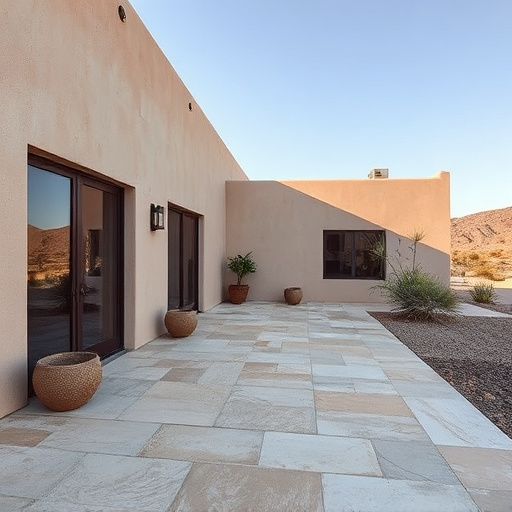
In the scorching desert heat, a tile roof stands as a fortress against the elements, its hardier nature making it a top choice for local homeowners in flat tile profiles like Oro Valley. However, beneath this protective shell lies a crucial component often overlooked: the tile underlayment. This layer, designed to safeguard against water intrusion, moisture damage, and foot traffic, can degrade faster than the tiles above it. The underlayment, whether made of mortar set or dry ridge, forms the foundation for your roof's longevity.
Understanding why this happens is key to maintaining your investment. We'll examine the factors that contribute to underlayment wear and tear, especially around tile roof edges and metal, and offer insights into optimizing its lifespan. By the end, you'll grasp the importance of regular inspections and the best practices for tile roof care, ensuring your home's protective barrier remains robust for years to come.
- Understanding Tile Underlayment Degradation
- Factors Accelerating Wear: Beyond Time
- Edge Metal: A Cornerstone of Longevity
- Proactive Strategies for Tile Roof Longevity
Understanding Tile Underlayment Degradation
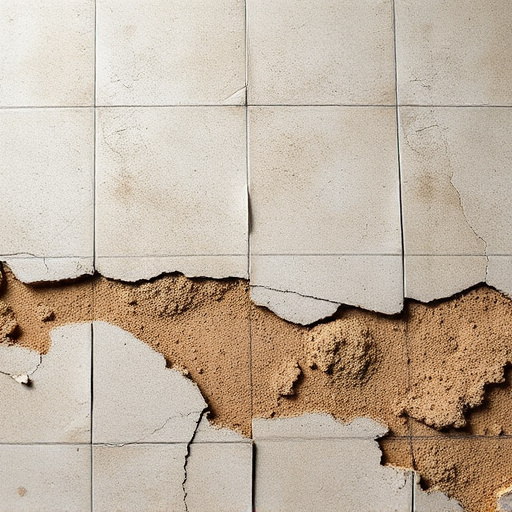
Tile underlayment, a crucial component of any tile roof, is designed to protect the structure from moisture, mold, and extreme weather. However, it often degrades faster than the tiles themselves, leading to costly repairs and premature roof replacements. Understanding why this happens is crucial for homeowners and property managers in the Oro Valley area, where tile roofs are a common choice due to their durability and aesthetic appeal.
One primary factor contributing to underlayment wear is the constant exposure to desert heat and sunlight. Clay and concrete tiles, the most common materials, can expand and contract with temperature fluctuations, putting immense pressure on the underlayment. Over time, this can cause the underlayment to crack, tear, or become loose. Foot traffic, especially in areas with high pedestrian activity or heavy equipment use, can damage the underlayment by puncturing or shifting its layers.
The underlayment's lifespan is also affected by the installation method. Traditional dry ridge systems, for instance, rely on a layer of tar paper and battens to secure the underlayment. While effective, these systems can be more susceptible to damage from wind, pests, and debris accumulation in the valleys between the tiles. In contrast, two-layer underlayment systems, which use a secondary layer of material for added protection, tend to last longer. An experienced Oro Valley roof specialist recommends regular inspection and maintenance, such as re-securing loose battens, to ensure the underlayment remains intact, protecting the roof structure and extending the life of the entire system.
Factors Accelerating Wear: Beyond Time

Tile roofs are renowned for their longevity, but the underlayment-the protective layer between the roof deck and the tiles-can outlast the tiles themselves. Understanding the factors that accelerate underlayment wear is crucial for homeowners and insurance assessors alike. While time is a significant contributor, several other elements play a role in its deterioration.
One of the most visible culprits is the tile roof edge metal, especially where it interacts with the underlayment. The constant exposure to sun, wind, and varying temperatures can lead to metal fatigue, causing it to corrode, bend, or become detached. This can create gaps in the underlayment, allowing moisture intrusion and potential damage to the roof deck. A poorly installed or maintained metal ridge cap, a crucial component of the dry ridge system, can accelerate this process.
Another critical factor is the type and installation of the underlayment itself. Traditional single-layer underlayments are more susceptible to damage from foot traffic, heavy rain, and extreme temperatures. In contrast, a two-layer underlayment system, often recommended for tile roofs, provides added protection. The top layer serves as a primary barrier, while the bottom layer acts as a secondary defense against moisture and damage. Proper headlap-the overlap of the underlayment sheets-also matters in water run-off and preventing debris from infiltrating the underlayment.
Lastly, nearby structures and environmental conditions can indirectly affect the underlayment's lifespan. Landscape irrigation systems can contribute to efflorescence on concrete tiles, which, if left untreated, can weaken the underlayment. Similarly, power outages leading to prolonged periods without ventilation can create ideal conditions for mold and mildew growth, further compromising the underlayment. Homeowners, in collaboration with a licensed Arizona roofer, should regularly inspect these areas and implement preventive measures to ensure the underlayment's longevity.
Edge Metal: A Cornerstone of Longevity
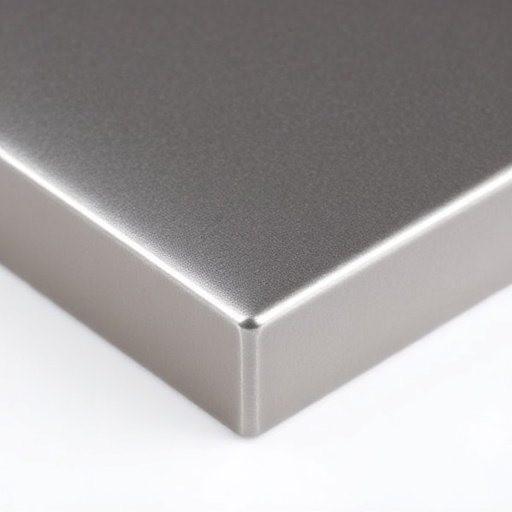
In the arid climate of Oro Valley, Arizona, tile roofs are not just a common sight but a necessity for enduring the intense sun and heat. Yet, despite their durability, even the sturdiest tile roofing systems require careful consideration for edge metal-a critical component that often goes unnoticed until problems arise. Unlike traditional roofing materials, tile roofs demand specific edge metal installations to prevent common issues like efflorescence and water damage.
Tile roof edge metal acts as a protective barrier, safeguarding the intersection of the tile and the roof's underlayment. It's a cornerstone of longevity, designed to withstand high winds, foot traffic, and the weight of the tiles themselves. However, its importance is often overlooked, leading to premature wear and tear. In Spanish Colonial Revival homes, where tile roofs are prevalent, edge metal failure can result in costly repairs and reduced roof lifespan. A roofing contractor serving Oro Valley and Marana often encounters this problem, especially with older installations where the original edge metal has degraded or been improperly installed.
The lifespan of tile roof edge metal is directly tied to the quality of installation and the materials used. Many factors contribute to its deterioration, including UV exposure, temperature fluctuations, and moisture. Over time, these elements can cause the metal to rust, bend, or become detached, leading to water penetration and damage to the underlayment. To mitigate these issues, contractors should employ specific nailing patterns and use high-quality, corrosion-resistant clips and battens. Regular maintenance, including inspecting headlap for damage and re-securing loose tiles, is crucial. By addressing edge metal concerns early, homeowners can ensure their tile roofs remain in top condition, avoiding costly repairs and extending the overall lifespan of their roofing system.
Proactive Strategies for Tile Roof Longevity
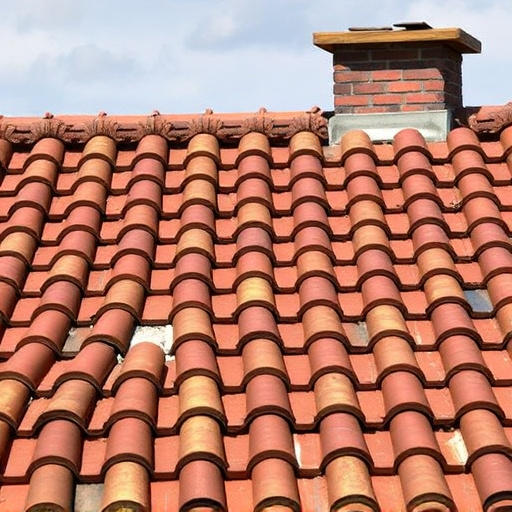
The longevity of a tile roof depends not just on the quality of the tiles but also on the underlayment, a crucial component often overlooked. Underlayment, the protective layer beneath the tile, protects against moisture, extreme temperatures, and foot traffic, among other elements. Unlike tile, which can last for decades, underlayment is more susceptible to wear and tear, especially in the harsh desert climate of Oro Valley. This is where many homeowners and insurance adjusters make a critical mistake-assuming the underlayment will last as long as the tile.
In fact, underlayment is typically expected to last about half the time of the tile roof itself. This means a 25-year tile roof should have an underlayment that lasts around 12 to 15 years. The primary reason for this disparity is the material's exposure to environmental factors. Synthetic underlayments, a popular choice due to their cost-effectiveness and ease of installation, are particularly susceptible to efflorescence, a white powdery substance that can build up and weaken the underlayment fabric over time. The constant expansion and contraction of tile, coupled with the weight of foot traffic and debris accumulation in valleys, can lead to rips, tears, and holes in the underlayment.
To ensure the longevity of your tile roof, proactive strategies are essential. Regular inspection, for instance, can help identify damage before it becomes a major issue. Homeowners should also consider using a two-layer underlayment system for added protection. Proper installation techniques, such as securing tile edges with metal, minimizing overlap, and ensuring adequate headlap and coverage, can significantly extend the lifespan of the underlayment. A local roofing company serving Oro Valley might recommend these strategies to clients, emphasizing the importance of a well-maintained underlayment in preserving the overall integrity and value of their tile roofs.
Frequently Asked Questions About an explainer on why tile underlayment wears out before the tile does
Why does tile underlayment fail before the tile itself?
The primary reason tile underlayment wears out before the tile is a direct result of its location and function. Underlayment, designed to provide a stable, moisture-resistant base for tiles, is often made from materials like plywood or composite boards that are more susceptible to rot, mold, and insect damage than the ceramic or porcelain tiles above them. Over time, these environmental factors can weaken the underlayment, leading to cracks, warping, or complete failure, exposing the tile to potential damage or displacement.
How can I extend the lifespan of my tile underlayment?
To maximize the life of your tile underlayment, ensure proper installation, including a level subfloor, adequate ventilation, and a waterproof barrier. Regularly inspect for signs of damage, moisture intrusion, or insect infestation. Address any issues promptly. Consider using high-quality underlayment materials designed for long-term performance and resistence to environmental stress.
What are the signs that my tile underlayment is failing?
Watch for these telltale signs: tiles becoming loose or uneven; visible cracks or warping in the underlayment; water stains or mold growth; a musty smell indicating moisture infiltration; or the presence of insects like termites.
When should I replace the tile underlayment?
If you detect any signs of failure or damage, replace the underlayment as soon as possible. Ignoring these issues can lead to more severe problems, including structural damage and the need for costly tile replacement.
Are there different types of tile underlayment available?
Yes, various types are available, including plywood, orientated strand board (OSB), and specialized composite panels designed for tile installation. Each material has its advantages and disadvantages in terms of cost, durability, and installation complexity. Consulting with a professional roofer or contractor can help you choose the best option for your specific project.
Understanding the factors contributing to tile underlayment degradation is crucial for prolonging the lifespan of your tile roof. While the tile itself may seem like the most critical component, the underlayment plays a pivotal role in preventing leaks and supporting the structure. We've explored how various factors, from sun exposure to edge metal quality, can accelerate wear and tear. Recognizing these influences is the first step towards proactive strategies.
Next steps for homeowners and roofing contractors alike include:
- Regular Inspection: Conducting routine checks to identify signs of damage or degradation, especially in areas prone to intense sunlight and wind.
- Choosing Quality Underlayment: Selecting durable underlayment materials and ensuring proper installation, with a focus on the roof's edges where the tile meets the underlayment. This is where tile roof edge metal becomes particularly important, offering enhanced strength and protection.
- Two-Layer Systems: Considering two-layer underlayment systems for added protection, especially on new builds or roof additions, where the roof is more exposed.
- Maintenance and Repairs: Promptly addressing any issues, such as efflorescence on concrete tiles or foot traffic damage, to prevent further complications.
By implementing these measures, homeowners can ensure their tile roofs, particularly in the unique desert climate, maintain their integrity and beauty for years to come. This practical knowledge, backed by insights from experts in the field, empowers both residents and professionals to make informed decisions regarding tile roof care.
In the Arizona desert, tile roofs require meticulous care, focusing on the often-overlooked underlayment. While tile lasts decades, underlayment typically lasts half that time due to environmental stress and wear. Factors like efflorescence, temperature fluctuations, and foot traffic accelerate degradation. Regular inspection, two-layer underlayments, and proper installation techniques extend lifespan. Homeowners and insurance assessors should prioritize underlayment maintenance to prevent costly repairs and ensure the tile roof's overall integrity.