
The tile roof, a popular choice for its durability and aesthetic appeal in flat tile profiles, requires careful consideration during the monsoon season. As the desert heat intensifies and the risk of power outages increases, homeowners must navigate the challenges of sun-faded tile colors and efflorescence on concrete tiles. Heavy foot traffic and debris accumulation can lead to damage, while the weight of the tiles and the potential for tile batten rot add complexity to roof maintenance. This article provides comprehensive advice to address these issues, ensuring your tile roof withstands the season and remains a structural pride for your Oro Valley home. We'll explore everything from underlayment lifespans and safe cleaning methods to the pros and cons of tile sealers and fire resistance guidelines.
- Prepare Your Tile Roof for Monsoon: Pre-Season Checks
- Understanding Monsoon-Related Tile Batten Rot
- Post-Monsoon: Cleaning, Inspection, and Repairs
- Long-Term Maintenance: Preventing Future Tile Batten Rot
Prepare Your Tile Roof for Monsoon: Pre-Season Checks
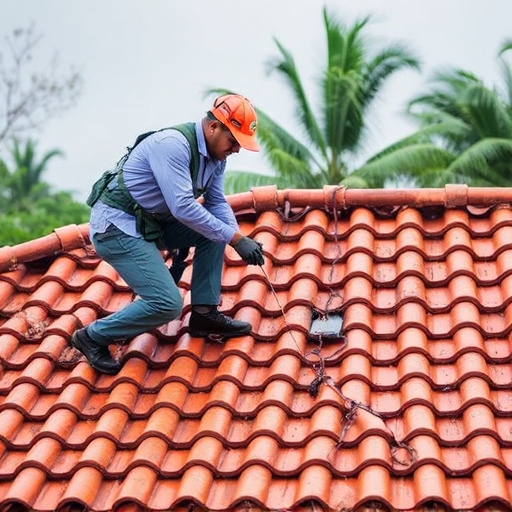
Before the monsoon season hits Oro Valley, a roofing contractor serving Oro Valley and Marana recommends performing a thorough inspection of your tile roof. This pre-season check is crucial to identify and address any potential issues, ensuring your roof is in optimal condition to withstand the intense desert heat and heavy rainfall. Focus on key areas like tile integrity, underlayment, and flashing to prevent common monsoon-related problems, such as leaks and tile batten rot.
Examine your roof for any missing, broken, or loose clay or flat tiles, which could expose the underlayment to the elements. Barrel tiles, known for their unique shape, also require special attention. Look for signs of efflorescence on concrete tiles, a white powdery substance that indicates moisture and can lead to tile deterioration. Check the mortar lines for cracks or gaps, as these can allow water penetration and contribute to tile rot. Verify that the underlayment is in good condition and securely attached, as it serves as a vital barrier against water damage and provides a stable base for the tiles.
During your inspection, don't overlook the roof's edges, valleys, and gutters. Ensure proper installation of ridge caps and edge metal to prevent water from seeping in. Keep an eye out for signs of pest activity, as certain insects are attracted to the moisture and organic materials found in tile roofs. Regularly cleaning your roof and addressing any issues promptly will significantly contribute to the longevity of your tile roof and help avoid costly repairs after the monsoon season.
Understanding Monsoon-Related Tile Batten Rot
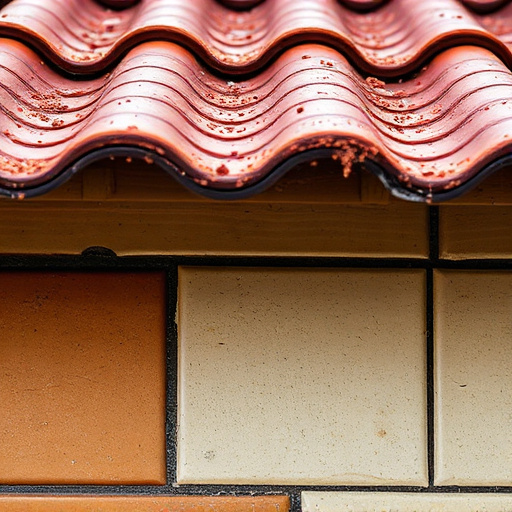
Monsoon season in Arizona brings both beauty and challenges for homeowners with tile roofs. One of the most significant issues specific to this region is tile batten rot, a problem that requires careful consideration and proactive maintenance. Tile batten rot occurs when wooden battens, which support the tiles and provide a weatherproof barrier, deteriorate due to prolonged exposure to desert heat, high humidity, and monsoon winds. This process can weaken the roof structure and lead to costly repairs.
To combat this issue, a two-layer underlayment system is highly recommended. This involves installing a primary underlayment that protects against moisture and a secondary layer that provides an extra barrier against leaks. Proper headlap, or the overlap of the underlayment sheets, is crucial in preventing water intrusion. Ensuring adequate headlap, typically 6-12 inches, allows for proper drainage and prevents water from pooling at the roof's edge. Using high-quality, weather-resistant battens and securing them tightly with nails or screws can mitigate the risk of rot.
Before monsoon season, homeowners should inspect their roofs for any signs of damage or weakness. This includes checking for loose tiles, damaged flashing, or exposed battens. DC Roofing of Arizona, a licensed Oro Valley area roofing contractor, advises regular maintenance to catch issues early. Cleaning gutters and drains ensures water flows freely, preventing debris buildup that can trap moisture against the roof. After the monsoon, a thorough inspection is still necessary to assess any new damage and ensure the roof is in good condition for the upcoming dry season. By implementing these measures, homeowners can protect their investments and enjoy the beauty of their Spanish Colonial Revival architecture or Santa Fe-style homes, even in the face of desert climate challenges.
Post-Monsoon: Cleaning, Inspection, and Repairs
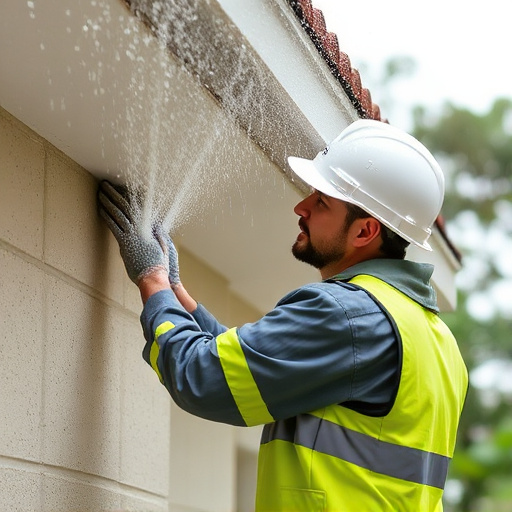
After the monsoon season, a thorough cleaning, inspection, and repair routine is essential for maintaining the health and longevity of your tile roof. The harsh desert climate, combined with the intense rainfall and sun, can accelerate wear and tear, particularly in areas like the Catalina Foothills. One key area to focus on is the condition of the tile battens, wooden strips that support the tiles. While clay tiles are known for their durability, they expand and contract with temperature changes, leading to potential issues over time. This natural movement can cause battens to rot, especially if they are not properly sealed or maintained.
To mitigate these risks, start by inspecting the roof for any signs of damage. Look for loose or missing tiles, cracks in the clay, and, most importantly, any signs of rot or weakness in the battens. A roofing contractor serving Oro Valley and Marana recommends visually examining the roof from the ground using a pair of binoculars, as well as climbing up for a closer look. This process will help identify any problems early on, preventing minor issues from becoming costly repairs.
For cleaning, avoid harsh chemicals and opt for a soft-bristled brush and a mild detergent solution. This gentle approach ensures that your clay tiles remain unharmed while removing dirt and debris. Pay special attention to the valleys and gutters, as these areas can trap moisture, leading to tile and batten rot. After cleaning, re-evaluate the condition of the battens, paying close attention to their integrity and any signs of decay. If rot is detected, it's crucial to replace the affected battens immediately to prevent further damage. Regular, thorough inspections and prompt repairs are the best defenses against tile batten rot and ensuring your roof remains in top condition, even during the demanding monsoon season.
Long-Term Maintenance: Preventing Future Tile Batten Rot
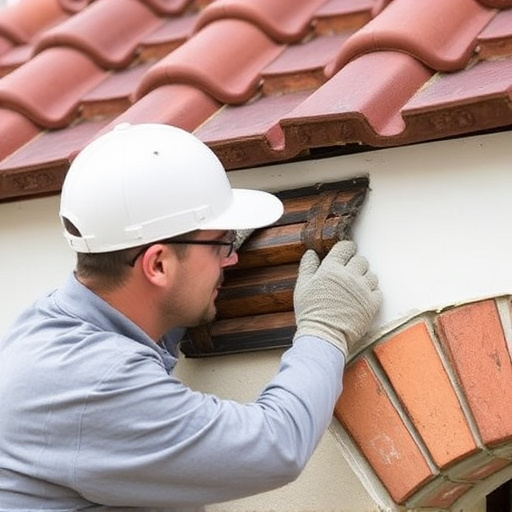
Tile batten rot is a common issue that can plague tile roofs, especially in areas prone to monsoon seasons like Oro Valley. Battens, the wooden strips that support the tiles, are susceptible to decay over time, leading to weak roof structures and costly repairs. Preventing this long-term maintenance problem is crucial for any homeowner with a tile roof, particularly after the intense weather patterns of a monsoon season.
One effective strategy to combat tile batten rot is to implement a dry ridge system. This involves a continuous ridge cap that runs along the peak of the roof, eliminating the need for traditional battens. By eliminating wood-to-wood contact, the dry ridge system reduces moisture transfer, which is the primary cause of rot. This system is particularly beneficial for concrete tile roofs, as it offers a more durable and low-maintenance solution. A 30 lb felt underlayment, installed properly, can provide an additional layer of protection by acting as a barrier between the tiles and the battens, minimizing direct water contact.
Regular inspections are key to identifying potential issues early. Homeowners should look for signs of decay, such as soft or crumbling wood, cracks, or visible water damage. A local roofing company serving Oro Valley recommends checking for loose tiles and proper headlap coverage during these inspections. By addressing any problems promptly, homeowners can extend the lifespan of their tile roofs and avoid costly repairs. Using tile clips in high-wind areas, as recommended by the Arizona Solar and Roofing Association, can help secure the tiles and battens, further preventing damage and rot.
Frequently Asked Questions About advice on tile roof care before and after monsoon season
What is the best time to prepare a tile roof for monsoon season?
Before monsoon season, it's crucial to inspect and maintain your tile roof. Schedule a thorough inspection with a licensed Oro Valley area roofing contractor, like DC Roofing of Arizona. Look for loose or damaged tiles, seal any gaps or cracks, and ensure proper drainage to prevent water damage during intense storms.
How do I know if my tile roof needs repair before monsoon?
Signs your tile roof may require repair include loose or missing tiles, visible cracks, water stains, or sagging spots. These issues can lead to significant damage during monsoon season. A professional roofer can assess your roof and recommend necessary repairs, ensuring its integrity and longevity.
What is the best way to clean my tile roof before monsoon?
Regular cleaning before monsoon is essential. Use a soft brush or vacuum to remove loose dirt and debris. Avoid powerful pressure washers, which can damage tiles. For stubborn stains, use a mild detergent and a soft cloth. Ensure your roof is clean and free of debris to prevent water pooling and potential damage.
Can I seal my tile roof to prevent water damage?
Yes, sealing your tile roof can provide extra protection against water intrusion. Consult with a local roofing specialist who can recommend a suitable sealant for flat tile profiles. Proper application of a high-quality sealant can help prevent water penetration and extend the life of your roof.
What should I do after a monsoon storm to check my tile roof?
After a storm, inspect your roof for any damage. Look for loose tiles, water spots, or signs of leaks. If you notice any issues, contact a licensed roofer immediately. Quick action can prevent further damage and costly repairs. Remember, a licensed contractor, like DC Roofing of Arizona, can provide expert assessment and repairs.
How often should I have my tile roof inspected by a professional?
It's recommended to have your tile roof inspected at least once a year by a qualified contractor. Regular maintenance is key to identifying potential problems early, ensuring the longevity of your roof, and avoiding costly repairs.
What should I do if my tile roof sustains major damage during monsoon season?
If your roof suffers significant damage during monsoon, contact a reputable roofing company immediately. DC Roofing of Arizona can provide emergency repairs and replacement services to restore your roof's integrity and protect your home.
As monsoon season approaches, understanding the specific care and maintenance required for tile roofs is crucial. By proactively addressing issues like tile batten rot, which can be accelerated by the unique conditions of desert heat and frequent storms, homeowners can ensure the longevity of their roof. Regular pre-season checks, proper cleaning techniques, and the adoption of long-term maintenance strategies, such as using two-layer underlayment systems and storing spare tiles, can significantly reduce the risk of damage. Staying informed about local building codes, as enforced by the Oro Valley Building Department, and seeking guidance from industry associations like the Arizona Solar and Roofing Association, ensures compliance and the best practices are followed. These proactive measures not only protect against tile batten rot but also preserve the aesthetic appeal and structural integrity of your tile roof, safeguarding your investment for years to come.
Before and after monsoon seasons, homeowners with tile roofs in Oro Valley should:
- Inspect for tile integrity, underlayment condition, flashing, and barrel tile efflorescence.
- Check for loose tiles, damaged flashing, exposed battens, and pest activity.
- Maintain a two-layer underlayment system with adequate headlap for water drainage.
- Use high-quality, weather-resistant battens securely fastened to prevent rot.
- Regularly clean gutters and drains to prevent moisture buildup against the roof.
- Address tile batten rot proactively with dry ridge systems and 30 lb felt underlayment.
- Inspect thoroughly after monsoon for new damage and ensure good condition for dry season.