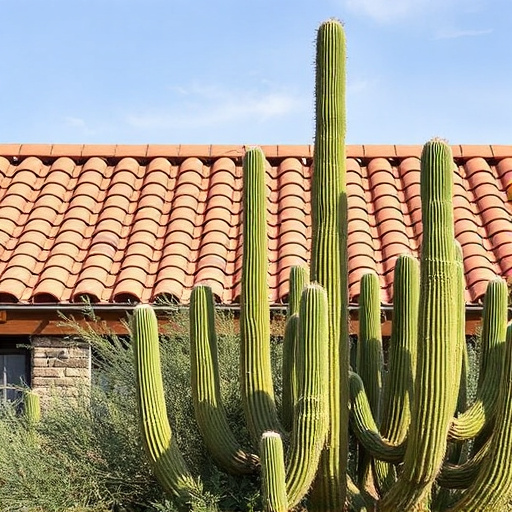
In the arid climate of flat tile profiles, homeowners often turn to tile roofing for its durability and aesthetic appeal. However, a common concern arises: why does the tile underlayment, the crucial layer protecting the roof structure, tend to wear out before the tiles themselves? Understanding this issue is vital for maintaining the longevity of your roof and preventing costly repairs. This article examines the factors contributing to underlayment deterioration, particularly pest entry points, and offers insights into best practices for installation and maintenance, ensuring your tile roof stands the test of time. By the end, you'll be equipped with knowledge to safeguard your investment.
- Understanding Tile Underlayment Degradation
- Common Causes of Early Underlayment Failure
- Pest Infestations: A Subterfuge Threat
- Preventative Measures for Longevity
Understanding Tile Underlayment Degradation
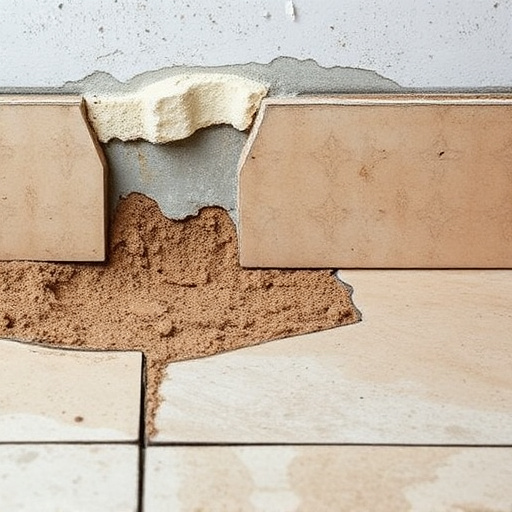
Tile underlayment, a critical component of a tile roof system, often wears out before the tiles themselves. This phenomenon is a result of several factors unique to the desert climate, including extreme heat, foot traffic, and environmental conditions. Understanding these factors is essential for homeowners and a licensed Oro Valley area roofing contractor to ensure the longevity of their tile roofs.
One primary reason for early underlayment degradation is the intense heat and sunlight in our region. Clay and concrete tile profiles, when exposed to prolonged UV radiation, can experience efflorescence-a process where mineral salts on the tile surface dissolve and redeposit, creating unsightly white or gray stains. This effect is more pronounced in dark-colored tiles and can weaken the underlayment, making it more susceptible to tearing or puncturing. The heat itself expands and contracts the tile, putting additional stress on the underlayment, especially at tile edges and valleys where debris can accumulate.
Another significant factor is foot traffic, especially on rooftops. Tile roofs, despite their durability, are not designed to bear heavy loads or constant movement. Regular foot traffic, from homeowners, contractors, or even birds seeking entry points, can damage the underlayment, causing it to fray, tear, or puncture. Bird stops, meant to keep birds from nesting in barrel tiles, are crucial in preventing these unwanted visitors from causing further damage to the underlayment and, by extension, the entire roof system. Regular inspection and maintenance, including checking for loose tiles and bird stops, can help mitigate these issues.
To combat these challenges, many roofing contractors recommend two-layer underlayment systems for tile roofs. This additional layer provides extra protection against heat, foot traffic, and other environmental stressors. Using the right type of mortar for installation, whether set or dry ridge, also matters in maintaining the underlayment's integrity. Proper nailing patterns, adequate headlap, and proper flashing at side walls and valleys can extend the life of the underlayment, ensuring that it performs its critical job-protecting the structure beneath-for as long as possible.
Common Causes of Early Underlayment Failure
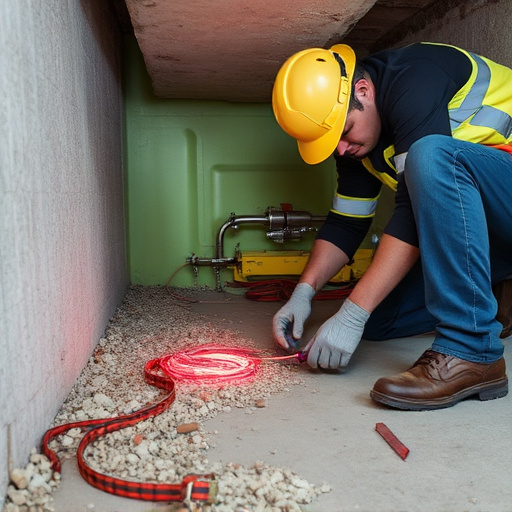
While tile roofs are renowned for their durability, the underlayment-the protective layer beneath the tiles-can fail prematurely. This isn't always due to the tile's quality but rather unforeseen circumstances. Early underlayment wear isn't just an aesthetic issue; it can lead to costly repairs, reduced roof life, and even allow pests entry into your home. Understanding these vulnerabilities is crucial for Tucson homeowners, especially in our arid climate.
One of the primary causes of early underlayment failure is pest intrusion. Termites and ants, attracted by the moisture held by the underlayment, can burrow through it, compromising its integrity. In our region, where Spanish Colonial Revival architecture featuring barrel tile roofs is common, this becomes a heightened concern. An experienced Oro Valley roof specialist advises that regular inspections for pest activity, along with proper sealing and treatment, are key to mitigating this issue.
Another significant factor is the type of underlayment used. Traditional paper-based underlayments, while effective, are more susceptible to damage from moisture, sunlight, and pests. Modern alternatives, like synthetic or two-layer underlayments, offer enhanced durability. Synthetic underlayments are made from waterproof materials, making them less prone to tearing and providing a longer lifespan. However, even these advanced options aren't immune to problems, particularly if they're not installed correctly or if the roof is subjected to extreme conditions.
Installation errors can accelerate underlayment wear. Inadequate fastening of the underlayment to the decking, improper headlap (the overlap of shingles or tiles), or incorrect nailing patterns can lead to water penetration and mold growth. Ensuring proper installation, including the use of appropriate fasteners and adhering to manufacturer guidelines, is crucial. For barrel tile roofs, where the tiles are heavier, special consideration must be given to the underlayment's capacity to withstand this weight, especially in areas prone to high winds.
Pest Infestations: A Subterfuge Threat
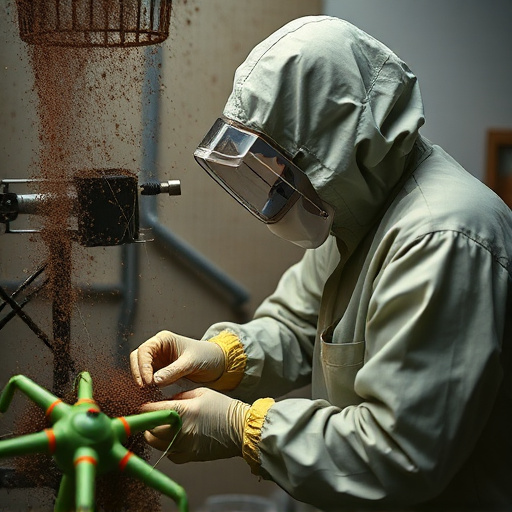
Pest infestations pose a significant threat to tile roofing systems, often causing damage that can shorten their lifespan. Unlike some roofing materials, clay tiles are porous and susceptible to moisture intrusion, making them a favorable entry point for termites and other insects. Termites, in particular, can infiltrate through small cracks, joints, or gaps in the roof, particularly around battens and where the tile meets the underlayment. Once inside, these pests feed on the clay tiles, weakening the structure and leading to extensive damage over time.
The presence of pests can also indicate a problem with the underlayment, especially synthetic underlayments that are more susceptible to infestation. In areas like Oro Valley and Marana, where climate conditions can favor pest activity, a roofing contractor serving these communities recommends regular inspections to identify potential entry points. Checking for loose or damaged battens, which can provide easy access for pests, is crucial.
While tile roofs are renowned for their durability, the underlayment-the protective layer beneath the tiles-can degrade faster than the tiles themselves. Over time, the underlayment can become damaged, allowing moisture and pests to infiltrate. This is why it's essential to address any signs of pest activity promptly. A licensed Oro Valley roofing contractor can provide expert advice on the best course of action, whether it involves reinforcing the underlayment, sealing tile joints, or replacing damaged battens. Regular maintenance and inspections are key to preserving the integrity of your tile roofing system.
Preventative Measures for Longevity

The lifespan of a tile roof isn't solely determined by the durability of the tiles themselves. While clay and concrete tiles are known for their longevity, the underlayment-the protective layer beneath the tiles-is a crucial component that often wears out before the tiles do. Understanding why this happens is essential for homeowners in Oro Valley, especially when considering the harsh desert climate and potential pest entry points.
One of the primary reasons for early underlayment failure is the constant exposure to the elements. The intense sunlight, fluctuating temperatures, and high winds can accelerate the aging process of the underlayment material. Asphalt underlayments, commonly used in S tile roofs, are susceptible to degradation from UV rays and wind, leading to cracking and separation. Concrete tiles, while more durable, can still experience issues if the underlayment is not properly installed or is made of lower-quality materials.
DC Roofing of Arizona, a licensed local roofing contractor, recommends taking proactive steps to ensure the longevity of your tile roof. Preventative measures like using high-quality underlayments specifically designed for desert climates, properly securing tiles with tile clips, and ensuring adequate headlap (the overlap of the tile) can significantly extend the life of your underlayment. Regular inspection for signs of wear and tear, pest damage, or water intrusion is also crucial. Addressing these issues promptly can prevent costly repairs and ensure your roof remains a reliable shield against the elements.
Frequently Asked Questions About an Explainer on Why Tile Underlayment Wears Out Before the Tile Does
Why does tile underlayment need to be replaced?
Tile underlayment-the layer between the flooring base and the tiles-typically wears out before the tiles because it's designed to absorb and distribute moisture, manage temperature, and provide a level surface. Over time, these continuous demands can weaken the underlayment material, leading to cracks, bubbles, or delaminating. Factors like foot traffic, humidity, and temperature fluctuations accelerate this process.
What types of underlayments are commonly used for tiles?
Common types include foam, rubber, and fiber-based underlayments. Each offers unique advantages: foam provides excellent insulation and moisture resistance; rubber is durable and flexible; fiber underlayments are lightweight and easy to install. The best choice depends on the specific flooring needs and environmental conditions in your home.
How often should I expect to replace tile underlayment?
The lifespan of tile underlayment varies based on factors like installation quality, environmental conditions, and foot traffic. Most underlayments last 10-20 years, but heavy use areas might require replacement sooner. Regularly inspecting your underlayment and addressing any issues promptly can prolong its life.
Can DIY methods be used to repair underlayment damage?
While some minor repairs, like patching small holes or cracks, can be tackled by do-it-yourselfers, more significant issues often require professional expertise. Attempting complex repairs without proper training may void warranties and lead to further damage. A licensed contractor is best equipped to assess and address underlayment problems.
What are the signs that my tile underlayment needs replacement?
Watch for tiles that are loose, wobbly, or have gaps between them. Discoloration, mold or mildew growth, and bubbling or peeling of the tile finish are also indicators. If you notice these, inspect the underlayment for damage or degradation.
How does proper installation impact the longevity of tile underlayment?
Proper installation is crucial. A level subfloor, correct spacing between tiles, and adequate grout lines help distribute weight and reduce moisture penetration, all of which contribute to a longer-lasting underlayment. Professional installers understand these nuances, ensuring your underlayment is installed correctly from the start.
Understanding the degradation of tile underlayment is crucial for prolonging the lifespan of your tile roof. Early failure often stems from common causes such as UV exposure, water damage, and aging, but pest infestations pose a hidden threat, particularly in desert climates. By addressing these issues proactively, homeowners can prevent costly repairs and ensure their roofs remain protective and aesthetically pleasing. Regular inspections, proper maintenance, and implementing preventative measures like a robust underlayment system, adequate ventilation, and sealing tile roof edges are key. Being vigilant for signs of pest activity at tile roof entry points and addressing them swiftly can save you from significant structural damage and costly roof replacements. This article's insights empower Tucson homeowners to make informed decisions, contributing to the longevity of their tile roofs and safeguarding their investments.
Tile Roof Underlayment: Protecting Against Early Degradation
The lifespan of a tile roof depends not only on the durability of tiles but also on the health of the underlayment, especially in Tucson's harsh climate. Early underlayment degradation is driven by intense heat, foot traffic, and environmental conditions, leading to efflorescence, stress on tiles, and vulnerability to pests and water damage.
Key Factors:
- Heat and Sunlight: UV radiation causes efflorescence on clay and concrete tiles, weakening the underlayment.
- Foot Traffic: Regular movement on rooftops damages the underlayment, especially at edges and valleys where debris accumulates.
- Pest Infestations: Termites and ants can burrow through underlayment, compromising its integrity, especially in Spanish Colonial Revival homes with barrel tile roofs.
Practical Steps:
- Use two-layer underlayment systems for enhanced protection.
- Install with proper mortar (set or dry ridge) and maintain adequate headlap.
- Regularly inspect for loose tiles, bird stops, and pest activity.
- Address installation errors, such as improper nailing patterns, to prevent water penetration and mold growth.
- For barrel tile roofs, ensure underlayment is suitable for heavy tiles and wind conditions.